How Long Do American Robins Live
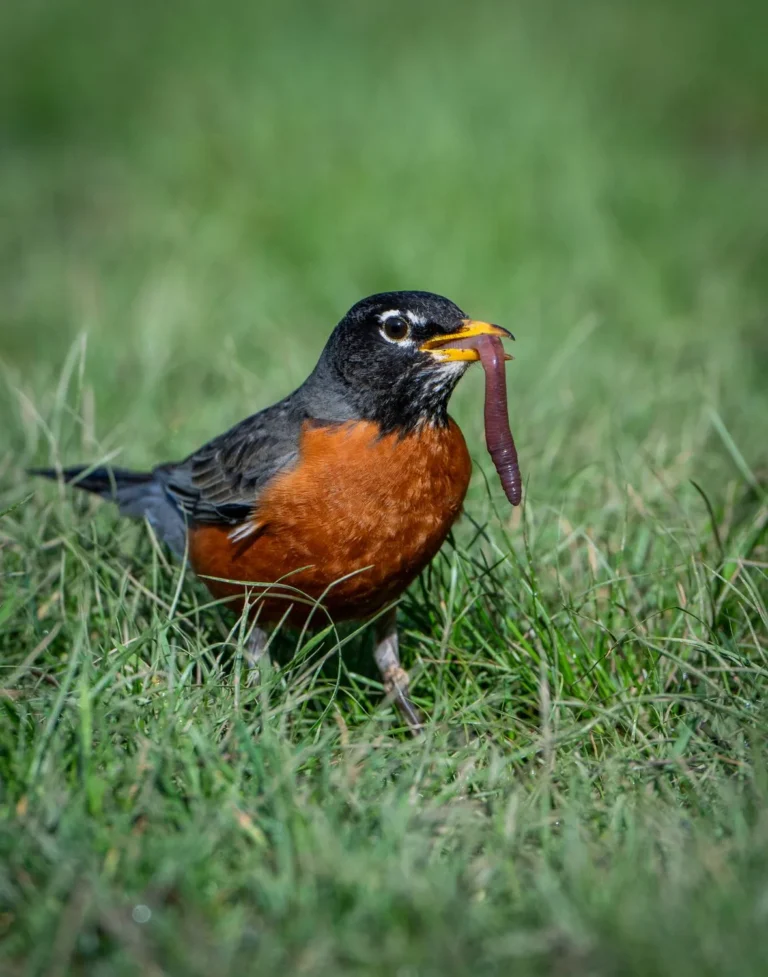
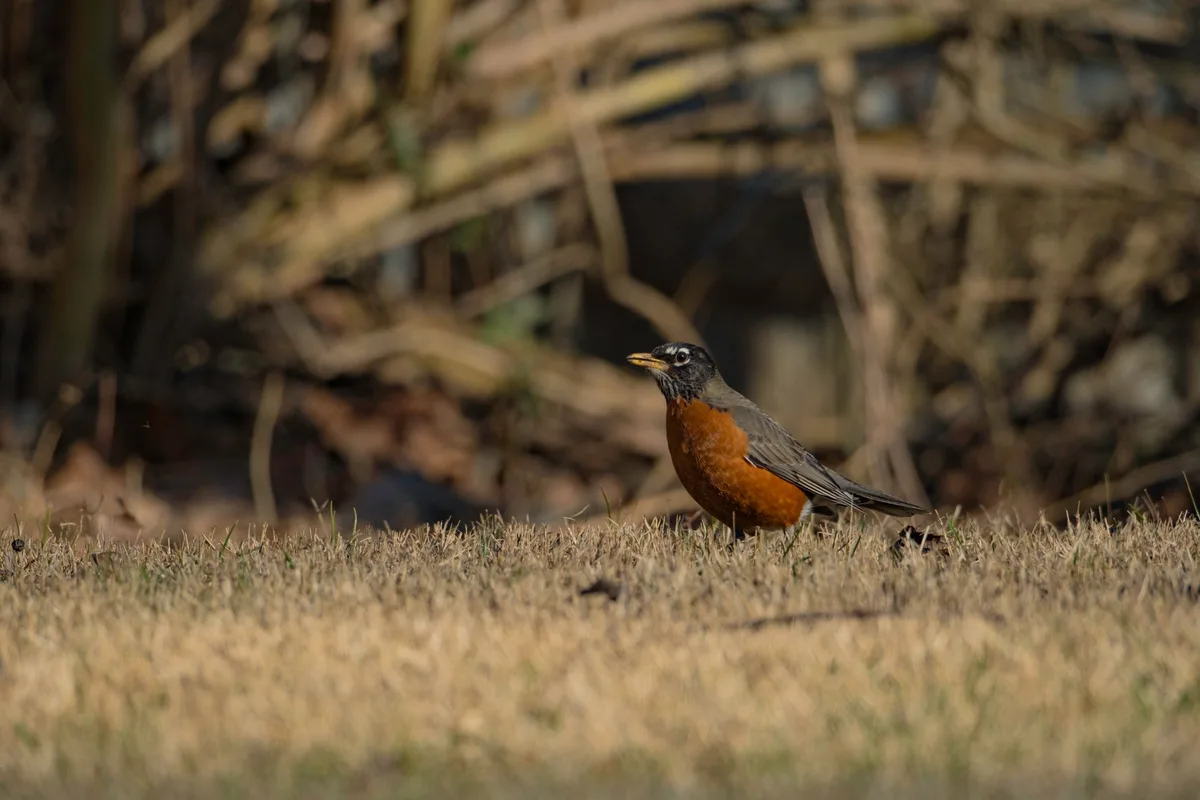
Curious about how long those cheerful American robins sticking around your yard actually live? It's a great question, and the answer isn't as simple as a single number, but we can definitely break it down. Think of it like this: it's not a perfect science, and there are a lot of variables, but we've learned a lot by watching them.
Generally speaking, when we talk about how long robins live, we're usually looking at what's called average lifespan. This is the typical age they reach, considering all the ups and downs they face. Per banding data compiled by ornithological research groups, the average lifespan for an American Robin in the wild is typically around 2 to 5 years.
This might seem short, right? But remember, the wild is a tough place for any small bird.
Quick Answer: How Long Do Robins Live?
In the wild, American Robins typically live 2 to 5 years. The oldest recorded robin lived nearly 12 years. Survival depends heavily on factors like predation and weather.
The Average Life of a Wild Robin
When we talk about how long American Robins survive, the most common figure you'll hear is their average lifespan in the wild. This figure is based on extensive bird banding studies, a method that's been used for decades to track bird populations and their life cycles. It represents the typical age a robin reaches, taking into account all the challenges they face from birth to adulthood.

The aggregate data from these banding efforts, which are often coordinated through organizations like the U.S. Geological Survey's Bird Banding Laboratory, indicates that most wild robins don't reach an advanced age. While a few individuals achieve remarkable longevity, the majority succumb to various threats much earlier.
This average is crucial for understanding population dynamics and the overall health of wild bird communities.
Key Factors Affecting Robin Survival
A lot of things can shorten or, less commonly, extend a robin's life. It’s a real balancing act out there for them, and several key factors play a significant role in whether a robin makes it through another season. These aren't minor details; they are the primary drivers of mortality for these common backyard birds.
Here's a look at some of the biggest players:
- Predation: This is a huge one for robins, especially for young birds still in the nest or fledglings. Common predators include cats, snakes, birds of prey like hawks and owls, and even other, larger birds. A robin's small size and ground-foraging habits make it an accessible meal for many creatures.
- Weather: Harsh winters with deep snow can make finding food incredibly difficult, leading to starvation. Severe storms, hail, or prolonged periods of heavy rain can also be dangerous, especially for nests and young birds. Droughts can reduce insect populations, another critical food source.
- Disease and Parasites: Like any living creature, robins are susceptible to various diseases and internal or external parasites. While some might overcome minor infections, more serious ailments can weaken them, making them vulnerable to other threats or leading to death.
- Food Availability: Their diet primarily consists of earthworms and insects, supplemented with berries and fruits. If insect populations decline due to pesticide use, climate changes, or other environmental factors, robins can struggle to get enough to eat, impacting their overall health and reproductive success.
- Human Impact: Direct human activities also contribute to robin mortality. Collisions with windows, vehicles, and buildings are significant causes of death. Habitat loss due to development reduces available nesting sites and foraging areas.
How Researchers Track Robin Lifespans
Understanding how long American Robins live isn't just guesswork; it's the result of dedicated scientific effort, primarily through a technique called bird banding. This practice involves carefully capturing wild birds, attaching a small, uniquely numbered metal band to one of their legs, and then releasing them back into their environment. It's a vital tool for ornithologists studying bird populations.
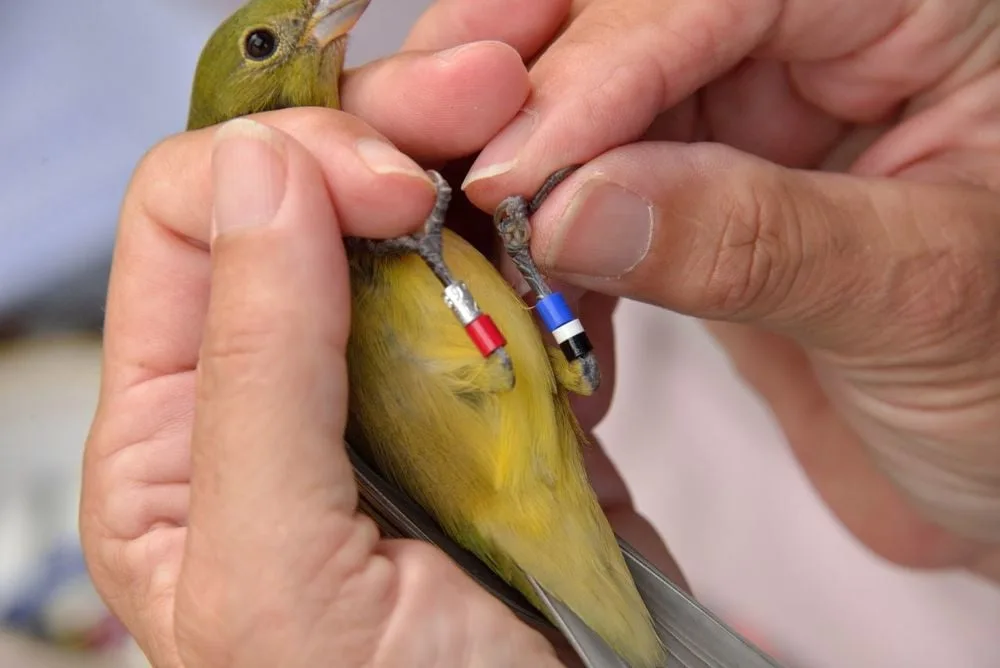
When a banded bird is recaptured (either by researchers or found deceased by a citizen), the information from the band, its unique number and the location and date it was first encountered, is reported. By comparing the dates of initial banding with the dates of subsequent recovery, scientists can calculate the minimum age of the bird at the time of recovery. This data, accumulated over many years and across thousands of individuals, forms the basis for our understanding of average and maximum lifespans for species like the American Robin.
This method is supported by governmental agencies such as the U.S. Geological Survey's Bird Banding Laboratory, which manages the national banding program.
Record-Breaking Robins: The Oldest You'll Find
While the average lifespan of an American Robin in the wild hovers around 2 to 5 years, it's important to remember that averages tell only part of the story. Just like humans, some robins are simply hardier, luckier, or more resilient than others, managing to survive far beyond the typical age. These exceptional individuals offer a glimpse into the maximum potential lifespan for the species under favorable conditions.
The most compelling data comes from the bird banding records. These records have identified individuals that have lived significantly longer than the average. The current record holder for the oldest American Robin, based on confirmed banding data, reached an impressive age of at least 11 years and 11 months.
This bird, first banded as an adult, survived through nearly a dozen breeding seasons.
This remarkable longevity highlights that while the daily challenges of the wild are formidable, a robin that successfully navigates its first few years has a good chance of living a full, albeit still relatively short, life. It underscores the resilience of the species and the importance of continued bird monitoring programs.