Why Do Cockatiels Whistle
Why Do Cockatiels Whistle? Let's Break It Down!
Hey there! So, you've got a cockatiel, or maybe you're thinking about getting one, and you're wondering about all that whistling. It's a pretty common question, and honestly, it's one of the most charming things about these little guys!
Whistling isn't just random noise; it's a big part of how they communicate, and understanding it can really deepen your bond with your feathered friend.
Think of it like this: when your cockatiel whistles, they're basically talking to you, to other birds, or even to themselves. It's their way of letting you know what's going on in their world.
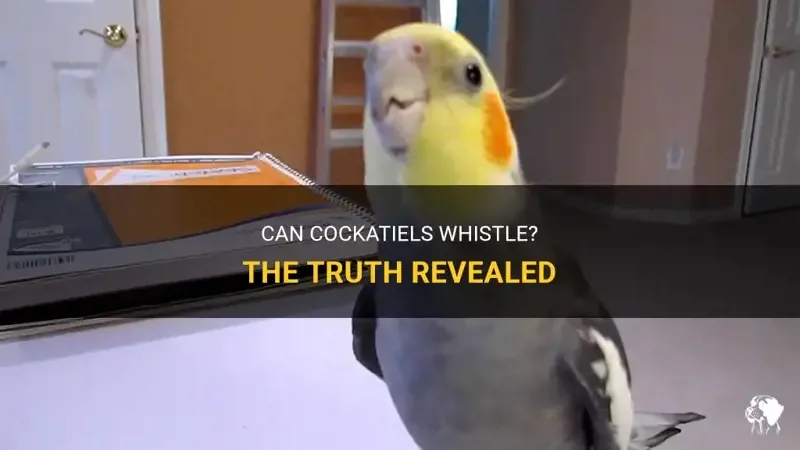
Quick Answer
Cockatiels whistle primarily to communicate their happiness, seek attention, greet you, and mimic sounds they hear. It's their main form of vocalization, akin to human speech, used to signal contentment, announce their presence, and maintain social bonds. Different whistle patterns can indicate varied moods or intentions.
The Many Reasons Behind Your Cockatiel's Melodies
Cockatiels are super social creatures. In the wild, they'd be hanging out in flocks, chirping, whistling, and squawking to keep in touch. When you bring one home, you become their flock, and whistling is how they keep that connection going.
Research into avian communication suggests that vocal learning plays a significant role in their ability to produce and modify sounds, with their whistles being a prime example of this complex behavior.
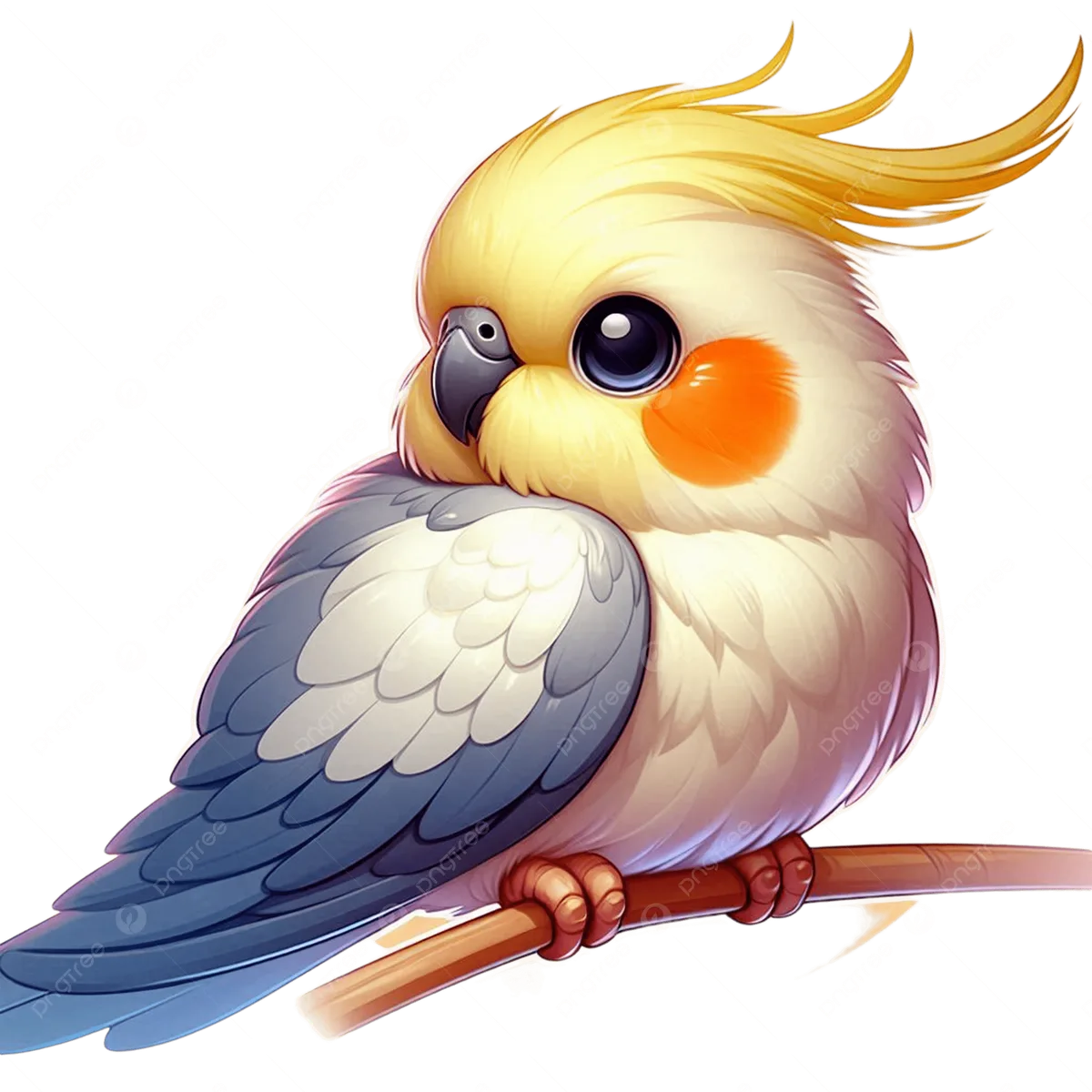
Here are some of the main reasons your cockatiel might be serenading you:
- Saying "Hello!" and "I'm here!" This is probably the most common reason. When you walk into the room, or when they wake up, a whistle is a way of announcing their presence and checking if you're around. It's like their little morning greeting.
- Expressing Happiness and Contentment: A happy cockatiel is often a whistly cockatiel. If your bird is relaxed, preening, and just generally chilling, you'll likely hear some cheerful tunes. It's their way of saying, "Life is good!"
- Seeking Attention: Let's be honest, they're smart birds, and they know how to get what they want! If your cockatiel whistles and you look at them, talk to them, or give them a head scratch, they learn that whistling is a great way to get your attention. They might even be trying to get you to play or offer a treat.
- Mimicry and Learning: Cockatiels are fantastic mimics. They can pick up tunes, whistles, and even words from their environment. If they hear you whistling a catchy tune, or a sound from the TV, they might try to copy it. This is a sign of intelligence and engagement with their surroundings.
- Responding to Other Birds: If you have more than one cockatiel, or even if they can hear other birds outside, whistling can be a way for them to communicate with their own kind. They might be joining in on a "conversation" or responding to a call.
- Announcing a "Find": Sometimes, a cockatiel might whistle excitedly if they've found something they like, such as a favorite toy or a particularly tasty seed. It's a bit like them saying, "Look what I found!"
- Boredom or Loneliness: While they're often whistling to connect, sometimes whistling can be a sign they're a bit bored or missing interaction. If your bird is whistling a lot and seems otherwise restless, it might be a cue to spend more quality time with them.
Understanding Different Whistle Types
You'll notice that not all whistles are the same. They can vary in pitch, tempo, and complexity. Understanding these nuances can give you a better insight into your bird's emotional state.
- Short, sharp whistles: Often indicate excitement or a quick greeting. Think of it as a quick "Hey!"
- Longer, more melodic whistles: Can signal contentment or a more drawn-out greeting. This is like a relaxed, happy hum.
- Rapid-fire whistling: Might mean they're really trying to get your attention or are feeling particularly playful. It's an urgent request for interaction.
- Whistling along to music: This is just them having fun and showing off their learned abilities! It demonstrates their capacity for vocal learning, a trait observed in many bird species as documented by avian behavioral studies.
Whistling Back: Building Your Bond
Absolutely! Whistling back to your cockatiel is one of the best ways to strengthen your bond. It shows them you're listening and that you're part of their "flock." It can be a really rewarding experience to have a little whistle-duet going.
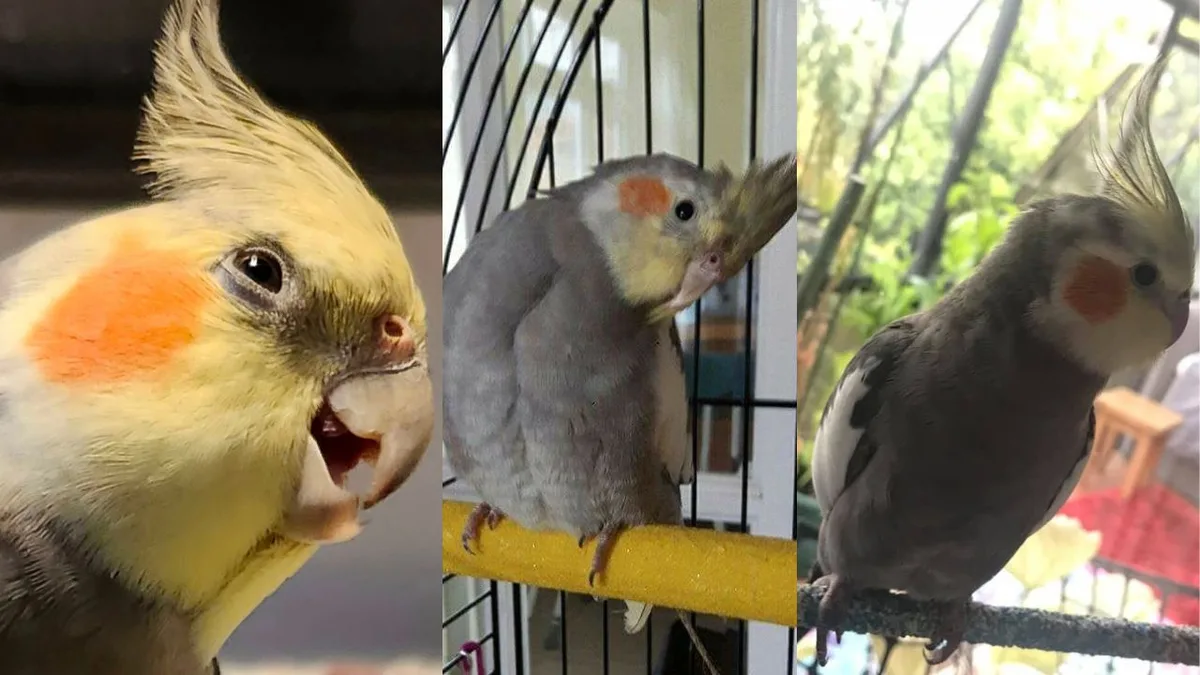
When you whistle back, you're engaging in a form of interspecies communication that can foster trust and mutual understanding. It reinforces the idea that you are a companion and a part of their social structure. This type of interaction is crucial for a cockatiel's well-being, as they are naturally social animals that thrive on interaction.
To effectively whistle back, try to mimic the tunes your bird seems to favor. If they have a particular melody they repeat, try learning it. Consistency is key here; regular, positive interactions will help your bird feel more connected to you.
When Whistling Might Signal a Problem
For the most part, whistling is a good thing. However, if your bird starts whistling very intensely and erratically, and it seems distressed, it's worth paying attention. Is something scaring them?
Are they in pain? Usually, though, their body language will give you more clues. A puffed-up bird or one that's hiding might be signaling distress more than a happy whistler.
If you notice a sudden increase in distressed-sounding whistles, consider these possibilities:
- Environmental Stress: Loud noises, sudden changes in their environment, or the presence of a perceived predator (like a different pet or a wild bird outside the window) can cause alarm.
- Physical Discomfort or Illness: While less common, if your bird is unwell, they might vocalize differently. Keep an eye out for other symptoms like changes in appetite, droppings, or feather condition. In such cases, consult with an avian veterinarian promptly.
- Overstimulation or Frustration: Sometimes, too much excitement or an inability to engage in desired behavior (like getting out of their cage) can lead to agitated vocalizations.
Common Cockatiel Whistling Mistakes to Avoid
While encouraging whistling is fun, there are a few common missteps owners can make that might inadvertently cause issues or hinder a positive relationship with their bird. Being aware of these can help you foster a healthier, happier interaction.
- Rewarding Undesired Whistles: If your cockatiel whistles incessantly to demand attention, and you immediately respond every single time, you teach them that this behavior works. Instead, try to ignore persistent, demanding whistles and reward the quieter moments or softer, more pleasant vocalizations.
- Forcing Interaction: Never try to force your cockatiel to whistle or interact when they clearly don't want to. This can create anxiety and damage trust. Let them set the pace for interaction.
- Ignoring Changes in Vocalization: As mentioned, a sudden change from happy whistling to distressed sounds needs attention. Ignoring these cues could mean missing a sign of illness or a stressor in their environment.
- Over-reliance on Whistles Alone: While whistling is great, it's only one part of communication. Pay attention to your bird's body language, fluffed feathers, wing postures, beak grinding, and eye pinning, as these provide a richer picture of their mood and needs. Understanding these combined signals is key to interpreting their overall well-being.