Colorful Birds
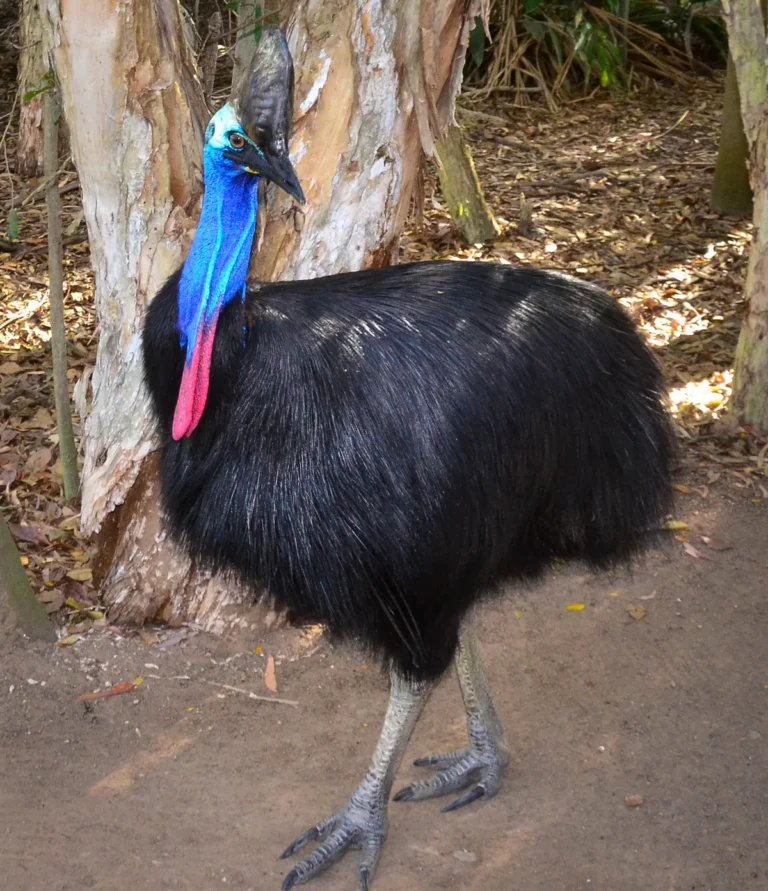
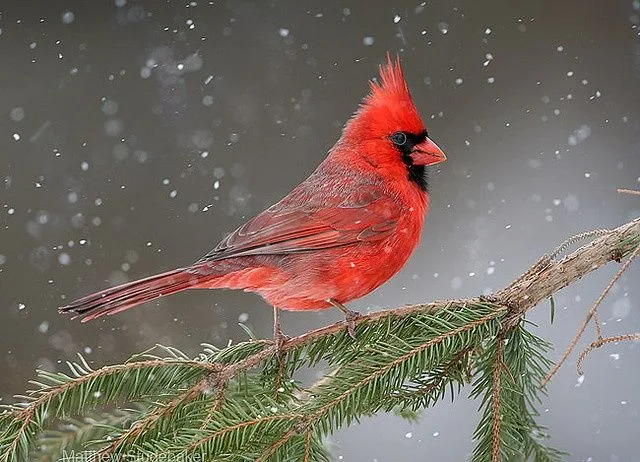
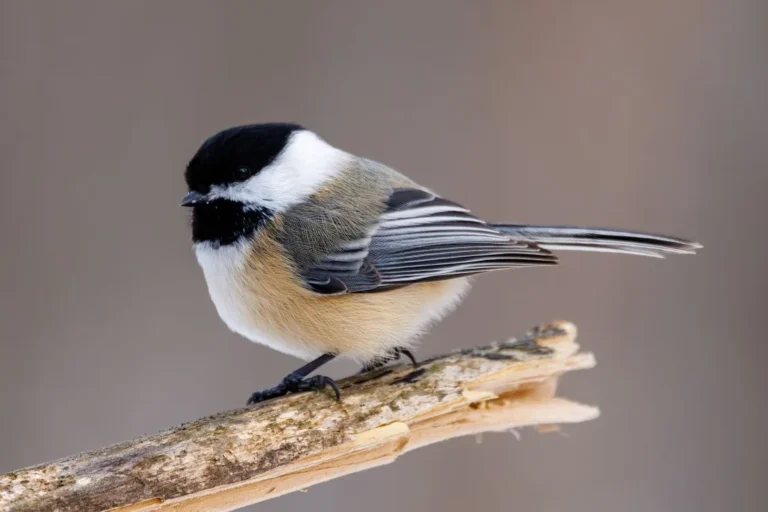
Seeing colorful birds in your local environment is a rewarding way to connect with nature. Whether you are observing a brilliant cardinal in your garden or a shimmering hummingbird, these birds rely on unique biological mechanisms to display such vibrant hues.
As of 2026, researchers continue to confirm that these displays serve essential roles in mating and survival. According to Cornell Lab of Ornithology, understanding these patterns enhances your ability to identify and appreciate avian diversity in the wild.
Quick Answer
Colorful birds gain their vibrant appearance through pigments or light-scattering physics. Pigmentary colors come from chemical compounds in the bird’s diet or body. Structural colors result from how light hits microscopic feather layers.
You can identify these species by observing their habitat, movement, and behavior. Proper light angles are vital for spotting iridescent plumage clearly.
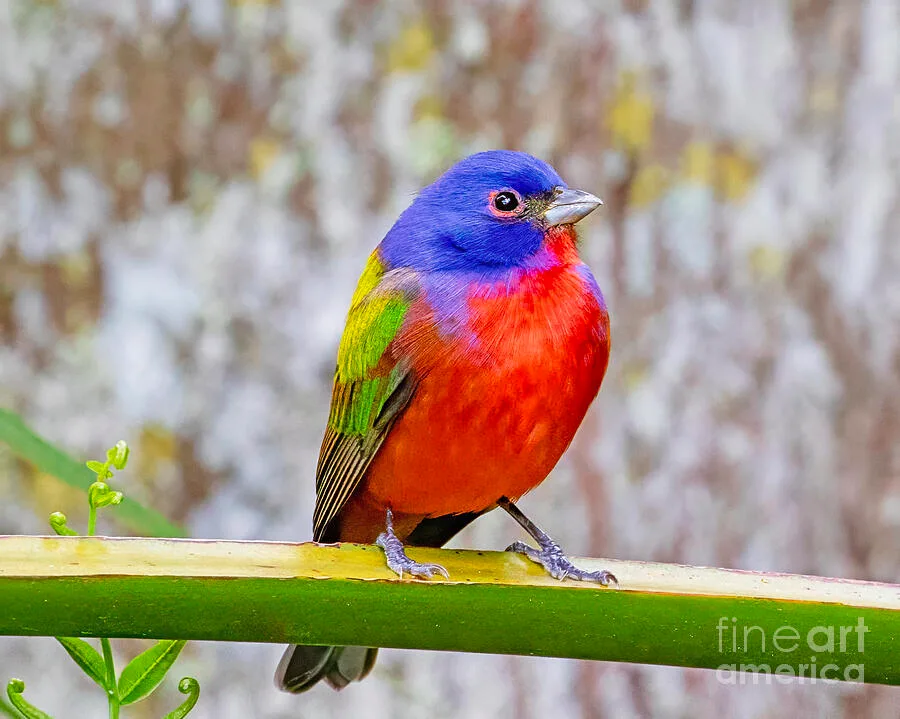
Image source: Bing (Web (fair-use with source credit))
The Biology of Brilliance: Why Birds Are Colorful
The vibrant colors you see on birds are not just random aesthetic choices. These displays act as critical signals within avian communities, often indicating the health, maturity, or social status of the individual.
Bright colors help birds attract mates and mark their territory against rivals. While this flashiness can make them vulnerable to predators, the evolutionary benefits of successful reproduction often outweigh the risks.
Not all colors serve the same function, however. A dull color might provide necessary camouflage, while a bright, neon-like plumage often functions as a high-visibility billboard. Observing these patterns requires a basic understanding of how and why birds exhibit such high-contrast appearances in their native habitats.
Decoding Plumage: Pigments vs. Structural Coloration
When you look at a bird, you are witnessing one of two physical processes. Pigmentary colors are created by substances called carotenoids, melanins, and porphyrins. These chemicals absorb certain light wavelengths and reflect others, giving the feathers a specific color regardless of the lighting.
Structural coloration works differently. It involves physical nanostructures within the feathers that scatter light in specific ways. This is responsible for the blues, violets, and intense iridescence seen on many species.
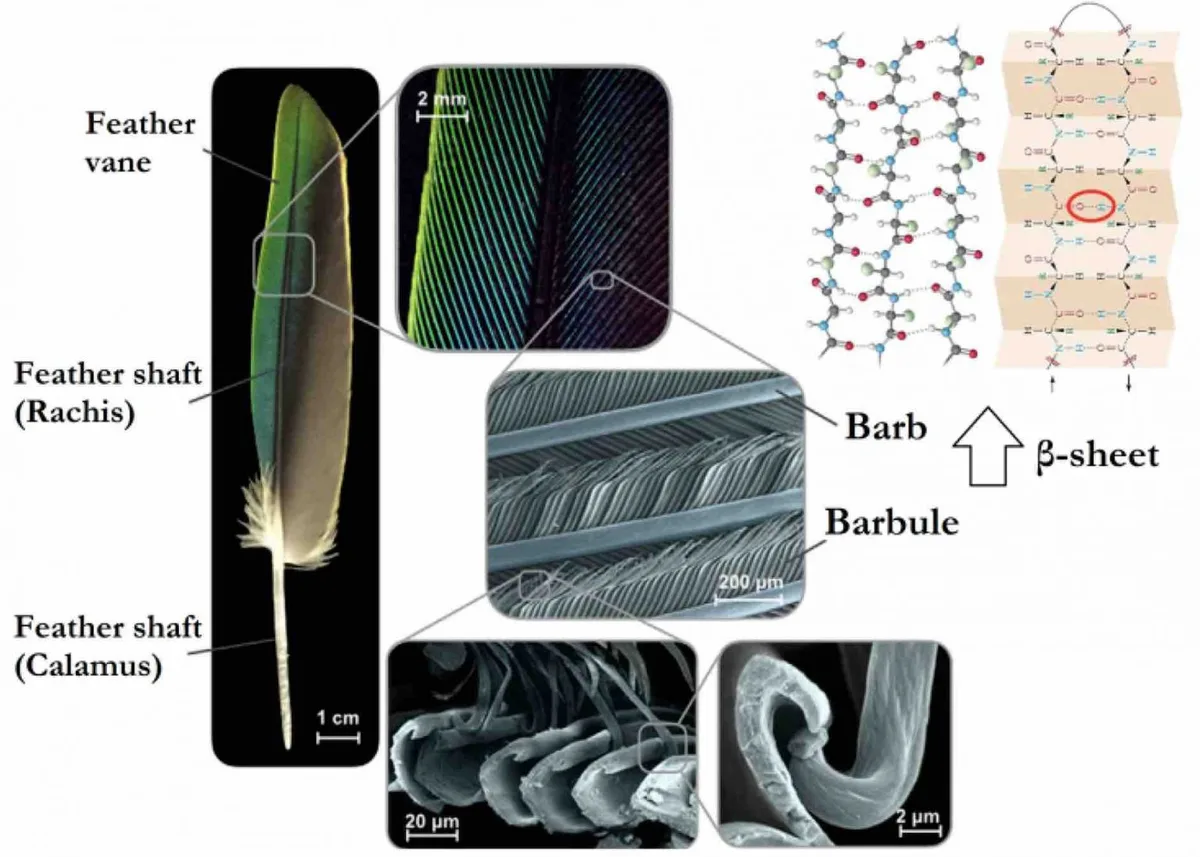
Image source: Bing (Web (fair-use with source credit))
If the feather's structure changes, the color shifts. This is why some birds appear to change color entirely as they turn their heads in the sun. If you want to study this further, the American Ornithological Society provides extensive data on how these physical structures define species classification.
How to Observe Colors in the Wild: The Role of Light and Habitat
Seeing the true potential of a bird's color depends heavily on your positioning. Because structural colors rely on light scattering, the angle of the sun is the most important factor in your success.
Position yourself so that the sun is behind your back or at a side angle to your subject. This placement illuminates the feather structures and maximizes the intensity of the light scattering. Avoid looking directly into the sun, as this creates a silhouette that obscures all color details.

Image source: Web (Bing) / wikizilla.org (Web image (fair-use with source credit))
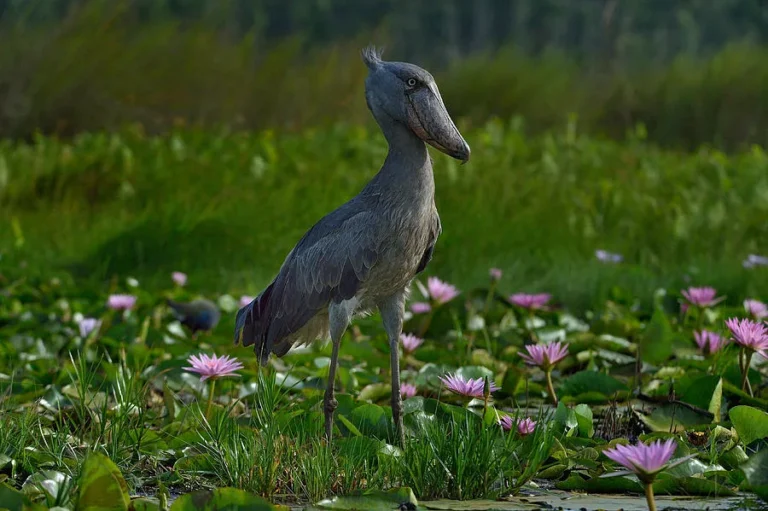
Habitat selection is equally vital. Many colorful species prefer edge habitats where different ecosystems meet, such as the border between a dense forest and an open meadow. These transition zones provide a mix of food sources and visual landmarks for birds to occupy.
Field Guide to Identification: Visual Cues and Patterns
Identifying birds goes beyond just noting the color. You must also pay attention to the distribution of that color on the body.
Most colorful birds display specific patches of brightness. These patches act as field marks that help distinguish one species from another. When you are in the field, use the following table to help group your observations:
| Color Type | Likely Mechanism | Key Observation Tip |
|---|---|---|
| Red/Orange | Pigment | Check for saturation intensity |
| Blue/Violet | Structural | Watch for color shifts during movement |
| Iridescent | Structural | Change your viewing angle |
| Yellow | Diet-based | Note seasonal plumage changes |
Focus on the bill shape and tail length alongside the color. A vibrant red bird with a thick, conical bill is often a different family than a thin, insect-eating red bird. Use these combined traits to narrow down your identification quickly.
Common Pitfalls: Why You Might Be Missing the Best Sightings
The most common mistake is overlooking a bird because it appears dull from a distance. Many colorful birds only display their true brilliance when they move or when they are in direct, low-angle sunlight.
Another error is ignoring the non-breeding plumage. Many species, especially those relying on diet-based pigments, look significantly different during winter months or after the breeding season. Do not assume a bird is a new species just because it lacks the expected color intensity.
Lastly, rely on behavior to supplement your visual data. A bird’s song or flight pattern often provides more reliable identification than color alone. If you only focus on the color, you might misidentify a bird based on a transient lighting effect that doesn't represent its true appearance.
Ethical Birding: Protecting Populations While You Watch
Responsible observation ensures that your presence does not negatively impact the birds you enjoy. The U.S. Fish and Wildlife Service emphasizes that minimizing stress is the single most important action for any bird watcher.
Never get closer to a bird than it allows without showing signs of alarm. If a bird stops feeding, calls out repeatedly, or moves away from you, you are too close. Back away slowly and maintain a greater distance to keep the environment calm.
Avoid playing recorded bird calls to attract individuals during breeding season. This behavior forces birds to defend their territory against a phantom rival, which drains their energy and distracts them from essential tasks like nesting or feeding. Use your eyes and ears instead of digital playback.
Respect private property and local trail regulations at all times. Staying on designated paths prevents the destruction of nesting sites and delicate vegetation that birds rely on for survival. When we prioritize the bird's well-being over our own photo opportunities, we ensure these populations remain healthy for seasons to come.
Frequently Asked Questions
Why do some birds lose their bright colors?
Birds often experience duller plumage due to seasonal molting, feather wear, or changes in diet. Many species undergo a pre-breeding molt to grow brighter feathers, which then fade or wear down through the year. Additionally, birds that rely on carotenoids from food sources may lose color if their preferred diet is unavailable.
Is it safe to feed birds to attract them?
Feeding is generally safe if you maintain a clean, hygienic environment. Use high-quality, mold-free seeds and keep feeders cleaned regularly to prevent the spread of avian diseases. Always research the specific dietary needs of the local species you wish to attract to ensure your feed is healthy and beneficial.
Can I identify birds by their plumage alone?
Plumage is a primary identifier, but it should not be your only one. Consider the bird's silhouette, flight patterns, and vocalizations to confirm your sighting. Lighting conditions can significantly alter how colors appear, so cross-referencing your visual observation with behavioral traits is the best way to ensure accurate identification.
What is the best time of day to see colorful birds?
Most species are most active during the early morning hours just after sunrise. This time offers ideal light for observing structural colors while birds are busy foraging. Late afternoon also provides favorable, soft lighting that reduces glare and enhances the brilliance of iridescent feather patterns.