Bird Mating Behavior
Bird mating behavior is one of nature's most visually dramatic spectacles, and most people miss it entirely because they don't know what to look for. From the peacock's tail fan to the lyrebird's mimicry, courtship displays tell you exactly what species is present, when breeding season is active, and how birds select their partners.
Our research into behavioral ecology shows that over 10,000 bird species worldwide use visual displays to attract mates. Many of these behaviors are seasonal, brief, and easy to mistake for aggression or feeding. Understanding the visual cues makes all the difference.
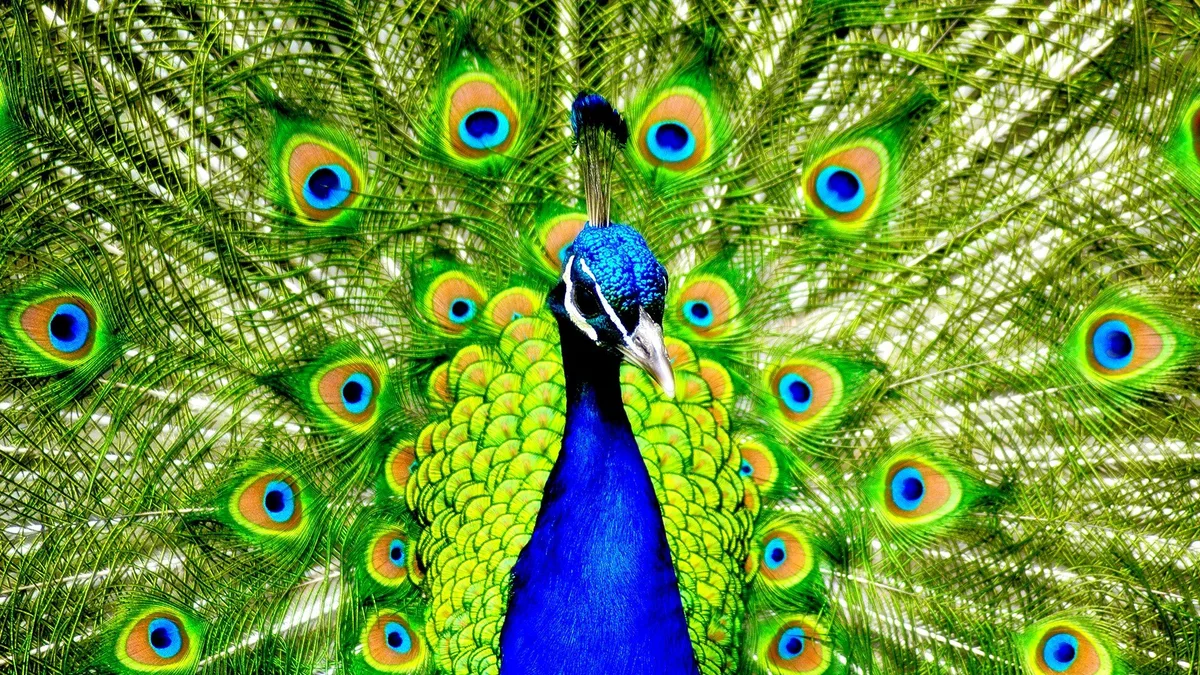
Image source: Web (Bing) / wall.alphacoders.com (Web image (fair-use with source credit))
Quick Answer
Bird mating behavior is the courtship displays birds use to attract mates. These include visual displays like tail fanning, elaborate flights, and vocal songs. Most species show distinct courtship behavior during breeding season.
Females evaluate males using these displays to assess genetic quality. Recognizing visual courtship cues helps track breeding populations.
Why Bird Courtship Displays Look So Wild (And Why You Need to See Them to Understand)
Bird courtship displays evolved through sexual selection. Darwin described the mechanism in 1871. Males compete for female attention through ornamentation, song, and physical performance.
The core principle here is honest signaling. Females prefer traits that indicate real genetic quality. The Hamilton-Zuk hypothesis from 1982 showed that bright plumage and elaborate courtship displays often signal parasite resistance and overall health.
Visual displays dominate courtship in many species. Some, like the nightingale, rely almost entirely on vocal performance. Others, like birds of paradise, use dramatic physical movement and vivid coloration.
The Cornell Lab of Ornithology has cataloged these behaviors across thousands of species at birds.cornell.edu.
Why do these displays look so extreme? Because exaggeration helps females distinguish strong males from average ones. A slightly brighter tail or a more complex flight pattern can mean the difference between being chosen and being passed over.
As of 2026, behavioral ecology research confirms what birdwatchers already know. Spring and early summer produce the most dramatic courtship activity in most temperate regions. If you wonder why males outnumber females at certain display sites, that's breeding strategy at work.
The 6 Courtship Display Types and Exactly What Visual Cues to Look For
Birds use six main courtship display types. Knowing which type you're seeing makes identification much easier.
| Display Type | Visual Cues | Example Species |
|---|---|---|
| Tail fan | Full tail spread, symmetry, ocelli | Peafowl |
| Aerial flight dance | Spirals, dives, undulating patterns | Albatross, sandhill crane |
| Vocal mimicry | Songs imitating other species | Lyrebird, mockingbird |
| Bower building | Structured stick or decorated platform | Bowerbirds |
| Courtship feeding | Male brings food to female | Bald eagle, osprey |
| Plumage flash | Sudden ruffling, puffing, or color reveal | Birds of paradise, manakin |

Image source: Bing (Web (fair-use with source credit))
The red-capped manakin's moonwalk is one of the most studied visual courtship displays. Males perform quick lateral slides on branches. Each slide lasts seconds but repeats dozens of times per day during breeding season.
Females watch from nearby before choosing a mate.
Look for these cues when you're out in the field. Tail fans appear symmetric and deliberate. Flight dances follow repeatable patterns.
Vocal mimicry matches other species you've heard locally. Recognizing the type narrows down your options fast.
How to Tell Courtship From Aggression, Feeding, or Territorial Chasing
Courtship and aggression can look similar from a distance. The differences show up in body language, speed, and context.
If the display involves rapid chasing with aggressive pecking, it's likely territorial. Males defending nesting sites pursue intruders with force. The victim usually flees immediately.
Courtship, by contrast, is more controlled. A male approaching a female with a food gift slows down. He tilts his body, raises his crest, or spreads his tail in a deliberate sequence.
If you see food transfer after the chase, that's courtship feeding.
Timing helps too. Most courtship peaks in spring or early summer when hormone levels spike. Territorial aggression can happen year-round but intensifies just after breeding begins.
Federal survey teams at the U.S. Fish and Wildlife Service rely on these behavioral cues when assessing breeding populations. Context, speed, and the presence of food or nest sites are the three biggest clues.
Spend time watching a single species over several days. Patterns become obvious once you've seen the same behavior a dozen times.
Breeding Plumage vs. Non-Breeding Plumage: The Visual Identification Guide
Many species look like entirely different birds depending on the season. Breeding plumage, also called nuptial plumage, is brighter, more colorful, and more elaborate. It appears just before and during mating season.

Image source: Web (Bing) / digitaldeliverygroup.org (Web image (fair-use with source credit))
Non-breeding plumage, sometimes called basic plumage, is duller and more camouflaged. Males often look like females during this period. This makes identification confusing for birdwatchers who visit outside breeding season.
Ducks show this clearly. Male mallards display bright green heads in breeding season. After molting into eclipse plumage, they look brown and drab, similar to females.
Many warblers, like the yellow warbler, show more vivid yellow and red streaking during breeding season. Cedar waxwings lose their distinctive crests and tail streamers afterward.
To identify a bird correctly, check the date. Spring through early fall is prime breeding plumage season in the Northern Hemisphere. Outside that window, don't assume a dull bird is a female.
It might just be a male in non-breeding plumage.
Molting typically begins after breeding ends. Some species take weeks to transition. Others, like many waterfowl, molt rapidly over a short period.
What Female Birds Actually Look For When Choosing a Mate
Female birds are the primary choosers in most species. This is called intersexual selection, and it's the driving force behind most elaborate male courtship displays.
Research shows females evaluate several things. The first is honest signaling of genetic quality. Males with brighter plumage, more symmetrical feathers, or larger ornaments often carry better genes.
A second factor is direct benefits. Males that can defend good territory, bring food, or share incubation duties offer immediate rewards. Females frequently assess territory quality alongside male displays.
Third, genetic compatibility plays a role. Studies on MHC (major histocompatibility complex) genes suggest that some females choose mates whose immune system profiles complement their own. This increases offspring survival.
The Cornell Lab's ornithological research highlights that female choice isn't random. It's a systematic evaluation shaped by millions of years of selection pressure.
For birdwatchers, this explains why you see clusters of females at specific locations. They're not just resting. They're evaluating.
Every display, every food offer, every territorial chase is part of the decision-making process.
The Best Species and Locations to Catch Courtship Displays in Action
Sage grouse attend leks from March through May across Wyoming and Colorado's high plains. Males puff their chests and strut at the same display grounds year after year. Dawn is when the action peaks.
Visitor centers near these leks often offer guided viewing opportunities.
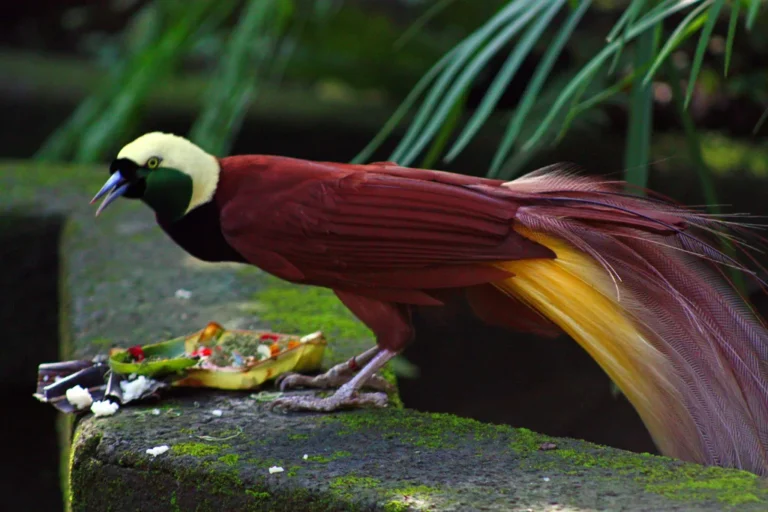
Birds of paradise put on shows in New Guinea's rainforests from July through December. Greater birds of paradise extend their tails into sweeping arcs during courtship flights.
In Australia, lyrebirds mimic other species while fanning their tails during spring breeding season. Sandhill cranes perform pair dances across North American wetlands from February through April.
Albatrosses court over open ocean through winter and spring. Look for aerial spirals and bill-clattering near nesting colonies on remote islands.
Coastal wetlands bring plovers and sandpipers into straight-line dash displays during spring. American avocets perform paired spinning dances on the water's surface.
Red-capped manakins display in Central American and South American forests from December through March. The moonwalk happens on low branches where females watch from nearby perches.
Match your trip to the peak breeding window for the species you're targeting. Breeding activity typically aligns with the longest days of spring. Photoperiod changes trigger gonadal development, which drives courtship behavior directly.
Mistakes to Avoid and Ethical Boundaries When Watching Mating Birds
The biggest mistake we see is disrupting courtship displays with playback audio. Playing a male's mating call to attract females for a photo op disturbs breeding pairs and can cause nest abandonment.
Federal law under the Migratory Bird Treaty Act prohibits disturbing nests and nesting birds. Most states set minimum approach distances that range from 25 to 100 feet depending on species.
Another common error is confusing juvenile plumage with female plumage. Young males often look like females until they reach breeding age. Check field guides for age markers before assuming you're looking at a female.
Walking through leking grounds is another problem. Male sage grouse and other lek species are highly sensitive to human presence during display season. Approach leking areas only from designated observation points.
Photographers should avoid artificial stimuli entirely. No flash bursts near nests. No food baiting.
No repeated approaches to the same display site. Patience and distance produce better results anyway.
Many birdwatchers also rush the identification process. If you're unsure whether a bird is courting or chasing, stay still and observe for several minutes. Patterns become clear over time, but snap judgments lead to wrong IDs and bad reports.
Frequently Asked Questions
When do birds start mating behavior?
Most temperate species begin courtship in early spring when daylight hours increase. The photoperiod trigger causes gonadal hormones to spike, which drives courtship displays. Tropical species may breed year-round.
The exact timing depends on species, latitude, and local climate.
How do birds decide on a mate?
Females evaluate male displays, plumage quality, territorial strength, and genetic compatibility. The process can take days or weeks. Females typically visit multiple display sites before making a final choice.
What does extra-pair mating mean?
Some socially monogamous species mate with partners outside their pair bond. Rates vary from 5 to over 80 percent of offspring depending on species. Extra-pair copulation occurs in both sexes, though male extra-pair mating is more frequently studied.
Can you attract birds with courtship calls?
No. Playing mating calls to provoke displays is harmful and often illegal. It disrupts breeding pairs and can cause nest abandonment.
Federal and state wildlife regulations discourage or prohibit this practice in many regions.
How long does a bird pair bond last?
It varies widely by species. Albatrosses and swans often bond for life. Many passerines switch mates annually.
Some species divorce and re-pair within the same breeding season. Site fidelity influences long-term pairing.