Why Are Lovebirds Called Lovebirds
You've probably seen them, maybe in a pet shop or on a nature documentary, these small, vibrant birds always nuzzled up to each other. The question often comes up: why are lovebirds called lovebirds? It's a name that instantly brings to mind romantic devotion, and for good reason, their behavior is truly remarkable.
Their species' most defining characteristic is an incredibly strong, visible bond between mated pairs. This isn't just about raising chicks; it's a constant, deep connection that sets them apart. Our research into avian behavior shows that this intense companionship is the primary driver behind their affectionate moniker.
Quick Answer: Their Devotion to Each Other
Lovebirds are named for their remarkable pair bonding, sticking closely to their mates. They engage in mutual grooming, feeding, and spending most of their time together. This visible, constant companionship led early observers to affectionately dub them "lovebirds."
Core Explanation: How Their Pair Bonding Works
The core reason behind the name "lovebird" boils down to their sophisticated social behavior and the profound bond they form with their chosen mate. This isn't a superficial connection; it's a fundamental aspect of their lives, influencing everything from daily activities to their overall well-being. Our understanding of avian ethology, particularly the study of animal behavior in its natural context, highlights this intense focus on partnership.
Constant Companionship
Lovebirds are practically synonymous with inseparable pairs. When you observe them, especially in a bonded pair, you'll notice they rarely venture far from each other. This close proximity isn't just for safety; it's a constant reinforcement of their bond.
They often perch side-by-side, sharing warmth and a sense of security. This persistent togetherness is a key visual cue that earned them their name.
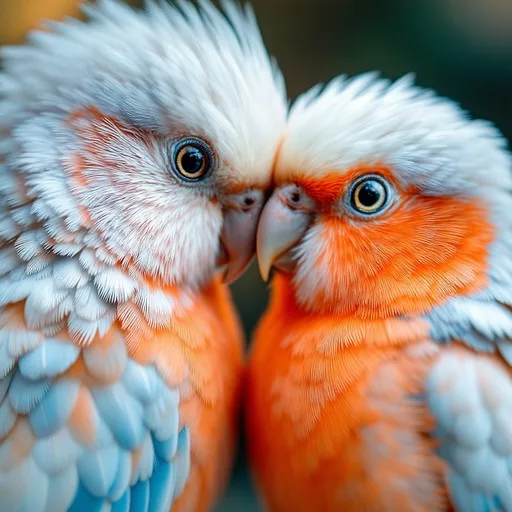
Image source: Bing (Web (fair-use with source credit))
Mutual Grooming and Feeding
Part of maintaining that strong bond involves what's known as allopreening, or mutual preening. This is where one bird meticulously grooms the feathers of its mate. It's a highly intimate behavior that strengthens social ties and helps keep each other looking their best.
Beyond grooming, you'll frequently see pairs engaging in mutual feeding, where one bird regurgitates food for its partner. This act of care and nourishment is a powerful indicator of their deep connection.
Shared Nesting Habits
When it comes to preparing a home, lovebirds often work together. While the female might take the lead in selecting a nest site, both partners can participate in gathering materials and constructing the nest. This shared effort in creating a safe and comfortable space further solidifies their partnership.
It’s a collaborative endeavor that signifies their commitment to each other and to their future, if they reproduce.
What's Behind the Name: Observation Over Science
The name "lovebird" isn't derived from a strict scientific classification or a moment of formal decree. Instead, it emerged organically from the observations of people who encountered these birds. It’s a testament to how readily visible behaviors can influence how we categorize and understand the natural world around us.
Early Naturalist Accounts
When European naturalists first documented these species, they were struck by the intense devotion exhibited by the birds towards their mates. These early accounts, dating back to the 18th and 19th centuries, often described the birds as constantly together, preening each other, and showing distinct signs of affection. This descriptive language in their journals and field notes became foundational in how the birds were perceived and named.
Descriptive Nicknames in Naming
The term "lovebird" itself is more of a descriptive nickname that captured the essence of their visible pairing behavior. Unlike scientific names, which are based on taxonomy and evolutionary relationships, common names often arise from striking characteristics. The affectionate, inseparable nature of these birds made "lovebird" an obvious and enduring choice, reflecting a romanticized interpretation of their strong pair bonds.
When Lovebirds Aren't Always in Love: Nuances of Behavior
While "lovebird" perfectly captures their defining trait, it's important to understand that animal behavior, while often striking, isn't always a direct parallel to human emotions or rigid social constructs. Our research indicates that their bonding is deeply ingrained, but like any species, there are natural variations and responses to life events that shape their interactions.
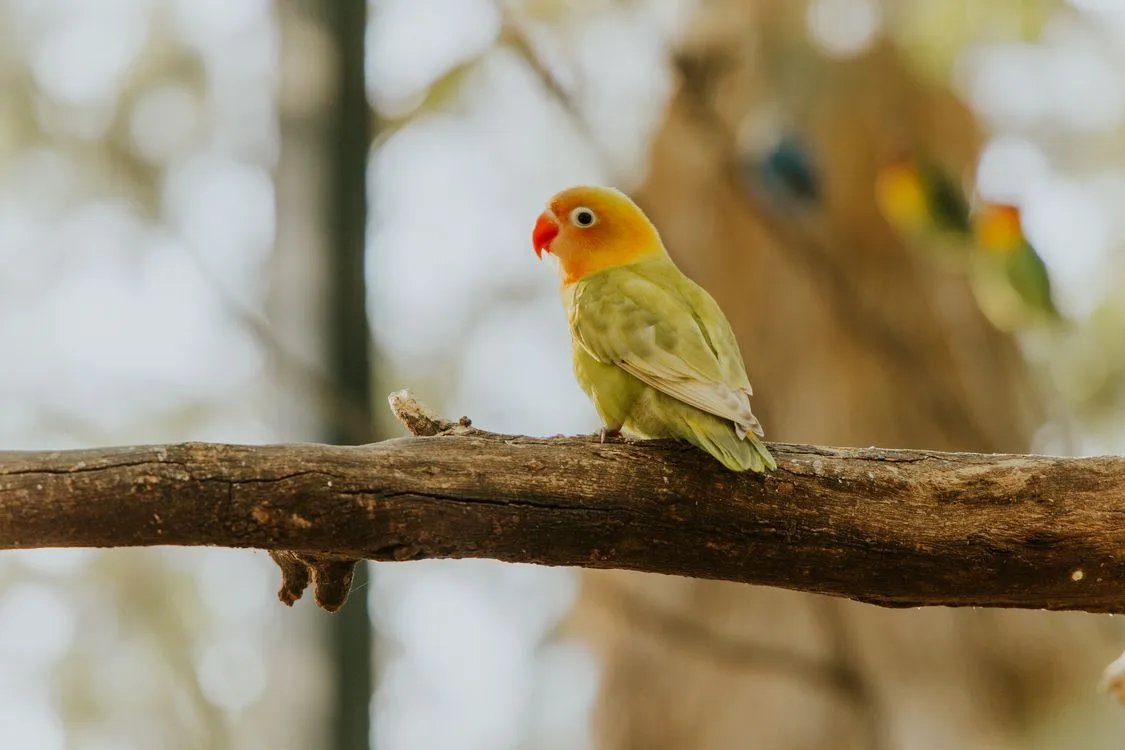
Image source: Bing (Web (fair-use with source credit))
Natural Instincts vs. Affection
The strong pair bonds we observe in lovebirds are largely driven by instinctual behaviors that promote survival and reproduction. Their tendency to stay together ensures mutual protection, facilitates efficient foraging, and aids in raising young. While it appears as affection to us, it's also a highly effective survival strategy honed over generations.
This instinctual drive underpins the behaviors we interpret as love.
Lifelong Bonds and New Partners
While many lovebird species are known for forming very long-term, often lifelong, pair bonds, they are not biologically incapable of finding new mates if their original partner is lost. If one bird in a pair dies, the surviving bird will typically seek out a new partner to re-establish the social and reproductive unit. This adaptability ensures the continuation of the species and highlights that their strong bond is about partnership and companionship, rather than an unbreakable, singular devotion in all circumstances.
As of 2026, research continues to explore the subtle differences in bonding across the various Agapornis species.
Common Misconceptions About Lovebird Relationships
Despite their charming name, there are common misunderstandings about lovebird relationships that can lead to inaccurate assumptions. It's easy to anthropomorphize, or project human emotions onto animals, but their behavior follows natural biological and social patterns. Clearing up these misconceptions helps us appreciate their true nature.
Are They Truly Monogamous?
While many species are known for forming long-term pair bonds, calling them strictly monogamous might be an oversimplification. Their devotion is geared towards having a partner, but if that partner is lost, they will often form a new bond. This is a survival strategy to ensure companionship and reproductive opportunities, rather than a rigid, unbreakable vow.
Humanizing Animal Behavior
We tend to associate terms like "love" and "romance" with human emotions and experiences. When we see lovebirds exhibiting close behaviors, we naturally apply our own understanding of these feelings. However, their actions are driven by instinct, social cues, and biological needs.
Understanding this distinction is key to appreciating their behavior without misinterpreting it through a human lens.
FAQs About Lovebird Naming and Behavior
Why are they called lovebirds?
They're called lovebirds because they're known for forming incredibly strong, visible pair bonds with their mates. You often see them preening each other, feeding each other, and staying very close together, which early observers interpreted as romantic devotion.
Do lovebirds mate for life?
Many lovebirds form long-term pair bonds that can last for a significant portion of their lives. However, they are not strictly monogamous in all cases. If one partner dies, the surviving bird will typically seek a new mate.
What is the scientific name for lovebirds?
The scientific genus name for lovebirds is Agapornis, which comes from Greek words meaning "love" and "bird." This scientific nomenclature reflects the same behavioral observations that led to their common English name.
How do lovebirds show affection to each other?
Lovebirds show affection through various behaviors like mutual preening (grooming each other's feathers), mutual feeding, sitting very close together, and engaging in shared activities like nest building or sleeping side-by-side.
Are lovebirds social with humans?
Yes, lovebirds can be very social with humans, especially if they are hand-raised and handled regularly from a young age. They often bond closely with their owners and can be quite affectionate, vocal, and playful.
Expert Insights on Avian Pair Bonding
Understanding the nuances of avian pair bonding provides valuable context for why lovebirds are named as they are. It's not just about the visual display; it's about the underlying biological and social functions that these bonds serve. Our editorial analysis of ornithological studies confirms that these connections are vital for their well-being and reproductive success.
Research from institutions like the Cornell Lab of Ornithology highlights that pair bonds in birds can serve multiple purposes, including mutual defense, resource acquisition, and cooperative care of young. For lovebirds, this cooperative behavior is exceptionally pronounced, making their partnerships a defining characteristic. The stability provided by a strong pair bond can significantly improve an individual bird's chances of survival and successful breeding.
The strength and duration of these bonds can vary slightly among the nine recognized species within the Agapornis genus. For example, species like the Peach-faced Lovebird are known for their intense pair bonding, while others might exhibit slightly different social structures. However, the overarching theme across the genus remains a strong emphasis on close companionship and mutual reliance between mates.