What Do Wrens Eat
Ever wonder what goes on in the tiny tummy of a wren? These energetic little birds are a common sight in gardens and woodlands, but their diet can be a bit of a mystery. Understanding what do wrens eat is key if you're trying to attract them or just appreciate their busy lives.
For backyard bird watchers and nature enthusiasts, knowing a wren's preferred foods can transform your garden into a haven for these fascinating creatures. It’s not just about scattering seed; it’s about providing the right kind of sustenance that wrens naturally seek out.
Quick Answer
Wrens primarily eat insects and other small invertebrates like spiders, caterpillars, and beetles. They also supplement their diet with berries and seeds, especially during colder months. Their foraging behavior involves actively searching for prey in foliage, bark crevices, and on the ground.
What Wrens Are Actually Munching On
Wrens are primarily insectivorous, meaning their diet heavily relies on insects. This isn't just a casual preference; it's a fundamental part of their survival and reproductive success. They're natural pest controllers, and their constant foraging helps keep insect populations in check around gardens and natural habitats.
Our research indicates that different wren species might have slightly varied preferences, but the core diet remains consistent. For instance, species like the House Wren (Troglodytes aedon) are known to consume a wide array of arthropods. A study by the Cornell Lab of Ornithology highlights that over 85% of the diet for some wren species consists of insects and spiders.
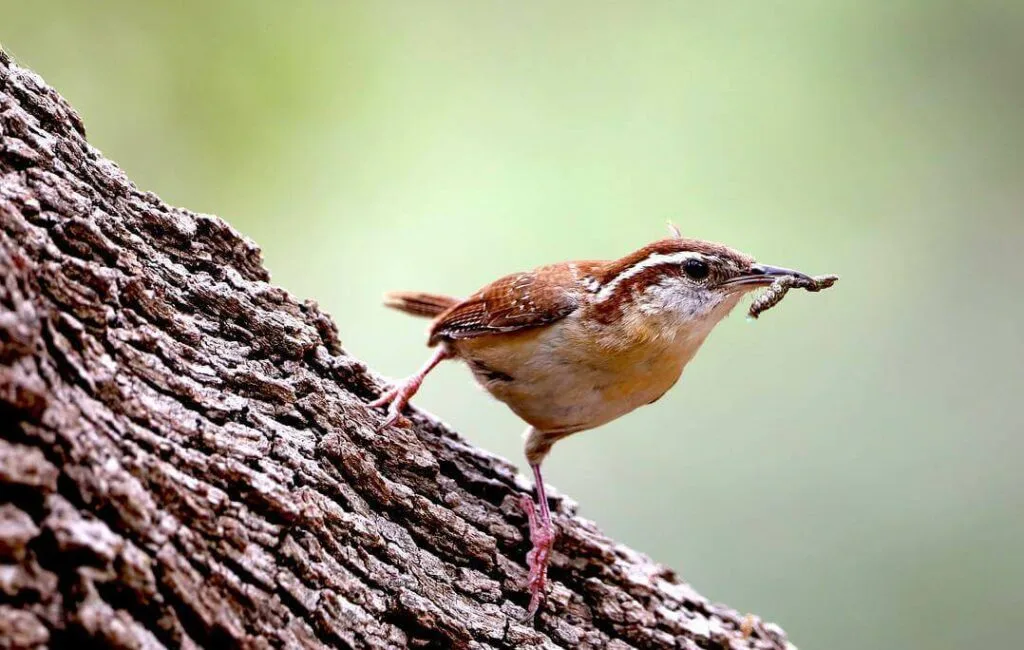
Image source: Bing (Web (fair-use with source credit))
This reliance on insects means that the health of local insect populations directly impacts the wren population. Factors like pesticide use and habitat loss can have a significant effect on what's available for them to eat.
Seeing Is Believing: A Wren's Feast Through Your Window
Watching a wren forage is like observing a tiny, feathered detective at work. They don't just peck at food; they actively hunt, flitting through bushes, probing into nooks and crannies, and sometimes even hanging upside down to get to a tasty morsel. This visual aspect is crucial for understanding their dietary needs.
What Wrens Look For in a Meal
When a wren is on the hunt, it’s looking for small, protein-rich items that it can easily handle. Their eyesight is sharp, and they’re incredibly agile, allowing them to spot even tiny insects camouflaged on leaves or bark. They tend to favor prey that is readily available in their immediate surroundings.
The type of food they seek can also depend on the time of year and what’s hatching or most abundant. During the spring and summer, insects are plentiful, and wrens are busy raising young, so a high-protein diet is essential for energy and growth.
Spotting the Snack: Insects, Spiders, and More
The bulk of a wren's diet comes from the invertebrate world. This includes a huge variety of small creatures. You'll often see them pecking at:
- Spiders: A favorite food source, especially orb-weavers and jumping spiders.
- Caterpillars and Larvae: Soft-bodied larvae of moths and butterflies are highly nutritious.
- Beetles: Both adult beetles and their grubs are on the menu.
- Grasshoppers and Crickets: Larger, but still manageable, prey.
- Ants and Flies: Small but frequent snacks.
- Earwigs and Millipedes: Common finds in garden debris.
Their method of catching prey is often by gleaning, where they meticulously search surfaces like leaves, stems, and branches. They’ll also probe into holes and under bark. Sometimes, they’ll even catch insects in flight, though this is less common than ground or surface foraging.
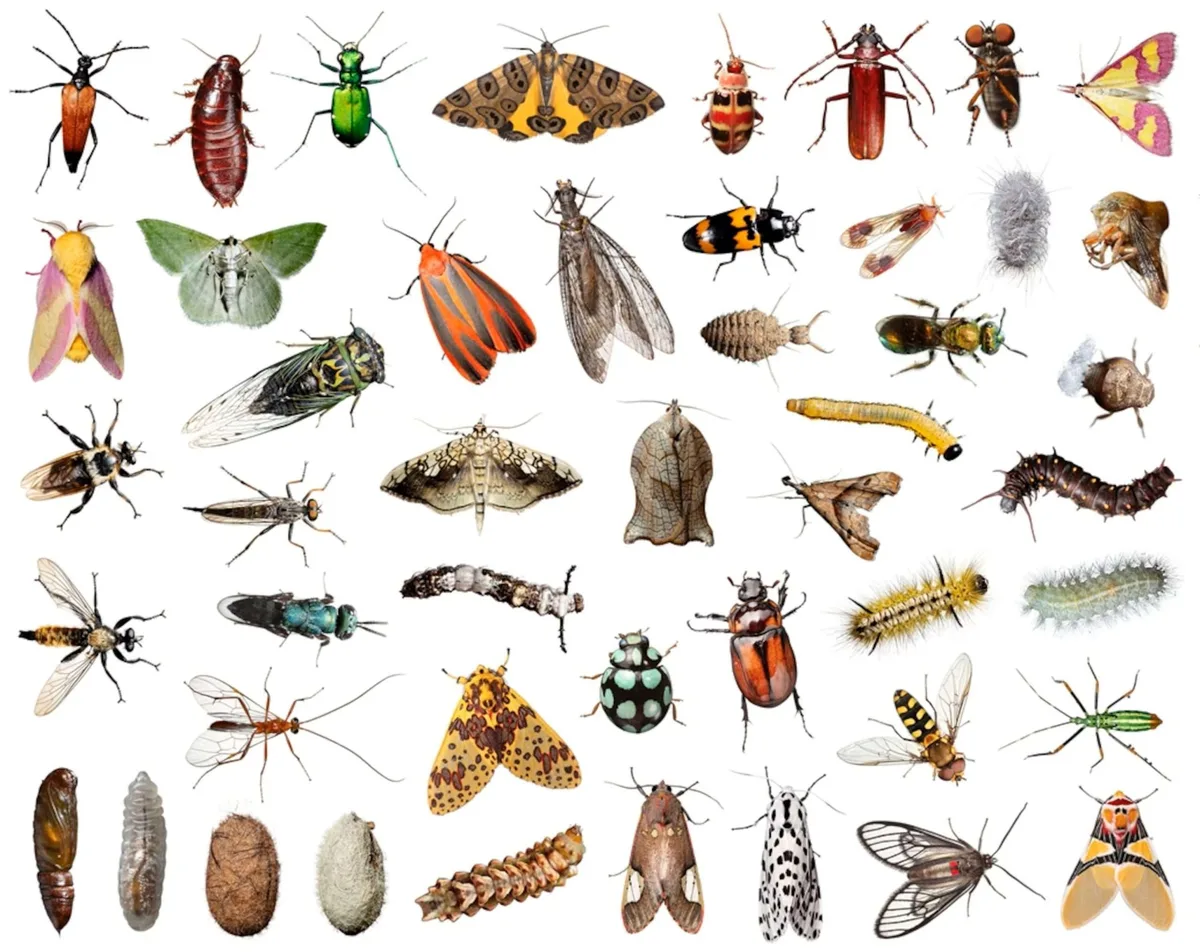
Image source: Bing (Web (fair-use with source credit))
Not Just Bugs: Berries and Seeds in Their Diet
While insects are their primary food, wrens aren't strictly vegetarian or insectivore. They are considered omnivorous, meaning they will consume plant matter when available and beneficial. This is especially true when insect populations dwindle, such as during harsh winters or dry spells.
Berries are a particularly important plant-based food source. Small, soft berries are easy for wrens to swallow whole or in pieces. You might see them feeding on:
- Wild berries: Like elderberries, serviceberries, or wild strawberries.
- Ornamental berries: From shrubs planted in gardens.
Seeds can also be part of their diet, though they generally prefer smaller seeds that are easier to handle. They might find these on the ground or in seed heads of certain plants. However, seeds are typically a secondary food source compared to insects.
Beyond the Obvious: Seasonal Shifts in Wren Menus
Just like us, wrens adjust their eating habits based on what's available throughout the year. Their diet isn't static; it's a dynamic response to the changing seasons and the environment. This adaptability is crucial for their survival, especially in regions with distinct weather patterns.
During the warmer months, from spring through early fall, insect life is abundant. Caterpillars, beetles, spiders, and other invertebrates are readily available. Wrens, especially those breeding and raising young, capitalize on this protein-rich bounty.
Chicks in the nest require a constant supply of insects to grow quickly.
As temperatures drop and insect activity decreases significantly in late fall and winter, wrens often turn to other food sources. This is when berries become a vital part of their diet. You might notice them visiting berry-producing shrubs more frequently.
Small fruits and seeds can provide necessary energy and nutrients when their preferred insect prey is scarce. Some species might even visit bird feeders more often during these leaner times, seeking out suet or seed mixes if available.
The United States Department of Agriculture (USDA) provides information on native plant species that offer food for wildlife, including many berry-producing plants that are beneficial for wrens during the colder months. Understanding these seasonal shifts helps us appreciate the natural cycles that influence what wrens eat and how we might support them.
Feeding Wrens: What to Offer and What to Skip
You can certainly help out your local wrens by providing supplemental food, especially during the colder months when natural food sources become scarce. The key is to offer items that are nutritious and mimic their natural diet as closely as possible. This means focusing on protein and fat-rich options that are easy for their small bodies to digest.
When setting up a feeding station, consider placement. Feeders should be in a location that offers some protection from predators, like near shrubs or trees where wrens can quickly take cover. Regular cleaning of feeders is also crucial to prevent the spread of diseases.
A dilute bleach solution (1 part bleach to 9 parts water) followed by thorough rinsing works well. This practice is often recommended by bird conservation organizations to maintain bird health.
What Wrens Prefer in Feeders
Wrens aren't typically seed feeders like finches or sparrows. Their preference leans heavily towards foods that offer high energy and protein.
- Suet: This is perhaps the most popular supplemental food for wrens, especially in winter. Pure suet cakes, or those with added insects or corn, are excellent. Avoid suet mixes with excessive fillers like breadcrumbs.
- Mealworms: Offering live or dried mealworms is a fantastic way to attract wrens. They are a direct substitute for many of the insects they eat naturally and provide essential protein.
- Peanut Butter Mixes: A paste made from unsalted, unsweetened peanut butter mixed with cornmeal or oatmeal and thinned with a little water can be a good energy source. Ensure it’s not too sticky and is offered in moderation.
These foods are best provided in feeders specifically designed for them, such as suet cages or small hopper feeders, or on a platform feeder where they can easily access them.
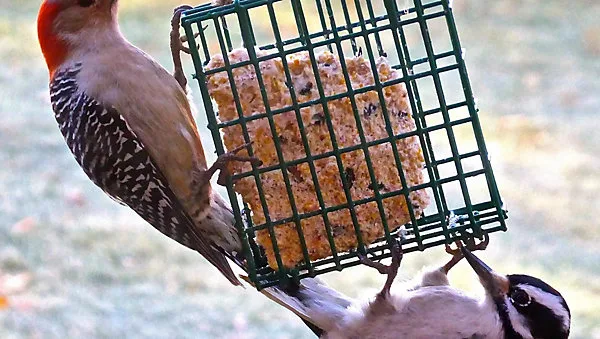
Image source: Bing (Web (fair-use with source credit))
What NOT to Offer Wrens
Just as important as knowing what to feed wrens is knowing what to avoid. Some foods can be harmful, even deadly, to these small birds.
- Bread and crackers: These processed grains offer very little nutritional value. They can fill a wren’s stomach, making them feel full without providing the energy they need to survive, especially in cold weather.
- Salty or seasoned foods: Birds have sensitive systems. Salt is toxic, and spices can cause internal distress. Any leftovers from your plate that are seasoned or salted should be kept far away from bird feeders.
- Large seeds or nuts: Wrens have small beaks and digestive systems. Large sunflower seeds or whole nuts are difficult for them to crack and digest, so it's best to stick to smaller options if seeds are offered.
- Moldy or spoiled food: Always check food for mold or spoilage before offering it. Contaminated food can cause serious illness in birds.
It’s always better to offer a few high-quality, appropriate food items than to put out a large quantity of unsuitable food. If you're unsure, stick to natural offerings or commercially prepared bird foods specifically designed for insectivorous birds.
Garden Smarts: Creating a Wren's Buffet
Creating a wren-friendly garden goes beyond just putting out food. It’s about cultivating an environment that naturally supports their feeding habits and provides them with the resources they need year-round. Think of your garden as a micro-ecosystem designed to attract and sustain these busy birds.
A key element is planting native species that offer natural food sources. Berry-producing shrubs are particularly valuable. Examples include serviceberries (Amelanchier spp.), elderberries (Sambucus spp.), and dogwoods (Cornus spp.).
These plants provide readily available fruit, especially crucial during the fall and winter when insect populations decline. By choosing native plants, you're also supporting local insect life, which wrens rely on heavily.
Beyond berry bushes, consider plants that attract insects. A diverse garden with a variety of flowering plants, native grasses, and even a small area of undisturbed leaf litter can host a thriving population of insects. This includes caterpillars, beetles, spiders, and flies, all staples in a wren’s diet.
Even a shallow water feature, like a bird bath, can be a draw, attracting insects and providing wrens with drinking and bathing opportunities. The goal is a self-sustaining habitat that appeals to their natural foraging behaviors.
Common Slip-Ups When Trying to Help Wrens
Many well-meaning people want to help birds, but sometimes, the best intentions can lead to unintended problems. When it comes to feeding or attracting wrens, a few common mistakes can actually do more harm than good. Understanding these pitfalls is just as important as knowing what they do eat.
One of the biggest mistakes is offering processed, human foods. As mentioned, bread, crackers, and other baked goods are essentially empty calories for birds. They lack the essential nutrients wrens need and can lead to malnutrition if they become a significant part of their diet.
It’s tempting to throw out scraps, but stick to specialized bird foods or natural offerings.
Another common error is incorrect feeder placement or type. If feeders are too exposed, they can make wrens vulnerable to predators like cats or larger birds. Also, using feeders that are difficult for small birds to access, or that overflow with food they can't eat, can be problematic.
Too much food left out, especially in wet weather, can also spoil and become a source of harmful mold or bacteria. This is why regular cleaning is paramount for any feeder you choose to use.
Over-reliance on feeders can also be an issue. While supplemental feeding can be a lifesaver in winter, it shouldn't replace the natural foraging opportunities your garden can provide. If your garden doesn't offer natural insect and berry sources, wrens might become overly dependent on feeders, which may not always be available or suitable year-round.
The ideal scenario is a garden that naturally attracts insects and provides native plants for a balanced diet.
Frequently Asked Questions About Wren Diets
How much do wrens eat daily?
Wrens eat a significant portion of their body weight each day, especially during the breeding season and winter. Their high metabolism requires constant foraging for insects and other food sources to maintain energy levels.
Can wrens eat bread?
No, wrens should not eat bread. Bread offers very little nutritional value and can lead to malnutrition if it becomes a regular part of their diet. It’s best to avoid offering any human-processed baked goods.
What is the best food to attract wrens?
The best foods to attract wrens are those mimicking their natural diet: suet, mealworms (live or dried), and sometimes unsalted peanut butter mixed with cornmeal. Berries are also a natural attractant.
Do wrens eat seeds?
While seeds are not a primary food source for wrens, they may consume small seeds like millet or Nyjer if other food is scarce. Their diet is predominantly insectivorous.
Is it okay to feed wrens year-round?
Yes, you can offer supplemental food year-round, but it's most beneficial during the breeding season and the harsh winter months. During spring and summer, natural insect availability is typically high, so feeders are less critical unless conditions are poor.