Why Do Pelicans Have Large Bills
Ever wondered about the incredible, oversized bills on pelicans? They're not just for show; these magnificent structures are finely tuned tools that help these birds survive and thrive. We've all seen them, and the question naturally arises: why do pelicans have large bills?
Their bills, especially the distinctive gular pouch, are surprisingly complex and serve several crucial functions, from catching food to managing body temperature. These adaptations are a testament to millions of years of evolution, shaping these water-loving birds into highly efficient specialists. Let's dive into the fascinating anatomy and purpose behind that famous pelican bill.
Quick Answer
Pelicans have large bills primarily for scooping up fish from the water and carrying them to feed their young. The expandable gular pouch acts like a net. Their bills also play a role in thermoregulation, helping them release excess body heat like a radiator in warmer climates.
The Pelican Bill: More Than Just a Big Mouth
That enormous bill you see on a pelican isn't just for looks. It's a sophisticated piece of biological engineering. At its core, the bill is made of a bony framework covered by a keratin sheath, similar to your fingernails.
Attached to the lower mandible is the most striking feature: the gular pouch. This is a large, flexible sac that can expand significantly.
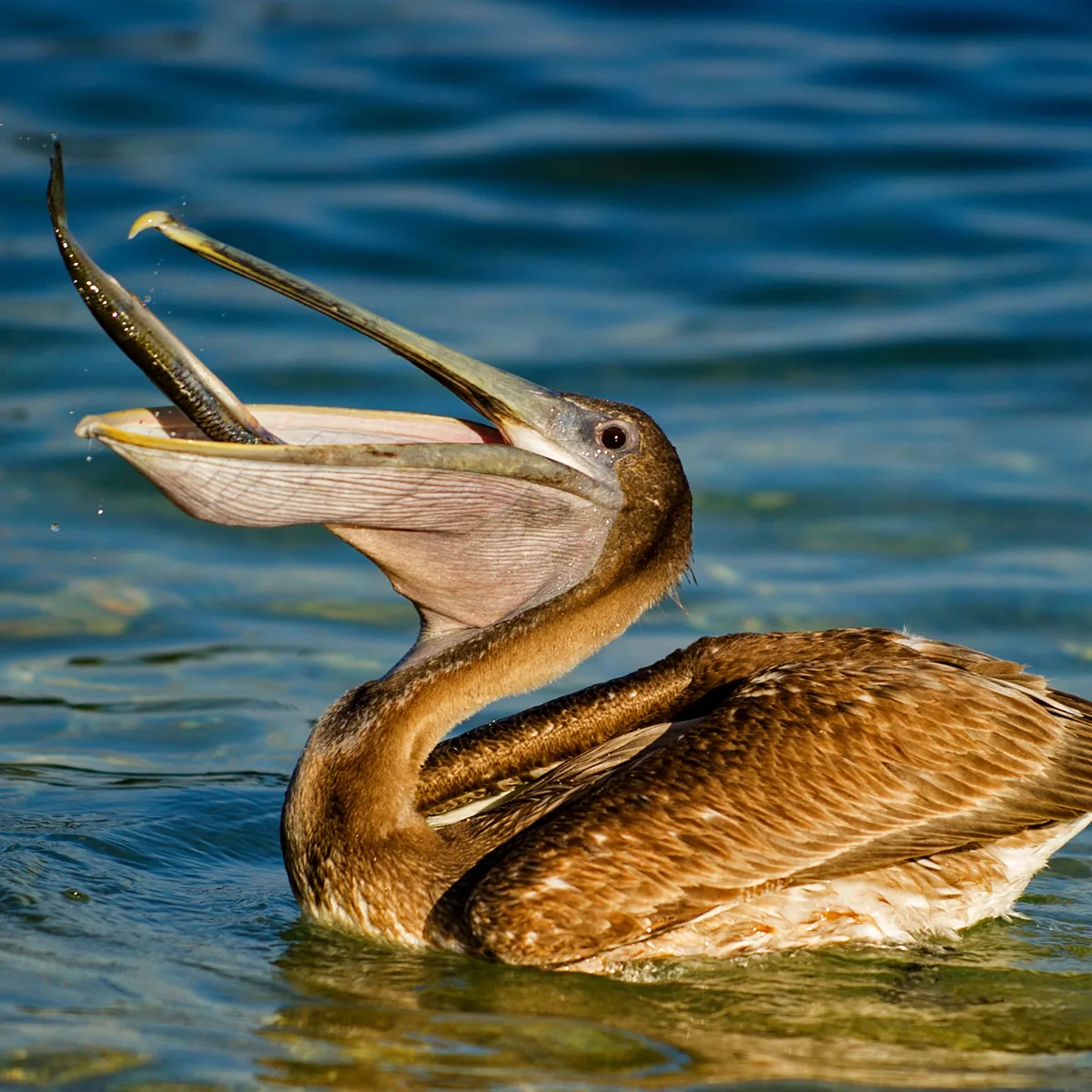
Image source: Web (Bing) / aboutanimals.com (Web image (fair-use with source credit))
When a pelican spots prey, its bill and pouch work in tandem. It plunges its bill into the water, using the pouch to scoop up not just fish but also water. Then, it tilts its head back, letting the water drain out through a serrated edge on the bill, leaving the fish or other edibles behind.
This process is incredibly efficient for capturing slippery, fast-moving aquatic prey.
What's So Special About the Gular Pouch?
The gular pouch is the real star of the show when it comes to the pelican's bill. This isn't just a floppy bag; it's a highly elastic, muscular structure capable of stretching to hold an impressive amount of food. Our research indicates that the pouch of a large pelican species, like the American White Pelican, can hold up to three gallons of water and fish.
That's a significant capacity for an animal of its size!
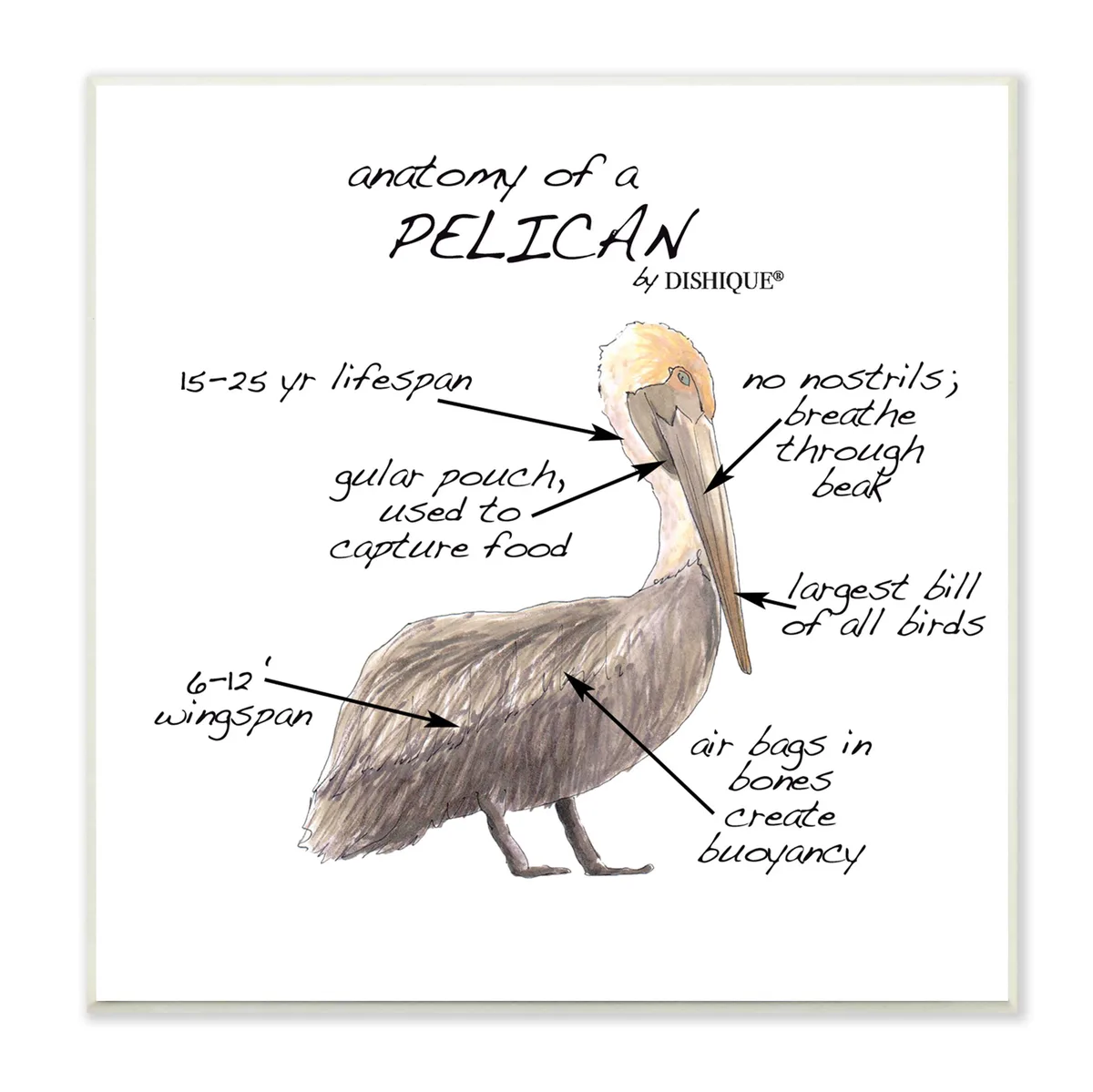
Image source: Web (Bing) / wayfair.ca (Web image (fair-use with source credit))
Think of it like a built-in fishing net and storage bag combined. The flexibility allows pelicans to adapt their scooping technique based on the size and type of prey. They can also use the pouch to gently transport their catch back to their nest to feed their hungry chicks.
This ability is crucial for successful parental care, ensuring the next generation gets the nourishment it needs. The serrated edges along the bill's sides are also a key feature, acting like little strainers to help expel water while keeping the food inside.
How Pelicans Use Their Bills to Catch Lunch
Catching food is, of course, the primary job of that massive bill. Pelicans employ a couple of main strategies, and their bills are perfectly adapted for each. The most well-known method is "dipping" or "scooping." This involves the pelican gliding across the water's surface, often in groups, to herd schools of fish.
As the fish are driven together, the pelican suddenly thrusts its bill downwards, scooping up as much as possible. The large pouch expands to hold the catch. Then, it brings its head up, tilts its bill forward, and uses gravity and a bit of muscle to drain the water out.
The fish, unable to escape the bill's shape and the pouch's depth, are left ready to be swallowed.
Another method, used by some species, involves shallow diving. They'll dive from the surface, or from a low flight, submerging their head and neck to grab fish. The hooked tip of the pelican's bill can also be useful for snagging prey, preventing it from escaping once caught.
These hunting techniques highlight how the bill's size, shape, and the pouch's capacity are perfectly honed for aquatic hunting.
Beyond Fishing: Other Cool Uses for the Pelican Bill
While fishing is certainly number one, the pelican's bill has a few other surprising tricks up its sleeve. One of the most significant is thermoregulation, essentially, helping the bird cool down. The bill itself is highly vascularized, meaning it has a rich network of blood vessels close to the surface.
Image source: Web (Bing) / pelicanparts.com (Web image (fair-use with source credit))
In hot weather, pelicans can increase blood flow to their bills. Heat from the blood radiates out into the surrounding air, acting much like a radiator in a car. This process helps dissipate excess body heat, preventing the pelican from overheating, especially when it's active or basking in the sun.
This adaptation is particularly important for species living in warmer climates. Beyond this, the bill can also be used for preening and social signaling, though its primary roles are food capture and temperature control.
When a Pelican's Bill Isn't Enough (Or Gets Them Into Trouble)
Even with such a remarkable adaptation, a pelican's bill isn't invincible. The sheer size and the specialized nature of the bill mean it can be susceptible to damage. Injuries from sharp objects in the water, collisions with boats, or aggressive encounters with other animals can lead to fractures or tears.
Our analysis of wildlife rescue reports shows that bill injuries are a common reason for pelicans needing intervention.
If a pelican's bill is significantly damaged, its ability to feed effectively can be severely impaired, potentially leading to starvation. For instance, a damaged gular pouch might not hold water or prey properly, or a broken tip could make grasping food impossible. Beyond direct injury, the bill's importance for thermoregulation means that in extreme heat, if the bill's vascular system is compromised or the bird is otherwise stressed, it can still struggle with overheating.
While the bill is an incredible asset, it also represents a potential vulnerability if it's not in good working order.