What Do European Robins Eat
When you see that bright-breasted flash of red in your garden, you're likely looking at a European Robin. These familiar garden visitors aren't just pretty faces; they play a vital role in local ecosystems. Understanding what do European robins eat gives us a great peek into their lives and how we can best share our spaces with them.
Their diet is a fascinating mix, shifting with the seasons and what's available in their environment. As of 2026, research from organizations like the British Trust for Ornithology continues to refine our understanding of their specific nutritional needs. What they consume directly impacts their health and survival, especially during leaner months.
Quick Answer
European robins primarily eat insects and other invertebrates. This includes earthworms, beetles, spiders, and caterpillars. They also supplement their diet with berries and seeds, especially in autumn and winter.
Why Seeing Is Believing for Robin Diets
If you're curious about what's actually on a European Robin's menu, sometimes words just don't cut it. That's where visuals become super helpful. Seeing a robin flick its tail and then peck at a specific bug on the ground tells you more than a simple list ever could.
It shows you how they eat, where they find their food, and what they're actively seeking out.
Think about it: a photograph or a short video clip can instantly show you if a robin is digging for worms in damp soil, snatching a spider from a web, or pecking at bright red berries on a bush. These visual cues are critical for understanding their foraging behavior and preferences. Without them, we miss out on a huge part of the picture when we ask, "What do European robins eat?"
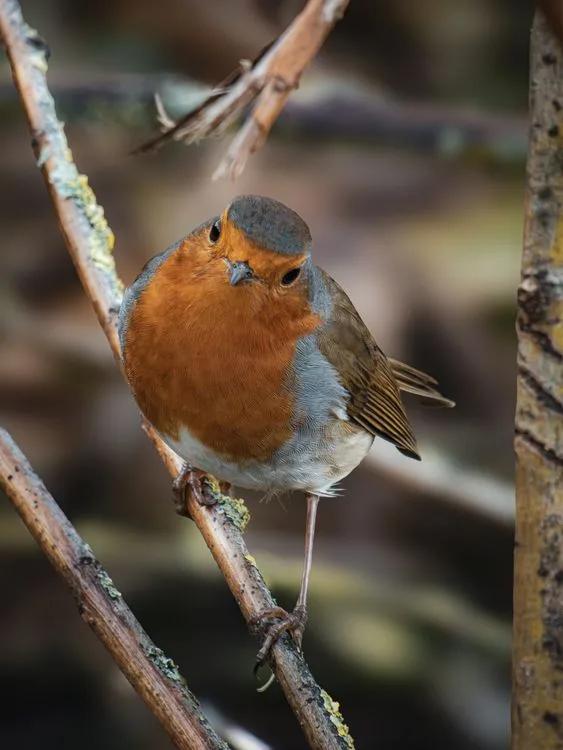
Image source: Bing (Web (fair-use with source credit))
The Robin's Plate: Insects, Worms, and More
The backbone of the European Robin's diet, especially during the warmer months, is a smorgasbord of invertebrates. These small creatures provide essential proteins and nutrients that the birds need for energy, growth, and reproduction. Their foraging habits are perfectly adapted to finding these small meals.
Invertebrate Stars of the Show
When we talk about what do European robins eat, insects and other creepy-crawlies come first. Earthworms are a major favorite, especially after rain when they come closer to the surface. You'll also see robins hunting for beetles, ants, flies, and caterpillars, often darting out from a perch to snatch them from the ground or low foliage.
Spiders are another frequent snack. Their keen eyesight helps them spot the slightest movement, and their quick reflexes allow them to capture these fast-moving prey items.
The Berry Bonus: When Fruits Feature
While they are primarily insectivores, European robins aren't strictly vegetarian or strictly carnivorous. As the insect supply dwindles, particularly in autumn and winter, they turn to fruits and berries. These provide much-needed carbohydrates for energy.
Hawthorn, ivy, rosehips, and rowan berries are common finds in their winter diet. They’ll often eat these whole, or peck away at the fleshy pulp. This dietary shift is a key survival strategy.
Spotting a Robin's Meal in Action
Observing European robins in their natural environment is the best way to truly understand their feeding habits. It's not just about knowing what they eat, but how they go about getting it. Their behaviors are often quite distinctive, and paying attention can reveal a lot about their daily lives.
Backyard Bird Feeder Observations
Many of us first get to know robins in our gardens. Here, we can often see them foraging on the ground, hopping a few steps, pausing, and then cocking their heads as if listening or looking for prey. They’re not usually big fans of hanging feeders, preferring to dine on the lawn or near low-lying shrubs.
If you put out suitable food, like mealworms, you'll often see them snatch them up quickly and fly off to eat them in a safer spot, perhaps a nearby bush.
Woodland Foraging Visuals
In woodlands and hedgerows, their foraging takes on a slightly different character. They’ll still hunt on the ground for worms and insects, but they may also glean insects from tree bark and low branches. Occasionally, they might even catch flying insects mid-air, though this is less common than their ground-based hunting.
Seeing them flick their tails and then pounce is a classic visual clue to their hunting technique.
Seasonal Smorgasbord: How Diets Change
The European Robin's diet isn't static; it’s a dynamic reflection of the changing seasons and the availability of food sources. This adaptability is crucial for their survival throughout the year. What's on the menu in the height of summer looks very different from what they'll be picking at during a cold January.
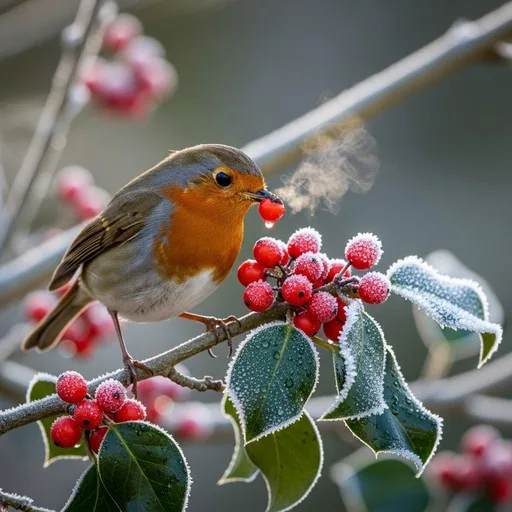
Image source: Bing (Web (fair-use with source credit))
Spring & Summer Abundance
During spring and summer, the world is bursting with life, and for robins, this means an abundance of insects, spiders, and other invertebrates. This is their prime feeding season, packed with protein-rich meals perfect for raising young. Caterpillars, beetle larvae, and earthworms are readily available.
Their active foraging during these months helps control insect populations in gardens and woodlands.
Autumn & Winter Scarcity
As the weather cools and insects become scarce, the robin's diet shifts. Berries and fallen fruits become a more significant part of their intake. These provide essential sugars for energy, helping them stay warm and maintain their weight.
While they'll still look for any available insects or spiders, the emphasis moves towards plant-based foods. This dietary flexibility is a key reason they thrive across Europe, even in challenging winter conditions.
Common Mistakes When Guessing Robin Food
When trying to figure out what do European robins eat, it's easy to make a few common assumptions or mistakes. These can sometimes lead to us offering the wrong things or misinterpreting their behavior. Being aware of these pitfalls can help us better understand and support these birds.
Misidentifying Prey
One common mistake is assuming a robin is eating something specific when it's actually after a different type of invertebrate. For example, people might see them pecking at the ground and think "worms!" but they could also be after beetles, larvae, or spiders that are near the surface. It's also easy to overlook the small, less obvious prey items like small flies or ants that are still vital parts of their diet.
Over-supplementing the Diet
Gardeners often want to help birds, which is great. However, offering too much of the wrong kind of supplementary food can be problematic. While mealworms are generally a good option, putting out large quantities of bread or unsuitable seed mixes isn't ideal.
Bread, for instance, offers little nutritional value and can fill their stomachs, making them less likely to forage for essential insects. It’s best to stick to foods that mimic their natural diet when providing extras.
Feeding Your Garden Robins: Do's and Don'ts
Knowing what European robins eat is one thing, but knowing how to best support them in your garden is another. While they're quite capable of finding their own food, a few thoughtful additions can make a real difference, especially during challenging times. The key is to offer things that are natural, nutritious, and safe.
- DO offer live mealworms: These are a fantastic treat and closely mimic the insect prey robins naturally hunt. They’re high in protein and easily digestible. You can find these at most pet stores or garden centers that sell bird food.
- DO provide a shallow water source: Birds need water for drinking and bathing. A bird bath with a gentle slope or a shallow dish with some pebbles can be a lifesaver, especially in dry or freezing weather.
- DON'T overfeed or use inappropriate foods: Avoid bread, salted nuts, or sugary concoctions. These can be harmful. Also, don't put out so much food that it attracts pests or becomes a breeding ground for mold.
- DON'T place feeders too close to windows: This can lead to collisions. If you do have feeders, consider adding decals or other window treatments to make them more visible to birds.
- DO maintain a bird-friendly garden: Allowing some areas of your garden to grow a little wild, with native plants and shrubs, provides natural shelter and a consistent food source for robins and other wildlife. Think about planting berry-producing shrubs like hawthorn or pyracantha.
Frequently Asked Questions About Robin Food
What's the most important food for a European Robin?
The most critical food for a European Robin, especially during breeding season, is insects and other invertebrates. These provide the high protein content needed for energy and chick development.
Can I feed robins just seeds?
No, robins aren't primarily seed-eaters. While they might occasionally eat a fallen seed, their digestive systems and nutritional needs are geared towards insects and berries. Seed-only diets are not suitable.
What should I do if I find a baby robin that seems to have fallen from its nest?
If you find a baby robin that appears to have fallen from its nest and is not yet feathered, try to locate the nest and gently return it. If the nest cannot be found, or if the bird is injured, contact a local wildlife rehabilitator or rescue center. Do not try to feed it yourself, as incorrect feeding can be fatal.
Are robins aggressive eaters at bird feeders?
European Robins are not typically aggressive at feeders. They prefer to forage on the ground and are generally quite timid compared to larger birds like pigeons or squirrels. They will often wait for other birds to leave before approaching a food source on the ground.