How Long Do Flamingos Live

Image source: Bing (Web (fair-use with source credit))
How Long Do Flamingos Live? The Real Lifespan Facts
Ever found yourself mesmerized by a flock of flamingos and wondered about their lives? You might be curious about how long these vibrant, long-legged birds actually live. The answer isn't a single number, as their lifespan depends on where they live and the conditions they face.
In the wild, a flamingo's life is a balancing act of finding food and avoiding danger, and our research shows they typically live for about 20 to 30 years. However, in carefully managed environments like zoos and sanctuaries, they often live much, much longer, with some individuals reaching ages that truly surprise you, sometimes exceeding 60 years.
Quick Answer: The Flamingo Lifespan Range
Flamingos in the wild generally live for 20 to 30 years. In captivity, with consistent care and protection, their lifespan can extend significantly, often reaching 40 to 60 years or even more.
What Determines How Long a Flamingo Lives?
Several key factors dictate how long any given flamingo will live, shaping its journey from a tiny chick to a mature adult. It’s not just about luck; it’s a complex interplay of environment, resources, and protection.
- Food Availability: This is absolutely crucial. Flamingos are filter feeders, relying on specific algae and small invertebrates found in shallow water. If their food sources are scarce due to drought, pollution, or habitat changes, their health declines, directly impacting their ability to survive and reproduce.
- Predation: While adult flamingos are large and often live in massive flocks for safety, their eggs and young chicks are vulnerable. Predators like birds of prey, foxes, and other animals that can access nesting sites pose a constant threat to the next generation.
- Habitat Quality: The health of the wetlands where flamingos feed and nest is paramount. Clean water, stable nesting islands, and an undisturbed environment are essential for their well-being and survival.
- Disease and Parasites: Like all animals, flamingos can be susceptible to various diseases and parasitic infections. In the wild, these can spread more easily and have a greater impact on survival rates.
- Environmental Stressors: Extreme weather events, such as prolonged droughts or severe storms, can devastate flamingo populations by destroying food sources or nesting grounds.
Wild vs. Captive: A Tale of Two Lifespans
The difference in lifespan between flamingos living in their natural habitats versus those in human care is quite dramatic. It really highlights the impact of environment and consistent support on longevity.
- Wild Lifespan: In the wild, flamingos are subject to all the natural challenges of their ecosystem. This means their average life expectancy tends to be shorter.
- Average: Most wild flamingos live for approximately 20 to 30 years.
- Challenges: They face fluctuations in food supply, competition, predation, disease, and the unpredictable nature of weather.
- Captive Lifespan: When flamingos are housed in zoos, wildlife parks, or conservation centers, their lives are carefully managed. This controlled environment significantly boosts their chances of living a long life.
- Average: Flamingos in captivity commonly live for 40 to 50 years, with many individuals exceeding these figures.
- Benefits: They receive regular, balanced nutrition, protection from predators and harsh weather, and prompt veterinary care.
This stark contrast underscores the importance of conservation efforts and well-managed captive breeding programs in ensuring the survival and well-being of these fascinating birds.
Factors Affecting Survival in the Wild
When we talk about flamingos in the wild, understanding the specific environmental factors that influence their survival is key. It's a dynamic situation where many elements must align for them to thrive over the long haul.
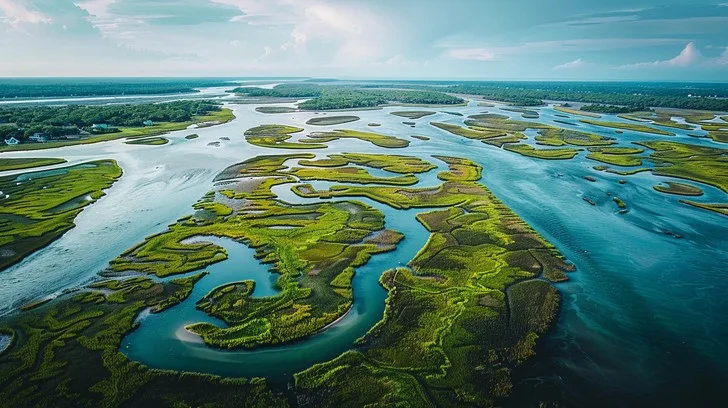
- Water Availability and Quality: Flamingos are intrinsically linked to water. They need shallow, saline or alkaline lakes and lagoons for foraging. If these water bodies dry up, become polluted, or are altered by human activity, the flamingos suffer. A lack of suitable foraging grounds means less food, leading to poorer health and reduced reproductive success. For example, prolonged droughts in regions like the Andes have been shown to impact flamingo nesting and survival rates.
- Food Source Consistency: Their diet of brine shrimp, algae, and small invertebrates is highly specific. These food sources themselves depend on the delicate balance of their wetland ecosystems. Fluctuations in salinity, temperature, or the presence of pollutants can decimate these food populations, directly affecting the flamingos. A consistent supply ensures they maintain the energy needed for survival, breeding, and defense.
- Nesting Site Security: Flamingos typically nest on mudflats or small islands within wetlands. These sites need to be safe from terrestrial predators and relatively undisturbed by human activity. If nesting grounds are flooded, eroded, or encroached upon, the eggs and chicks are at high risk. The success of a breeding season is a major factor in the overall health and continuity of a wild population.
- Predator Dynamics: While adults have fewer natural predators, especially in large flocks, eggs and young flamingos are susceptible. Foxes, jackals, and various bird species are known predators. A healthy ecosystem typically keeps predator populations in balance, but disruptions can lead to increased threats to young birds.
The Perks of a Managed Environment: Lifespans in Zoos and Sanctuaries
It's pretty remarkable how much longer flamingos can live when they're in a zoo or a dedicated sanctuary. This isn't just about providing a safe place; it's about creating an ideal environment that minimizes stressors and maximizes health.
- Consistent, Balanced Nutrition: In a managed setting, flamingos receive a scientifically formulated diet. This typically includes specialized feed mixes, vitamins, and minerals, often supplemented with ingredients that help maintain their vibrant color. Unlike the wild, where food can be scarce or inconsistent, zoo flamingos get reliable nourishment.
- Protection from Predators and Elements: The most obvious benefit is the absence of predators. Furthermore, enclosures are designed to offer shelter from extreme weather, whether it's scorching sun, heavy rain, or cold snaps. This protection reduces the energy expenditure needed for thermoregulation and defense, allowing birds to focus on maintaining their health.
- Regular Veterinary Care: This is a game-changer. Zoos and sanctuaries employ avian veterinarians who monitor the health of their residents. They can detect and treat illnesses or injuries early, provide preventative care, and manage chronic conditions. This level of proactive healthcare simply doesn't exist for wild birds.
- Reduced Environmental Stress: While zoos are busy places, the stress levels for well-cared-for flamingos are generally lower than those in the wild. They don't have to constantly search for food, evade predators, or battle harsh weather. This stable, predictable environment contributes significantly to their overall longevity. For example, research from leading zoological institutions indicates that consistent environmental control and veterinary attention are the primary drivers of extended lifespans in many avian species.
Beyond the Average: Record-Breaking Flamingo Lives
While we often talk about averages, some flamingos truly shatter expectations, living for durations that are astonishing. These individuals offer a glimpse into the maximum potential lifespan for these birds, showcasing what’s possible under optimal conditions.
- The Oldest Known Flamingos: There are well-documented cases of flamingos living well beyond the typical captive lifespan. For instance, some Greater Flamingos (Phoenicopterus roseus) have been recorded living into their sixties. One famous individual, named "Pinky" at the Adelaide Zoo, lived for an incredible 60 years and 8 months. This longevity highlights the impact of decades of consistent, high-quality care.
- What Makes Them Super-Aged? These record-holders usually benefit from a combination of factors:
- Early Life Success: Surviving the vulnerable chick and juvenile stages is critical. Birds that successfully navigate these early years often have a better foundation for a long life.
- Uninterrupted Care: Lifelong residency at a facility that provides consistent diet, veterinary attention, and a safe environment is key. Any significant change in care or environment can introduce stress and health risks.
- Genetics: While environment plays a huge role, individual genetic predispositions can also contribute to a longer lifespan.
These stories are inspiring because they show the remarkable resilience and potential longevity of flamingos when their basic needs are consistently met and protected.
FAQs About Flamingo Longevity
How long do flamingos typically live in the wild?
Flamingos in their natural habitats typically live for about 20 to 30 years. This lifespan is influenced by factors like food availability, predation, and environmental conditions.
What is the average lifespan of a flamingo in captivity?
In zoos and sanctuaries, flamingos commonly live much longer, often reaching 40 to 50 years. With excellent care, some individuals can even live into their sixties.
Do different flamingo species have different lifespans?
While there are slight variations among the six flamingo species, the general range for wild versus captive lifespans holds true across most of them. Factors like specific habitat needs and vulnerability to local threats can cause minor differences.
What is the oldest recorded flamingo?
One of the most well-documented cases is a Greater Flamingo named "Pinky" at the Adelaide Zoo, who lived for over 60 years. Numerous other individuals in managed care have also reached ages in the high fifties and sixties.
What are the biggest threats to flamingos living a long life in the wild?
The primary threats include habitat degradation, loss of shallow wetlands essential for foraging, pollution affecting food sources, and predation on eggs and young. Climate change, leading to drought or extreme weather, also poses a significant risk.
What to Know for Conservation and Care
Understanding how long flamingos live, and what factors influence their lifespan, is crucial for both conservation efforts and the welfare of birds in managed care.
For those involved in wildlife conservation, this knowledge helps in identifying and protecting critical habitats. Ensuring clean water, stable nesting sites, and a healthy food web for wild populations directly contributes to their longevity and the species' overall survival. It means prioritizing areas that are less susceptible to human development or environmental degradation.
In zoos and sanctuaries, detailed data on lifespan is vital for responsible animal management. Knowing the potential longevity allows for better long-term planning regarding enclosure design, social grouping, and healthcare. It helps keepers and veterinarians provide the best possible environment, ensuring that flamingos under their care can live full, healthy lives, potentially for many decades.
Ultimately, this understanding fuels our commitment to both protecting these iconic birds in their natural homes and ensuring a high quality of life for those we care for.