How Fast Can an Ostrich Run
Ever wondered if you could win a race against an ostrich? It's a fun thought experiment, but the reality is, these incredible birds are built for speed, and outrunning them is a long shot for most of us. Understanding how fast an ostrich can run isn't just trivia; it reveals a lot about their incredible adaptations for survival.
Based on aggregate biological data, ostriches can hit impressive speeds, with documented top speeds reaching around 43 miles per hour. This incredible pace is thanks to a unique combination of physical traits honed over millennia.
Quick Answer
Ostriches can run at speeds of up to 43 miles per hour (70 km/h). They use their long, powerful legs and large strides to achieve this remarkable pace, making them the fastest birds on land.
How Fast Can an Ostrich Really Run?
When we talk about how fast an ostrich can run, we're looking at one of nature's most impressive sprinters. These flightless birds have evolved to be incredibly efficient movers on land, and their speed is a primary tool for survival. It's not just about a quick burst; ostriches can sustain high speeds for considerable distances, which is key for both escaping predators and covering ground in search of food and water.
Their ability to run at speeds that rival many mammals makes them a unique and fascinating subject in the animal kingdom.
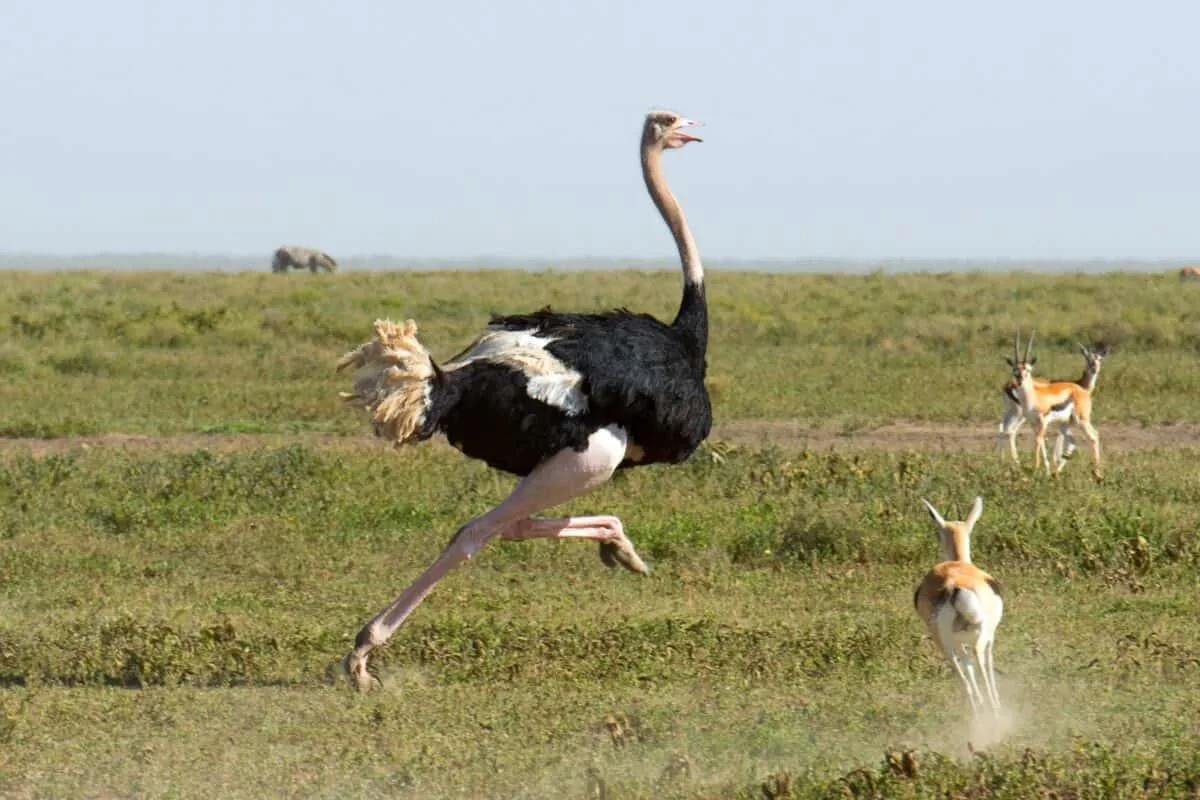
Image source: Web (Bing) / birdhelpful.com (Web image (fair-use with source credit))
The Ostrich's Top Speed: Hitting the Gas
So, what's the magic number? Ostriches can reach a top speed of approximately 43 miles per hour (about 70 kilometers per hour). This isn't just a fleeting sprint; they can maintain these high speeds for extended periods, often covering significant distances in their natural habitats.
This sustained speed is a critical factor in their ability to thrive in open environments where predators are a constant threat. To put that into perspective, 43 mph is faster than most residential speed limits and faster than many household pets can run.
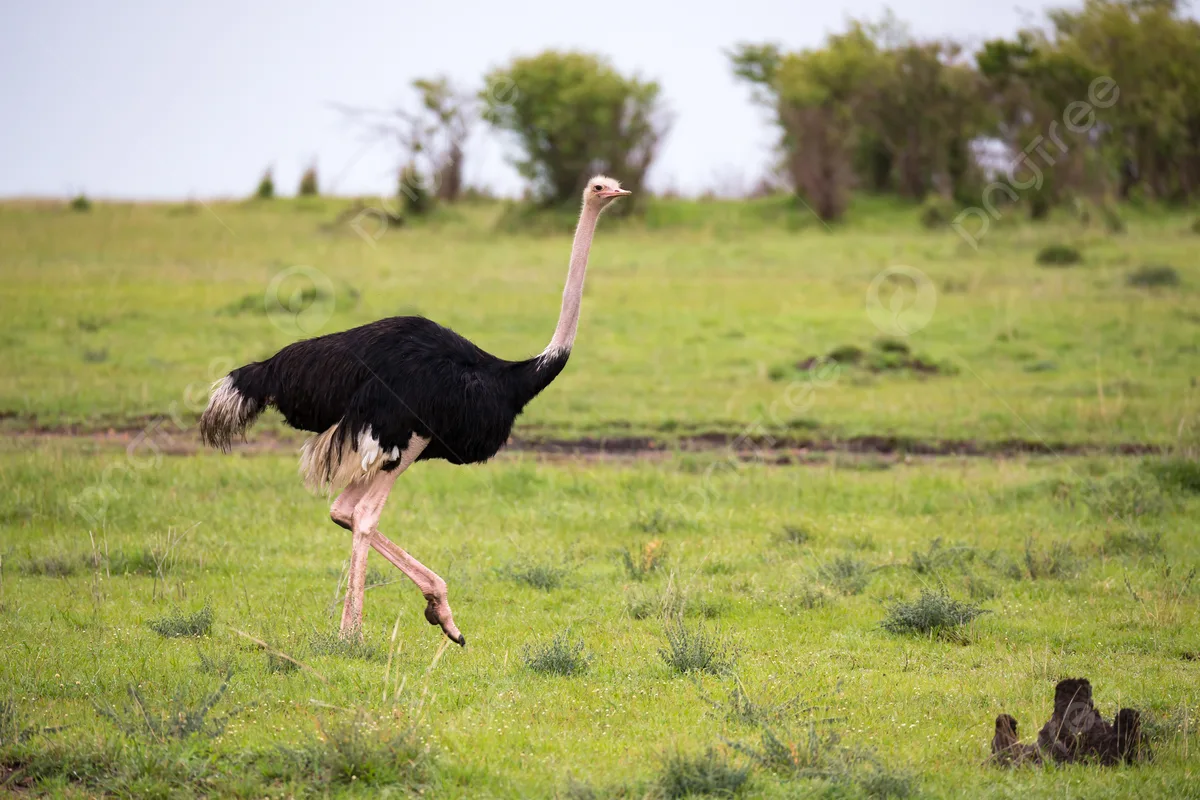
Image source: Web (Bing) / pngtree.com (Web image (fair-use with source credit))
What Makes Ostriches So Speedy? Built for Flight (on Land)
The ostrich's speed isn't accidental; it's the result of a highly specialized evolutionary design. Every aspect of their physique is optimized for rapid locomotion across open terrain. Their legs are not just long; they are incredibly powerful, acting like springs to propel their substantial bodies forward.
This biomechanical advantage, combined with other key features, makes them the fastest birds on land. Understanding these components gives us a clearer picture of how they achieve such remarkable velocity.
Long, Powerful Legs: The Engine
The ostrich's legs are arguably their most important feature for speed. They are disproportionately long compared to their torso, allowing for a massive stride length. These legs are packed with strong muscles that generate the force needed for powerful thrusts against the ground.
Their structure is similar to that of a powerful running animal, enabling them to accelerate quickly and maintain momentum.
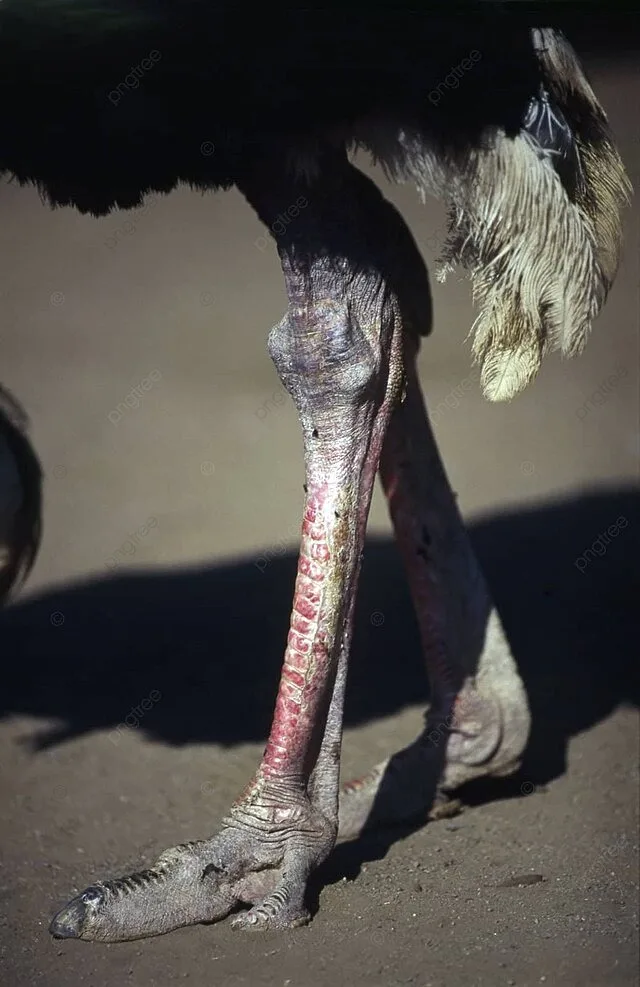
Image source: Bing (Web (fair-use with source credit))
Big Strides: Covering Ground
Each stride an ostrich takes is incredibly long, often measuring up to 15 feet (about 4.5 meters). This means with every step, they cover a significant amount of distance. Imagine trying to take steps that large; it's a testament to their efficient gait and powerful leg muscles.
This long stride, combined with a rapid cadence, allows them to achieve high speeds over open ground.
Two Toes: Traction and Power
A unique feature of ostrich feet is that they only have two toes, rather than the three or four typically found on other birds. The larger, inner toe is equipped with a formidable nail that functions much like a hoof. This specialized foot structure provides excellent traction on various surfaces, allowing the ostrich to push off powerfully and maintain stability at high speeds.
It's a critical adaptation for their terrestrial running lifestyle.
Ostrich Speed vs. The Animal Kingdom: A Reality Check
When you think about the fastest animals, you might immediately picture a cheetah. While the cheetah reigns supreme, ostriches hold their own quite impressively against many other well-known fast movers. Their speed is a crucial element in their survival strategy, allowing them to escape dangers that many other land animals would struggle to outrun.
Comparing their speeds helps us appreciate their place in the hierarchy of terrestrial speedsters.
| Animal | Top Speed (mph) |
|---|---|
| Cheetah | 70 |
| Horse (Race) | 55 |
| Lion | 50 |
| Ostrich | 43 |
| Human (Sprinter) | 28 |
As this comparison shows, ostriches are faster than a charging lion and significantly faster than the fastest human sprinters. They may not reach the dizzying heights of a cheetah, but their speed is more than enough to evade many common predators in their native African habitats. This ability is vital for their continued existence in environments where quick escapes are necessary.
Why Speed is an Ostrich's Lifeline: Survival and Beyond
For an ostrich, running fast isn't just an impressive physical feat; it's an essential survival mechanism. In the vast, open plains where they typically live, predators like lions and hyenas pose a constant threat. Their speed is their primary defense, allowing them to outrun danger when detection is imminent.
This ability to flee quickly and sustain that speed means the difference between life and death.
Beyond predator evasion, their speed also aids in foraging. Ostriches are found in wide-open savannas and deserts where food and water can be scarce and spread out. Their fast-running capability allows them to cover large territories efficiently in search of sustenance.
This constant movement helps them find the resources they need to survive in often harsh environments. Their speed is thus integral to their ecological role.
Ostrich Running: Considerations for Observation and Interaction
When observing ostriches, especially in a natural or semi-natural environment, it's crucial to understand that their speed is a primary defense mechanism. Approaching them too closely can trigger their flight response. For anyone who might find themselves in proximity to ostriches, whether at a zoo, wildlife park, or sanctuary, maintaining a safe distance is paramount.
Their powerful legs and surprising acceleration mean they can cover ground rapidly, and a startled ostrich can be unpredictable.
If you encounter ostriches in a setting where interaction or close observation is possible, remember they are wild animals. Always follow the guidelines provided by the facility or guides. Never attempt to feed them or get between a parent and its chicks, as this can provoke an aggressive reaction.
Their speed, combined with their size, makes them formidable if they feel threatened.
Should You Ever Try to Race an Ostrich?
Absolutely not. Trying to race an ostrich is ill-advised for several reasons. Firstly, their top speed of 43 miles per hour far exceeds human capabilities.
Even the fastest human sprinters would be easily outpaced. Secondly, ostriches are powerful animals with strong legs and sharp claws; a startled or threatened ostrich can be dangerous. Attempting to race one could provoke a defensive reaction, leading to injury for the person involved.
Their speed is their livelihood, not a sport to be engaged with by humans. It's a tool for survival in their natural environment, used to evade predators and cover vast distances for resources. Respecting their speed and power means keeping a safe and appropriate distance.
What Happens If You Scare an Ostrich?
If you inadvertently scare an ostrich, its immediate reaction will likely be to flee. It will burst into motion, covering ground rapidly to put distance between itself and the perceived threat. This flight is often accompanied by a loud hissing sound or even a roar, which can be startling.
During this rapid escape, they can change direction surprisingly quickly, making them difficult to follow or contain.
Their powerful legs can deliver strong kicks if they feel cornered or directly threatened, though fleeing is their preferred response. It's important to remember that their speed means they can cover hundreds of yards in mere seconds, effectively disappearing from view if given the chance. This instinctual flight response is a testament to their evolutionary adaptations for survival in the wild.
How Do Ostriches Use Their Speed in the Wild?
In their natural habitat, ostriches rely heavily on their speed for survival. Their primary use of this incredible velocity is predator evasion. When a lion, hyena, or other predator approaches, the ostrich's first instinct is to bolt.
They can outrun many of these predators, especially over longer distances where the predator's stamina might falter. This ability to flee swiftly is their most crucial defense mechanism.
Beyond predator evasion, their speed also aids in foraging. Ostriches are found in wide-open savannas and deserts where food and water can be scarce and spread out. Their fast-running capability allows them to cover large territories efficiently in search of sustenance.
This constant movement helps them find the resources they need to survive in often harsh environments. Their speed is thus integral to their ecological role.
Can Ostriches Jump?
No, ostriches cannot jump. Unlike many other birds that utilize flight for vertical escape or maneuvering, ostriches are strictly terrestrial runners. Their physiology is entirely adapted for forward momentum.
Their long, powerful legs are designed for striding and running, not for leaping or jumping over obstacles. Any perceived "jumps" are typically just the result of their massive strides clearing uneven ground or low-lying vegetation.
Frequently Asked Questions About Ostrich Speed
How fast can a baby ostrich run?
Baby ostriches, called chicks, are capable of running shortly after hatching. While they aren't as fast as adults, they can reach speeds of up to 35 miles per hour (about 56 km/h) within their first few months of life, providing them with a quick escape from immediate threats.
Can ostriches outrun humans?
Yes, ostriches can easily outrun humans. Their top speed of 43 mph is more than double that of the fastest human sprinters, who typically reach speeds around 28 mph. Even a moderately fast ostrich can outpace a human easily.
Do ostriches run everywhere they go?
While ostriches are built for running, they don't run constantly. They walk and forage for much of their day. Running is typically reserved for when they need to escape danger, travel long distances quickly, or during mating displays.
What is the difference between ostrich running speed and their walking speed?
Ostriches walk at a much slower pace, typically around 9 miles per hour (about 14.5 km/h). This walking gait is more energy-efficient for daily activities like foraging and allows them to cover ground without expending excessive energy. Their running speed is reserved for urgent situations.