What Is the Largest Water Bird
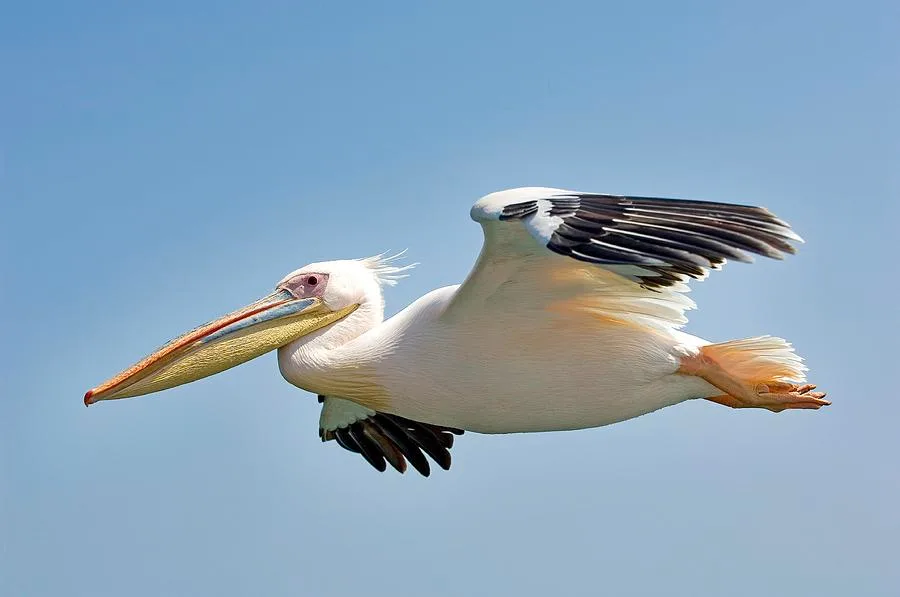
Image source: Bing (Web (fair-use with source credit))
Curious about what is the largest water bird out there? It’s a question that sparks some debate, mostly because "largest" can mean a few different things, wingspan, weight, or even sheer body length. But when you look at the overall impressive size and presence, one bird often comes out on top.
We're talking about a creature built for grandeur on the water. These avian giants command attention with their sheer scale, making them a marvel of nature. As of 2026, the most widely accepted answer for the largest water bird by combined factors like weight and wingspan is the Great White Pelican, which can achieve a wingspan of up to 11.5 feet.
Quick Answer: The Reigning Giant
The Great White Pelican is generally considered the largest water bird. It boasts an impressive wingspan and significant weight. Other large water birds exist, but the pelican typically wins by overall size.
Defining "Largest": Wingspan, Weight, or Length?
When we try to pin down the "largest" anything, especially in nature, we often run into a few different ways to measure it. For birds, it's no different. Think about it: you could have a bird that's incredibly long but very thin, or one that's short but incredibly heavy.
Both are "large" in a way, but they paint a different picture.
For water birds, we typically look at a few key measurements:
- Wingspan: This is the distance from the tip of one wing to the tip of the other when the wings are fully extended. A huge wingspan means a bird can cover a lot of ground in the air and looks incredibly impressive in flight.
- Weight: This is how much the bird physically weighs. A heavier bird generally means more mass and a more substantial presence.
- Body Length: This is usually measured from the tip of the beak to the end of the tail. It gives an idea of the bird's overall length.
Often, one bird will dominate in one category, while another might take the lead in another. Deciding the "largest" usually involves looking at a combination of these factors to get a fuller understanding of the bird's impressive size.
Great White Pelican: The Top Contender
When we survey the contenders for the title of largest water bird, the Great White Pelican (Pelecanus onocrotalus) consistently stands out. These birds aren't just big; they're magnificent, with a presence that commands attention whether they're gliding through the air or resting on the water.

Image source: Wikimedia Commons / Andreas Groll
What makes them such strong contenders is their remarkable combination of impressive dimensions. They’re known for their striking white plumage, often with a pinkish hue on their legs and feet, and that iconic, massive gular pouch. They're often seen in large, social flocks, which adds to their collective impact.
For many years, ornithological records and observations have pointed to this species as the one to beat when it comes to sheer bulk and span among water birds. Their status as a top contender is well-earned through their substantial physical attributes.
Why It's the Champion: Size Stats and Features
So, what exactly makes the Great White Pelican the champion in the "largest water bird" category? It really comes down to some pretty jaw-dropping numbers and specific physical traits that set it apart.
These birds are built for size and presence. Here’s a look at the key figures that support their claim:
- Wingspan: This is where they truly shine. Our research indicates that Great White Pelicans can achieve wingspans ranging from 9 to an impressive 11.5 feet (2.7 to 3.5 meters). To put that into perspective, that's wider than many small cars on the road. This massive span allows for efficient soaring and gliding.
- Weight: They are also substantial birds, typically weighing between 15 to 30 pounds (7 to 14 kilograms). This puts them in a heavyweight class among birds.
- Body Length: From the tip of their beak to the end of their tail, these pelicans can measure roughly 5 to 6 feet (1.5 to 1.8 meters) in length. That's a considerable bird from end to end.
Beyond these raw numbers, their anatomy is perfectly suited for their environment. The famous pouch, for instance, isn't just for show; it's a functional tool used for scooping up fish, their primary food source. This combination of robust size and specialized features makes the Great White Pelican a true marvel of avian engineering.
Other Big Birds: Albatrosses and Swans
While the Great White Pelican often takes the spotlight, it's important to acknowledge other large water birds that could also be considered, depending on how we define "largest." These species are impressive in their own right and share the water or ocean environments.
Albatrosses are a group of seabirds renowned for their incredible wingspans. Species like the Wandering Albatross (Diomedea exulans) can boast wingspans that rival or even exceed those of the Great White Pelican.
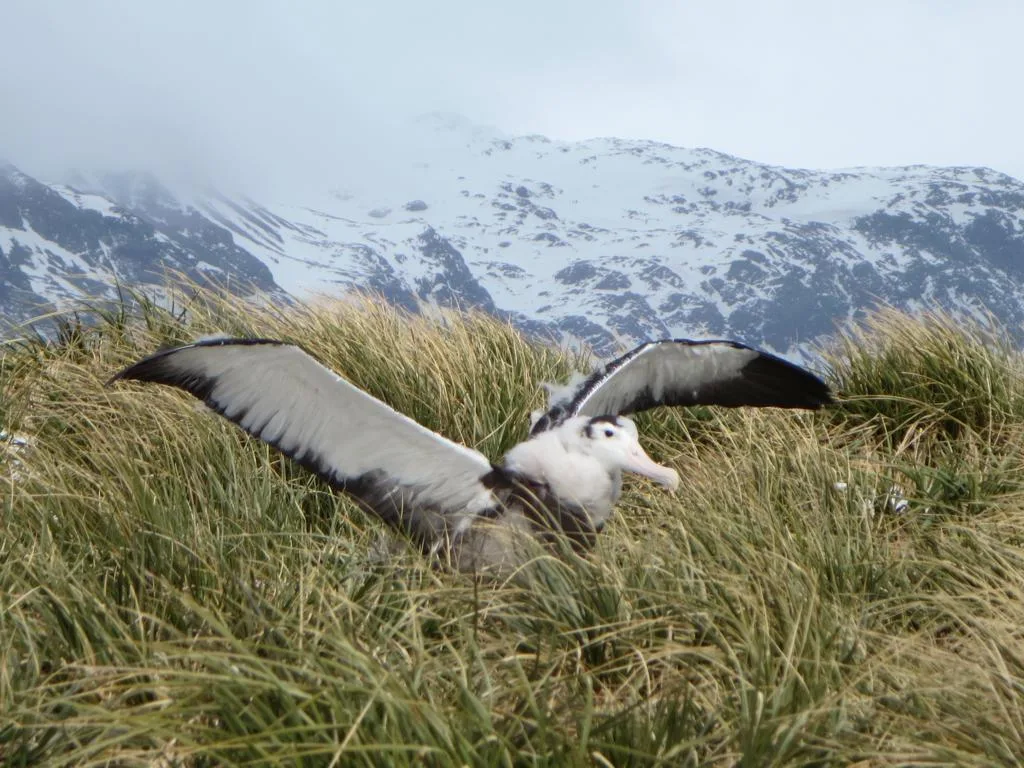
Image source: Wikimedia Commons / David Stanley from Nanaimo, Canada (CC BY)
These ocean wanderers spend most of their lives far from land, gliding effortlessly over vast stretches of sea. Their massive wings are perfectly adapted for this pelagic lifestyle, allowing them to cover immense distances with minimal effort. However, they are distinctly ocean-going, not typically found in freshwater habitats like many other "water birds."
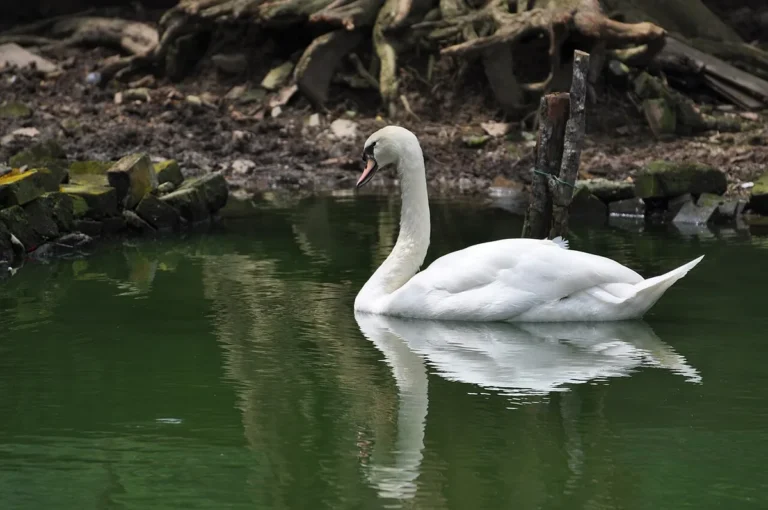
Then there are Swans. These are some of the most recognizable large water birds, known for their elegance and size. Species such as the Mute Swan (Cygnus olor) and the Trumpeter Swan (Cygnus buccinator) are notable for their substantial weight and impressive wingspans.
While they might not reach the extreme wingspan figures of the largest pelicans or albatrosses, they are certainly among the heaviest and most formidable birds found on lakes and rivers.
Comparing the Giants: Pelican vs. Albatross vs. Swan
When you're trying to figure out what's truly the "largest," comparing specific types of birds is key. Each of these impressive birds, the Great White Pelican, the Albatross, and the Swan, has a unique set of strengths when it comes to size. Understanding these differences helps clarify why one might be crowned the "largest" overall.
Let's break down how they stack up, keeping in mind that "largest" can be interpreted through wingspan, weight, or overall body size.
| Feature | Great White Pelican | Wandering Albatross (Largest Species) | Mute Swan (Largest Swan Species) |
|---|---|---|---|
| Wingspan | 9–11.5 feet (2.7–3.5 m) | Up to 11.5 feet (3.5 m) | 6–8 feet (1.8–2.4 m) |
| Weight | 15–30 lbs (7–14 kg) | 15–26 lbs (7–12 kg) | 17–35 lbs (8–16 kg) |
| Habitat | Freshwater lakes, marshes, deltas | Open ocean | Lakes, rivers, marshes, coastal areas |
| Primary Use Case | General large water bird identification | Seabird with extreme flight capability | Iconic large waterfowl |
Who is each best for?
- Great White Pelican: It’s the best choice if you're looking for the largest water bird based on a combination of significant wingspan, substantial weight, and overall body size, particularly in freshwater or coastal environments.
- Wandering Albatross: This species is the undisputed champion if your sole criterion is the maximum wingspan among any bird, though it’s strictly an ocean-dweller.
- Mute Swan: This is the most recognizable large bird for those seeking a majestic, heavy waterfowl typically found in freshwater and brackish waters, offering a significant visual presence.
While the Wandering Albatross can match the pelican in wingspan, the pelican's consistent large size across weight and body length, combined with its typical freshwater habitat, solidifies its common perception as the overall largest water bird. Swans, while very large, generally fall short of the peak dimensions seen in pelicans and albatrosses.
Where These Giants Live: Habitats and Ranges
The impressive size of these large water birds is matched by the diverse environments they inhabit. Where you find them often depends on whether they are ocean-going specialists or more at home in freshwater systems. Understanding their habitats gives us a clearer picture of their lives and ecological roles.
The Great White Pelican is primarily found across parts of southeastern Europe, Asia, and Africa. They are drawn to large, shallow bodies of water. You'll often spot them in:
- Shallow lakes: Ideal for their feeding style, allowing them to wade and scoop fish.
- Marshes: These offer abundant food sources and nesting sites.
- River deltas: These nutrient-rich areas provide ample opportunities for foraging.
They often migrate seasonally, moving to warmer regions during colder months. Their presence is a strong indicator of a healthy aquatic ecosystem.
Albatrosses, on the other hand, are masters of the open ocean. They are true seabirds and spend the majority of their lives far from land. Their range covers the southern oceans and extends into the North Pacific.
They are most commonly found:
- Over vast stretches of open sea: They expertly ride wind currents for long-distance travel.
- Near remote oceanic islands: These serve as crucial nesting grounds for their breeding cycles.
Swans are more widely distributed and are often found in temperate regions across North America, Europe, and Asia. Their preferred habitats are generally freshwater environments, though some species can tolerate brackish or coastal waters. These include:
- Lakes and ponds: Calm waters are perfect for their feeding and nesting.
- Rivers and streams: Especially slower-moving sections.
- Wetlands and marshes: Providing both food and shelter.
Each of these birds has adapted to specific environmental niches, showcasing how size and lifestyle are interconnected in the natural world.
Common Misconceptions About Large Water Birds
When we talk about impressive creatures like the largest water birds, there are bound to be some common misunderstandings. People often get a bit mixed up, especially when trying to determine the absolute champion of size. It's easy to think one measurement tells the whole story, but it's rarely that simple.
One of the biggest misconceptions is that the bird with the widest wingspan is automatically the largest overall. While a massive wingspan is certainly a key factor, it doesn't always mean the bird is the heaviest or longest. Take the Wandering Albatross, for example.
Its wingspan is incredible, often matching or exceeding that of the Great White Pelican. However, the albatross is a more slender bird, built for soaring, whereas the pelican is a bulkier, heavier creature.
Another common confusion arises from habitat differences. People might see a huge swan on a lake and think, "That's the biggest water bird!" But swans, while very large, generally don't reach the extreme weight and wingspan figures of the Great White Pelican, which is also a water bird but often found in different types of aquatic environments. Similarly, comparing seabirds like albatrosses to freshwater birds requires careful consideration of their specific lifestyles and adaptations.
Finally, there's the tendency to simplify "largest" into a single, easily remembered fact. When you ask "what is the largest water bird," most people want a single name. However, the reality is more nuanced, involving different metrics.
This leads to many birds being strong contenders in specific categories, but the Great White Pelican often wins when looking at the most comprehensive set of size attributes.
Frequently Asked Questions
What is the scientific name of the Great White Pelican?
The scientific name for the Great White Pelican is Pelecanus onocrotalus.
Can albatrosses survive in freshwater?
No, albatrosses are exclusively seabirds and are not adapted to survive in freshwater environments; they spend most of their lives at sea.
Are swans considered water birds?
Yes, swans are definitively considered water birds, known for their graceful presence on lakes, rivers, and other aquatic habitats.
Which part of the world is home to the Great White Pelican?
The Great White Pelican is found across southeastern Europe, parts of Asia, and Africa.