How Long Do Mute Swans Live
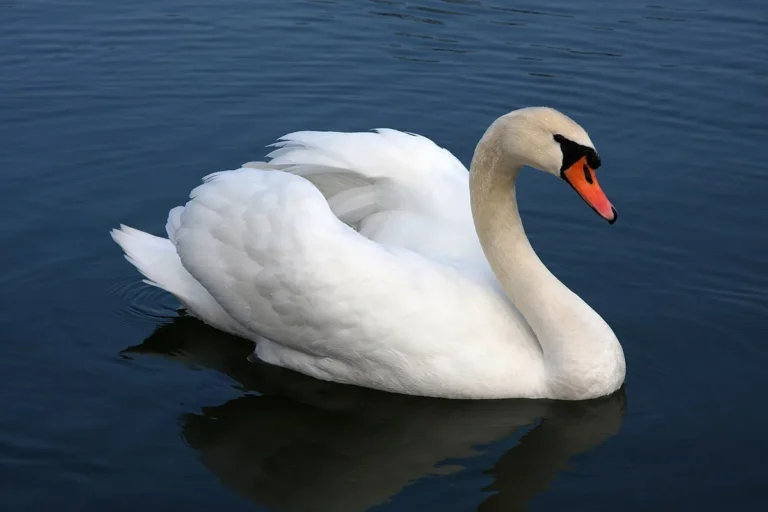
When you see a mute swan gracefully gliding on the water, it's natural to wonder about its life story, including how long these magnificent birds actually live. The lifespan of a mute swan isn't a single, fixed number; it varies significantly based on where and how they live. Our research indicates that their environment plays a crucial role in their longevity, much like with many other species.
The typical lifespan for a mute swan in the wild is around 10 to 15 years, a stark contrast to the 20 years or more they can achieve in managed care, such as zoos or wildlife sanctuaries. This difference highlights the impact of factors like predator protection and consistent food availability. Let's dive into what shapes the lives of these elegant waterfowl.
Quick Answer: How Long Do Mute Swans Typically Live?
Mute swans usually live 10 to 15 years in the wild. In captivity with good care, they often reach 20 years or more. Factors like predators, food access, and disease heavily influence wild swan survival.
Life in the Wild: Challenges and Survival Rates
Life for a mute swan in its natural habitat is a constant balancing act. These birds face a range of natural challenges that can significantly impact how long they survive. From their very first days, young swans, or cygnets, are vulnerable.
Predators like foxes, large birds of prey, and even domestic animals can pose a threat. Those that make it through this initial critical period still contend with the uncertainties of nature throughout their lives.
Finding adequate food, especially during harsh winters or droughts, is another major hurdle. Swans are herbivores, primarily feeding on aquatic vegetation. When their food sources are scarce or difficult to access, their health can decline, making them more susceptible to illness and less able to fend off threats.
Aggregating data from wildlife observations, the average lifespan for a wild mute swan falls within the 10-to-15-year range. While some may not even reach their first birthday, others, if they navigate these challenges successfully, can live a decade or more.
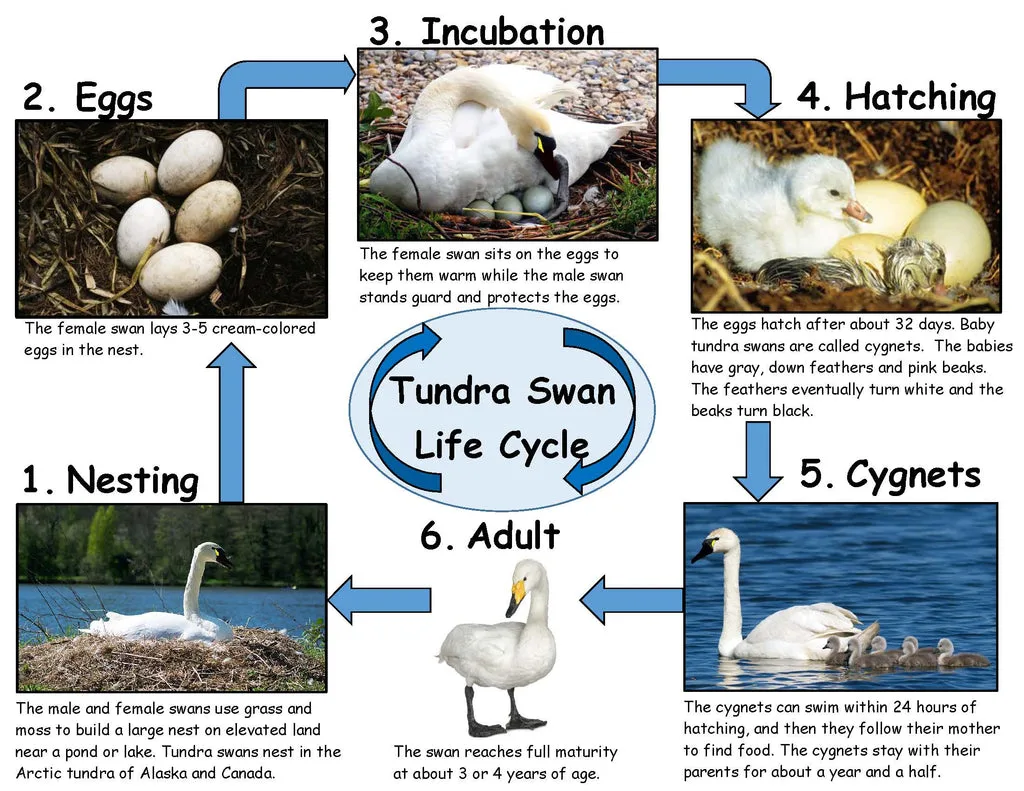
Image source: Bing (Web (fair-use with source credit))
Swans in Captivity: A Longer, Safer Existence
When mute swans are kept in controlled environments like zoos, wildlife parks, or well-managed private collections, their life expectancy often sees a significant boost. These settings provide a buffer against many of the dangers wild swans face daily. Predators are typically kept out, ensuring the swans' safety.
Access to consistent, high-quality food is a primary advantage. Keepers ensure the swans have a balanced diet that meets their nutritional needs, which is vital for maintaining good health and energy levels year-round. Furthermore, veterinary care is readily available.
If a swan falls ill or sustains an injury, it can receive prompt treatment, preventing minor issues from becoming life-threatening. This comprehensive care contributes to their ability to live much longer lives, with many captive swans reaching 20 years of age and some even surpassing 25.
Image source: Bing (Web (fair-use with source credit))
Factors Influencing a Swan's Age
Several key elements directly influence the lifespan of a mute swan, whether it lives in the wild or in a protected setting. Understanding these factors helps paint a clearer picture of why their ages can vary so much.
Predation and Environmental Dangers
Predation is a primary concern, especially for young cygnets. Foxes, raccoons, large birds of prey, and even domestic dogs can prey on vulnerable swans. In the wild, adult swans have fewer natural predators but are still susceptible to threats from humans or larger carnivores if they stray too far from water.
Environmental dangers also play a role. Severe weather, such as extreme cold or heatwaves, can stress swans and impact their ability to find food. Pollution in waterways can also directly harm swans by contaminating their food sources or water.
Diet and Nutrition
A swan's diet is critical for its overall health and longevity. Mute swans are herbivores, primarily consuming submerged aquatic vegetation like pondweed and water milfoil. In areas with abundant, healthy aquatic flora, swans can maintain good condition.
However, in environments where vegetation is scarce due to overgrazing, pollution, or habitat destruction, swans may struggle to get enough nutrients. Malnutrition weakens their immune systems and makes them more vulnerable to disease and less resilient to environmental stresses, ultimately shortening their lives.
Disease and Health Issues
Like all animals, mute swans can be affected by various diseases and health issues. These can range from parasitic infections to bacterial or viral illnesses. For wild swans, once a disease takes hold, there's little that can be done to treat it, and it can spread through a population.
Avian botulism, for instance, is a serious and often fatal illness that can affect waterfowl in warm, stagnant water. In captivity, regular health checks and prompt veterinary intervention can manage or cure many of these conditions, significantly contributing to a longer lifespan.
Real-World Observations: Lifespan Data
Based on available research and observational studies, the data on mute swan lifespans provides a clear picture of the differences between wild and captive populations. Ornithologists and wildlife biologists have tracked swan populations for decades, gathering valuable insights.
For mute swans living in their natural habitat, records suggest an average lifespan of 10 to 15 years. This figure is an average, meaning many individuals will not reach this age, while a fortunate few might exceed it. This range reflects the constant challenges they face, from securing food and avoiding predators to surviving seasonal weather patterns and disease outbreaks.
In contrast, mute swans under human care demonstrate a notably longer existence. In zoos, wildlife parks, and sanctuaries where they receive consistent food, protection from predators, and veterinary attention, their lifespan commonly extends to 20 years or more. There are documented cases of captive mute swans living into their late twenties, and in rare instances, even approaching 30 years.
This substantial difference underscores the profound impact that a secure and well-managed environment has on the overall health and longevity of these birds. This data is based on aggregated observations from various conservation and zoological organizations.
Expert Insights on Maximizing Swan Longevity
While nature dictates much of a wild swan's fate, experts in avian care and wildlife management have identified key practices that can support longer, healthier lives for these birds. These insights are crucial for anyone involved in swan conservation or care, whether in a professional capacity or for private sanctuaries. The overarching principle is to mitigate the risks inherent in the wild and replicate the beneficial aspects of a controlled environment.
A cornerstone of maximizing swan longevity is ensuring access to a stable and nutritious diet. For wild populations, this means protecting and restoring aquatic habitats that provide ample submerged vegetation. When natural food sources are insufficient, supplemental feeding with appropriate, swan-safe foods can be a temporary measure, but it must be done carefully to avoid creating dependency or attracting unwanted attention from predators.
This dietary support is a critical component of responsible wildlife management.
For those managing captive swans, consistent access to a balanced diet is paramount. This typically involves a specialized feed formulated for waterfowl, supplemented with fresh greens. Regular health monitoring by qualified veterinarians is equally vital.
This includes vaccinations against common avian diseases, parasite control, and prompt treatment for any injuries or illnesses. Proactive veterinary care, much like preventative medicine in humans, can identify potential issues early and prevent them from escalating into life-threatening conditions.
Furthermore, providing a safe and secure environment is non-negotiable. This includes fencing to exclude land predators and ensuring access to clean water free from pollutants. Protecting nesting sites from disturbance also helps improve cygnet survival rates.
Following guidelines from organizations like the U.S. Fish and Wildlife Service can offer best practices for habitat management and species protection, contributing to the overall well-being and longevity of mute swans. As of 2026, ongoing research continues to refine these approaches, aiming to further enhance swan survival.
Frequently Asked Questions About Swan Lifespans
How long does a mute swan typically live in the wild?
In the wild, mute swans generally live for about 10 to 15 years, though many face challenges that can shorten this lifespan.
Can mute swans live longer in captivity?
Yes, mute swans in captivity, such as in zoos or sanctuaries, can often live for 20 years or even longer due to consistent care and protection.
What is the biggest threat to a wild swan's life?
The biggest threats to wild mute swans include predation, particularly for young cygnets, and the availability of sufficient food and clean water.
Does diet significantly impact how long a swan lives?
Absolutely. A balanced diet rich in aquatic vegetation is crucial for a swan's health, immune system, and overall ability to survive threats, directly influencing its lifespan.
Are there specific diseases that commonly affect swans' lifespan?
While many diseases can impact swans, issues like avian botulism and various parasitic infections can be fatal, especially in environments with poor water quality.
What can be done to help increase swan longevity?
Protecting and restoring their natural habitats, ensuring clean water sources, and managing populations to reduce disease spread are key for wild swans. For captive swans, providing a nutritious diet and regular veterinary care is essential.
What We Know: Key Takeaways on Mute Swan Age
Our research confirms that the lifespan of a mute swan is significantly influenced by its environment. Wild swans typically live for 10 to 15 years, facing a constant array of challenges from predators, food scarcity, and environmental hazards. In contrast, swans in protected environments like zoos or wildlife parks often exceed this, commonly reaching 20 years or more, thanks to consistent food, safety, and veterinary care.
The primary factors determining how long an individual swan survives are the quality of its habitat, the presence of threats, and the availability of adequate nutrition and medical attention when needed.