Budgie Facts
Welcoming a budgie into your home is often the start of a long, rewarding friendship, but understanding accurate budgie facts is the first step toward responsible care. Many people mistakenly treat these birds as low-maintenance decor, yet they are complex, flock-oriented animals with specific physiological needs.
As of 2026, research into avian husbandry shows that these birds require significant space, specialized diets, and social interaction to thrive. Ensuring your environment meets these biological standards is the key to preventing the most common health complications that owners face.
Quick Answer
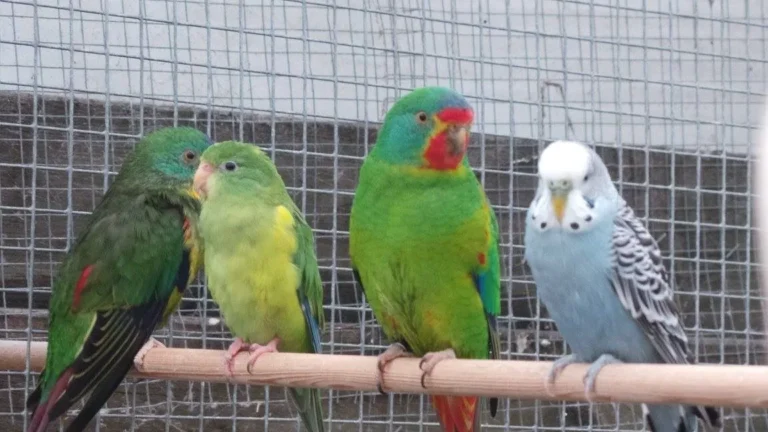
Budgies are small, intelligent parrots originating from Australia. They require a diverse diet of pellets and fresh vegetables. These birds are social flock animals needing daily interaction.
A healthy adult budgie weighs 30 to 40 grams. They live 10 to 15 years with proper care. Always avoid toxic non-stick cookware fumes.
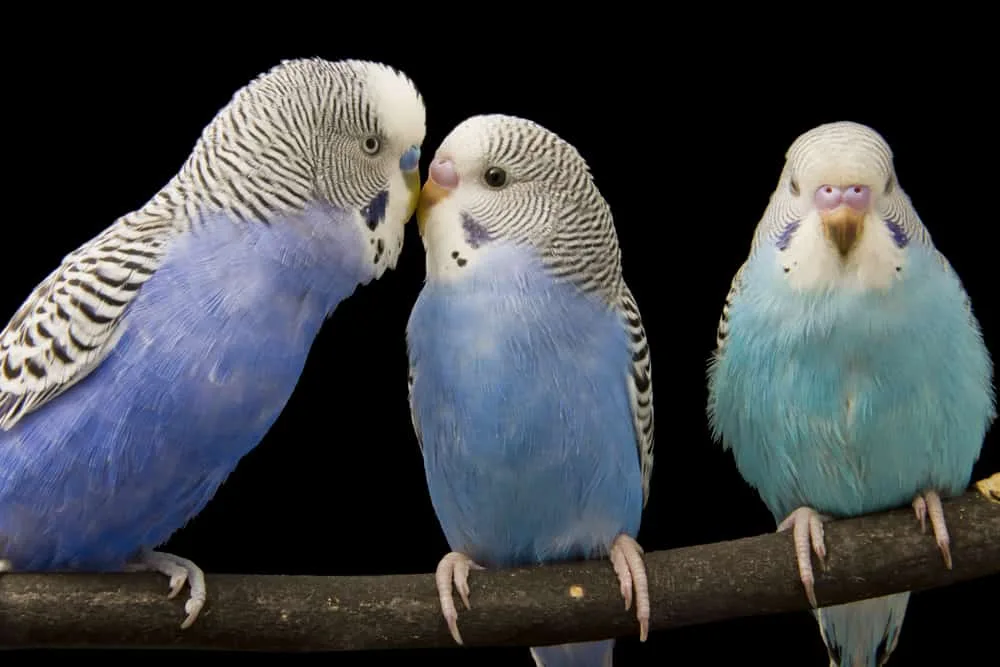
Image source: Web (Bing) / redshed.co.uk (Web image (fair-use with source credit))
The Reality of Budgie Ownership: Why They Aren’t Starter Pets
If you are looking for a pet that sits quietly in a small cage, a budgie is not the right match. These birds are incredibly active, vocal, and social, requiring hours of stimulation each day to stay healthy. Because they are highly intelligent, they suffer easily from boredom, which can lead to destructive behaviors like feather plucking.
Owning a budgie requires a shift in how you view your living space. They are not merely display animals. They are part of the family dynamic and need to be included in your daily routine.
If you cannot provide at least two hours of interaction outside of their cage, they will likely struggle with their mental well-being.
Before you bring one home, consider the long-term commitment. These birds are not temporary companions. They require daily cleaning, fresh food preparation, and routine monitoring.
You must also be prepared for the noise, as a happy bird is a chatty bird that will communicate throughout the day.
Understanding the Prey Instinct: Why Budgies Hide Their Pain
Budgies are a prey species, which fundamentally dictates how they show illness. In the wild, appearing weak or sick marks a bird as an easy target for predators. Consequently, they will hide symptoms of sickness with incredible effectiveness until the condition is advanced.
You cannot wait for obvious signs of distress like sitting on the floor of the cage. By the time a budgie shows visible lethargy, they are often in a critical state. This behavior makes consistent, observant care mandatory for any owner.
- Look for subtle changes in their normal routine.
- Monitor their daily consumption of food and water.
- Observe changes in their droppings, which are a primary indicator of internal health.
- Listen for changes in their vocalization or respiratory effort.
If your bird seems off for even a few hours, it is safer to reach out to an Association of Avian Veterinarians member than to wait and see. Early detection is often the only way to ensure successful treatment for these masters of disguise.
The Gold Standard: Nutritional Science and Metabolic Health
The most common mistake new owners make is relying on a seed-only diet. Seeds are essentially the junk food of the bird world, providing high fat and very little nutritional variety. A balanced, science-backed approach focuses on high-quality formulated pellets, which provide a stable base of vitamins, minerals, and amino acids.
Fresh, bird-safe vegetables should make up a significant portion of their daily intake. Dark leafy greens, shredded carrots, and broccoli offer essential phytonutrients that dry pellets often lack. Always ensure these items are thoroughly washed to remove pesticides before offering them to your flock.

Image source: Web (Bing) / avianbliss.com (Web image (fair-use with source credit))
| Diet Category | Role in Health | Frequency |
|---|---|---|
| Formulated Pellets | Daily nutritional base | Always available |
| Leafy Greens | Vitamins and hydration | Daily |
| Seed Mixes | Rare treats or foraging | Very limited |
Transitioning a bird to a pellet-based diet can take time and patience. Birds are creatures of habit and may not recognize pellets as food at first. Gradually mix in the new food over several weeks while monitoring their weight closely to ensure they are eating.
Designing the Perfect Habitat for Flight and Mental Well-being
Budgies are built for flight. They possess a high metabolic rate and rely on movement to keep their respiratory and digestive systems functioning properly. A cage that is tall but narrow is essentially useless for a bird that needs to build muscle.
You must provide a wide, horizontal flight cage that allows them to move laterally.
The placement of the cage matters as much as the dimensions. Place the cage in a high-traffic area where the bird can feel like part of the family, but avoid placing it directly in a draft or in a kitchen. They should also have access to 10 to 12 hours of uninterrupted darkness to support their hormonal and sleep cycles.
- Include natural wood perches of varying diameters to prevent foot strain.
- Rotate toys weekly to keep their environment mentally engaging.
- Ensure the cage is made of non-toxic, powder-coated metal.
- Avoid mirrors, as they can cause birds to fixate on their reflection.
Foraging is a natural behavior that you should encourage. Hide small pieces of dried greens in paper or puzzle toys to force your bird to work for their food. This mimics their wild search for sustenance and keeps their brain sharp.
Safety Hazards: Preventing Household Toxins and Respiratory Distress
A budgie’s respiratory system is extremely sensitive compared to humans. Their lungs are highly efficient at extracting oxygen, but this also makes them hyper-sensitive to airborne toxins. The most dangerous items in a modern home are often found in the kitchen.
Non-stick cookware treated with PTFE or PFOA releases invisible, odorless fumes when overheated. These fumes are fatal to birds within minutes. If you have a budgie, you must switch to stainless steel, ceramic, or cast-iron cookware to avoid the risk of sudden death.
- Aerosol sprays like hairspray, air fresheners, and cleaning chemicals.
- Scented candles and essential oil diffusers.
- Smoke from tobacco products or cooking mishaps.
- Self-cleaning oven functions, which are highly toxic during the cycle.
Check your cleaning supplies for volatile organic compounds before using them near your bird. It is always best to keep your budgie in a separate room while you perform deep cleaning tasks. Proper ventilation is essential, and you should always ensure that air is circulating safely in the area where your bird lives.
Maintaining Longevity: Preventative Care and Knowing When to Call the Vet
Consistent health monitoring is your best defense against the natural tendency of budgies to hide illness. The most effective tool in your kit is a precision digital gram scale. By weighing your bird at the same time each week, you create a baseline for their health.
Sudden weight loss is often the first, and sometimes only, sign of internal disease.

Image source: Web (Bing) / walmart.com (Web image (fair-use with source credit))
If you notice a weight drop of 5% or more, do not wait for other symptoms to appear. Contact an avian veterinarian immediately for a consultation. Because their metabolism is so rapid, conditions that are minor in larger animals can escalate into life-threatening emergencies for a budgie within 24 hours.
- Keep an emergency contact list for your nearest avian specialist.
- Maintain a travel carrier ready with a secure, non-slip base.
- Document any changes in appetite or activity level to share with your vet.
- Schedule a wellness exam at least once every 12 months for preventative screening.
A routine exam should include a fecal check for parasites and a physical palpation of the keel bone. The keel is the ridge of the breastbone, and it tells you everything about your bird's muscle mass. If you can feel the bone protruding sharply, your bird is likely underweight.
Conversely, if it is hidden by thick deposits, your bird may be dealing with obesity-related issues.
Frequently Asked Questions About Budgie Care
Do budgies need a companion of their own species?
While they are flock animals that thrive in groups, they can live contentedly with humans if you provide significant daily attention. If you work long hours or travel, a second budgie provides essential social stimulation. Always introduce new birds slowly through separate cages to prevent fighting or territory disputes.
Why does my bird grind its beak?
Beak grinding is a sign of extreme contentment and relaxation. You will typically hear this soft, rhythmic sound when your bird is perched on one foot and preparing for sleep. It signifies that your bird feels safe in your presence.
It is a completely normal and positive behavior.
How can I tell if my bird is too cold?
Budgies are most comfortable in temperatures ranging from 65 to 80 degrees Fahrenheit. If your bird is constantly fluffing its feathers and keeping its head tucked into its back, it may be feeling cold. Ensure the cage is away from drafty windows or air conditioning vents, as extreme temperature swings are stressful.
Can I teach my budgie to talk?
Budgies are among the most capable mimics in the avian world. They learn best through repetition and positive reinforcement during short, consistent training sessions. Focus on simple, clear words while they are still young, though they can learn throughout their lives if they feel comfortable and engaged.
What causes a bird to stop singing?
A sudden silence often indicates that your budgie is feeling unwell, stressed, or uncomfortable in its environment. Check for stressors like cage location, dietary changes, or potential health symptoms like lethargy or loose droppings. If the silence persists for more than a day, reach out to an avian vet to rule out underlying illness.