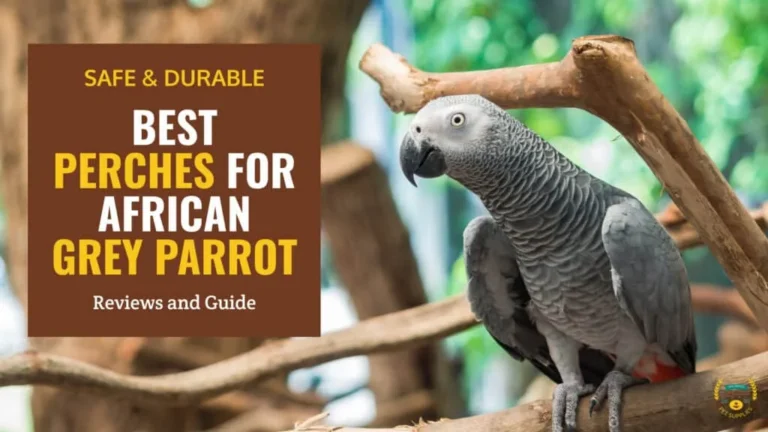
What Do Parrots Eat
Parrots are fascinating, long-lived companions that require careful nutritional planning to stay healthy. Knowing what do parrots eat is the single most important factor in preventing common health issues like obesity and metabolic disorders.
Most pet birds thrive on a diet that mimics their natural variety while providing consistent, balanced nutrients. As of 2026, experts recommend focusing on high-quality prepared foods supplemented with fresh, whole produce.

Image source: Web (Bing) / pinterest.com (Web image (fair-use with source credit))
Quick Answer
Parrots eat a balanced mix of formulated pellets and fresh vegetables.
Seeds and nuts should only serve as occasional training treats.
Avoid all toxic foods like avocado, chocolate, and caffeine.
Fresh, clean water is required daily for all species.
Consistency and variety are the keys to long-term health.
Why Your Parrot’s Diet is a Matter of Life and Death
A bird's health is directly tied to the food it consumes every day. Unlike wild parrots that fly miles to forage for different plants, your pet depends entirely on you for its nutrition. Feeding the wrong things leads to chronic illness quickly.
Many common bird ailments stem from malnutrition or excessive fat intake. For instance, diets too high in sunflower seeds often lead to fatty liver disease. Providing a nutrient-dense diet is the most effective way to extend your bird's lifespan.
When your bird eats well, it shows in its feathers, energy, and temperament. Proper nutrition supports immune function and helps prevent metabolic bone disease. We treat food as medicine and preventative care.
The Foundation: Formulated Pellets vs. Seed-Heavy Diets
Formulated pellets are the industry standard for psittacine nutrition. These small, compressed bites contain a precise blend of grains, proteins, vitamins, and minerals. They prevent the dangerous picking behavior common with loose seed mixes.
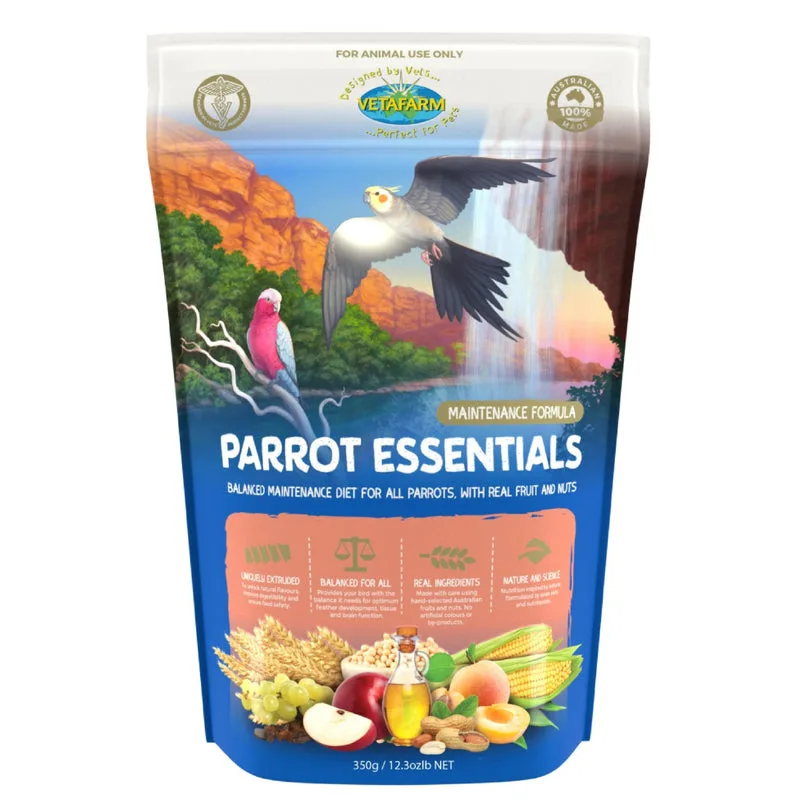
Image source: Web (Bing) / birdpalproducts.com (Web image (fair-use with source credit))
If you provide a seed mix, birds often choose the high-fat seeds first. This leaves them missing out on essential vitamins like Vitamin A and Calcium. Pellets ensure every bite provides the same nutritional profile.
Veterinary research from institutions like the Association of Avian Veterinarians confirms that pellets should represent the majority of daily intake. Aim for these general ratios for most companion parrot species:
- Pellets: 60 to 80 percent of total calories.
- Fresh Vegetables: 20 to 30 percent.
- Treats/Seeds: 5 to 10 percent maximum.
Building the Perfect Chop: Integrating Fresh Produce and Nutrients
Chop is the term parrot keepers use for a finely diced mixture of fresh vegetables and grains. It turns healthy produce into a convenient, daily salad for your bird. The goal is to provide a wide range of colors.
Dark, leafy greens are the top priority for a healthy chop. Kale, swiss chard, and dandelion greens offer essential minerals that pellets might lack. We suggest mixing these with crunchy options like broccoli or shredded carrots.
Preparation is simple and keeps your bird engaged. Wash all produce carefully to remove any pesticide residue. Chop everything into small, bite-sized pieces that are easy for your specific bird size to manage.
You can batch-prepare your chop for the week. Store portions in airtight containers in the freezer, then thaw them overnight in the fridge. Always remove any uneaten fresh food after a few hours to prevent bacterial growth.
The Dangerous Never-Feed List: Foods That Can Be Fatal
Some common kitchen items act as potent toxins for parrots. You must keep these items strictly out of reach at all times. Even tiny amounts can cause irreversible organ damage or immediate collapse.
- Avocado: The skin and flesh contain persin, which causes heart damage.
- Chocolate: Contains theobromine, which leads to seizures and heart failure.
- Caffeine: Found in coffee, tea, and soda, this causes dangerous heart arrhythmias.
- Onions and Garlic: These contain compounds that damage red blood cells and cause anemia.
- Fruit Pits: Apples, cherries, and apricots contain amygdalin, which releases cyanide when digested.
Always verify the safety of any human food before offering it. If you suspect your bird ingested something toxic, call your veterinarian immediately. Time is a critical factor in treating potential poisoning cases.
Managing the Transition: Strategies for the Picky Eater
Switching a bird from a seed-heavy diet to pellets is notoriously difficult. Birds are neophobic, meaning they often fear new food items. Never make an abrupt switch, as your bird might starve rather than eat strange-looking pellets.
Start by mixing a small amount of pellets into their existing seed bowl. Slowly increase the ratio of pellets while decreasing the seeds over several weeks. Your bird needs to learn that the new, crunchy shapes are actually food.
Use these tactics to speed up the process:
- Lead by Example: Eat the healthy food in front of your parrot.
- Hand Feeding: Sometimes a bird will accept a pellet if it comes from your hand.
- Warmth and Moisture: Slightly dampening pellets or serving them warm can spark curiosity.
- Visual Mimicry: Sprinkle a few crushed pellets over their favorite vegetable chop.
Patience is your best tool during this process. Some birds take months to accept a new diet entirely. Continue monitoring their weight daily to ensure they are eating enough during the transition.
Assessing Health: Monitoring Weight, Behavior, and Crop Health
You can catch nutritional problems early by keeping a close watch on your parrot's daily routine. Small changes in habits often signal that something is wrong with the bird's diet or general well-being. Regular monitoring is essential for any bird owner.
We recommend weighing your bird on a gram scale at least once a week. Sudden weight loss or gain is a primary indicator of metabolic or nutritional trouble. A healthy bird should maintain a consistent weight, with minor seasonal fluctuations expected.
Watch your bird's physical condition as well. Healthy birds have bright, clear eyes and feathers that appear smooth and vibrant. A dull or ruffled appearance often points to a lack of proper nutrients or poor grooming habits.
Finally, keep an eye on the crop. This is the pouch at the base of the neck where food is stored before digestion. A bird with a proper diet will have a crop that fills and empties predictably during meal times.
Expert Tips for Sustainable Foraging and Long-Term Wellness
Parrots spend a large portion of their day foraging for food in the wild. You should recreate this experience at home to support their mental and physical health. Simply placing a bowl of food in the cage ignores their natural behavioral needs.
Hide pellets or treats inside foraging toys or cardboard boxes. This forces your bird to work for its reward, which mimics natural calorie-burning activities. It keeps them physically active while preventing boredom.
Rotate your foraging toys frequently to keep the challenge fresh. You can also offer whole produce that requires peeling or shelling, like unshelled peas or corn on the cob. This activity promotes dexterity and keeps their beaks in great shape.
Sustainable wellness relies on making food an activity rather than a passive meal. A busy bird is a healthy bird. When you make them work for their food, you reduce stress and prevent destructive behavior.
Frequently Asked Questions
Is it safe to feed my parrot bread or pasta?
While birds can eat bread or pasta, they should only receive these in very small quantities. These foods are mostly simple carbohydrates that offer little nutritional value. They can lead to obesity and don't provide the vitamins or minerals found in fresh vegetables or pellets.
How often should I offer my parrot fresh water?
You must provide fresh, clean water every single day. Parrots often dunk their food into their water bowls, which quickly leads to bacterial growth and contamination. We recommend changing the water twice daily or whenever it looks dirty to keep it safe for consumption.
Can parrots eat fruit?
Fruit is generally fine as an occasional treat, but it should not be a primary food source. Most fruits are high in sugar, which can lead to weight gain if overfed. Limit fruit to about 5 percent of the total diet and stick to nutrient-dense vegetables instead.
What should I do if my bird refuses to eat vegetables?
Start by experimenting with different textures to see what your bird prefers. Some birds dislike raw carrots but love them when they are lightly steamed. You can also try chopping the vegetables into different shapes or mixing them into a warm grain mash to encourage tasting.
Do parrots need mineral blocks or cuttlebone?
Most parrots benefit from a cuttlebone or a mineral block to maintain beak health and calcium levels. These items provide essential minerals that are often missing from standard diets. Consult with your veterinarian to ensure the specific type you choose is appropriate for your bird species.