What Do House Finches Eat
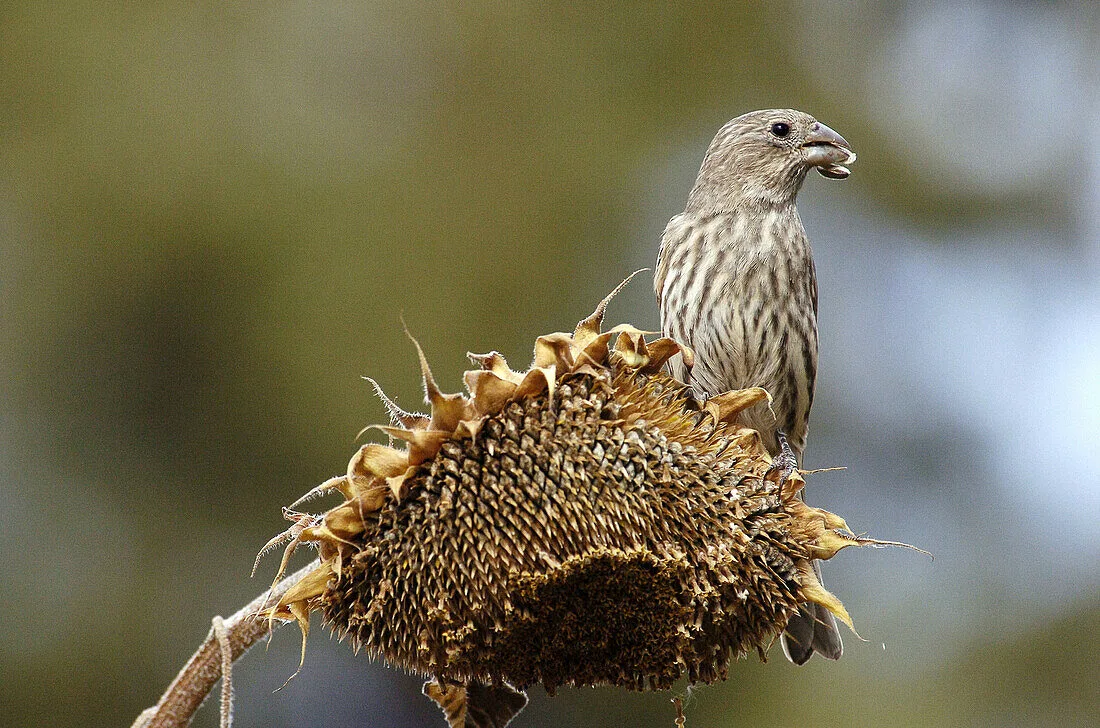
Image source: Web (Bing) / lookphotos.com (Web image (fair-use with source credit))
Deciding what do house finches eat can be a fun way to connect with nature right in your backyard. These common, cheerful birds are often seen at feeders, but their natural diet is varied. Understanding their preferences helps you provide the best food, whether you're aiming to attract them, support their health, or simply observe their feeding habits.
Our research indicates that House Finches, scientifically known as Haemorhous mexicanus, are primarily granivores, meaning they eat seeds. However, their diet isn't limited to just seeds; it also includes buds, fruits, and even small insects, especially when they have young to feed. According to data from the Cornell Lab of Ornithology, seeds make up about 70% of their diet throughout the year.
Quick Answer
House finches primarily eat seeds, with sunflower seeds being a top favorite. They also consume buds, fruits, and small insects, particularly for their young. Providing black oil sunflower seeds, nyjer seed, and millet in feeders will attract them.
What Seeds and Foods Do House Finches Love Most?
House Finches are quite adaptable when it comes to their food sources, but our research points to a few clear favorites that reliably draw them in. Seeds form the cornerstone of their diet, making up a significant portion of what they consume year-round. Among these, sunflower seeds stand out as a particular delicacy.
Black oil sunflower seeds are often preferred due to their thin shells and high oil content, which provides much-needed energy, especially during colder months. Striped sunflower seeds are also a good option, though they can be slightly harder for smaller birds to crack open.
Beyond sunflower seeds, House Finches also have a notable fondness for nyjer seed, sometimes called thistle seed. This tiny, oil-rich seed is a staple for many finch species. It's best offered in specialized feeders designed to dispense such small seeds without waste.
White proso millet is another common and well-received seed, often found in general bird seed mixes. Safflower seed is a slightly more specialized offering; while many birds enjoy it, it's also known for deterring less desirable visitors like squirrels and grackles, making it a strategic choice for backyard feeders.

Beyond Seeds: The Role of Insects and Fruits
While seeds are their main meal ticket, House Finches aren't strictly vegetarian. Our analysis of bird dietary studies confirms that buds, fruits, and small insects play a crucial role in their overall nutrition. These additional food sources are especially important during specific times of the year, like the breeding season, and for the development of young birds.
Understanding these varied components helps us appreciate the full spectrum of what do house finches eat and how we can support them.
Fruits become more prominent in their diet during warmer months. They'll readily take to berries from bushes in your garden, and can be observed pecking at fallen apples or even sipping nectar from flowers. The consumption of buds and blossoms, particularly from trees like elms and birches, adds essential vitamins and moisture to their diet.
These softer foods are easier to process and offer a different nutritional profile than hard seeds.
When Bugs Become Brain Food: Feeding Chicks
The dietary needs of House Finch chicks are quite different from those of adults. While adult finches are adept at cracking seeds, young birds are still developing their digestive systems and require more easily digestible, nutrient-dense food. This is where insects become critically important.
Our research, drawing from ornithological studies, indicates that a substantial portion of a nestling's diet consists of small arthropods.
These insects, which can include caterpillars, aphids, and other tiny invertebrates, provide the high protein and fat content essential for rapid growth. Parents will diligently forage for these small morsels and bring them back to the nest. For backyard observers, this highlights the importance of a healthy insect population in your garden or local area, as it directly supports the reproductive success of birds like the House Finch.
Without these protein-rich snacks, young finches wouldn't receive the building blocks they need to fledge and survive.
A Fruit Feast: Berries, Apples, and Beyond
As the seasons change and various fruits ripen, House Finches expand their palate. While they might not travel long distances solely for fruit, they will certainly take advantage of it when it's readily available in their environment. This includes a wide array of wild berries, such as those from serviceberry, elderberry, and juniper plants.
In suburban and urban settings, they're also known to forage on ornamental shrubs that produce fruits.
Home gardeners might find House Finches sampling their fruit crops. They often go for softer fruits that are easy to peck at and consume. Small, ripe berries are a prime target, but they've also been observed feeding on parts of apples, pears, and even grapes if accessible.
Offering a small amount of unsprayed, chopped fruit like apples or oranges at a feeder can be an attractive supplement, particularly in times of natural scarcity. It's important to ensure any fruit offered is fresh and free from pesticides to avoid harming the birds.
Smart Feeding: Choosing the Right Seeds and Feeders
Providing food for House Finches at your feeder is rewarding, but knowing what to offer and how to present it makes all the difference. The goal is to attract these birds while also offering them the most nutritious options and minimizing waste. Our analysis of avian dietary needs suggests that a thoughtful approach to seed selection and feeder type can significantly enhance the experience for both you and the finches.
The Best Seed Choices for House Finches
When you're stocking up on birdseed, prioritize items that House Finches have demonstrated a strong preference for. As mentioned, black oil sunflower seeds are a top-tier choice. Their high fat content and relatively easy-to-crack shell make them a calorie-dense powerhouse. Striped sunflower seeds are a good alternative, though some birds may prefer the black oil variety.
Nyjer seed (or thistle seed) is another excellent option, especially if you want to attract finches and deter larger birds or squirrels. This tiny seed is packed with oil and is a favorite. You'll need a feeder specifically designed for nyjer seed, usually with small ports to prevent it from spilling out.
White proso millet is a common filler in many mixes, and House Finches will eat it readily. It's a good source of carbohydrates. If you’re buying a mix, look for one where millet and sunflower seeds are among the first ingredients listed.
Safflower seed is a more selective offering. While House Finches do eat it, many common feeder birds like grackles and squirrels tend to avoid it, making it a strategic choice for a finch-focused feeder. It has a slightly bitter taste that deters some pests but is generally palatable to finches.
Feeder Types That Attract House Finches (and Keep Others Away)
The type of feeder you use plays a big role in what birds visit your yard. For House Finches, tube feeders are often ideal, particularly those designed for smaller seeds like nyjer. These feeders have small perches and ports that are a good size for finches but can be challenging for larger birds to feed from comfortably.
Hopper feeders can also work, especially if they are stocked with sunflower seeds or a quality finch mix. These feeders offer more protection from the elements and can hold a larger quantity of food. Tray or platform feeders are less selective; while finches will use them, they tend to attract a wider variety of birds, including pigeons and grackles, and can lead to more waste.
To specifically target House Finches and minimize distractions, consider using feeders that dispense nyjer seed or safflower seed. These specialized options often do a better job of ensuring the food goes to the intended visitors. As of 2026, many manufacturers offer feeders with adjustable perches or guards to further cater to specific bird sizes.
Avoiding Trouble: Common Feeding Mistakes and Risks
Feeding wild birds is a rewarding hobby, but it's not without its potential pitfalls. Our research highlights several common mistakes that can inadvertently harm the birds you're trying to help or create unwanted problems in your yard. Being aware of these risks is just as important as knowing what seeds to offer.
Why "Too Much of a Good Thing" Can Be Bad
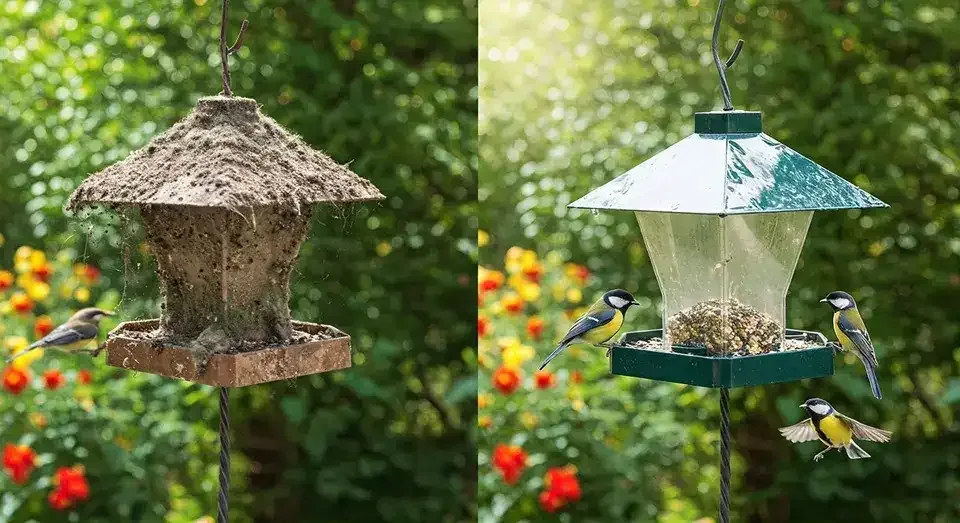
It might seem counterintuitive, but overfeeding or providing too much food at once can cause problems. When large amounts of seed are left out for extended periods, especially in damp weather, it can spoil. Moldy seed is a significant health hazard for birds, capable of causing respiratory infections and other serious illnesses.
It's better to offer smaller quantities of fresh food more frequently.
Also, an overflowing feeder can attract unwanted guests like rodents and squirrels. While some interaction is inevitable, excessive food left on the ground can create a feeding station for pests, leading to unsanitary conditions and potential property damage. Our analysis of backyard wildlife management suggests a measured approach is key, refilling feeders based on observed consumption rather than simply topping them up regardless of what’s left.
Keeping Feeders Clean to Prevent Disease
Hygiene is paramount when feeding birds. Feeders are often shared spaces, and birds can transmit diseases to one another through contaminated food or water. According to guidance from the U.S.
Fish and Wildlife Service, regular cleaning is essential for preventing the spread of common avian illnesses. A simple cleaning routine can save lives.
Here's a basic cleaning schedule:
- Once a week: Empty any remaining seed, scrub the feeder with a stiff brush and hot, soapy water, and rinse thoroughly. For tougher grime or signs of mold, a weak bleach solution (1 part bleach to 9 parts water) can be used, but it must be rinsed exceptionally well and allowed to dry completely before refilling.
- Twice a week in warm weather: In warmer months, bacteria and mold grow faster. Aim for at least two cleanings per week to ensure freshness and safety.
- Inspect regularly: Look for any signs of mold, dampness, or spoiled food. If you see it, discard the food immediately and clean the feeder.
This diligent maintenance helps ensure that your feeders are a safe haven, not a source of illness, for birds like the House Finch.
What NOT to Feed House Finches
Just as important as knowing what to feed House Finches is knowing what to avoid. Some human foods and certain types of bird feed can be detrimental to their health. Our research compilation shows several items to steer clear of entirely.
- Bread and baked goods: These offer little nutritional value and can fill a bird's stomach, making them feel falsely full while not providing the energy they need.
- Salty snacks: Birds have a low tolerance for salt, and too much can be toxic.
- Milk or dairy products: Birds cannot digest lactose, and it can cause digestive upset.
- Avocado: Contains a substance called persin, which is toxic to many birds.
- Chocolate: Highly toxic to birds, just as it is to dogs.
- Moldy or spoiled seeds: As discussed, these are a major cause of illness. Always check your seed for freshness.
- Raw or uncooked rice: While often cited as dangerous because it supposedly "explodes," this is a myth. However, uncooked rice can carry bacteria and mold, making it a risky choice. Cooked rice is generally safe in small amounts if unsalted.
Stick to high-quality bird seed mixes, individual seeds like sunflower and nyjer, and natural fruits and buds for the safest and most beneficial diet for your visiting finches.
Seasonality Matters: Adapting to Your Finch's Needs
The diet of a House Finch isn't static; it shifts based on the time of year and the availability of natural food sources. Understanding these seasonal changes can help you provide more appropriate supplemental food, or simply appreciate why certain food items might be more or less popular with your visitors at different times. Our seasonal analysis indicates that while seeds are a year-round staple, other food types become more or less critical depending on the calendar.
During the spring and summer breeding season, the demand for protein and fat skyrockets. This is when insects, buds, and fruits become particularly important. Parent finches work tirelessly to feed their rapidly growing young, and the high-energy, easily digestible nature of insects and soft fruits is crucial for nestling development.
If you observe finches with chicks, you might notice them spending more time foraging for these protein-rich items rather than solely on seeds.
As autumn arrives and the breeding season concludes, the focus shifts back heavily towards seeds. Migratory birds, if any are present in your area, will also be stocking up on energy-dense foods. This is when your feeders filled with sunflower seeds and millet are most valuable.
Winter presents its own challenges, with natural food sources becoming scarce. High-fat seeds like sunflower and suet (though finches are not primary suet eaters, they might sample it) provide the essential calories needed to maintain body heat and energy levels in colder temperatures. Providing consistent access to a good quality seed mix during winter can be a lifeline for local bird populations.
Frequently Asked Questions About House Finch Diets
What is the single best food to attract House Finches?
The single best food to attract House Finches is consistently black oil sunflower seeds. Their high fat content and palatable nature make them a top choice for these birds year-round.
Can I feed House Finches breadcrumbs?
No, it's best to avoid feeding House Finches breadcrumbs. Bread offers very little nutritional value and can fill them up, preventing them from seeking out the essential nutrients they need from seeds, fruits, and insects.
Is it okay to feed House Finches if it's raining or snowing?
Yes, it's generally beneficial to continue feeding House Finches during rain or snow. These conditions can make natural food sources scarce or inaccessible, so supplemental feeding becomes even more important for their survival and energy needs. Just ensure feeders are protected from excessive wetness to prevent mold.
How often should I clean my bird feeders?
You should clean your bird feeders at least once a week, and more often (twice a week) during warm, humid weather to prevent the buildup of mold and bacteria, which can spread disease among birds.
Do House Finches eat suet?
While House Finches are primarily seed-eaters, they may occasionally sample suet, especially during harsh winter conditions when other food sources are scarce. However, suet is not a primary food for them, and they generally prefer seed or fruit.
Getting Started: Your Finch-Friendly Backyard Plan
Creating a haven for House Finches in your backyard is simpler than you might think. It starts with understanding what do house finches eat and then setting up your feeding station thoughtfully. Focus on providing the right food in the right way, and you'll likely see these delightful birds visiting regularly.
First, select a feeder that suits their preferences. Tube feeders designed for small seeds like nyjer, or feeders offering black oil sunflower seeds, are excellent choices. If you're looking to deter less desirable visitors, consider a feeder that dispenses safflower seed.
Remember to place your feeders in a location that offers some protection from predators, perhaps near shrubs or trees where finches can quickly retreat if startled, but not so close that squirrels can easily jump onto them.
Next, stock your chosen feeder with high-quality food. Prioritize black oil sunflower seeds and nyjer seed. You can also use a good quality finch mix that prominently features these seeds.
If you enjoy offering variety, supplement with small amounts of fruits like berries or chopped apples, ensuring they are fresh and unsprayed. Finally, commit to a regular cleaning schedule for your feeders, at least weekly, more often in warm weather. This commitment to hygiene is crucial for the health of your feathered visitors.