Different Types of Birds
Learning to identify different types of birds turns a simple walk outside into a rewarding exercise in observation. You don't need a degree in biology to start noticing the distinct traits that define the species living in your neighborhood.
As of 2026, the American Ornithological Society recognizes over 2,000 native species in North America alone. Understanding these categories helps you organize your sightings and build a personal life list with confidence.
Quick Answer
Different types of birds are grouped by shared physical and behavioral traits. Scientists classify these birds using the taxonomic system. Most backyard birders sort them by size, habitat, and song.
Common categories include songbirds, raptors, and waterfowl. These groups help observers refine their identification skills.
Understanding Jizz and Other Visual Cues
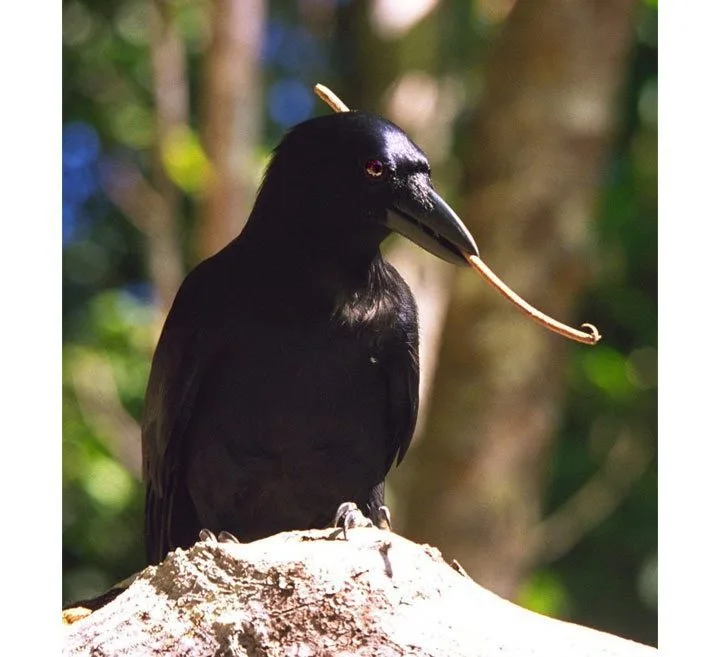
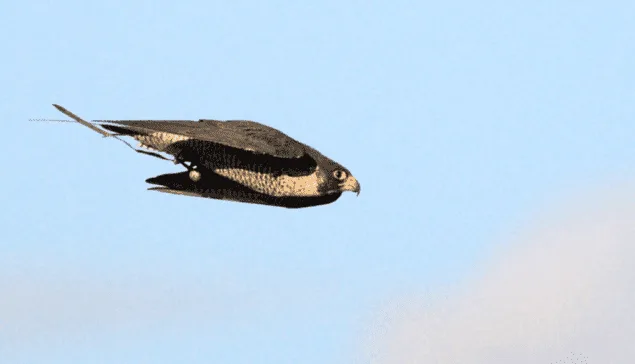
Birders often talk about "jizz," a term that refers to the total impression of a bird. It is the immediate, instinctive sense you get from an animal before you even count its feathers. You aren't just looking at color patches.
You are observing the bird's overall posture, its energy, and the way it occupies space in the air or on a branch.
When you scan a tree line, your brain naturally picks up on these subtle signals. Does the bird look stiff and upright, or is it soft and hunched? Does it move with frantic, jerky hops, or does it glide with smooth precision?
This gut-level read is often more reliable than trying to spot a tiny field mark on a moving target.
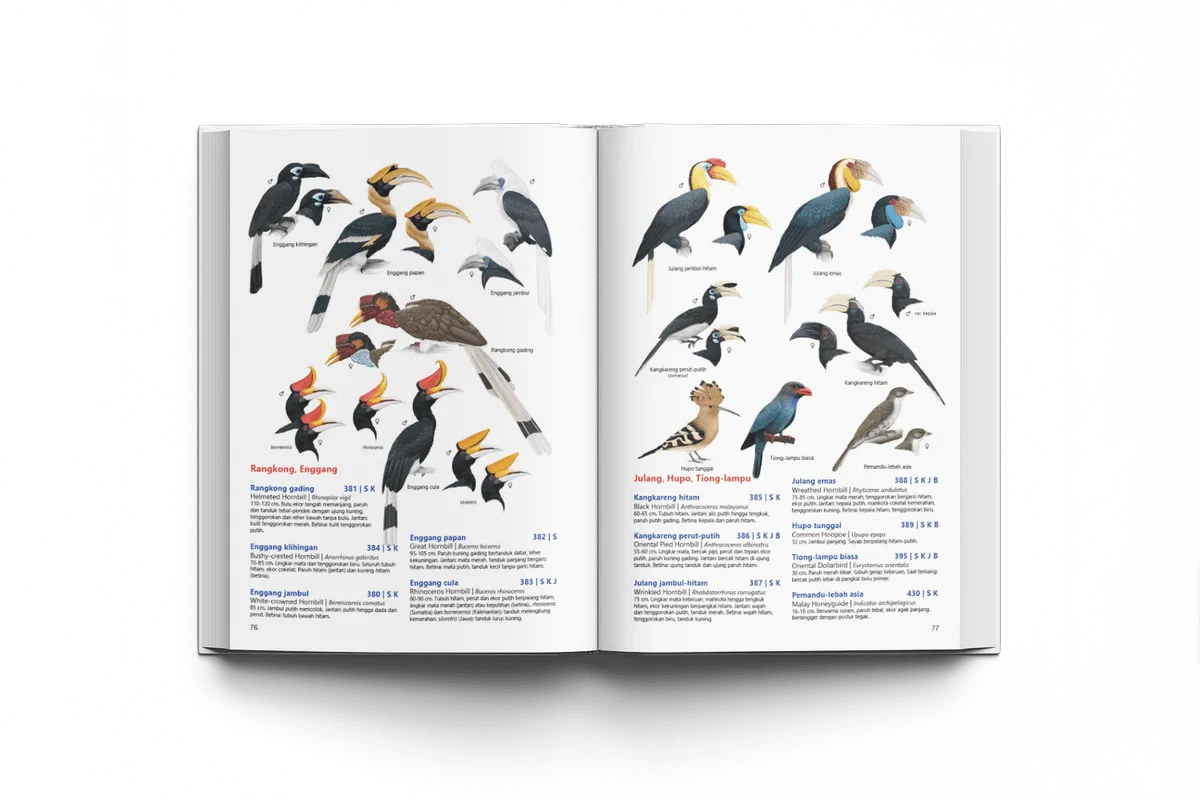
Image source: Bing (Web (fair-use with source credit))
Mastering this skill takes time, but it saves you from guessing based on limited views. If you see a medium-sized bird with a heavy, thick bill, you might guess it is a member of the finch family. Once you have that initial jizz, the specific details follow.
You’ll look closer to see if the wing bars match the patterns listed in your Cornell Lab of Ornithology guides.
The Essential Four: Size, Shape, Color, and Behavior
To identify a bird with accuracy, you should break your observation down into four main categories. Focusing on all four at once is nearly impossible for a beginner. Try to isolate one attribute at a time to keep your notes organized.
Size is your first indicator. Compare the bird to a known reference, like a House Sparrow or an American Robin. Is it significantly larger or smaller than those standards?
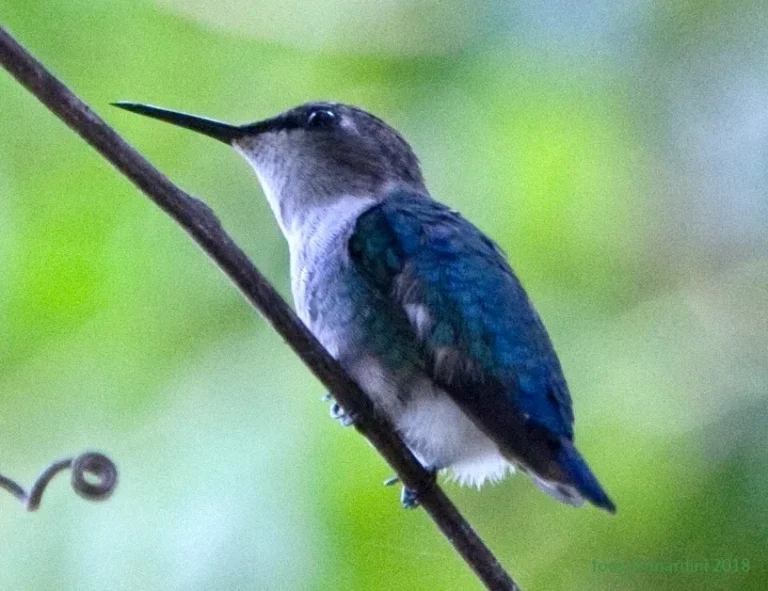
Shape follows size closely. A bird with a short, thick beak is likely a seed-eater, while a long, needle-like beak belongs to an insectivore.
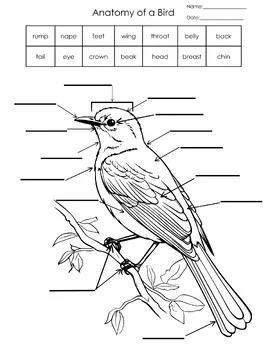
Image source: Web (Bing) / teacherspayteachers.com (Web image (fair-use with source credit))
Color patterns are the most obvious feature, but they can be deceptive. A bird that looks bright red in the sun might look dull brown in the shade. Look for the anchors of the plumage.
Does the bird have a white eye ring? Are there distinct bars on the wings? These markers are consistent even when the light changes.
Behavior is the final piece of the puzzle. How does the bird interact with its environment? Woodpeckers are famous for their vertical movement, while sparrows usually forage on the ground.
Watching these patterns gives you context that a static photo never could.
Mapping the Habitat: Why Where You Look Matters
Habitat acts as a filter for your identification efforts. You aren't going to find a wood duck in the middle of a dry, open meadow, nor will you see a prairie warbler deep in a dense, dark swamp. Research from the [U.S.
Fish and Wildlife Service](https://www.fws.gov) emphasizes how specific ecosystems support unique avian populations.
Understanding the local geography helps you eliminate dozens of possibilities before you even lift your binoculars. If you are standing in a suburban park, focus your search on species that thrive in edge habitats. These are the areas where woods meet open grass, which is a prime zone for many common songbirds.
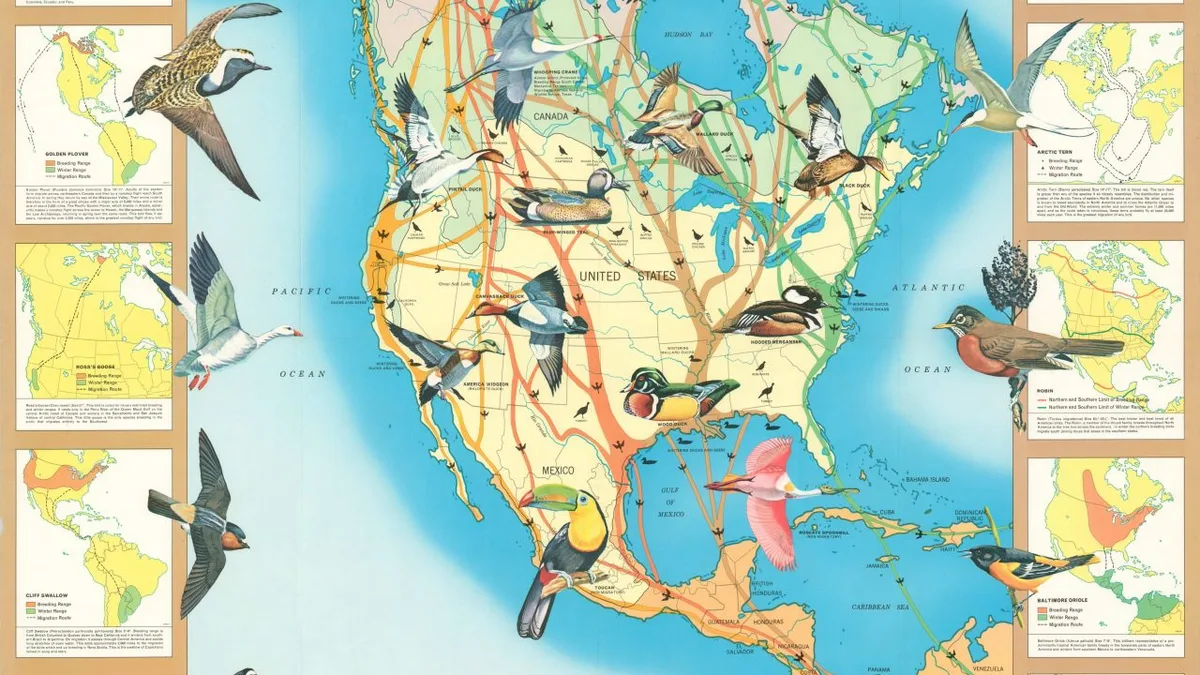
Image source: Bing (Web (fair-use with source credit))
Seasonal shifts change the map entirely. A species that is abundant in your area during the summer might fly thousands of miles south for the winter. Check your regional birding checklists to see which birds are currently in your area.
If you find a bird that isn't supposed to be there, take a photo. It could be a rare migrant, or it might just be a juvenile that hasn't developed its adult coloration yet.
How to Observe Without Disturbing the Birds
Ethical birding is the standard for anyone who wants to enjoy nature responsibly. The primary goal is to observe the bird without altering its behavior. If you notice a bird stop singing or fly away as you approach, you have moved too close.
Back away slowly and use your optics to gain the distance you need for a clear view.
Avoid using recorded bird calls to attract birds during nesting season. This causes significant stress to the parents, who may abandon their territory to defend it against a perceived intruder. Instead, set up a comfortable viewing spot near a feeder or a water feature.
Let the birds come to you at their own pace.
| Action | Why It Matters |
|---|---|
| Stay on trails | Protects nesting grounds |
| Keep your distance | Reduces bird stress |
| Use quiet optics | Prevents scaring the flock |
| Leave no trace | Preserves the habitat |
Respecting the privacy of the birds ensures that they return to your site year after year. If you find a nest, keep your distance. Don't post the exact location on social media if it is a sensitive or rare species.
Protecting these individuals is more important than checking a box on your list.
Common Identification Mistakes and How to Fix Them
The most frequent error beginners make is over-relying on color. Lighting conditions and feather wear can make a bird look completely different from the pictures in your book. A bird that looks grey in the morning light might show hidden blues or greens once the sun hits it at a different angle.
Another common mistake is forgetting about the life cycle. Juveniles rarely look like their parents. A young hawk might have different streaking patterns than an adult, and many songbirds go through a transition stage where their plumage is intermediate.
Don't be discouraged if you can't identify every single individual.
- Avoid "Name That Bird" anxiety. It is okay to label a sighting as unidentified in your notes.
- Check the season. If you see something impossible, check if it's a winter visitor or a summer migrant.
- Trust the shape. When in doubt, prioritize body shape and bill size over color patterns.
- Look for movement. If the bird is flying, study its wing beats and silhouette against the sky.
Practical Field Techniques for Better Accuracy
Scanning an area effectively requires a systematic approach that prevents you from missing hidden species. Don't just swing your binoculars across the horizon. Divide your field of view into manageable horizontal strips, starting from the ground and working upward.
Use triangulation to lock onto a target. If you see a bird land in a dense canopy, pick a prominent landmark like a specific tree branch or a patch of sunlight. Keep your eyes fixed on that point while you bring your optics to your eyes.
This prevents you from losing the bird the moment you break eye contact to reach for your gear.
Data logging provides long-term value to your observational efforts. Note the date, time, and specific weather conditions for every significant sighting. If you are participating in community science programs, you can share these logs to help researchers track local population shifts.
Precision in your notes helps you grow. If you see a bird that looks like a common warbler but has a slightly different pattern, describe that exact detail immediately. Your written record will become a powerful reference tool for future identification challenges.
Frequently Asked Questions About Identifying Birds
What is the easiest way to identify birds for a beginner?
The most effective method is to learn the five most common species in your local area first. Once you know your regulars, anything new will stand out immediately. Focus on size and movement patterns before worrying about subtle color differences.
How do I tell the difference between similar-looking species?
Look for the field marks that don't change with lighting or seasonal plumage. Check the shape of the bill, the presence of an eye ring, or the pattern of wing bars. Compare the bird to a standard size reference like a sparrow or a pigeon.
Why do some birds look different in the winter?
Many species undergo a seasonal molt that changes their color to match their environment or prepares them for migration. Some males lose their bright breeding colors after the mating season ends. Always check a guide that shows both breeding and non-breeding plumage.
Is it necessary to use expensive binoculars to see birds well?
High-quality optics certainly help, but they are not required for backyard identification. A standard 8×42 pair of binoculars provides a great balance of magnification and light. The most important tool is your ability to stay patient and observe quietly.
What should I do if I find an injured bird?
Never attempt to handle an injured raptor or large bird without professional training. Contact your local wildlife rehabilitator or a state environmental agency for specific guidance. Keep the animal in a quiet, dark box until you can reach an expert who knows how to handle the situation safely.