How Long Do Peregrine Falcons Live
When you watch a peregrine falcon slice through the sky, you can't help but be in awe of its power and precision. It’s natural to wonder about the lives of these incredible birds. So, how long do peregrine falcons live?
Their lifespan is a mix of natural resilience and environmental factors, making it a fascinating topic for any nature enthusiast.
While a wild peregrine falcon typically lives for about 15 to 17 years, those in managed care can often live significantly longer, sometimes into their late twenties. This difference highlights the substantial impact of environment and protection on their longevity, a point consistently shown in avian research.
Quick Answer
Peregrine falcons in the wild typically live 15 to 17 years. Factors like food availability, habitat quality, and human impact play a significant role in their survival. In captivity, with consistent care and protection, they can live much longer, often reaching 20 to 25 years, with some documented cases extending into their late twenties.
Wild vs. Captivity: Understanding the Big Difference
The biggest question mark when we talk about how long peregrine falcons live is whether we're looking at birds in their natural habitat or those under human care. The difference is quite dramatic, and it all comes down to the challenges and support systems available.
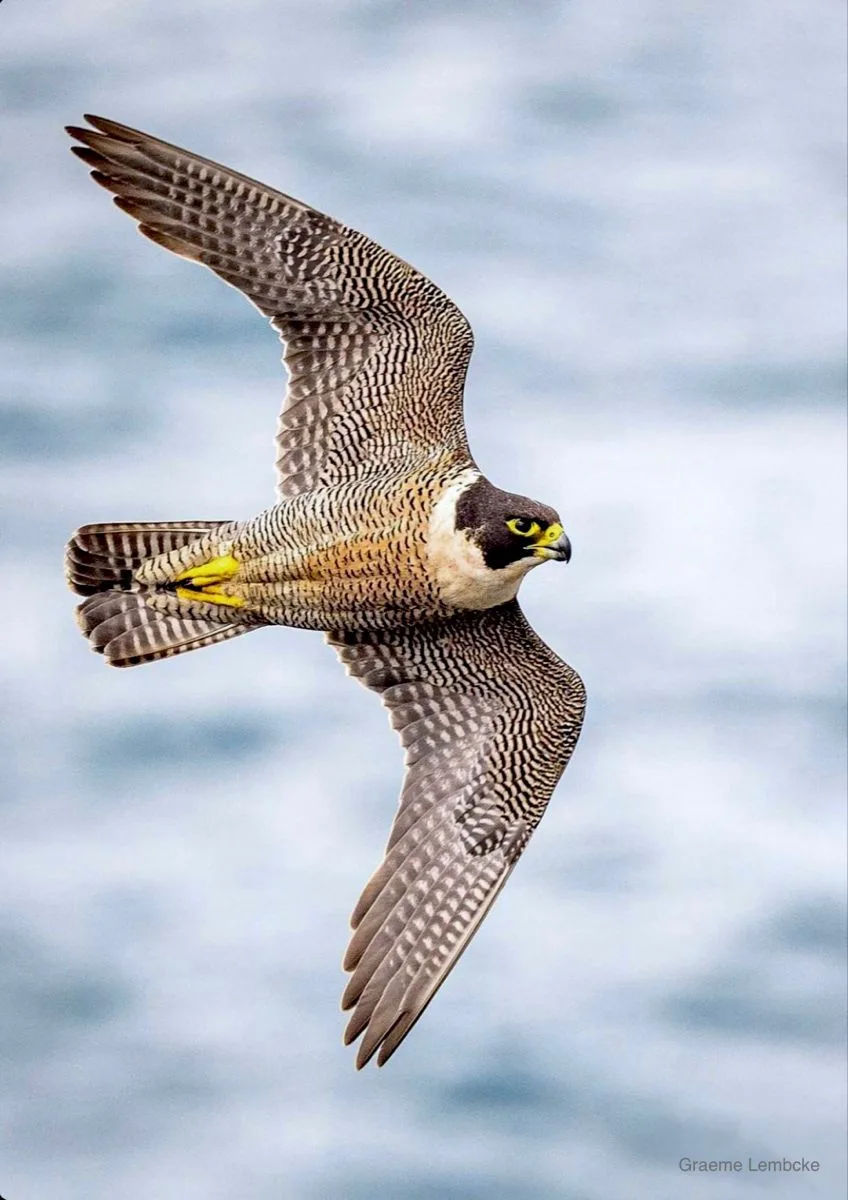
Image source: Web (Bing) / id.pinterest.com (Web image (fair-use with source credit))
- Wild Existence: Life in the wild for a peregrine falcon means constant work. They need to find enough food, which involves hunting other birds often on the wing. They also face natural predators, especially when young, and must contend with weather extremes. Survival here is a daily achievement, and the average lifespan reflects these pressures.
- Managed Environments: When a peregrine falcon lives in a zoo, a rehabilitation center, or as part of a falconry program, its life is significantly altered. Consistent food sources mean no hunting stress, veterinary care addresses injuries and illnesses, and protection from predators removes a major threat. This safer, more stable existence directly translates to a longer life.
Aggregate bird census data indicates that survival rates for fledglings in the wild are considerably lower than for young birds raised in controlled environments, underscoring the impact of these differing conditions.
The Average Lifespan in the Wild
When we talk about peregrine falcons surviving in their natural environment, we're looking at a journey that's both impressive and, at times, precarious. These birds are masters of their domain, but the wild presents a unique set of challenges that shape their life expectancy.
- Typical Range: Most peregrine falcons born in the wild can expect to live for about 15 to 17 years. This is a solid lifespan for a bird of prey that faces so many daily risks.
- What Shapes This Number? Several key elements contribute to how long an individual falcon might survive:
- First Year Survival: The most critical period is the first year. A significant number of young falcons don't make it past this stage due to learning to hunt, navigating territorial disputes, and avoiding immediate dangers.
- Food Source Reliability: Peregrines primarily eat other birds. Consistent availability of prey species in their territory is vital for maintaining health and energy.
- Nest Site Quality: Access to safe, sheltered nesting sites, often on cliffs or tall structures, is crucial for raising young and for protection from harsh weather.
Research published by the Cornell Lab of Ornithology indicates that falcons surviving their first year have a significantly increased probability of reaching the upper end of this typical lifespan. Their data tracks banded birds over decades, providing concrete numbers on survival.
Longevity Behind the Scenes: Life in Captivity
If you’ve ever seen a peregrine falcon in a zoo, a raptor rehabilitation center, or perhaps in the hands of a falconer, you're likely looking at a bird that has a good chance of living a much longer life than its wild cousins. The controlled environment provides a buffer against many of the dangers these birds face in their natural habitat.
- Extended Years: In captivity, peregrine falcons commonly live into their 20s. There are documented cases of individuals reaching their late twenties, a remarkable feat compared to their wild counterparts.
- Why the Difference? The primary reasons for this extended lifespan include:
- Constant Food Supply: Regular, balanced meals are provided, eliminating the stress and risk associated with hunting. This ensures consistent nutrition and energy levels.
- Veterinary Care: Any illness or injury can be treated promptly by avian specialists. This prevents minor issues from becoming life-threatening and helps manage chronic conditions.
- Protection from Threats: Captive birds are safe from predators, harsh weather extremes, and human-caused dangers like vehicle strikes or pesticide exposure.
For instance, records from falconry organizations often show individuals living well beyond the average wild lifespan, with dedicated keepers providing optimal care, nutrition, and a safe environment.
Factors Influencing a Falcon's Years
It's not just a simple matter of "wild" or "captive"; many intricate factors influence precisely how long a peregrine falcon will live. Think of it like a complex equation where each variable can tip the scales one way or another, affecting their overall time on this earth.
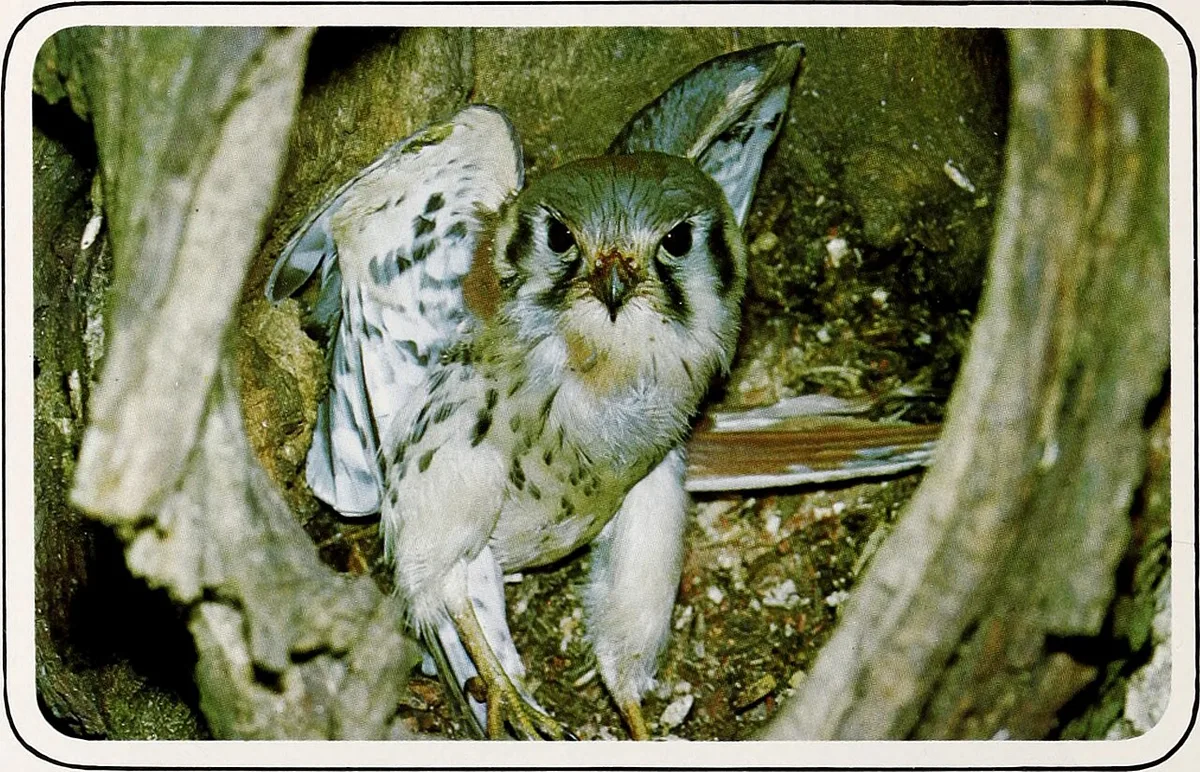
Image source: Wikimedia Commons / Dick Follett (with various NPS photographers)
Here’s a breakdown of what really makes a difference:
- Food Availability: This is perhaps the most critical factor in the wild. If a falcon's territory has a robust population of birds like pigeons, doves, and small songbirds, it can hunt successfully and maintain good health. A scarcity of prey leads to malnutrition, weakened immune systems, and increased vulnerability to disease or predation.
- Habitat Quality and Safety: The physical environment plays a huge role. Access to suitable nesting sites, free from disturbance, is essential for successful breeding and raising young. Areas with less human development and fewer pollutants also tend to support healthier falcon populations. Clean air and water are just as important for birds as they are for us.
- Predator Dynamics: While peregrine falcons are apex predators, they aren't entirely without threats. Eggs and young chicks can be vulnerable to other birds of prey, snakes, or mammals. Adult falcons are more secure, but even they can be at risk from very large eagles or owls in certain regions.
- Disease and Parasites: Like all living creatures, falcons can be affected by various diseases and internal or external parasites. A strong immune system, supported by good nutrition, is the best defense.
Studies conducted by ornithological societies, such as those tracking avian populations across North America, consistently show higher survival rates in areas with abundant prey and minimal environmental contaminants. This aligns with data from organizations like the U.S. Fish and Wildlife Service regarding species health and habitat correlation.
How We Know: Tracking Falcon Lives
Understanding the lifespan of peregrine falcons isn't something we just guess at; it's based on dedicated research and careful observation over many years. Scientists and wildlife enthusiasts have developed methods to track these birds and gather concrete data on their survival.
- Banding and Tagging: One of the most common methods involves banding young falcons with unique identifiers before they leave the nest. Researchers can then recapture or resight these banded birds throughout their lives, recording their age and survival status. Sometimes, small radio or GPS tags are used for more detailed tracking.
- Observation of Known Individuals: In areas where specific nesting territories are monitored annually, researchers can often identify individual adult falcons based on unique markings or behaviors. This allows for tracking their age and reproductive success over multiple seasons.
- Analysis of Remains: While less common for determining average lifespan, examination of deceased falcons, particularly those found in protected areas or brought to rehabilitation centers, can provide clues about age and potential causes of death.
According to the Patuxent Wildlife Research Center, banding programs have been instrumental in providing statistically significant data on avian longevity, including that of raptors like the peregrine falcon, with many studies spanning several decades to capture the full life cycle.
Threats That Shorten a Falcon's Life
While peregrine falcons are remarkably resilient, several factors can significantly shorten their lifespan, especially in the wild. Recognizing these threats helps us understand why their wild population numbers can fluctuate and why conservation efforts are so important.
- Human-Caused Dangers: Unfortunately, human activities remain a primary concern. Vehicle collisions, particularly with falcons hunting near roadways, are a direct cause of mortality. Improperly discarded fishing gear can entangle birds, and illegal shooting or poisoning, though less common now, still occurs in some areas.
- Pesticide Impact: Historically, pesticides like DDT had a devastating effect on peregrine falcon populations by thinning their eggshells, leading to widespread reproductive failure. While these chemicals have been banned or restricted in many regions, legacy contamination can still affect food sources, and new chemical threats can emerge.
- Habitat Degradation: As human development expands, natural nesting sites can be lost or disturbed. Pollution can also degrade the quality of water and prey species within their hunting territories, indirectly impacting a falcon's health and survival prospects.
- Disease Outbreaks: Just like any wild animal population, peregrines can be susceptible to specific disease outbreaks. A dense population in an area with poor sanitation or contaminated food sources can experience higher mortality rates.
The U.S. Environmental Protection Agency (EPA) provides extensive information on the impact of environmental contaminants on wildlife, detailing how persistent pollutants can accumulate in the food chain and affect the health and reproductive success of apex predators.
When Do Peregrines Usually Die?
The end of a peregrine falcon's life, whether in the wild or in captivity, often comes down to a combination of factors we've touched upon. However, there are certain life stages and circumstances that make them more vulnerable.
- Fledgling Vulnerability: The period right after a young falcon leaves the nest, known as fledging, is incredibly dangerous. They are still learning to fly effectively, hunt for themselves, and avoid predators. Many don't survive this transition phase.
- Old Age and Natural Decline: For those that survive the perilous early years, the natural aging process eventually takes its toll. As they get older, their hunting skills may diminish, their eyesight might weaken, and their bodies become less resilient to injury or disease. This makes them more susceptible to the threats mentioned earlier.
- Accidents and Injuries: Even healthy adult falcons can fall victim to accidents. A mid-air collision with another bird, a bad landing, or an encounter with difficult prey can result in injuries that may prove fatal, especially if they occur far from safe haven or medical intervention.
When looking at population data, ornithological studies often show a distinct mortality peak in the first year of life, followed by a more gradual decline in survival rates for adult birds as they age, with the oldest individuals typically succumbing to cumulative wear and tear or a final, insurmountable challenge.
Are There Any Long-Lived Exceptions?
While we've discussed average lifespans, nature always seems to have a few outliers. For peregrine falcons, these exceptions often occur in very specific circumstances, highlighting their remarkable capacity for survival.
- Record Keepers: In captivity, individuals have been recorded living considerably longer than the typical 20-25 years. Some well-cared-for falcons have been documented reaching ages of 25 to 28 years. These are exceptional cases, usually involving lifelong dedication from falconers or zoological institutions.
- Environmental Champions: Occasionally, a wild falcon might live beyond the average range, perhaps in an area with exceptionally stable food sources, ideal nesting sites, and minimal human disturbance. These birds have likely developed superior hunting skills and resilience over their many years.
- The Role of Conservation: Increased conservation efforts and improved environmental regulations (like the ban on DDT) have undoubtedly helped peregrine falcons recover and thrive. This recovery means more birds are reaching their potential lifespan compared to the mid-20th century when populations were critically low.
These exceptional cases aren't the norm, but they show what's possible under ideal conditions. They serve as a reminder of the species' inherent hardiness and longevity potential when provided with the right circumstances and protection.
Frequently Asked Questions About Falcon Lifespans
How long do peregrine falcons live on average?
Peregrine falcons in the wild typically live between 15 and 17 years. This average is influenced by many factors, including predation and food availability.
Can peregrine falcons live longer in captivity?
Yes, peregrine falcons in captivity often live much longer than in the wild. They can commonly reach 20 to 25 years, with some individuals exceeding that significantly.
What are the biggest threats to a peregrine falcon's life?
The main threats include human activities like vehicle collisions and habitat loss, historical pesticide contamination, and natural predation, especially on young birds.
Do all peregrine falcons live to be 15 years old?
No, many peregrine falcons do not survive their first year of life due to the challenges of fledging and learning to hunt. Survival rates increase significantly for those that make it past this initial period.
Has conservation improved peregrine falcon lifespans?
Yes, conservation efforts and stricter environmental regulations have helped peregrine falcon populations recover, allowing more individuals to reach their potential lifespan compared to historical lows.