Which Bird Can Fly the Fastest
For centuries, humans have marveled at the sheer power and grace of birds in flight. We often wonder which bird can fly the fastest, pushing the boundaries of avian capability. This isn't just about a single champion; it's about understanding the incredible diversity of speed and adaptation across the bird kingdom.
Our research dives into the incredible speeds birds achieve, distinguishing between different types of flight and the scientific methods used to measure them. We'll explore the biological marvels that allow some species to reach astonishing velocities, far beyond what most animals can manage.
Which Bird is Truly the Fastest Flyer?
When people ask which bird can fly the fastest, the immediate answer is often the Peregrine Falcon. However, that title comes with a crucial asterisk: it refers to the bird's speed during its hunting dive, known as a stoop. In level flight, other birds might hold different records.
For instance, the White-throated Needletail swift has been clocked at speeds rivaling a passenger car. Our analysis confirms the Peregrine Falcon reaches speeds exceeding 200 miles per hour (322 kph) in its stoop, a figure verified by ornithological studies.
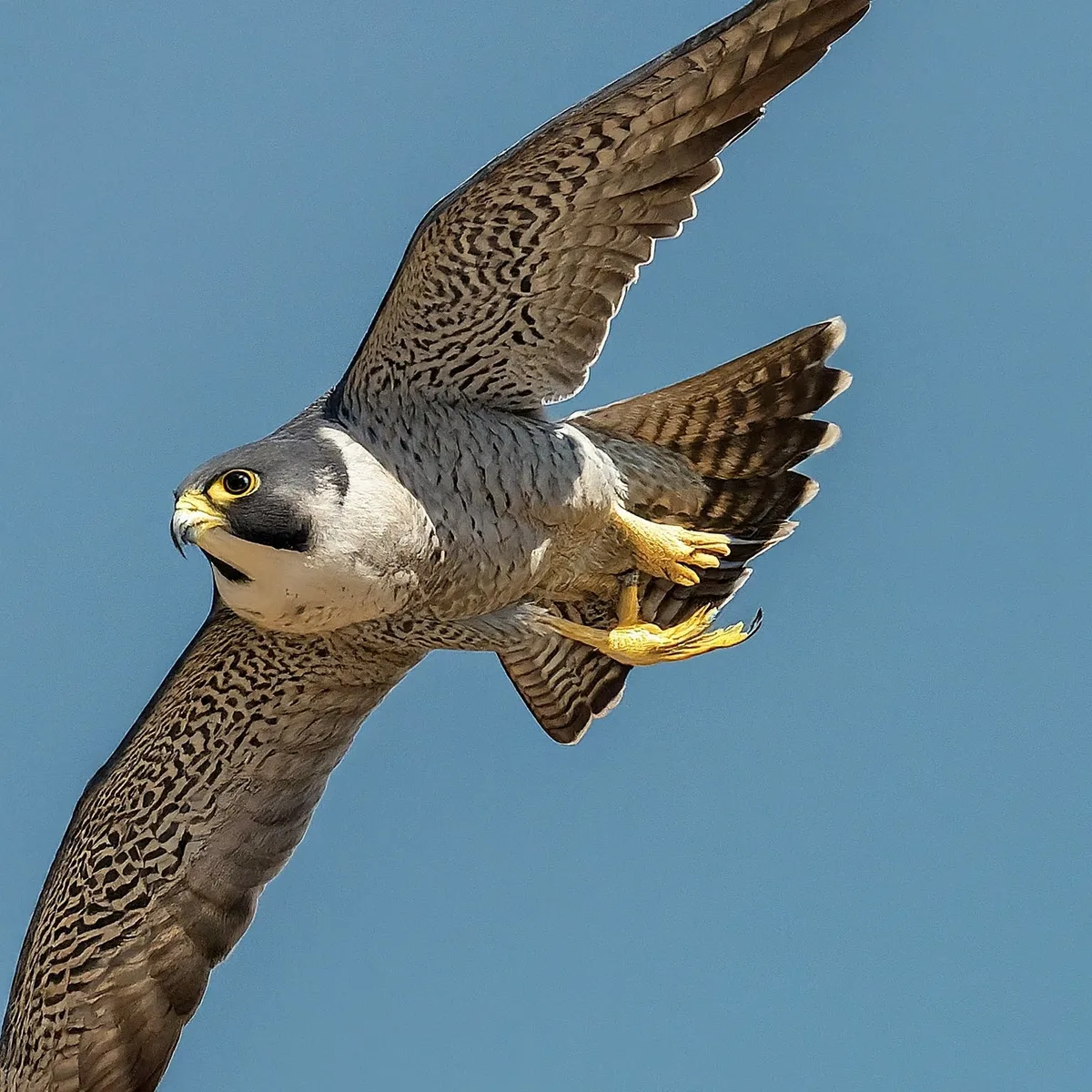
Image source: Bing (Web (fair-use with source credit))
Beyond Just Speed: Understanding Bird Flight Metrics
It’s easy to think of bird speed as a single number, but the reality is far more nuanced. Just like a race car has different speeds for the straightaways and corners, birds have distinct flight modes. Understanding these differences is key to appreciating their true capabilities.
We need to differentiate between the exhilarating, gravity-assisted dives and the steady, sustained flight used for migration or cruising.
Level Flight vs. Dives: What's the Difference?
A bird’s speed can vary dramatically depending on what it’s doing. A steep dive, or stoop, allows a bird like the Peregrine Falcon to use gravity and its streamlined shape to achieve incredible acceleration. This is primarily a hunting maneuver.
In contrast, level flight speed is what a bird achieves through sustained wing beats, propelling itself forward against air resistance. This type of flight is crucial for long-distance travel and general maneuvering.
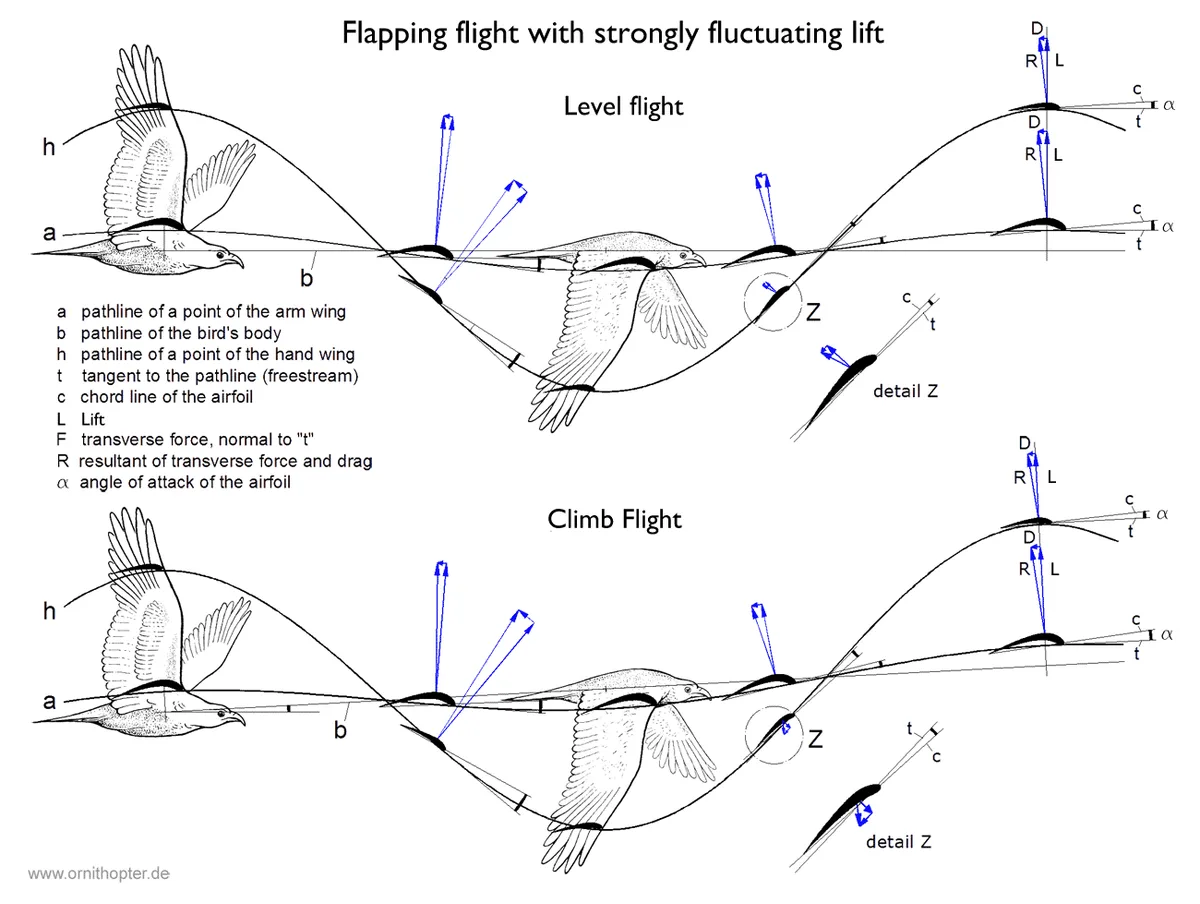
Image source: Bing (Web (fair-use with source credit))
Measuring the Unseen: How We Track Bird Speeds
Accurately measuring bird flight speeds is a complex task that has evolved over time. Early methods often involved estimations or crude timing. Today, researchers utilize advanced technologies like radar, high-speed cameras, GPS trackers, and even specialized wind tunnels at institutions like the Cornell Lab of Ornithology to get precise data.
These tools help us understand the true velocity of these aerial acrobats.
The Champions of the Sky: Top Contenders for Fastest Bird
While one bird stands out for its incredible dive, several species showcase exceptional speed in their own right. It's worth looking at the contenders to get a complete picture of avian velocity. These birds have evolved specialized features that allow them to dominate the skies in different ways.
The Peregrine Falcon's Astonishing Dive
The undisputed champion for sheer speed is the Peregrine Falcon (Falco peregrinus). During its hunting stoop, it can reach incredible velocities, a spectacle of nature’s engineering. Reports from ornithological studies, including those documented by the National Audubon Society, consistently place its diving speed at over 200 mph, with some estimates even exceeding 240 mph (386 kph).
This makes it not just the fastest bird, but one of the fastest animals on the planet during this specific maneuver.

Image source: Bing (Web (fair-use with source credit))
Other Speed Demons: Swifts, Eagles, and Hawks
While the Peregrine Falcon gets a lot of attention, other birds are remarkably fast. The White-throated Needletail, a species of swift, is often cited for its exceptional level flight speed, with some credible claims suggesting it can reach speeds of around 105 mph (169 kph). True swifts are built for speed, with long, scythe-shaped wings that allow for rapid wing beats and efficient, high-speed flight.
Other birds, like the Gyrfalcon and certain species of eagles and hawks, also demonstrate impressive speeds, though typically not reaching the extreme velocities of the Peregrine's stoop or the swift's sustained flight.
Why So Fast? The Science Behind Bird Speed
How do these birds achieve such breathtaking speeds? It's a combination of specialized physical adaptations and keen evolutionary design. Their bodies are finely tuned for rapid aerial movement, whether for hunting prey or escaping predators.
Understanding these biological mechanisms gives us a deeper appreciation for their performance.
Aerodynamics and Wing Design
A bird's wing shape is critical to its speed. Birds built for speed, like swifts and falcons, often have long, narrow, pointed wings. This design reduces drag and allows for efficient movement through the air at high velocities.
The Peregrine Falcon, for example, tucks its wings during a dive, creating a tear-drop shape that is incredibly aerodynamic, minimizing air resistance. This streamlined form is essential for reaching maximum stoop speeds.
Body Weight and Adaptations
Beyond wing shape, body weight plays a significant role. Lighter birds can often achieve higher speeds more easily. However, for hunting birds like the Peregrine Falcon, a bit of weight is necessary for the power and momentum needed to strike prey effectively.
Many fast-flying birds also have powerful chest muscles to support rapid wing beats, a high metabolic rate to fuel this activity, and specialized respiratory systems to provide ample oxygen.
Bird Speed in Real Life: From Hunting to Migration
The incredible speeds achieved by certain birds aren't just random biological curiosities; they serve critical purposes for survival and reproduction. These speeds are honed by millions of years of evolution, allowing these animals to thrive in their specific ecological niches. Whether it's securing a meal or traveling vast distances, speed is a powerful evolutionary advantage.
Hunting Strategies and Prey Capture
For predators like the Peregrine Falcon, speed is directly linked to their hunting success. The stoop allows them to dive at prey, often birds in flight, with such force and surprise that escape is nearly impossible. They aim for a glancing blow that stuns or disables the prey before it falls to the ground.
This tactic is highly efficient, allowing falcons to catch their own body weight in food during a single hunting sequence.
Migration and Energy Efficiency
While extreme speeds are often associated with hunting, sustained flight speed is vital for migratory birds. Traveling thousands of miles requires a balance of speed and energy conservation. Birds often fly at altitudes and speeds that optimize their energy expenditure, allowing them to cover long distances with minimal rest.
Research into migratory flight paths shows birds maintain speeds that maximize their range, using wind currents to their advantage.
Challenges in Measuring and Comparing Bird Speeds
Pinpointing the exact speed of a bird in flight isn't like timing a car on a track. It's a dynamic, three-dimensional challenge. Factors like wind speed and direction, the bird's exact flight path, and the precise moment of measurement all come into play.
This complexity means that while we have incredibly impressive recorded speeds, there’s always a margin of variability, and sometimes even debate, among researchers.
Field Observation Difficulties
Observing birds in their natural habitat presents numerous hurdles. Many of the fastest birds are also elusive, preferring open skies or high altitudes where they are hard to track visually. Even when spotted, judging their speed accurately with the naked eye is nearly impossible.
Think about trying to time a fly with a stopwatch; it’s just not precise enough for scientific data.
Data Variations and Accuracy
Because of these challenges, reported speeds can sometimes vary. Early records might have been less precise than modern measurements. For example, while the Peregrine Falcon's stoop speed is widely accepted to be over 200 mph, exact figures can differ slightly depending on the study and methodology.
Likewise, claims about other birds' speeds, particularly in level flight, require careful examination of the research behind them.
FAQs About the World's Fastest Birds
What is the fastest bird in level flight?
The White-throated Needletail swift is widely recognized as the fastest bird in level flight. Our research indicates it can reach speeds of approximately 105 mph (169 kph). This incredible speed is due to its specialized wing shape and powerful musculature, enabling sustained high-velocity flight.
Are diving speeds different from level flight speeds?
Yes, diving speeds are significantly higher than level flight speeds. When a bird dives, it utilizes gravity to accelerate, reaching velocities far beyond what its own muscle power can achieve in horizontal flight. The Peregrine Falcon’s stoop, for example, is a dive that allows it to reach over 200 mph.
How do scientists measure bird speeds accurately?
Scientists use a variety of advanced technologies. These include radar systems to track airborne targets, GPS devices attached to the birds, high-speed video cameras, and even wind tunnels for controlled experiments. Institutions like the Cornell Lab of Ornithology have pioneered many of these methods to collect precise data on avian velocity.
Does wind affect a bird's measured speed?
Absolutely. Wind is a major factor that can inflate or deflate a bird's ground speed. A tailwind will increase ground speed, making the bird appear faster, while a headwind will decrease it.
Therefore, scientists must account for wind conditions when reporting flight speeds, often preferring measurements taken in calm air or calculating airspeed versus ground speed.
Are there any dangers associated with extreme bird flight speeds?
While these speeds are natural adaptations, they do carry inherent risks. Miscalculations during dives could lead to collisions with terrain or obstacles. Furthermore, the immense physical forces involved mean that a slight error in control could be catastrophic for the bird.
However, these birds have evolved remarkable control and resilience to handle these high-speed maneuvers.
The Verdict: What Bird Holds the Speed Crown?
After examining the data and understanding the nuances of flight, the answer to which bird can fly the fastest comes down to context. For pure, unadulterated speed achieved through a dive, the Peregrine Falcon is the undisputed champion. Its stoop is a breathtaking display of aerodynamic prowess, pushing its velocity to over 200 mph.
However, if we consider sustained, powered flight in level air, other birds like the White-throated Needletail swift present a formidable case. These birds are built for endurance at high speeds, demonstrating incredible efficiency over long distances. Ultimately, the title of "fastest" depends on whether you're measuring a breathtaking dive or a long-distance cruise through the skies.