Where Do Toucans Live
Toucans are some of the most recognizable birds in the world, instantly identified by their oversized, colorful beaks. But beyond their striking appearance, a common question arises: where do toucans live? Understanding their natural habitats is key to appreciating their unique adaptations and the delicate ecosystems they inhabit.
Our research shows that toucans are exclusively found in tropical and subtropical regions of the Americas, thriving in environments teeming with life. From dense rainforests to open woodlands, their distribution spans a significant geographical area. This article breaks down precisely where these magnificent birds make their homes, exploring the nuances of their environments and the factors shaping their lives.
Quick Answer
Toucans primarily live in tropical and subtropical rainforests and woodlands across Central and South America. Their range extends from southern Mexico down to northern Argentina. They prefer habitats with abundant fruit-bearing trees and nesting cavities.
Why Pictures Tell the Toucan Story Best
When you think about where toucans live, what often comes to mind is a vibrant image of lush greenery and exotic flora. Text can describe these places, but seeing them is entirely different. Images allow us to grasp the sheer scale of the rainforest canopy, the density of the undergrowth, and the specific types of trees that provide toucans with food and shelter.
Visuals help us understand their arboreal lifestyle, how they move through the trees, perch on branches, and use their environment. Without seeing a photo of a toucan in its natural setting, it's hard to fully appreciate how its colorful beak might blend or stand out against the backdrop of leaves and sky. This is why when we talk about toucan habitats, referring to photographic evidence or detailed illustrations is so important.
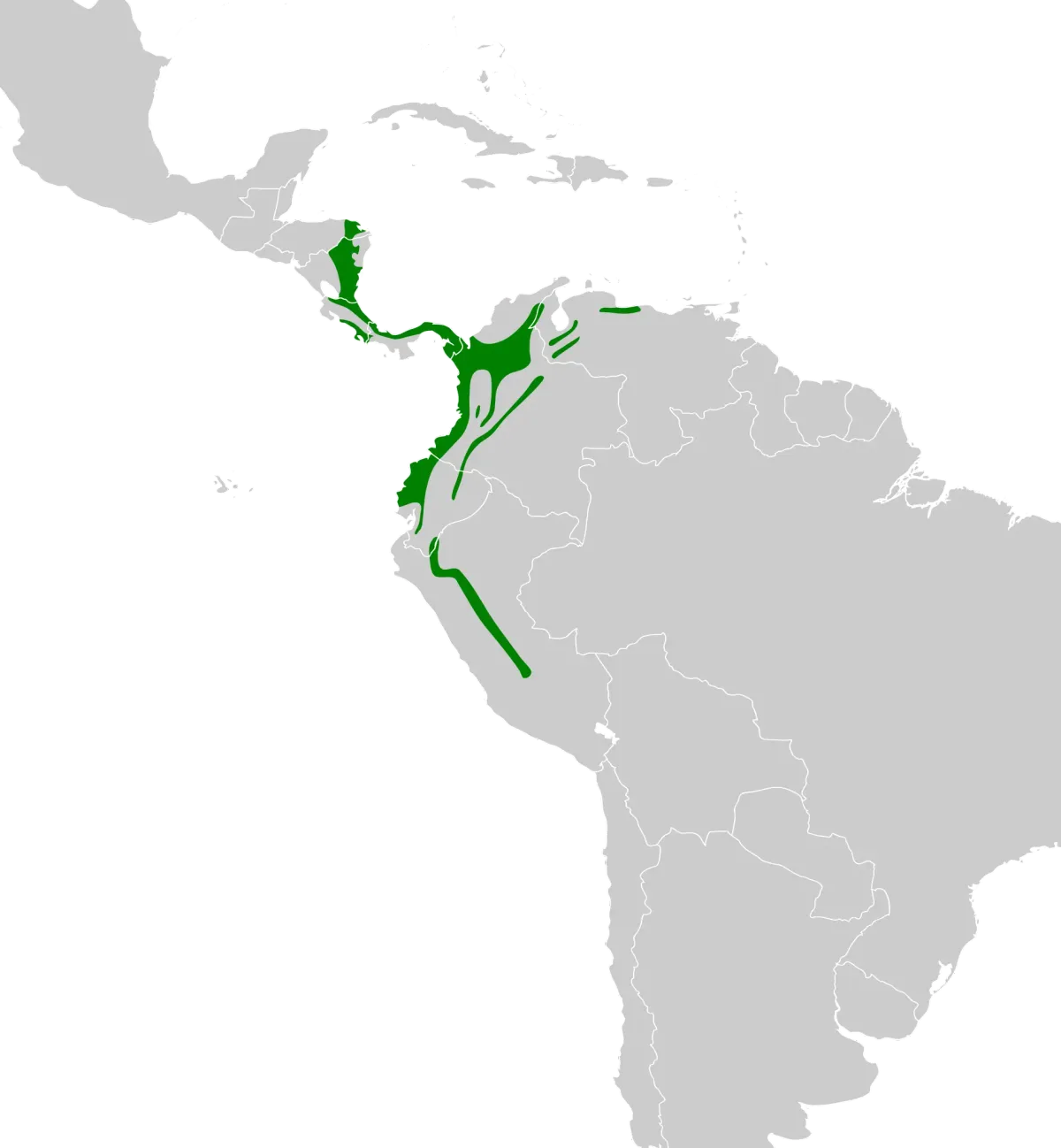
Image source: Bing (Web (fair-use with source credit))
Spotting Toucans: What to Look For in Their Natural Habitat
So, you're curious about spotting these birds in the wild? The key is knowing what to look for in their natural habitat, which often means heading into the heart of the Neotropical region. Toucans are generally found in the forest canopy, meaning they spend most of their time high up in the trees.
This is where they forage for food, find mates, and build their nests.
Look for areas with a high density of fruit-bearing trees, as fruits make up a significant portion of their diet. You'll also want to find forests with plenty of mature trees that have natural cavities or holes. Toucans don't excavate their own nests; they rely on existing holes, often created by woodpeckers, to raise their young.
The presence of these specific resources, abundant fruit and suitable nesting sites, is the biggest clue you're in toucan territory.
Toucan Habitats: From Mexico to the Amazon
The geographical range where toucans live is vast, stretching across a significant portion of the Americas. They are native to tropical and subtropical zones, and their habitat preferences are tied closely to the availability of food and nesting sites. We're talking about environments that are warm year-round and typically receive substantial rainfall, fostering the kind of biodiversity toucans depend on.
These birds are essentially creatures of the forest. You'll find them in the humid, dense interiors of lowland tropical rainforests, but also in slightly more open woodlands and even savannas with scattered trees. The key is a consistent food supply, primarily fruits, and mature trees with hollows suitable for roosting and nesting.
Their distribution begins in the south of Mexico and extends all the way through Central America and across much of South America, with the Amazon Basin being a major stronghold for many species.
Toucans in Central America: A Biodiversity Hotspot
When we narrow down where toucans live, Central America emerges as a crucial region, boasting a remarkable diversity of species. Countries like Mexico, Belize, Guatemala, Honduras, Nicaragua, Costa Rica, and Panama are all prime toucan territory. Here, these birds are integral to the vibrant ecosystems of tropical rainforests and humid lowland forests.
In this part of their range, you're likely to encounter species such as the Keel-billed Toucan, famous for its rainbow-colored beak, or the Chestnut-mandibled Toucan. These birds thrive in the dense forest canopy, flitting between trees in search of fruits, insects, and small vertebrates. Their presence is a strong indicator of a healthy, intact forest ecosystem.
Conservation efforts in this region are vital, as habitat loss poses a significant threat to these avian populations.
Toucans in South America: The Mighty Amazon and Beyond
South America is where toucans truly flourish, hosting the largest number of species and the most extensive populations. The Amazon Basin, the world's largest tropical rainforest, is a particularly important stronghold. Here, toucans are part of a complex web of life, playing roles in seed dispersal and insect control.
Countries like Colombia, Venezuela, Ecuador, Peru, Bolivia, Brazil, Paraguay, and northern Argentina are all home to various toucan species. Beyond the Amazon, they inhabit the Atlantic Forest along Brazil's coast, the Yungas cloud forests of the Andes foothills, and even some drier woodlands in drier regions. The sheer scale and biodiversity of these South American habitats provide the ideal conditions for toucans to thrive, making it the epicenter of their distribution.
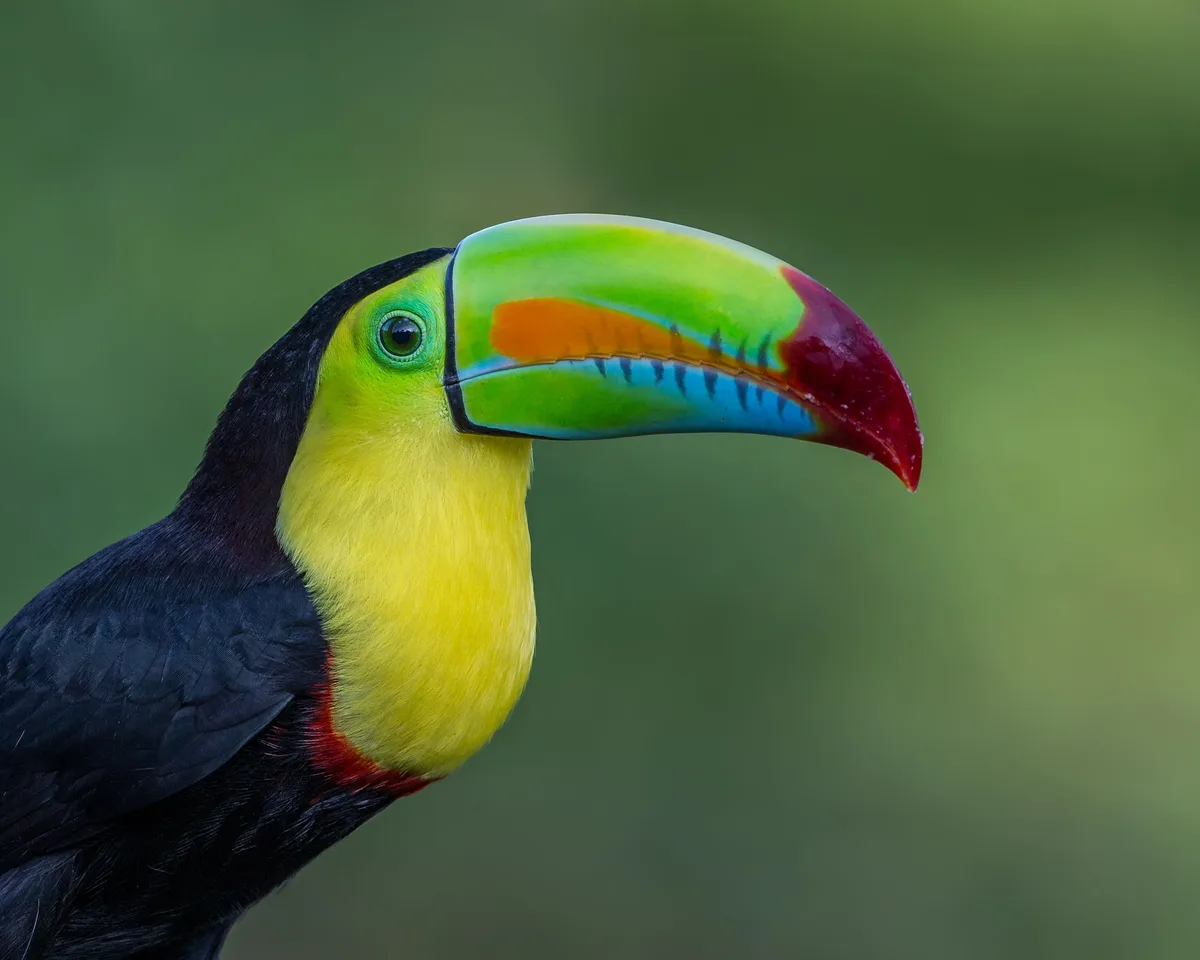
Image source: Bing (Web (fair-use with source credit))
Toucan Species and Their Specific Niches
While we often think of "toucans" as a single entity, there are actually over forty different species, each with its own particular preferences for where it lives. This diversity means that while many share a love for tropical forests, some might prefer higher altitudes, while others stick to the dense undergrowth. Understanding these variations helps paint a clearer picture of their distribution.
For instance, the Toco Toucan, the largest and most widely recognized species, is more adaptable than many others. You can find it not only in rainforests but also in savannas, thorny scrublands, and even agricultural areas across much of South America. In contrast, species like the Saffron Toucanet are typically found at higher elevations in the cloud forests of the Andes.
These specialized niches mean that even within the broader "tropical Americas" range, different toucans occupy subtly different parts of the environment, utilizing specific food sources and nesting sites.
The Toucan's World: Dangers and Delights
Life in the tropical forests offers toucans a bounty of food and relatively safe places to raise their young, but it's not without its challenges. Their vibrant existence is intertwined with the health of their environment, making them sensitive indicators of ecological well-being.
Threats to Toucan Homes
Unfortunately, the very habitats that sustain toucans are under immense pressure. Deforestation, driven by agriculture, logging, and cattle ranching, is the biggest culprit. When forests are cleared, toucans lose not only their food sources but also the crucial tree cavities they need for nesting.
The illegal pet trade also poses a threat, as these beautiful birds are sometimes captured for sale, disrupting wild populations. Climate change adds another layer of stress, altering weather patterns and potentially impacting fruit availability.
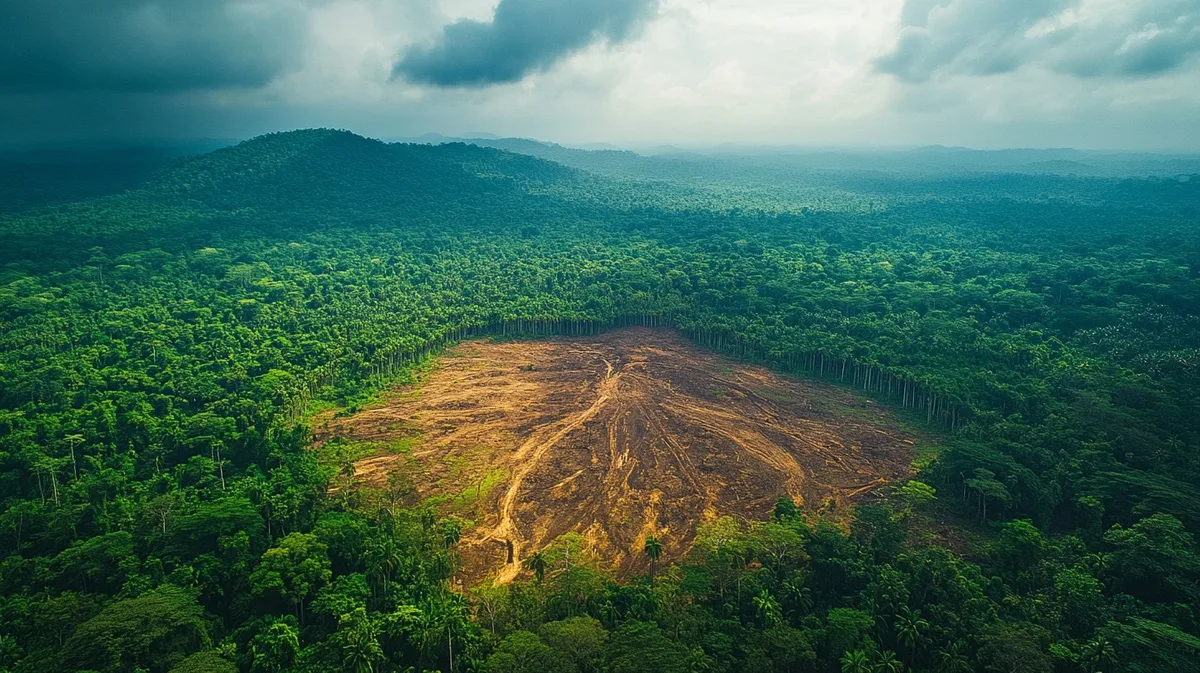
Image source: Bing (Web (fair-use with source credit))
Why Toucans Matter to the Ecosystem
Toucans are far more than just visually stunning birds; they are essential players in their rainforest homes. Their primary role is as seed dispersers. After feasting on fruits, they digest the pulp and excrete the seeds in new locations, helping to regenerate forests and spread plant diversity across their range.
They also help control insect populations and sometimes prey on smaller vertebrates, contributing to the balance of the food web. Their presence and the health of their populations are often seen as a barometer for the overall health of the tropical ecosystems they inhabit.
Frequently Asked Questions About Toucan Living
Do toucans live in Africa or Asia?
No, toucans are exclusively found in the Americas. Their natural range spans from southern Mexico down through Central and South America, including the Amazon Basin. They are not native to Africa or Asia.
What kind of trees do toucans prefer?
Toucans prefer mature trees, particularly those with natural cavities or holes that they can use for nesting. They also rely heavily on trees that produce abundant fruits, as fruits form the majority of their diet.
Can toucans survive outside of rainforests?
While many toucan species are specialized to rainforest environments, some, like the Toco Toucan, are more adaptable. They can be found in savannas, woodlands, and even some agricultural areas, as long as there are sufficient food sources and nesting opportunities.
What is the biggest threat to where toucans live?
Habitat loss due to deforestation is the most significant threat to toucan populations. Clearing forests for agriculture, logging, and development destroys their food sources and eliminates nesting sites, making survival increasingly difficult for many species.
How do toucans find their homes?
Toucans typically find existing tree cavities, often abandoned by woodpeckers, to use as nests. They do not excavate their own homes. The availability of these natural hollows in mature trees is critical for their reproduction.
Your Guide to Seeing Toucans in the Wild
If you're hoping to see toucans in their natural habitat, planning is key. Your best bet is to visit regions known for their rich biodiversity and protected natural areas, particularly in Central and South America. Countries like Costa Rica, Ecuador, and parts of Brazil are renowned for their excellent birdwatching opportunities, often with well-established eco-lodges and guided tours.
When you go, remember that toucans are often found high in the forest canopy. Early morning and late afternoon are typically the most active times for these birds, as they forage for food. Patience is a virtue; sometimes, you'll hear their distinctive calls before you spot them.
Bringing binoculars will greatly enhance your viewing experience, allowing you to observe them without disturbing their natural behavior. Always respect wildlife and their environments by following local guidelines and conservation practices.