What Is the Largest Duck Species
Ever wonder what sets one duck apart from another, especially when it comes to sheer size? It's a fascinating question that leads us to some impressive avian examples. The search for "what is the largest duck species" isn't just trivia; it helps us appreciate the incredible diversity within the Anatidae family, which includes ducks, geese, and swans.
When we look at the world's wild ducks, one species consistently tips the scales above the rest, often reaching weights that might surprise you. For context, the average male Mallard, a familiar sight in many parks, typically weighs between 2 to 3 pounds. However, some waterfowl can be significantly larger, with the champion often exceeding 10 pounds.
Quick Answer: The Muscovy Duck
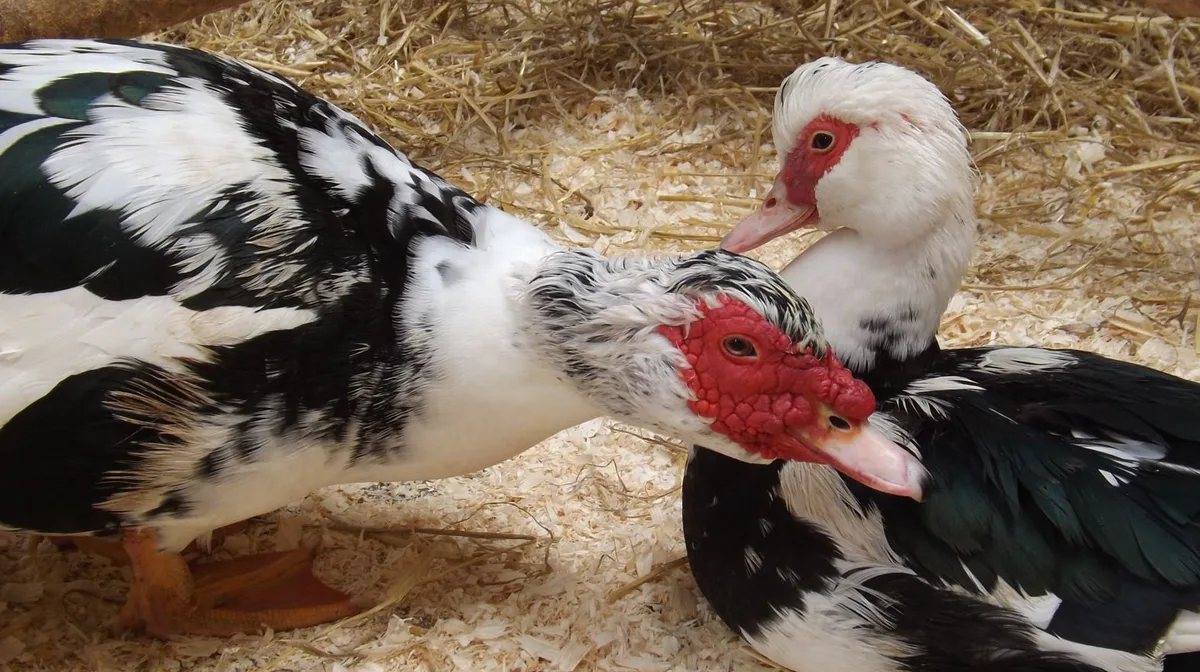
The Muscovy duck (Cairina moschata) holds the title for the largest duck species. Male Muscovy ducks can weigh up to 15 pounds, significantly outclassing other common wild ducks in terms of sheer mass. This species is native to Mexico and Central and South America.
Why Duck Size Comparison Matters
Understanding the size differences between duck species is more than just a fun fact. It's a way to appreciate evolutionary adaptations and the distinct characteristics that define various waterfowl. Different sizes can relate to diet, habitat, and even how a species interacts with its environment.
For instance, a larger duck might require different food sources or have different territorial behaviors compared to a smaller one. Identifying the largest species also helps in recognizing specific waterfowl, especially for birdwatchers or anyone curious about local wildlife. It provides a benchmark against which other species can be measured.
Meet the Contenders for "Largest Duck"
When we talk about the "largest," we're primarily looking at weight, as this is the most common metric for animal size. However, length and wingspan also play a role in our perception of a bird's overall impressiveness. Several duck species are known for their substantial size, but only one consistently takes the top spot among wild birds.
The primary species often considered in this discussion are the Muscovy Duck and the familiar Mallard. It's also important to distinguish between wild species and domesticated breeds, which are often selectively bred for larger body mass, like the Pekin duck, developed for meat production.
Muscovy Duck: The Heavyweight Champion
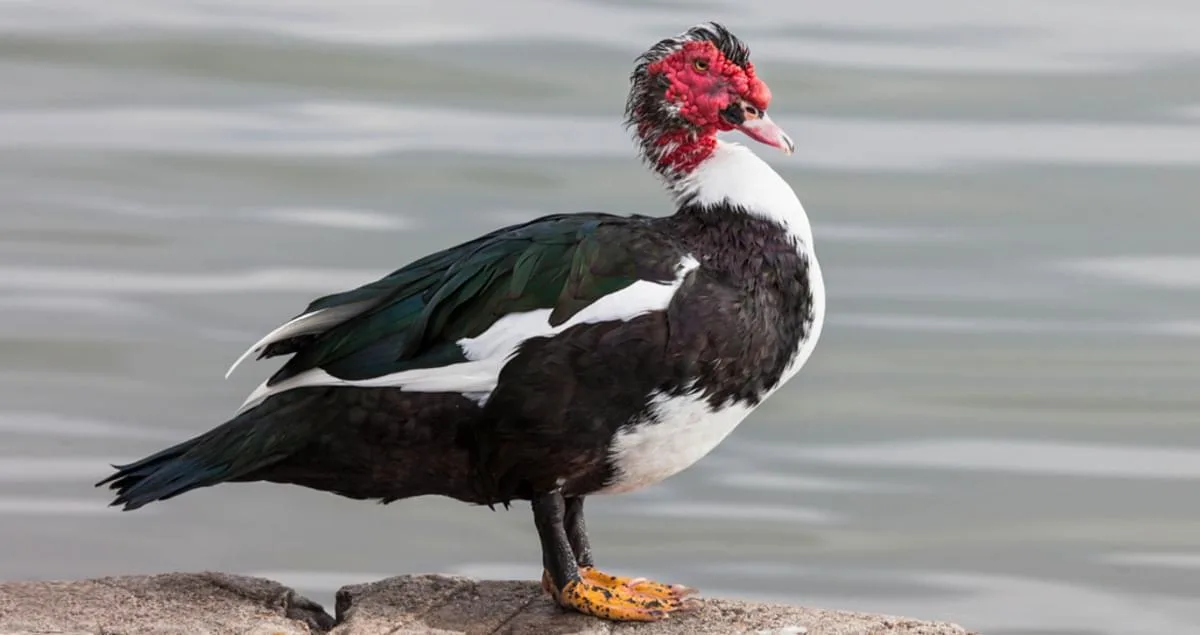
The Muscovy Duck (Cairina moschata) is generally recognized as the largest duck species in the wild. Males are significantly larger than females, with impressive dimensions. Our research indicates that adult males commonly weigh between 7 and 15 pounds (3 to 7 kg).
They can also reach lengths of up to 30 inches (76 cm) from bill to tail. What sets them apart visually, besides their size, are the distinctive red, bumpy caruncles around their eyes and at the base of their bill. While they have a large wingspan, their weight is what truly earns them the heavyweight title.
This species is native to Mexico, Central, and South America, but has been introduced to many other parts of the world.
Mallard Duck: The Familiar Benchmark
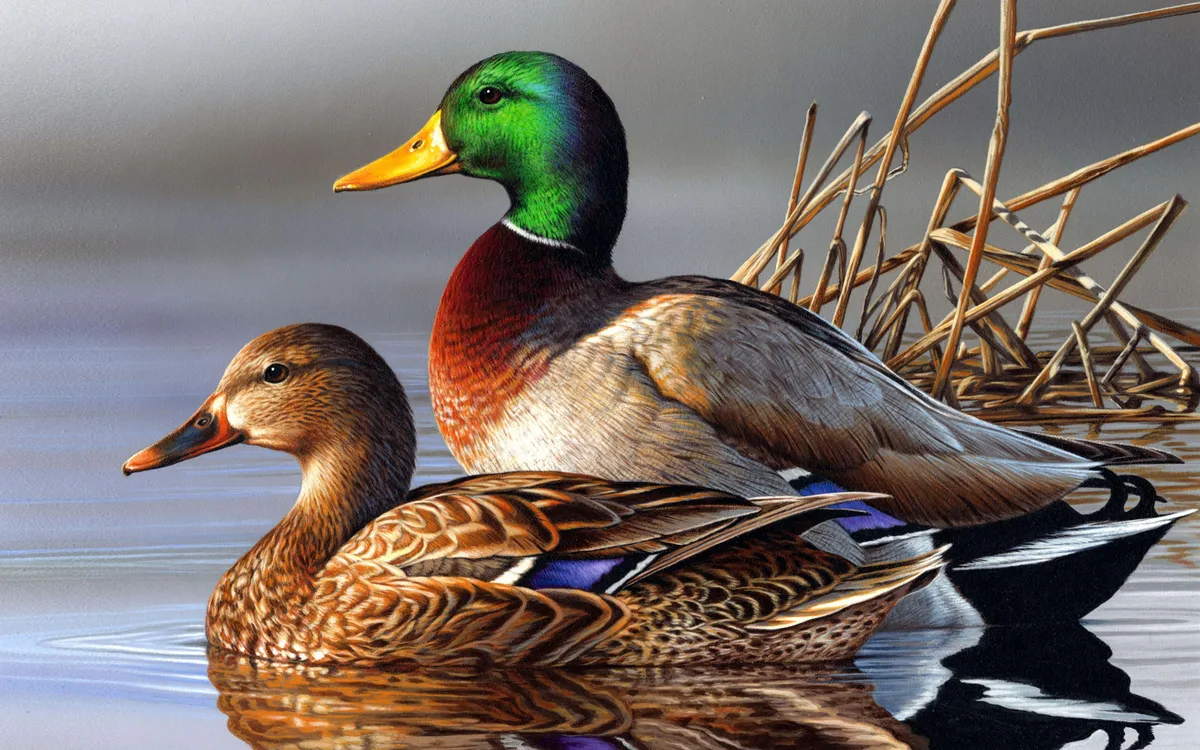
The Mallard (Anas platyrhynchos) is arguably the most well-known duck species globally, serving as the ancestor to many domesticated breeds. While common and familiar, they are not the largest. Adult male Mallards typically weigh between 2 to 3 pounds (0.9 to 1.4 kg), though they can sometimes reach up to 5 pounds (2.3 kg) under optimal conditions.
Their length usually falls around 20 to 26 inches (50 to 65 cm). The iconic image of the Mallard, the male with its iridescent green head, white collar, and chestnut breast, is instantly recognizable. Their widespread presence makes them a common reference point when discussing duck sizes, highlighting just how much larger the Muscovy is.
Side-by-Side: Muscovy vs. Mallard Specs
To truly see the difference in size, a direct comparison of key metrics is helpful. This table breaks down the typical measurements for the male of each species, giving you a clear picture of why the Muscovy Duck is considered the largest.
| Feature | Muscovy Duck (Male) | Mallard Duck (Male) |
|---|---|---|
| Typical Weight | 7–15 lbs (3–7 kg) | 2–3 lbs (0.9–1.4 kg) |
| Max Length | Up to 30 inches (76 cm) | Up to 26 inches (65 cm) |
| Native Range | Mexico, Central & South America | Widespread (North America, Europe, Asia) |
| Distinguishing Feature | Red facial caruncles, large size | Iridescent green head, commonality |
Note: Weights for wild animals can vary based on season, food availability, and individual health. These figures represent typical ranges found in ornithological studies.
FAQs About Large Duck Species
What is the heaviest duck species?
The Muscovy Duck (Cairina moschata) is the heaviest wild duck species. Males can reach weights of up to 15 pounds (7 kg), making them significantly larger than most other wild ducks.
Are domesticated ducks larger than wild ducks?
Yes, domesticated duck breeds are often much larger than their wild counterparts. This is due to selective breeding for meat production or egg-laying. For example, Pekin ducks, a common domestic breed, can easily weigh more than wild Muscovy ducks.
Does "largest" refer to weight or length?
When discussing the "largest" duck species, weight is the primary metric used. While length and wingspan are also measures of size, a duck's mass is the most common indicator of its overall size category in ornithological comparisons.
Where do Muscovy Ducks come from?
Muscovy Ducks are native to Mexico, Central America, and South America. However, they have been introduced and established in many other regions worldwide through human activity and their popularity as a domestic fowl.
Can a Muscovy Duck fly?
Yes, Muscovy Ducks can fly, though they are not particularly strong flyers compared to some other waterfowl species. Their large size and heavier build mean they require more effort to become airborne, and they generally prefer shorter flights.
How do Muscovy Ducks differ from other ducks?
Besides their size and distinctive red facial caruncles, Muscovy Ducks are also known for their unique vocalizations (more of a quiet hiss than a quack) and their tendency to perch in trees or roost on buildings, unlike many other dabbling ducks. They also exhibit less aggressive flocking behavior compared to species like Mallards.