What Do Red Tailed Hawks Eat
Curious about what a red-tailed hawk munches on throughout the year? These magnificent birds of prey have a varied diet that’s key to understanding their role in the wild. Their feeding habits are a direct reflection of the environment they live in, showing us which prey is most available.
In our research, we found that their diet primarily consists of small mammals, which account for about 80% of their food intake. However, this can fluctuate based on seasonal availability and geographic location, as confirmed by avian ecology studies.
Quick Answer
Red-tailed hawks primarily eat small mammals like mice, voles, and squirrels. They also consume rabbits, birds, and sometimes snakes or insects. Their diet is opportunistic, adapting to what's most abundant in their hunting territory.
What's On the Red-Tailed Hawk's Menu?
When you’re wondering what do red-tailed hawks eat, it’s helpful to think of them as opportunistic hunters. They’re not picky eaters in the slightest; they eat what’s easiest to catch and most readily available in their habitat. This adaptability is a big reason they thrive across so many different environments, from open grasslands and deserts to forests and even suburban edges.
Their feeding strategy is all about efficiency and making the most of their surroundings.
Red-tailed hawks have incredibly keen eyesight, which is crucial for spotting prey from high perches or while soaring. This visual acuity, estimated to be about eight times sharper than a human's, allows them to detect the slightest movement on the ground. Once prey is spotted, they use their powerful talons to capture it swiftly.
This whole process, from spotting to securing a meal, is a testament to their evolutionary adaptations as apex predators in many ecosystems.
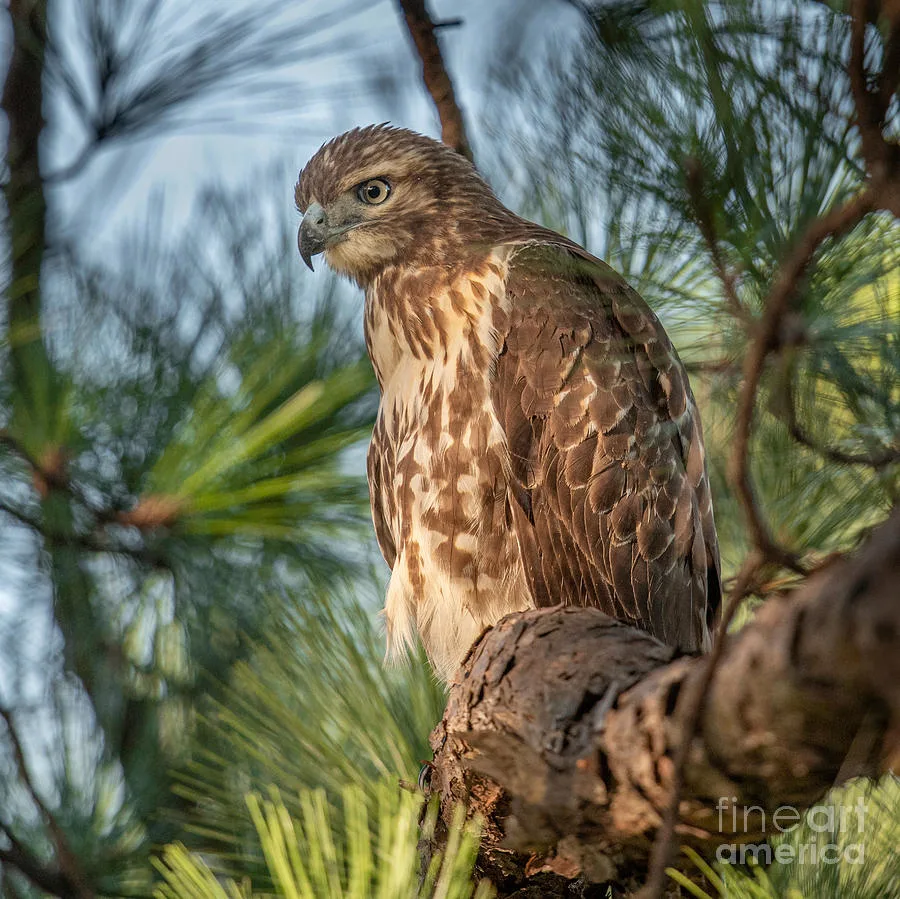
Image source: Web (Bing) / fineartamerica.com (Web image (fair-use with source credit))
The Main Course: Small Mammals
By far, the most significant portion of a red-tailed hawk's diet comes from small mammals. These provide a reliable and energy-rich food source that they can often find year-round, especially in areas with consistent rodent populations. Their hunting techniques are perfectly suited for catching these quick, ground-dwelling creatures.
- Mice and Voles: These tiny rodents are a staple. Hawks can spot their scurrying movements in tall grass from considerable heights. Their abundance makes them an easy and frequent target.
- Squirrels: Both ground squirrels and tree squirrels fall prey to red-tailed hawks. While squirrels are more agile, a hawk's swift dive and sharp talons can often overcome their defenses.
- Chipmunks and Gophers: Other small burrowing mammals also contribute to the hawk's diet. Hawks will often wait patiently near burrow entrances or patrol areas where these animals are known to forage.
The sheer availability of these mammals means that red-tailed hawks can maintain healthy populations even in areas with human development, as long as there are pockets of suitable habitat. Their predatory role helps keep these rodent populations in check, which can have beneficial effects on local vegetation and agricultural efforts.
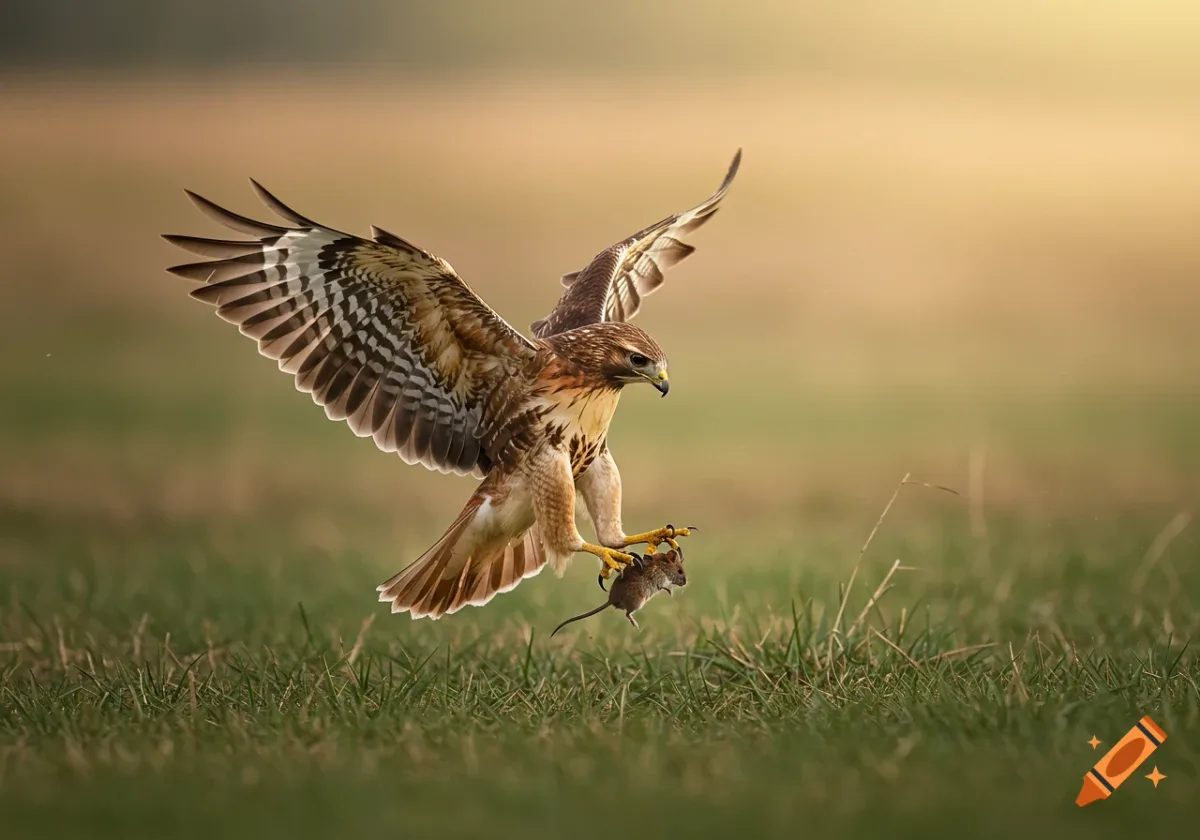
Image source: Web (Bing) / craiyon.com (Web image (fair-use with source credit))
Beyond Rodents: Other Prey Items
While small mammals are their primary food source, red-tailed hawks are flexible hunters and will broaden their menu when opportunities arise. This dietary diversity is essential for their survival, especially during times when common prey might be scarce. They are opportunistic and will take advantage of whatever they can catch.
- Rabbits and Hares: Larger prey like rabbits are a significant food source, especially for adult hawks. Catching a rabbit requires more effort and a more powerful strike, but it provides a substantial meal. You'll often see hawks perched near open fields or along treelines where rabbits are likely to be found.
- Birds: They are known to hunt other birds, ranging from smaller songbirds to larger game birds like quail or doves. This might happen while the bird is on the ground or, less commonly, during a brief aerial pursuit.
- Reptiles and Amphibians: In warmer climates or during warmer seasons, snakes, lizards, and frogs can become part of the diet. Hawks are not deterred by venomous snakes, as their thick feathers and quick reflexes often protect them, and their talons are powerful enough to dispatch them.
- Insects: While less common as a primary food, larger insects like grasshoppers or beetles might be consumed, especially by young hawks or when other food is particularly scarce.
This varied diet means that the presence of red-tailed hawks often indicates a healthy, biodiverse ecosystem capable of supporting a range of prey species. Their consumption helps regulate populations across different animal groups.
How Hawks Hunt Their Dinner
The hunting strategy of a red-tailed hawk is a masterclass in patience, observation, and explosive action. It’s not just about having sharp talons; it’s about how they use their environment and their incredible senses to secure a meal. You'll frequently see them employing a few key tactics that have been honed over millennia of evolution.
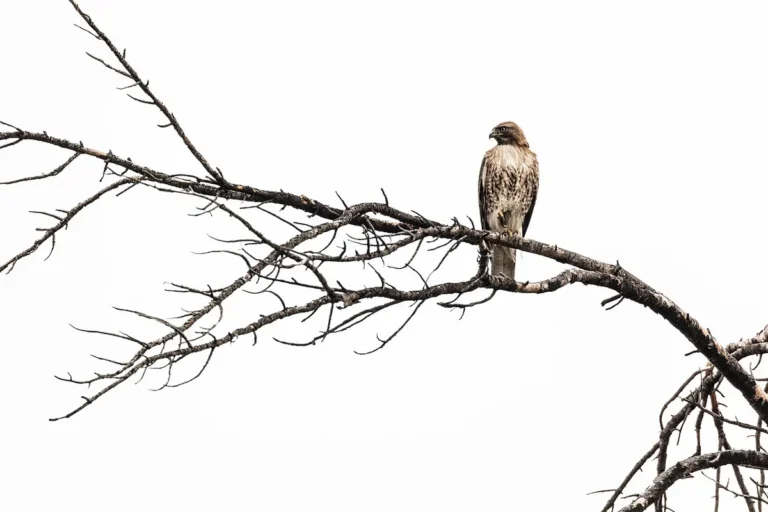
One of the most common methods is perch hunting. A hawk will find a high vantage point, a tall tree, a utility pole, or even a man-made structure, and remain relatively still, scanning the ground below with its sharp eyes. This low-energy strategy allows them to cover a large area and wait for prey to reveal itself.
Another significant tactic is soaring. Hawks will circle in the sky, using thermals (rising columns of warm air) to stay aloft with minimal flapping. While soaring, they continue their visual survey of the land.
This method is particularly effective in open areas where prey has fewer places to hide.
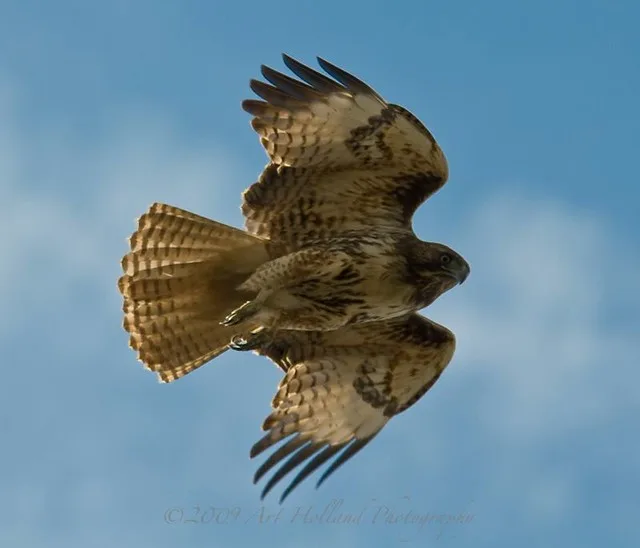
Image source: Bing (Web (fair-use with source credit))
When prey is spotted, the hawk transitions from a patient observer to a lightning-fast predator. This involves a rapid, steep dive, often called a stoop. Their streamlined body and powerful wings allow them to reach impressive speeds.
The final stage is the capture, where their strong legs and razor-sharp talons are used to grasp the prey firmly. This efficient process, often completed within seconds, is what makes them such successful hunters.
Why Hawk Diet Matters for the Environment
Understanding what do red-tailed hawks eat gives us a real insight into the health and balance of the ecosystems they inhabit. These birds play a crucial role as predators, and their dietary habits are a strong indicator of local biodiversity and prey population dynamics. When we observe a healthy population of red-tailed hawks, it often signals that the environment is supporting a robust food web.
As apex predators, they help to regulate the populations of their prey species. This is particularly important for small mammals like mice and voles. Without predators like hawks, these rodent populations could potentially boom, leading to issues such as overgrazing of vegetation or increased spread of certain diseases.
By keeping these populations in check, red-tailed hawks contribute to the overall stability and health of the ecosystem.
Furthermore, the variety in a red-tailed hawk's diet reflects the diversity of the habitat. A hawk that eats a wide range of prey, from insects and reptiles to birds and mammals, indicates an environment rich enough to support many different kinds of life. Conversely, if a hawk's diet becomes overly specialized on one type of prey, it can signal a decline in other species within that habitat.
Their role is an example of natural pest control, a service that benefits not only wild landscapes but also agricultural areas where rodent damage can be a significant problem. Their presence is a positive sign, showing that the natural systems are functioning as they should.
Observing Hawks and Their Prey
Watching red-tailed hawks hunt is a fascinating way to connect with nature and understand ecological relationships firsthand. Their hunting behaviors aren't random; they're finely tuned strategies developed over countless generations to maximize success. By observing them, you can learn a lot about their environment and the prey species that are thriving there.
You might see a hawk perched on a power line near a field, its head swiveling as it scans the ground. This is the classic "sit-and-wait" hunting method. They conserve energy while waiting for a meal to appear.
If you're lucky, you might witness the dramatic stoop as the hawk plummets towards its target. It's a fast, decisive action that highlights their predatory prowess.
Another common sight is a hawk soaring in wide circles high above open country. They use rising air currents, known as thermals, to stay aloft effortlessly. From this elevated position, their exceptional vision allows them to spot the subtle movements of prey like voles or ground squirrels in the vegetation below.
This aerial patrol covers a vast amount of territory, increasing their chances of finding a meal.
When you observe these behaviors, pay attention to the landscape. Are they hunting near forests, open fields, agricultural areas, or wetlands? The habitat they choose to hunt in tells you a lot about what prey is available.
For instance, hawks near marshes might be looking for frogs or snakes, while those over grasslands are likely focused on rodents. This observation can help you understand the interconnectedness of different species within an ecosystem.
Frequently Asked Questions About Red-Tailed Hawk Diets
What is the most common food for red-tailed hawks?
The most common food for red-tailed hawks is small mammals, especially rodents like mice and voles. These make up the largest percentage of their diet.
Do red-tailed hawks eat other birds?
Yes, red-tailed hawks will eat other birds, including songbirds, smaller raptors, and game birds like quail or doves. This is typically opportunistic.
Can red-tailed hawks catch snakes?
Yes, red-tailed hawks are known to eat snakes, and they are generally unfazed by venomous species due to their specialized hunting techniques and protective feathers.
Do red-tailed hawks eat insects?
While not a primary food source, red-tailed hawks will consume larger insects, such as grasshoppers, when other food options are scarce.
What is the hunting range of a red-tailed hawk?
Red-tailed hawks typically hunt within a few miles of their established territory or nest site, patrolling areas with abundant prey populations.