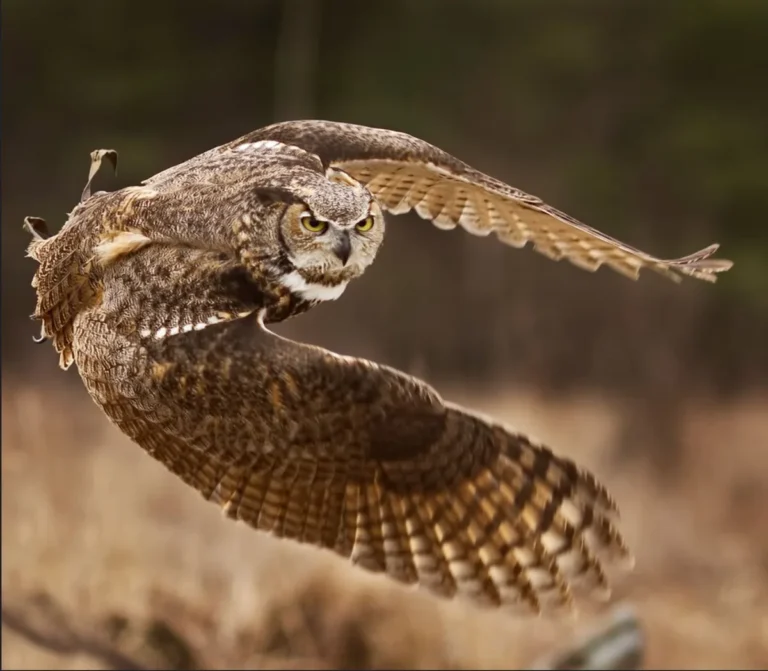
How Big Is a Golden Eagle
So, how big is a Golden Eagle? It's a question that sparks wonder about these magnificent birds. They're not just big; they're impressively large, and understanding their true proportions helps us appreciate their power and presence in the wild.
When you see one soaring overhead, it's easy to grasp their scale, but precise measurements help paint a clearer picture. Official specifications from ornithological research indicate an average wingspan of 6 to 7.5 feet, which is wider than many people are tall. Let's break down exactly what that means.
Quick Answer
Golden Eagles are large raptors with an impressive wingspan of 6 to 7.5 feet. Their body length typically ranges from 2.5 to 3.3 feet, and they weigh between 5.5 to 14 pounds. This makes them one of the largest birds of prey in North America.
Golden Eagle Size: What to Expect
When we talk about "how big is a Golden Eagle," we're usually thinking about its physical dimensions. These aren't birds you can easily ignore; their size is a defining characteristic. Understanding these measurements gives you a real sense of their presence and capabilities.
Their impressive stature is a result of evolutionary adaptations for hunting and soaring. The sheer scale of their wingspan, for instance, allows them to glide efficiently for hours, covering vast distances with minimal effort. It's this combination of size and aerial prowess that makes them such formidable predators and a breathtaking sight for anyone fortunate enough to observe them.
As of 2026, these measurements remain consistent with established ornithological data.

Wingspan: The Sky's the Limit
The most striking feature when considering the size of a Golden Eagle is undoubtedly its wingspan. This is the measurement from one wingtip to the other when the wings are fully extended. For a Golden Eagle, this number is truly substantial.
- Typical Range: Most adult Golden Eagles have a wingspan that measures between 6 and 7.5 feet (approximately 1.8 to 2.3 meters). This is a considerable span, making them one of the largest birds you'll encounter in many parts of their range.
- Female Size: Interestingly, female Golden Eagles are generally larger than males. This sexual dimorphism means you'll often find the larger end of that wingspan range belonging to a female bird.
Imagine standing with your arms stretched out wide. For many adults, the distance from fingertip to fingertip would be close to the shorter end of a Golden Eagle's wingspan. Seeing this massive spread while they are soaring is a powerful visual, demonstrating their mastery of the air and their ability to harness wind currents.

Body Length and Weight: More Than Just Wings
While the wingspan is impressive, the Golden Eagle's overall body length and weight also contribute to its substantial presence. These figures give a more complete picture of the bird's mass and robustness.
- Body Length: From the tip of their beak to the end of their tail, Golden Eagles typically measure between 2.5 and 3.3 feet (about 0.76 to 1 meter) in length. This means they are quite long birds, not just wide.
- Weight: Their weight is also significant. Adult Golden Eagles commonly weigh between 5.5 and 14 pounds (around 2.5 to 6.3 kilograms). Again, females often weigh more than males, reflecting their larger overall size. This weight provides the necessary ballast and power for their hunting activities and sustained flight.
These measurements combined paint a picture of a powerful, substantial bird. It’s a physique well-suited for taking down prey and for navigating the vast open spaces they call home.

Visualizing Golden Eagle Size: Real-World Comparisons
Numbers on a page are one thing, but putting those dimensions into relatable terms helps us truly grasp how big a Golden Eagle is. Visualizing their size against everyday objects or familiar human scales makes the data much more impactful.
- Human Height: As mentioned, a wingspan of 6 to 7.5 feet is often wider than an average person's height. Someone who is 5'10" might find a Golden Eagle's wingspan extending well beyond their reach.
- Doorway Span: Think about the width of a standard interior doorway in a home. A Golden Eagle's wingspan could easily span that opening, and sometimes even exceed it.
- Table Comparisons: The body length, around 2.5 to 3.3 feet, is comparable to the length of a medium-sized coffee table or a large armchair. This gives you a sense of their mass when they are perched.
These comparisons are not just for fun; they help us understand the physical presence of these raptors. It’s easy to appreciate their predatory prowess and majestic flight when you can visualize their scale in a tangible way. This is why visual aids, like illustrations or photos showing eagles next to familiar objects, are so helpful in understanding their true size.
What to Look For: Key Size Identifiers
When you're out in the wild and think you might have spotted a Golden Eagle, its size is one of the primary identifiers. While you won't have a tape measure handy, you can train yourself to look for key cues that suggest you're seeing a large raptor.
- Overall Impression: Is the bird significantly larger than a Red-tailed Hawk (a common, smaller raptor)? Golden Eagles are distinctly more massive. If it looks like it could be a small person with wings, you're likely in the Golden Eagle size range.
- Wing Shape and Span: Look at the wings in flight. Are they broad and long, with noticeable "fingers" at the tips (the primary feathers spread apart)? A Golden Eagle's wings are relatively straight on the leading edge and broad, giving it a commanding presence. The sheer width is often the first giveaway.
- Body Robustness: Even when perched, a Golden Eagle looks powerful. They have a thick neck, a large head, and a deep chest, contributing to their weight and overall size. They don't appear sleek or slender like some smaller falcons.
- Perceived Scale: Consider the background. If you see the eagle flying over a large open field or a mountain range, its size can be harder to judge. But if it's near trees or other features of known scale, you can better estimate its dimensions.
Focusing on these visual clues, especially the sheer expanse of the wings, will help you identify a Golden Eagle based on its impressive size.
Common Misconceptions About Golden Eagle Size
Despite their impressive dimensions, there are a few common misunderstandings when people think about Golden Eagle size. These often stem from seeing them at a distance or comparing them to other birds without precise knowledge.
- Exaggerated Size: Sometimes, Golden Eagles are thought to be much larger than they actually are. While they are big birds, they don't typically reach the extreme sizes sometimes depicted in myths or exaggerated tales. The 7.5-foot wingspan is a generous upper limit for most individuals.
- Confusing with Other Large Birds: People might see any large dark bird of prey and assume it's a Golden Eagle, without considering other possibilities. For instance, condors are significantly larger, and some eagle species have different size profiles. Learning to distinguish them based on size and other features is key.
- Underestimating Their Flight Power: While their size is significant, it’s their aerodynamic efficiency that truly allows them to dominate the skies. It’s easy to just think "big bird," but their specialized wings and body shape are engineered for incredibly effective flight and hunting, which is where their "large" status truly shines.
Dispelling these misconceptions helps in accurately identifying and appreciating these birds. Knowing the actual measurements and visual cues prevents common errors and leads to a more informed understanding of their place in the ecosystem.