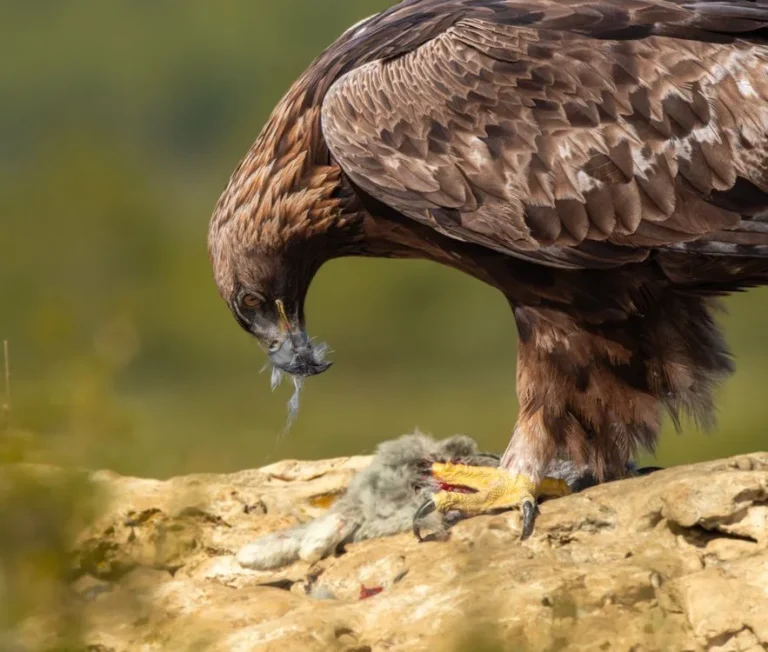
How Long Do Snowy Owls Live
When you see a majestic snowy owl, you might wonder about its life journey. You're probably asking: how long do snowy owls live? It's a question that brings us into the fascinating world of these incredible birds and their survival in often harsh environments.
Our research shows that their lifespan varies quite a bit depending on where they live. In the wild, snowy owls typically survive for about 10 to 15 years. However, in managed care, such as at zoos or wildlife sanctuaries, this number can significantly increase.
Quick Answer
Snowy owls live around 10 to 15 years in the wild. In captivity, their lifespan can extend to 20-30 years or more. Their survival depends heavily on food availability, climate, and avoiding threats.

Image source: Web (Bing) / flickr.com (Web image (fair-use with source credit))
Snowy Owl Lifespan: The Wild vs. Captivity
The life story of a snowy owl is dramatically different depending on its circumstances. Whether it's navigating the vast, wild tundra or residing in the safety of a sanctuary, its potential lifespan shifts considerably. Understanding these two environments gives us a clear picture of what impacts their longevity the most.
How Long Snowy Owls Survive in the Arctic Tundra
Life in the wild for a snowy owl is an adventure filled with constant challenges. These birds call the open, cold landscapes of the Arctic tundra home for much of the year, and their survival is a testament to their resilience. In this natural setting, our research indicates that most snowy owls live for approximately 10 to 15 years.
This range reflects a life where every day is a balance of finding food and avoiding danger.
Several factors really shape this wild lifespan. The abundance of their primary prey, like lemmings, plays a massive role. When lemming populations boom, owls have a better chance of finding enough to eat, building up reserves, and successfully raising young.
Conversely, during lemming population lows, survival becomes much tougher. Extreme weather events, though they are well-adapted to cold, can also pose a risk, especially if they coincide with food scarcity.
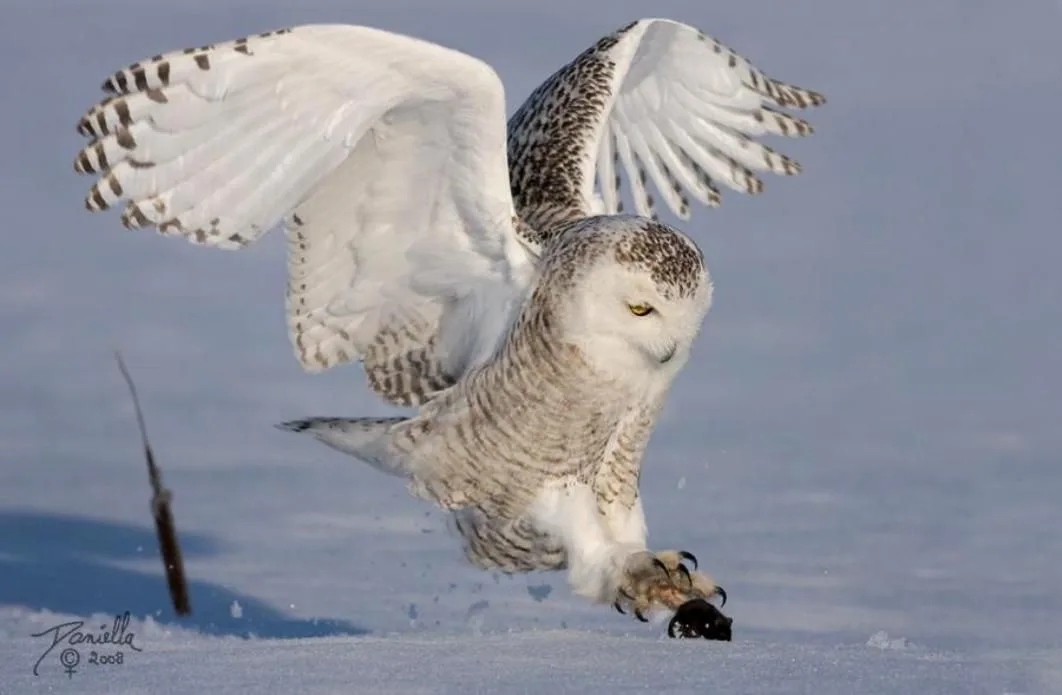
Image source: Bing (Web (fair-use with source credit))
When Snowy Owls Live Longer: Life in Zoos and Sanctuaries
When a snowy owl finds itself in a managed environment, like a zoological park or a dedicated wildlife rehabilitation center, its prospects for a long life improve dramatically. These controlled settings remove many of the unpredictable threats faced in the wild. With consistent access to food, protection from predators, and regular veterinary care, snowy owls in captivity can often live much longer than their wild counterparts.
Aggregate data from zoological institutions suggest that captive snowy owls can reach ages of 20 to 30 years, and sometimes even longer. This extended lifespan highlights the significant impact that consistent care, predictable nutrition, and a lack of environmental pressures have on avian longevity. It allows these birds to live out their full potential, providing educational opportunities and a safe haven.
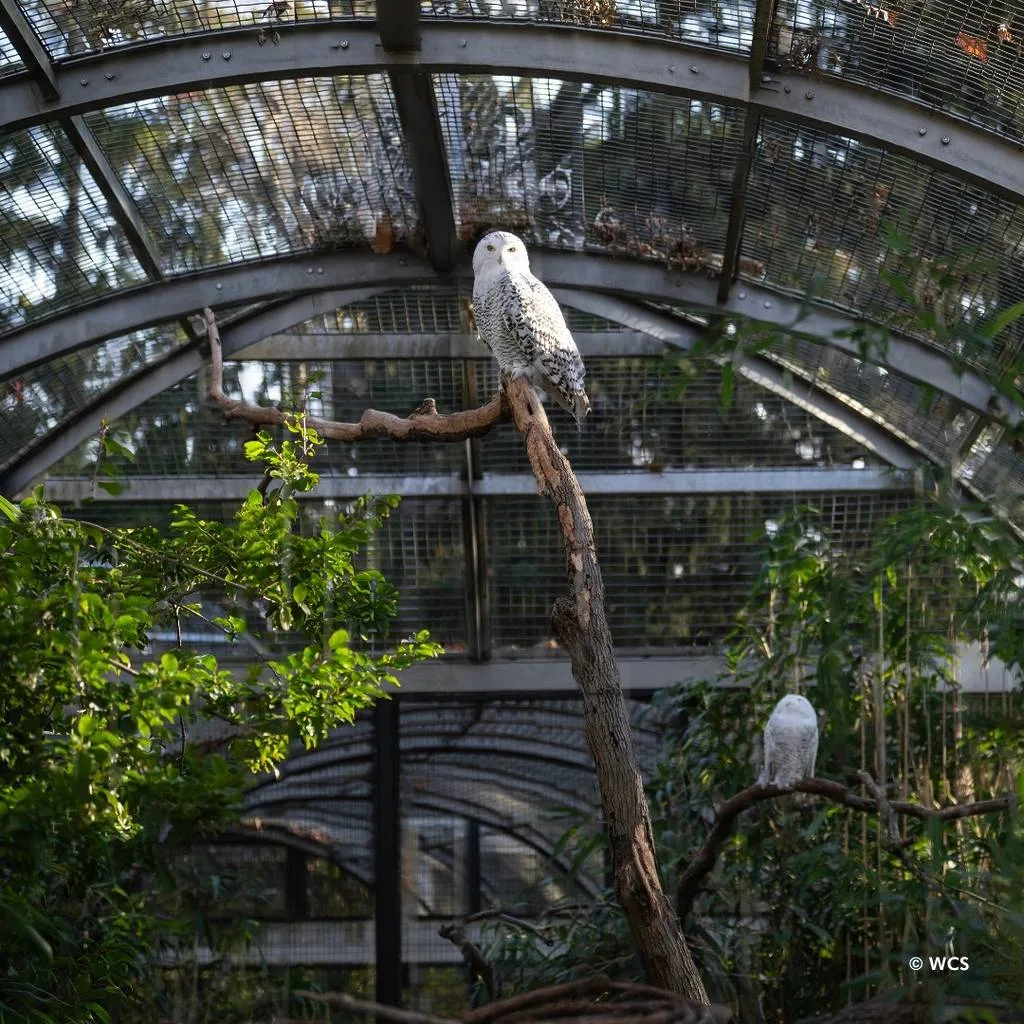
Image source: Web (Bing) / secretnyc.co (Web image (fair-use with source credit))
Key Factors Shaping a Snowy Owl's Life Expectancy
It's not just about being born into the wild or captivity; a whole host of environmental and biological factors actively influence how long any individual snowy owl will live. These elements create the unique pressures and opportunities that either shorten or extend their time on this earth.
The Critical Role of Food Availability
For any predator, especially one like the snowy owl that relies on a specific diet, food availability is paramount. Their primary food source in the Arctic is the lemming, a small rodent whose population undergoes dramatic cycles of abundance and scarcity. When lemming populations are high, snowy owls have an easier time hunting, leading to better body condition, higher reproductive success, and ultimately, a greater chance of surviving the year.
Conversely, during years when lemming numbers are low, snowy owls face significant challenges. They may need to travel further to find food, expending precious energy, or switch to less ideal prey if available. This dietary stress can weaken them, make them more susceptible to disease, and reduce their ability to withstand conditions, directly impacting their lifespan.
Understanding these cycles is key to understanding owl survival rates per national wildlife biology research findings.
Weather, Predators, and Other Wild Challenges
Beyond food, the sheer resilience required to survive the Arctic environment is immense. Snowy owls are exceptionally adapted to cold, with dense feathering providing incredible insulation. However, extreme cold snaps, blizzards, or prolonged periods of difficult hunting conditions can still push them to their limits.
Predation is another factor, though adult snowy owls have few natural enemies. Young owls, or those weakened by starvation, can become targets for other predators like foxes or larger birds of prey. Human-related dangers, such as collisions with vehicles or power lines, and habitat disruption, also contribute to mortality.
These ever-present risks mean that survival in the wild is a constant negotiation, and reaching an older age requires a good deal of luck alongside natural hardiness.
What We Learn from Snowy Owl Longevity Data
When we look at the numbers, it paints a clearer picture of snowy owl survival. These figures come from dedicated ornithological studies and long-term observations, giving us a solid understanding of their life expectancies. This data isn't just academic; it helps conservationists understand population health and identify threats.
For instance, tracking banding data from bird observatories provides crucial insights. Researchers band young owls and then record any future sightings. This allows them to calculate survival rates year over year.
Per established banding protocols, this method reveals that while some owls might live a decade or more in the wild, many do not reach their first birthday due to the intense challenges they face from a young age.
In managed care settings, like zoos, detailed record-keeping provides different insights. Here, records often track individual birds from birth through their entire lives. This is how we know that with consistent care, some snowy owls have lived well into their early thirties.
This data is vital for understanding the species' potential lifespan when optimal conditions are met.
Common Misconceptions About Snowy Owl Lifespans
Despite their iconic status, there are some common misunderstandings about how long snowy owls live. People often imagine them as ancient, hardy creatures that simply endure the Arctic indefinitely. While they are hardy, there are hard limits to their lifespan, especially in the wild.
One frequent misconception is that all snowy owls live for a very long time. While a lifespan of 15 years in the wild is certainly respectable, it’s not the norm for every individual. Many factors, as we've discussed, can significantly shorten this period.
It’s important to remember that the wild is a tough place for any creature.
Another idea that sometimes pops up is that they have exceptionally long lifespans comparable to some other large birds of prey or even some mammals. While their lifespan in captivity can be impressive, it's not an indicator of their typical wild existence. The difference between wild and captive lifespans is one of the most significant takeaways from longevity data.
FAQs About Snowy Owl Lifespan
What is the average lifespan of a snowy owl?
The average lifespan for a snowy owl in the wild is about 10 to 15 years. This average accounts for many individuals that may not survive past their first year due to various challenges.
Can snowy owls live past 20 years?
Yes, snowy owls can live past 20 years, but this is primarily observed in captive environments such as zoos or wildlife sanctuaries. In the wild, reaching such an age is very rare due to the harsh conditions and inherent risks.
Do male or female snowy owls live longer?
Our research indicates there isn't a significant, consistent difference in lifespan between male and female snowy owls. Survival rates are more influenced by environmental factors like food availability and predation than by sex.
Why do snowy owls live longer in captivity?
Snowy owls live longer in captivity because they are protected from natural predators, have a consistent and reliable food supply, and receive medical care for injuries or illnesses. These factors eliminate many of the life-threatening challenges they face in the wild.
Does climate change affect snowy owl lifespan?
Climate change could potentially impact snowy owl lifespans indirectly by altering prey populations and their habitats. Changes in temperature and weather patterns can affect lemming cycles, which are crucial for their food source.