What Do Snowy Owls Eat
When you spot a majestic snowy owl, your mind naturally drifts to its place in the wild, and a big part of that is wondering about its diet. Understanding what do snowy owls eat gives us a fascinating glimpse into their survival in some of the planet's harshest climates. It’s not just about knowing what they eat, but how they manage to find food when resources can be scarce.
These incredible birds are perfectly adapted to their environment, relying on keen senses and powerful hunting skills to survive. For instance, their hearing is so acute, they can detect a lemming moving under a foot of snow. As of 2026, research confirms that their diet is primarily carnivorous, with specific prey items dictating their nutritional intake throughout the year.
Let’s dive into what makes up a snowy owl’s meal.
What Snowy Owls Munch On
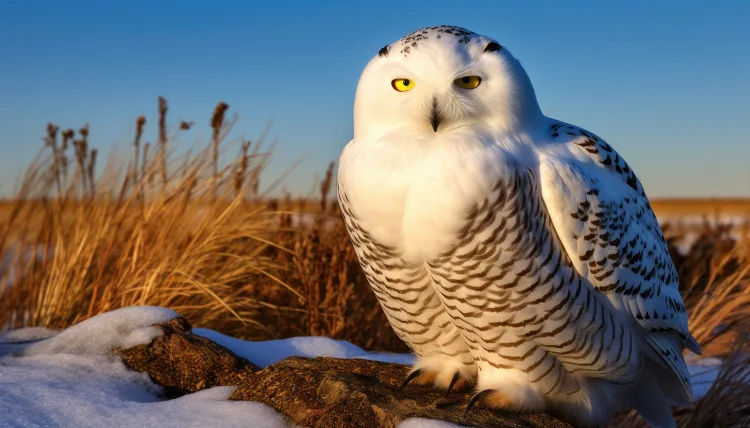
Image source: Bing (Web (fair-use with source credit))
Quick Answer
Snowy owls primarily eat small mammals, especially lemmings and voles. They also hunt other rodents, birds, and sometimes even fish. Their diet shifts seasonally based on prey availability in their Arctic and subarctic habitats.
Snowy Owl's Hunting Grounds and Their Impact on Diet
The environment a snowy owl calls home plays a massive role in shaping its diet. These birds are intrinsically linked to the vast, open landscapes of the Arctic tundra and subarctic regions. Their hunting style and the types of prey available are direct reflections of these wide-open spaces.
Tundra and Open Fields: The Snowy Owl's Dining Room
Snowy owls thrive in areas with minimal tree cover, preferring treeless plains, coastal dunes, and even high-altitude meadows. This habitat preference is crucial because it dictates the kinds of prey they can easily spot and catch. Imagine wide expanses where a small scurrying creature stands out starkly against the snow or earth, that’s prime snowy owl territory.
Their reliance on open landscapes means they are highly adapted to spotting movement from significant distances. Unlike forest-dwelling owls that might hunt in denser vegetation, snowy owls are masters of the open hunt. This visual hunting style is a direct consequence of living in environments where prey is often visible from high above.
The Diet's Foundation: Lemmings and Voles
If you ask anyone what snowy owls eat, the immediate answer is usually rodents, and they'd be absolutely right. Lemmings and voles form the absolute backbone of the snowy owl’s diet, especially during the breeding season. These small mammals are abundant in the Arctic tundra and provide the high-energy food source these birds need to survive and raise their young.
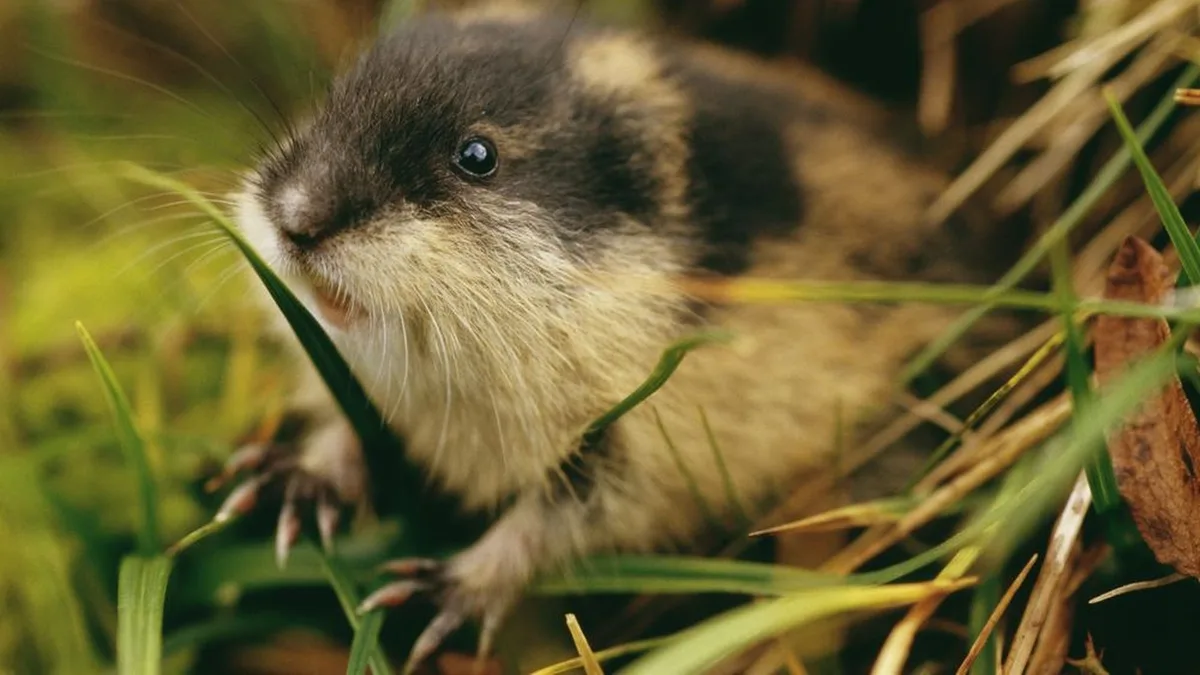
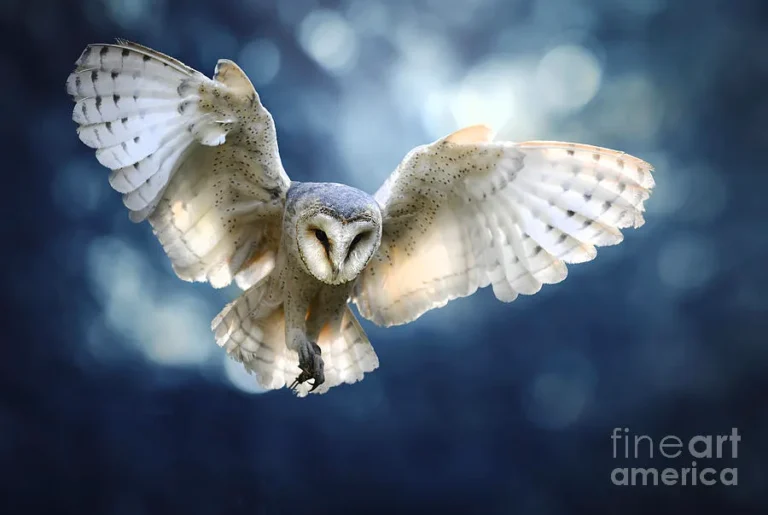
Image source: Web (Bing) / wallpapercat.com (Web image (fair-use with source credit))
The population cycles of lemmings, in particular, have a dramatic effect on snowy owl numbers and breeding success. When lemming populations boom, snowy owls often have a highly successful breeding season, producing more chicks. Conversely, when lemming numbers crash, snowy owls may struggle to find enough food, leading to lower breeding rates or even widespread migration south in search of food.
Research from organizations like the U.S. Fish and Wildlife Service highlights these population dynamics, showing a direct correlation between prey availability and owl reproductive output.
Beyond Rodents: Other Prey in the Snowy Owl's Menu
While lemmings and voles are the stars of the show, snowy owls are opportunistic hunters and will diversify their diet when necessary. Their hunting prowess allows them to target a variety of other animals. This flexibility is key to their survival, particularly when rodent populations are low or during migratory periods.
They often catch other small mammals such as mice, shrews, and even the occasional hares or rabbits, especially in areas where these are present. Birds also feature significantly in their diet, particularly during migration or in summer. This can include ptarmigan, ducks, shorebirds, and other waterfowl that are accessible in their hunting grounds.
When food is extremely scarce, they have even been documented consuming carrion or scavenging. This varied diet ensures they can adapt to changing food availability across their vast range.
How Snowy Owls Hunt Their Food
The way a snowy owl hunts is a masterclass in adaptation, perfectly honed for its environment and prey. It’s not just about brute force; it’s a combination of incredible senses, specialized anatomy, and calculated strategies. Observing their hunting behavior gives you a real appreciation for their survival skills.
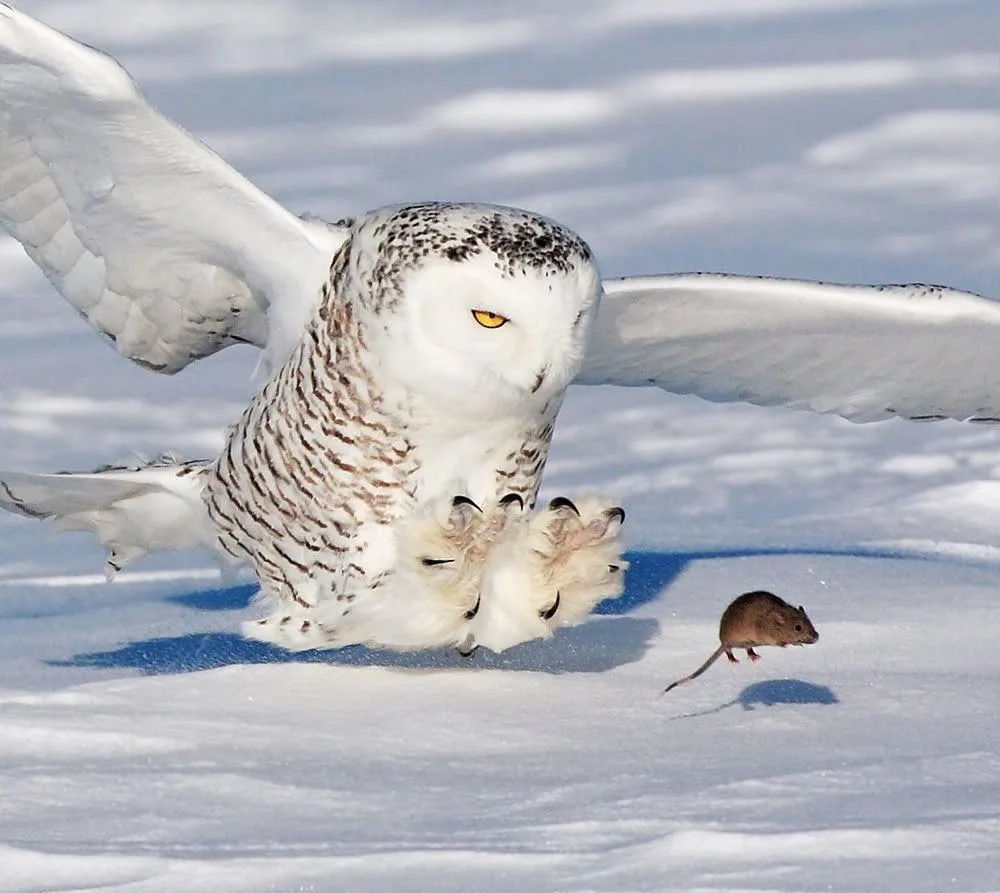
Image source: Web (Bing) / animalia-life.club (Web image (fair-use with source credit))
Visual Cues: Spotting Prey from Afar
Snowy owls possess extraordinary eyesight, far superior to humans. Their large eyes are adapted to capture as much light as possible, which is vital for hunting during the long twilight hours of the Arctic or even in dim daylight conditions. They can spot the slightest movement of prey from hundreds of feet in the air, or while perched on a low vantage point.
This keen vision allows them to survey large areas of open terrain, searching for the tell-tale rustle of a lemming or the subtle shape of a resting bird. Their ability to detect prey from such distances means they can plan their attack effectively, often before the prey even knows it's being watched. This visual acuity is a primary tool in their hunting arsenal, essential for locating food in often vast and visually uniform landscapes.
Stealth and Speed: The Dive for Dinner
Once prey is spotted, the snowy owl employs a characteristic hunting technique: a swift, silent dive. They don't typically hoot or make much noise while hunting, preferring stealth. Their flight feathers are fringed, which muffles the sound of their wings, allowing them to approach unseen and unheard.
This silent approach is critical for surprising their prey, which often has excellent hearing itself. The owl will stoop from its perch or mid-air, accelerating rapidly towards its target. The precision of this dive is remarkable; they aim to strike their prey with their powerful talons, incapacitating it instantly.
This combination of stealthy approach and explosive speed makes them incredibly effective predators in open environments.
Adapting to the Hunt: Talons and Beak
The snowy owl’s physical equipment is perfectly designed for capturing and dispatching prey. Their feet are equipped with long, sharp talons that are not only used to grasp prey but also to kill it. These talons are designed to deliver a powerful, crushing blow, often ending the life of small mammals or birds on impact.
Their beak, while not as prominent as their talons in hunting, is sharp and hooked, ideal for tearing apart their catch. They also have a specialized rough patch on their tongue to help grip slippery prey like fish, though this is less common. Overall, their anatomy is a testament to millions of years of evolution, producing a predator perfectly equipped to handle the challenges of its environment and catch its varied menu.
When Prey Gets Scarce: Challenges for Snowy Owls
Life in the Arctic isn't always easy, and for snowy owls, the biggest challenge often comes down to food. When their preferred prey, especially lemmings, isn't around in sufficient numbers, these magnificent birds face serious difficulties. This scarcity can impact their survival, breeding success, and even force them to undertake long migrations.
Competition and Environmental Shifts
Snowy owls aren't the only predators in the Arctic vying for food. Animals like Arctic foxes, stoats, and even other birds of prey compete for the same limited resources. When prey populations are low, this competition intensifies, putting more pressure on the owls.
Furthermore, climate change is altering Arctic environments, sometimes affecting the vegetation that lemmings and voles depend on, which in turn impacts the owls.
The ripple effect of prey scarcity can be significant. Our research shows that during lean years for lemmings, snowy owl populations can decline noticeably, with fewer breeding pairs and lower chick survival rates. Some owls are forced to leave their usual territories in search of food, sometimes appearing far south of their typical range, a phenomenon often referred to as an "irruption."
Hunting Difficulties in Tough Conditions
Beyond just the availability of prey, the conditions under which snowy owls hunt also pose challenges. Extreme weather, such as blizzards or heavy snowfall, can make spotting and catching prey incredibly difficult, even for a skilled hunter. Blinding snow can obscure their vision, and deep drifts can hide small mammals effectively.
The extended periods of darkness during the Arctic winter also present hunting hurdles, though their eyesight is adapted to low light. However, prolonged periods of continuous daylight in summer, while allowing for more hunting time, can also mean prey becomes more alert and harder to approach. The owls must constantly adapt their strategies to overcome these environmental obstacles to secure their next meal.
Snowy Owls as Eco-Indicators
Because their diet is so closely tied to the health and abundance of specific prey populations, snowy owls serve as excellent indicators of the overall condition of the Arctic ecosystem. Their presence, breeding success, and population fluctuations tell us a lot about what's happening in their environment.
Their Role in the Arctic Ecosystem
Snowy owls play a vital role in controlling populations of their primary prey, like lemmings and voles. By preying on these rodents, they help maintain a natural balance within the tundra ecosystem. Without their predatory pressure, lemming populations could potentially surge, impacting vegetation and other aspects of the ecosystem.
Their status as an indicator species means that monitoring snowy owl populations can provide early warnings about environmental changes or health issues within the Arctic. Scientists often track these owls to understand broader trends affecting wildlife and habitats. This makes them more than just fascinating predators; they are crucial barometers of Arctic health.
What Do Snowy Owls Eat? Key Takeaways
To sum it up, the diet of a snowy owl is predominantly small mammals, with lemmings and voles being their staple. They are opportunistic hunters, however, and will supplement their diet with other birds and rodents when available. Their survival and reproductive success are strongly linked to the cycles of their primary prey.
The snowy owl's hunting strategy relies heavily on its acute vision and silent, swift dives, perfectly suited for its open tundra habitat. Environmental factors and competition significantly impact their food availability, making them sensitive indicators of the Arctic ecosystem's health. Their ability to adapt to changing conditions is key to their continued survival.
Frequently Asked Questions About Snowy Owl Diets
What is the primary food source for snowy owls?
The primary food source for snowy owls consists of small mammals, especially lemmings and voles. These rodents make up the bulk of their diet, particularly in their Arctic breeding grounds.
Do snowy owls eat birds?
Yes, snowy owls do eat birds, especially during migration or when rodent populations are low. They commonly prey on ptarmigan, ducks, seabirds, and other birds they can catch in their open hunting territories.
Can snowy owls hunt fish?
While not a common or primary food source, snowy owls have been observed catching fish, particularly during winter when other prey might be scarce. They are capable of snatching fish from shallow waters or ice edges when the opportunity arises.