Common Bird Species
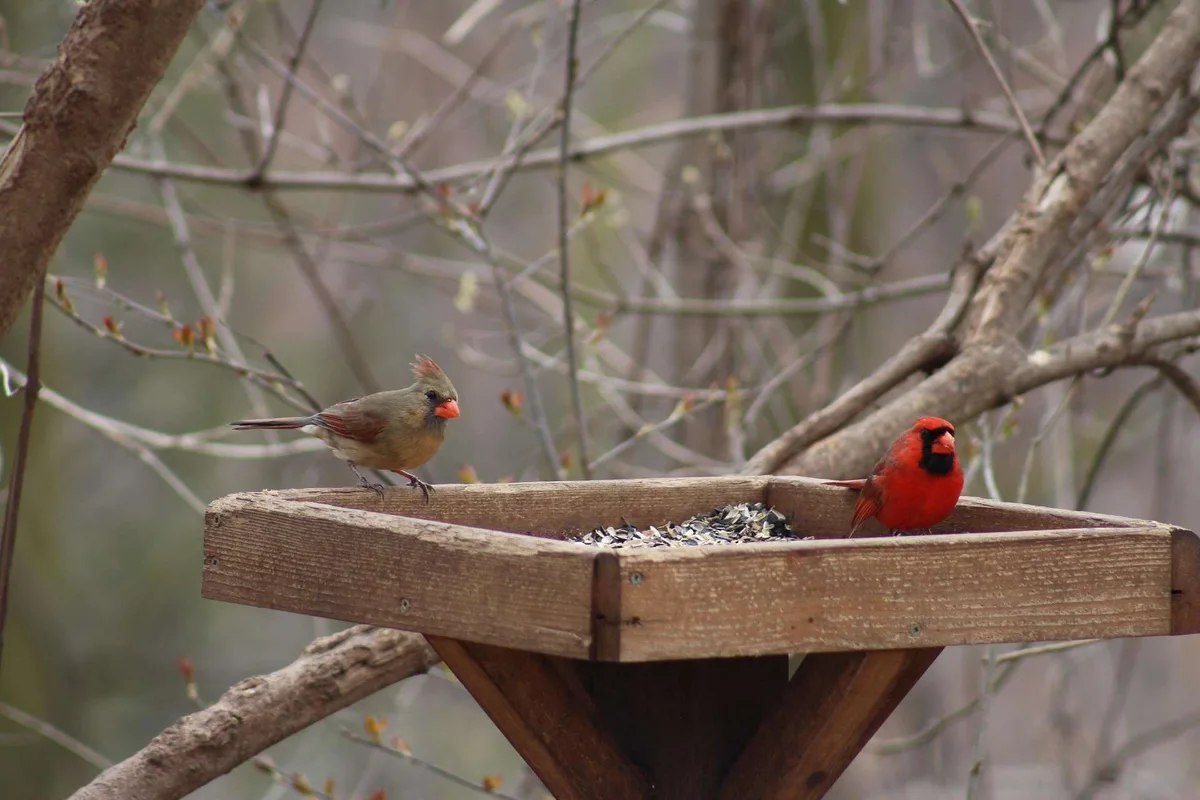
Image source: Bing (Web (fair-use with source credit))
Identifying common bird species in your own backyard is a rewarding way to connect with the natural world. You don’t need an advanced degree or expensive gear to start recognizing the neighbors that visit your trees every day.
Learning to spot these birds relies on observing physical traits and patterns that repeat across the seasons. By focusing on simple markers, you’ll be able to identify local visitors with confidence as of 2026.
Quick Answer
Common bird species are birds frequently found in residential areas. Look for specific colors, shapes, and unique flight patterns. Focus on the beak size and wing markings first.
These details distinguish similar birds in your neighborhood. Most backyard visitors are hardy year-round residents.
Why Jizz Matters More Than You Think
Experienced birders often talk about "jizz," a term that refers to the general impression of a bird's size, shape, and movement. Instead of squinting at feathers, you observe the overall silhouette and energy of the creature. This holistic approach works because a bird’s behavior is as unique as its anatomy.
When you see a small bird, ask yourself how it carries its weight. Does it hop quickly across the lawn, or does it move with stiff, jerky motions? Does it cling to the side of a tree trunk, or does it prefer to sit upright on a wire?
These instinctive movements help you categorize birds before you ever catch a clear look at their colors. This skill is vital because lighting conditions often make it impossible to see subtle plumage details. Trusting your gut reaction to the bird’s style of movement is a hallmark of skilled observation.
Breaking Down the Visual Cues for Quick Identification
The most effective way to identify a bird is to look for specific "field marks" that remain constant. Field marks are distinct patterns on a bird that stand out against its primary color. These include bands of color on the wings, rings around the eyes, or stripes on the head.
Image source: Bing (Web (fair-use with source credit))
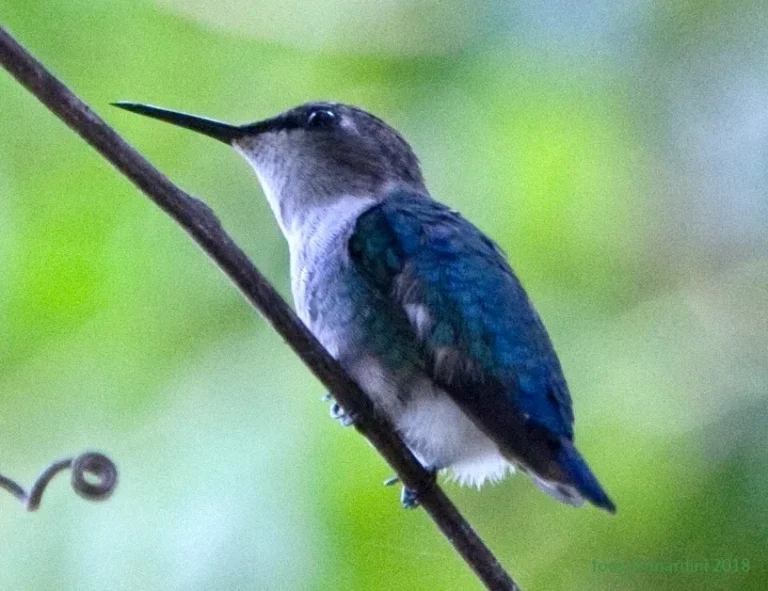
Start by examining the beak. A thick, triangular beak is designed for cracking open tough seeds, which suggests you are looking at a finch or cardinal. A thin, needle-like beak is meant for snatching insects, which points toward a warbler or a wren.
Next, look for splashes of color that don't cover the whole body. A white patch on the wing or a black "bib" under the chin creates a shorthand for your brain to recognize the species. Referencing a reliable guide like those from the Cornell Lab of Ornithology helps you cross-reference these visual markers against your observations.
Essential Bird Profiles for Every Backyard
Not every bird you see is a rare migrant, and that is actually a good thing. Most backyard visitors fall into a predictable list of species that thrive in suburban environments. Becoming an expert on these common birds makes you more observant of changes in your local habitat.
| Bird Name | Distinguishing Feature | Typical Habitat |
|---|---|---|
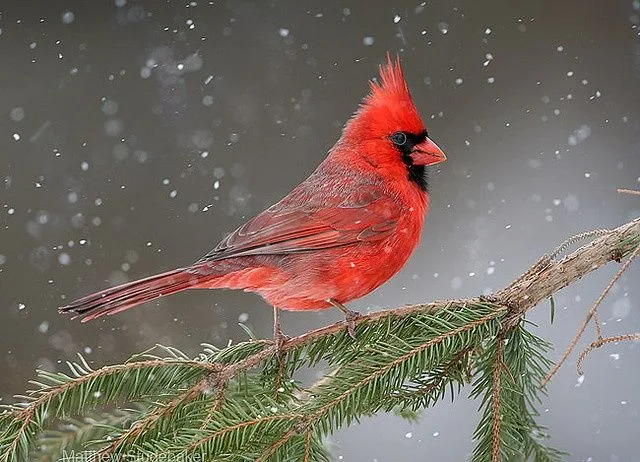
| Northern Cardinal | Crested head and vibrant red | Shrubs and dense trees |
| Blue Jay | Bold blue, white, and black | Oak trees and feeders |
| American Robin | Bright orange-red breast | Lawns and open fields |
| Mourning Dove | Pointed tail and soft grey | Ground feeders |
Keep in mind that males and females of the same species often look different. The male cardinal is bright red, while the female is a soft, muted brown with only hints of red. Recognizing these variations ensures you don't mistake a female for a different species entirely.
How to Observe Behavior to Confirm Your Sighting
Behavior serves as a secondary check if you are still unsure about a bird's identity. Many species have highly specific foraging habits that define their daily routines. The way a bird interacts with its environment often reveals its identity faster than its appearance.
- Ground Feeders: Birds like mourning doves and juncos spend the majority of their time on the ground. They are usually searching for fallen seeds or small insects.
- Vertical Climbers: Woodpeckers and nuthatches use their specialized feet to move up, down, and around tree trunks. They are rarely found sitting still on a flat, horizontal surface.
- Aerial Darting: Flycatchers and swallows wait on a perch and fly out to catch insects in mid-air. They return to the same spot immediately after a successful hunt.
If you are watching a feeder, observe the social dynamics of the birds. Some species are solitary, while others prefer to feed in competitive groups. Noticing whether a bird is aggressive or timid around other species provides clues to its specific temperament.
Maintaining a Healthy Feeding Station to Protect Your Local Species
Providing a consistent food source is a great way to bring birds into view, but it requires responsibility. Dirty feeders can become breeding grounds for bacteria, which poses a serious risk to your local population. Proper maintenance keeps your backyard visitors thriving year-round.

Image source: Bing (Web (fair-use with source credit))
Follow a strict cleaning schedule to ensure your feeders remain safe. Empty the feeders and scrub them with a solution of one part bleach to nine parts water every two weeks. This simple step prevents the spread of avian diseases.
- Choose the Right Seed: Use high-quality black oil sunflower seeds to attract the widest variety of birds. Avoid cheap "filler" mixes containing milo or wheat, as many birds will simply scatter it on the ground.
- Manage Placement: Keep your feeders at least ten feet away from dense bushes that could hide predatory cats. This visibility allows birds to see threats coming and escape safely.
- Monitor Water: A bird bath is just as important as a feeder, especially in summer. Keep the water fresh to prevent mosquito breeding and provide a clean space for birds to bathe.
Common Identification Mistakes and How to Avoid Them
The biggest hurdle for beginners is the "Little Brown Job" phenomenon. This catch-all term describes any small, brown, nondescript bird that refuses to sit still long enough for you to identify it. These birds are often lumped together in our minds, but you can tell them apart if you look at their proportions.
Focus on the ratio between the body and the tail. A sparrow might have a relatively short, thick tail, while a wren often carries its tail in an upward, cocked position. Paying attention to these tiny details prevents you from misidentifying a common sparrow as something more exotic.
Another common mistake is assuming that a bird's color will always appear exactly as it does in a field guide. Bright sunlight can wash out subtle colors, while shadows can make a light-colored bird look dark. Always try to observe a bird from multiple angles to get a true sense of its color.
If you are struggling, don't guess. It is perfectly fine to write "unidentified" in your notes. Building a habit of careful observation is more important for your long-term progress than correctly naming every single bird on your first try.
Frequently Asked Questions About Local Bird Species
How do I identify a bird I see only for a second?
Focus on the bird’s general silhouette and its flight pattern first. Does it flap its wings rapidly or glide between pulses? Many birds have unique bouncing or undulating flight styles that make them easy to recognize from a distance even without seeing their colors clearly.
Why do some birds disappear during certain seasons?
Many birds are migratory, meaning they travel south when food becomes scarce in your area during the winter. Some species are irruptive, meaning their presence depends entirely on whether there is an abundant food crop like pine cones or berries nearby. Check regional range maps to see which species should be in your area during specific months.
Can I attract more species to my yard?
Diversity in your landscape is the best way to invite a wider variety of birds. Planting native shrubs and trees provides both natural shelter and a reliable source of food like berries or insects. Avoid using pesticides, as these chemicals eliminate the protein-rich food source that many common species depend on for their survival.
What should I do if I find an injured bird?
Leave the bird alone if it is just a fledgling that is learning to fly, as these young birds often spend a few days on the ground. If the bird is clearly wounded, bleeding, or caught in something, contact a local wildlife rehabilitator for guidance. According to the US Fish and Wildlife Service, you should avoid handling birds directly to protect yourself from potential zoonotic diseases.