What Do Cockatoos Eat
Feeding your cockatoo a proper diet goes way beyond just filling a bowl. The exact foods you offer directly impact their health, happiness, and even their behavior. Getting it right means understanding what makes a truly nutritious and balanced meal for these intelligent birds.
When you're figuring out what do cockatoos eat, it's not about just picking out colorful fruits. It’s about creating a diet that mimics what they'd find in nature, packed with essential vitamins and minerals. Manufacturer specifications for reputable parrot pellets, for instance, often highlight a minimum of 14% crude protein and 4.5% crude fat, which serves as a baseline for a healthy avian diet.
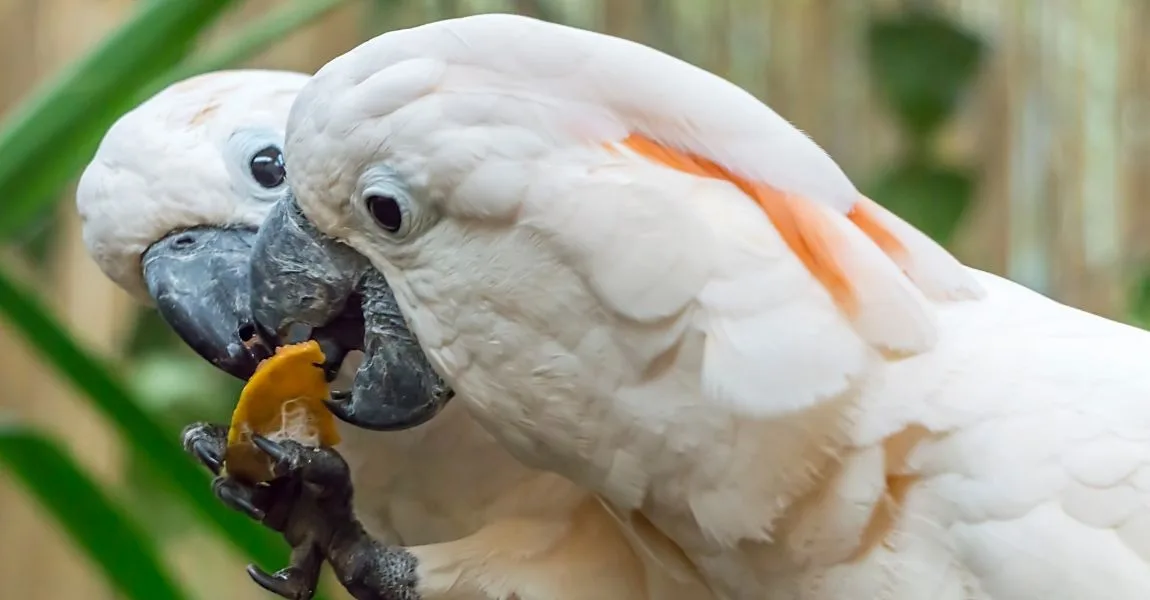
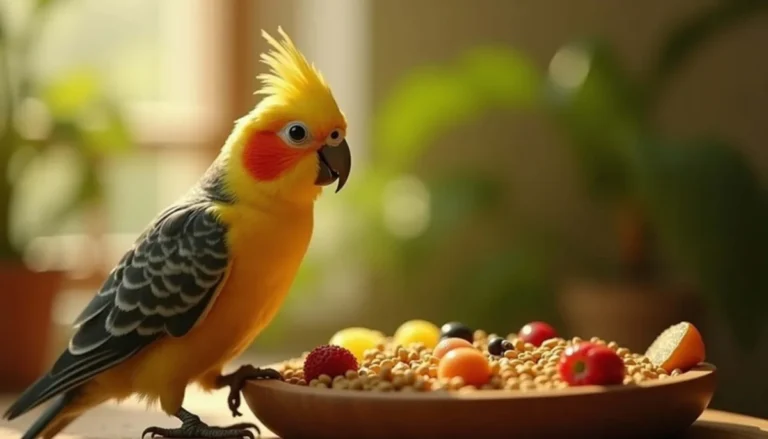
Image source: Web (Bing) / absoluteexoticssa.co.za (Web image (fair-use with source credit))
Quick Answer
Cockatoos thrive on a varied diet that includes high-quality parrot pellets as a base, supplemented daily with fresh vegetables and fruits. Seeds and nuts should be offered sparingly as treats due to their high fat content. Proper hydration and avoiding toxic foods like avocado, chocolate, and onions are crucial for their well-being.
The Foundation: Why a Balanced Cockatoo Diet Matters
A balanced diet is the bedrock of a healthy life for any cockatoo. These birds are prone to specific health issues if their nutritional needs aren't met, and their environment, including their diet, plays a massive role in their overall well-being. Think of it like this: if you only ate junk food, you wouldn't feel great, and your body would eventually show the strain.
The same applies to our feathered friends, perhaps even more intensely given their unique physiology and rapid metabolism.
Poor nutrition can manifest in many ways, from dull feathers and lethargy to more serious problems like obesity, liver disease, and even feather plucking. Our research indicates that a diet predominantly made of seeds can lead to significant deficiencies in essential vitamins and minerals, severely impacting a cockatoo's immune system and lifespan. A consistent, well-rounded approach ensures they get the building blocks they need to thrive.
Common Cockatoo Diet Mistakes to Avoid
When we look at what commonly goes wrong with cockatoo diets, a few things pop up repeatedly. Many owners, understandably, want to spoil their intelligent companions, but this often leads to overfeeding unhealthy, high-fat treats. Another big one is relying too heavily on seed mixes, which might seem appealing but lack the comprehensive nutrition these birds need.
- Seed-Only Diets: These are a major pitfall. While seeds provide some energy, they are typically low in essential vitamins, minerals, and protein, and very high in fat. This imbalance can lead to a host of health problems over time.
- Overfeeding Treats: Nuts, especially, are a favorite for many cockatoos, but they are calorie-dense. Offering them daily or in large quantities can quickly lead to obesity and associated health issues.
- Ignoring Variety: Cockatoos are smart and curious. A monotonous diet can lead to boredom, stress, and behavioral issues, including feather damaging behaviors. They need mental stimulation, and foraging for different foods provides that.
- Feeding Unsafe Foods: This is critical. Many common human foods are toxic to birds, and accidentally offering them can have severe or even fatal consequences.
Building the Menu: Core Foods for Your Cockatoo
Creating a nutritious diet for your cockatoo involves a careful selection of several food groups, aiming for variety and balance. It's not about finding one "perfect" food, but rather a mix that covers all their essential dietary requirements. This approach helps prevent deficiencies and keeps them engaged with their meals.
Pellets: The Nutritional Backbone
High-quality, species-appropriate pellets should form the substantial base of your cockatoo's diet, typically making up around 60-80% of their daily intake. These are scientifically formulated to provide a complete and balanced nutrition, ensuring they get all the necessary vitamins, minerals, and proteins. When selecting pellets, look for brands that are free from artificial colors and preservatives.
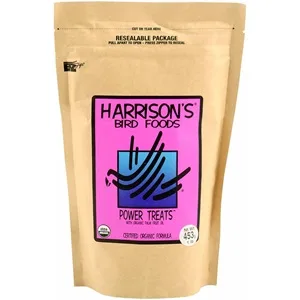
Image source: Web (Bing) / thebirdloftshop.com (Web image (fair-use with source credit))
Manufacturer specifications for reputable parrot pellets, such as those from Harrison's Bird Foods or Roudybush, often indicate that they are designed to meet the nutritional standards set by organizations like the Association of Avian Veterinarians (AAV). For example, many pellet diets will list guaranteed analysis figures for crude protein, crude fat, crude fiber, and moisture content. A typical target for crude protein in cockatoo pellets is around 14-20%, with crude fat in the range of 4-8%.
This ensures they receive adequate energy and essential fatty acids without excessive fat intake.
Fresh Foods: Fruits, Veggies, and More
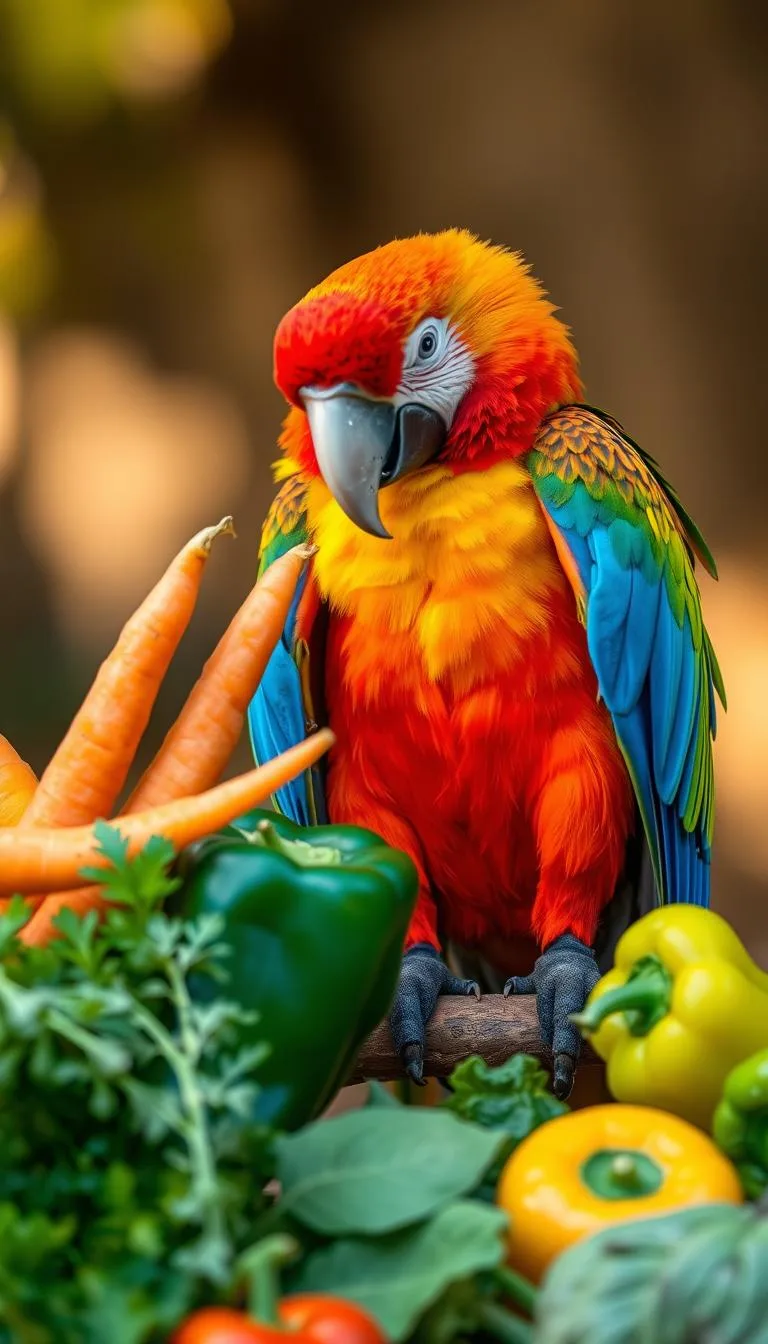
The remaining portion of your cockatoo's daily diet should consist of fresh foods, offering a range of vitamins, minerals, fiber, and antioxidants. Variety is key here; aim to offer a colorful assortment of vegetables and fruits daily. Different colors often indicate different nutrient profiles, so a rainbow on their plate is a good thing.
- Leafy Greens: Spinach, kale, romaine lettuce, collard greens, and Swiss chard are excellent choices. They are rich in vitamins and minerals.
- Other Vegetables: Broccoli, carrots, bell peppers (all colors), zucchini, sweet potatoes, peas, and green beans are highly nutritious.
- Fruits: Offer fruits in moderation due to their sugar content. Apples (seeds removed), berries, melon, papaya, mango, and bananas are good options. Always remove pits and large seeds from fruits, as some can be toxic.
- Cooked Grains and Legumes: Small amounts of cooked brown rice, quinoa, lentils, or beans (well-cooked and plain) can provide additional protein and fiber.
It's important to wash all produce thoroughly before serving to remove any pesticide residues.
Seeds and Nuts: Treats, Not Staples
While cockatoos often love seeds and nuts, they should be considered treats rather than a dietary staple. These items are very high in fat and can quickly lead to obesity and nutritional imbalances if overfed. Think of them as the occasional snack, not the main meal.
When offered, choose raw, unsalted, and unroasted nuts. Good options include almonds, walnuts, and Brazil nuts (in very small quantities due to selenium content). Seeds should be part of a high-quality bird seed mix or offered as individual seeds like sunflower or safflower, but always in moderation.
A good guideline is that treats like seeds and nuts should not make up more than 10% of their total daily intake.
Supplementing Safely: When and Why
For most pet cockatoos eating a balanced diet of quality pellets and fresh foods, additional supplements are often unnecessary. Reputable pellet brands are fortified to provide all the essential vitamins and minerals. However, there are times when supplementation might be recommended by an avian veterinarian.
This could include:
- Calcium and Vitamin D3: If a bird is not getting enough sun exposure (which helps their body produce Vitamin D3) or has known deficiencies. This is particularly important for breeding birds or older birds.
- Specific Vitamin Deficiencies: If a vet diagnoses a particular deficiency, they may prescribe a targeted supplement.
- During Illness or Stress: Sometimes, birds may need a temporary boost during recovery from illness or periods of significant stress.
Always consult with your avian veterinarian before administering any supplements. Over-supplementation can be just as harmful as under-supplementation, potentially leading to toxicity. They can guide you on the correct dosage and type of supplement if it’s deemed necessary for your individual bird.
Introducing New Foods and Foraging Fun
Getting a cockatoo to accept new foods can sometimes be a challenge, but persistence and creativity are your best tools. Birds often need multiple exposures to a new food before they try it, sometimes dozens. Don't get discouraged if they initially ignore something you offer.
- Offer variety: Present a range of new foods alongside their favorites.
- Vary preparation: Try offering vegetables raw, steamed, or lightly cooked. Fruits can be whole, chopped, or mashed.
- Presentation matters: Sometimes cutting food into different shapes or sizes can pique their interest.
- Foraging is key: This is where you can make introducing new foods exciting. Use foraging toys, stuff food into puzzle feeders, or hide small amounts around their cage. This mimics natural foraging behavior, making mealtime an engaging activity. It’s not just about nutrition; it’s about mental enrichment and keeping their minds sharp. For instance, stuffing finely chopped greens into a cardboard tube with small holes can encourage them to work for their meal.
What NOT to Feed Your Cockatoo: Critical Warnings
This is arguably one of the most important sections for any cockatoo owner. Some common human foods are incredibly dangerous, even toxic, to birds. Understanding these risks is paramount to keeping your companion safe.
Always assume a food is unsafe unless you've confirmed it is bird-friendly.
One critical example is avocado. While delicious for humans, it contains a toxin called persin that can be fatal to birds, affecting their heart and respiratory systems. Similarly, chocolate contains theobromine, a stimulant that birds cannot metabolize properly, leading to serious health issues.
Onions and garlic, when fed in large quantities, can damage red blood cells.
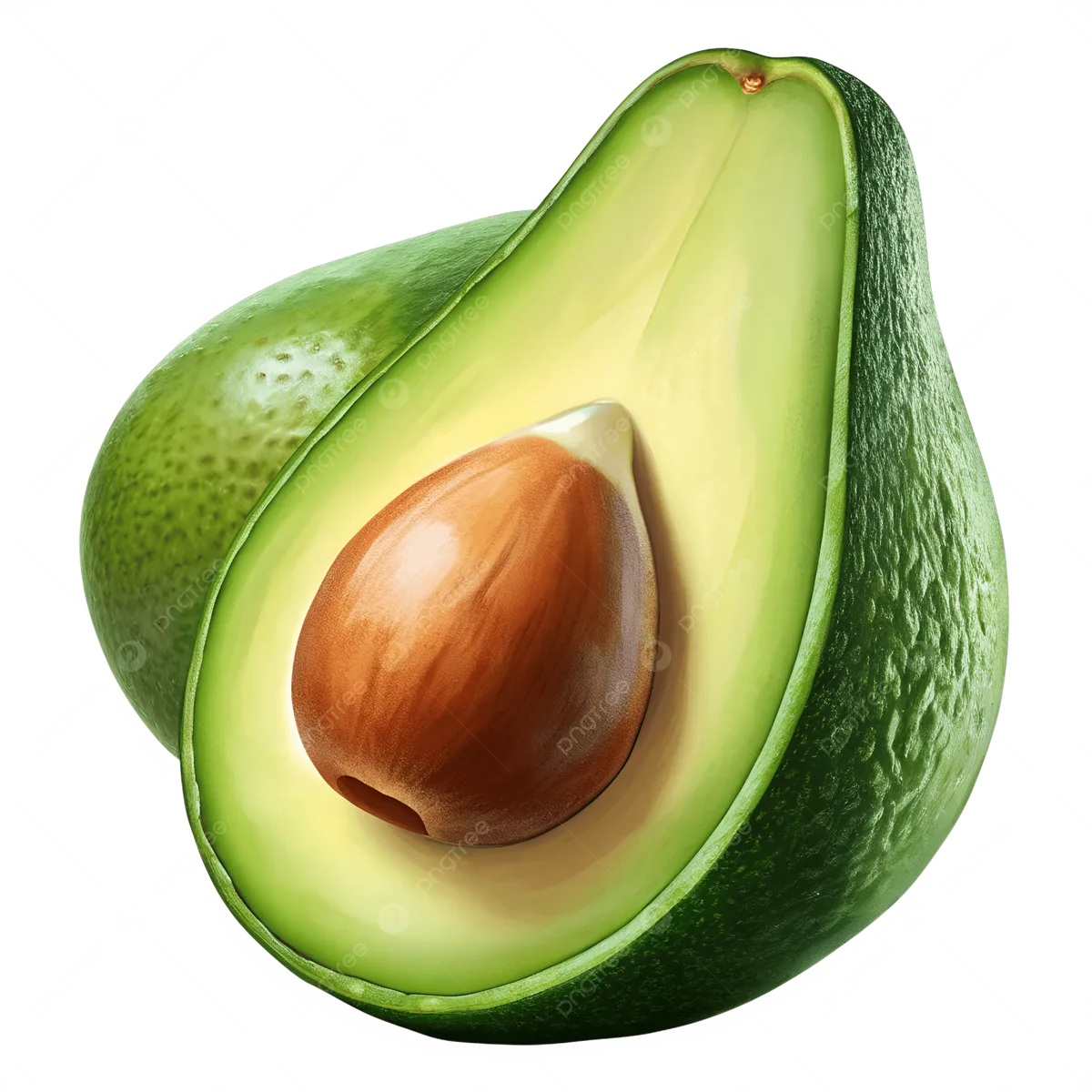
Image source: Bing (Web (fair-use with source credit))
Foods to Absolutely Avoid
Here’s a list of foods that should never be offered to your cockatoo. These can cause immediate illness or long-term health problems. Always double-check any new food you consider offering.
- Avocado: Contains persin, toxic to birds.
- Chocolate: Contains theobromine, which is toxic.
- Caffeine: Found in coffee, tea, and sodas; can be harmful.
- Alcohol: Extremely dangerous for birds.
- Onions and Garlic: Can cause blood issues in large amounts.
- Fruit Pits and Seeds: Many contain cyanide compounds (e.g., apple seeds, cherry pits). Always remove them.
- Salty Foods: Excessive salt can be harmful.
- Sugary Foods: Including candy, pastries, and processed snacks.
- Fatty Foods: Fried foods, greasy snacks.
- Xylitol: An artificial sweetener found in some sugar-free products, highly toxic.
- Raw Beans: Can be difficult to digest and contain toxins.
- Mushrooms: Some varieties can cause digestive upset or more serious issues.
Always ensure that any food you offer is fresh and properly prepared. For example, if offering cooked grains or legumes, make sure they are plain, with no salt, butter, or seasonings added.
FAQs About Feeding Your Cockatoo
What percentage of a cockatoo's diet should be pellets?
As of 2026, veterinary and avian nutrition guidelines generally recommend that high-quality parrot pellets should constitute about 60-80% of a cockatoo's daily food intake. This provides a consistent source of balanced nutrition.
How often should I feed my cockatoo?
Most owners offer fresh food and pellets once or twice a day, removing uneaten fresh food after a few hours to prevent spoilage. The key is consistency in offering a balanced diet.
Can cockatoos eat human snacks like chips or cookies?
No, human snacks like chips, cookies, or anything high in salt, sugar, or fat are not suitable for cockatoos. Their digestive systems are very different from ours, and these processed foods can cause significant health problems.
How can I tell if my cockatoo is getting enough to eat?
Observe your cockatoo's body condition. They should have a healthy weight, with visible but not prominent breastbone muscles. Their droppings should be consistent in appearance, and they should have good energy levels.
If you have concerns, consult an avian veterinarian.