Why Are Goldfinches Yellow
Ever spotted a goldfinch and wondered at its nearly fluorescent yellow? That vibrant color isn't just for show; it's a fascinating display of nature's own biochemistry, directly tied to what these birds eat. It’s a real-life example of how diet shapes appearance, a concept we explore across many fields, from human health to animal biology.
The secret to this dazzling hue lies in specific pigments called carotenoids, which birds obtain through their food. As of 2026, research continues to detail the complex pathways by which these pigments are processed and deposited. Let's dive into the science behind that cheerful yellow.
Quick Answer: The Carotenoid Connection
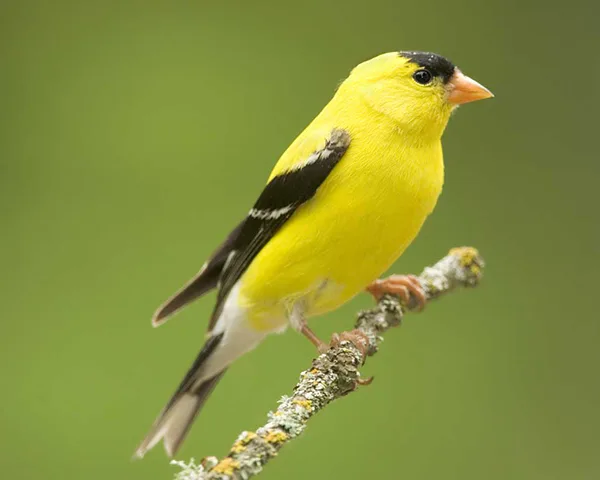
Goldfinches are yellow because their diet is rich in carotenoid pigments, primarily lutein, which they cannot produce themselves. These pigments are absorbed during digestion and then deposited into their developing feathers, giving them their distinctive bright yellow coloration. The intensity of the yellow can also signal the bird's health and nutritional status.
Core Explanation: How Diet Creates Color
The brilliant yellow you see on a goldfinch is a direct result of its diet and how its body processes specific compounds. Think of it like this: the food is the paint, and the bird's body is the artist. Goldfinches are primarily granivores, meaning they eat seeds.
Many of the seeds they consume are packed with carotenoids, a group of natural pigments found in plants.
These carotenoids are not just there for color; they serve important functions in the plants themselves, like aiding in photosynthesis. When a goldfinch eats these seeds, its digestive system breaks down the carotenoids. The bird's liver then plays a crucial role in processing these pigments, preparing them for transport and deposition throughout the body.
This isn't a passive process; the bird's physiology is specifically adapted to utilize these plant-derived compounds to build its own colorful plumage. Without a diet rich in these specific carotenoids, the characteristic yellow would be significantly muted.
Features: The Role of Lutein in Feathers
The star player behind the goldfinch's signature yellow is a specific type of carotenoid called lutein. Lutein is a xanthophyll, which is a subclass of carotenoids. While many carotenoids exist, lutein is particularly effective at producing yellow hues.
This pigment is abundant in many plants, including leafy greens and seeds, which form the bulk of a goldfinch's diet.
When lutein is absorbed from the bird's digestive tract, it's transported via the bloodstream to various tissues, most notably to the growing feathers. As a feather develops and matures, these pigment molecules are incorporated into its structure. The way lutein molecules absorb certain wavelengths of light and reflect others is what our eyes perceive as yellow.
The density and distribution of lutein within the feather barbules directly influence the vibrancy and shade of the yellow. Other carotenoids might be present and contribute to subtle variations or other colors if the diet includes them, but lutein is the primary architect of that striking goldfinch yellow.
Benefits: Health, Mating, and Camouflage
That dazzling yellow isn't just for looks; it serves several important biological purposes for the goldfinch. One of the most significant benefits is in mating displays. Brighter, more vibrant yellow plumage often signals to potential mates that the bird is healthy, well-nourished, and has access to good food sources.
This makes them a more desirable partner, increasing their chances of successful reproduction.
Beyond attracting a mate, the intensity of the yellow can act as an indicator of overall health. A bird that is consistently able to maintain a vivid yellow hue likely has a diet rich in carotenoids and is free from significant parasites or diseases that might interfere with pigment absorption or deposition. In this way, the color acts as a visible report card on the bird's well-being.
Interestingly, while bright, their color can also serve a form of camouflage. In sun-dappled environments, amidst yellow flowers or bright green foliage, their yellow plumage can help them blend in, making it harder for predators like hawks or cats to spot them from a distance.
Mistakes to Avoid: What Makes Yellow Dull
If a goldfinch's yellow is dull or muted, it usually points to a few common issues. The most significant factor is dietary deficiency. If the bird isn't consuming enough carotenoid-rich foods, its body simply won't have the building blocks to produce vibrant yellow feathers.
This can happen if their usual food sources are scarce or if they're foraging in an area with less nutritious plants.
Another factor to consider is health status. Birds suffering from illness, stress, or parasitic infections might not be able to efficiently absorb or metabolize carotenoids, even if they are present in their diet. This can lead to duller feathers.
For instance, studies on other species have shown that feather quality can decline under heavy parasite loads, impacting pigment deposition. Also, the molting process itself can be a time when color appears less vibrant. During molting, old feathers are replaced with new ones, and the new feathers may not reach their full color intensity until they've fully developed and perhaps been exposed to sunlight for a bit.
So, a temporarily less-bright appearance isn't always a cause for alarm, but consistently dull color is a flag.
Expert Tips: Observing and Appreciating Their Color
When you're out birdwatching, take a moment to really look at the goldfinches you see. Notice the subtle variations in their yellow. Is it a bright lemon yellow, or does it lean more towards an orangey hue?
This can tell you a lot about their diet and environment. Pay attention to whether they're in flocks or alone; flocking birds often have more consistent diets.
Also, observe their behavior. Are they actively foraging, or are they perched and looking a bit lethargic? This can offer clues about their health, which directly impacts feather color.
For example, if you see a goldfinch repeatedly eating the seeds of plants known to be high in lutein, like thistle or sunflower seeds, you're likely witnessing the process that keeps its feathers so brilliant. Understanding these connections enhances the birdwatching experience, turning a simple sighting into an appreciation of complex biological processes at play.
FAQs
Why is the male goldfinch brighter than the female?
Typically, males of many bird species, including goldfinches, develop more vibrant plumage than females. This is often linked to sexual selection, where brighter colors signal good health and genetic quality to attract mates. Females may also be more cryptically colored to help them blend in while nesting.
Can a goldfinch's color change throughout the year?
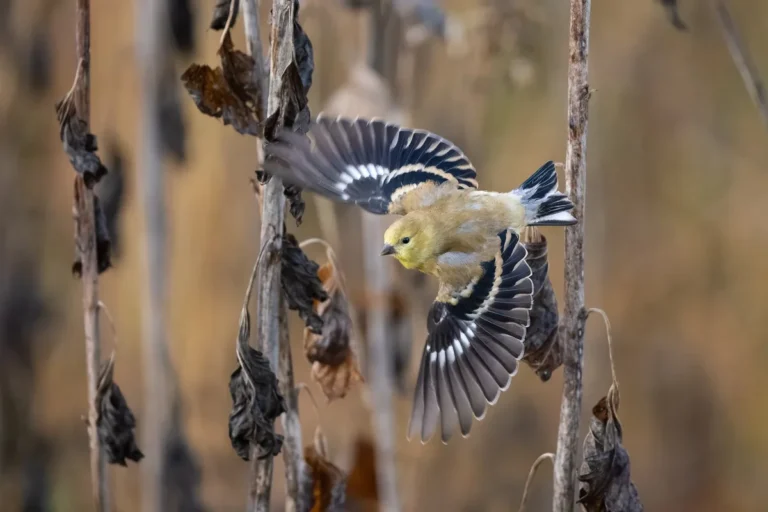
Yes, American Goldfinches exhibit seasonal color changes, particularly the males. During the breeding season, they achieve their brightest yellow and black plumage. Outside the breeding season, their yellow becomes much duller, sometimes appearing an olive-brown or buff color, which provides better camouflage during winter months.
Do all goldfinch species have yellow coloring?
While the American Goldfinch is known for its striking yellow, other species within the Spinus genus might have different coloration. Some may have yellow as a prominent feature, while others might display more muted tones or different colors altogether, depending on their specific habitat and evolutionary adaptations.
What other birds get their color from carotenoids?
Many bird species rely on carotenoids for their vibrant colors. This includes the red of cardinals, the orange of orioles, and the pink hues of flamingos. The specific carotenoids consumed and how the bird's body processes them determine the final color displayed.
Is it possible for a goldfinch to be a different color, like white?
Rarely, a goldfinch might exhibit unusual coloration due to a genetic condition called leucism, which causes a lack of pigment, resulting in white or patchy white plumage. This is not albinism, as the eyes typically retain their normal color. Such birds are much more vulnerable due to their conspicuousness.