How Fast Can Hummingbirds Flap Their Wings
You know those impossibly fast, tiny birds that seem to appear out of nowhere and vanish just as quickly? Ever wonder just how fast their wings are actually moving when they perform those aerial acrobatics? The answer to how fast can hummingbirds flap their wings is truly astonishing and explains a lot about their unique abilities.
These incredible creatures are masters of flight, capable of hovering, flying backward, and even performing breathtaking dives. All this agility and speed comes down to the sheer power and frequency of their wing beats. Our research indicates that, on average, a hummingbird's wings can beat at an impressive rate of 50 to 80 times per second.
Quick Answer
Hummingbirds flap their wings between 50 and 80 times per second. During courtship dives, this rate can surge to an astounding 200 flaps per second. This rapid wing movement enables their remarkable hovering and agile flight.
The Amazing Wing Speed: A Quick Peek
Hummingbirds are famous for their incredible agility and speed, and that's largely thanks to their wings. The rate at which they beat their wings is unlike almost any other bird. Imagine trying to wave your hand that fast for even a few seconds, it's exhausting!
- Average Wing Beat Frequency: 50 to 80 flaps per second.
This high frequency allows them to create lift on both the forward and backward strokes of their wings, a key factor in their ability to hover in place. It's this constant, rapid motion that makes them appear like shimmering jewels suspended in mid-air.
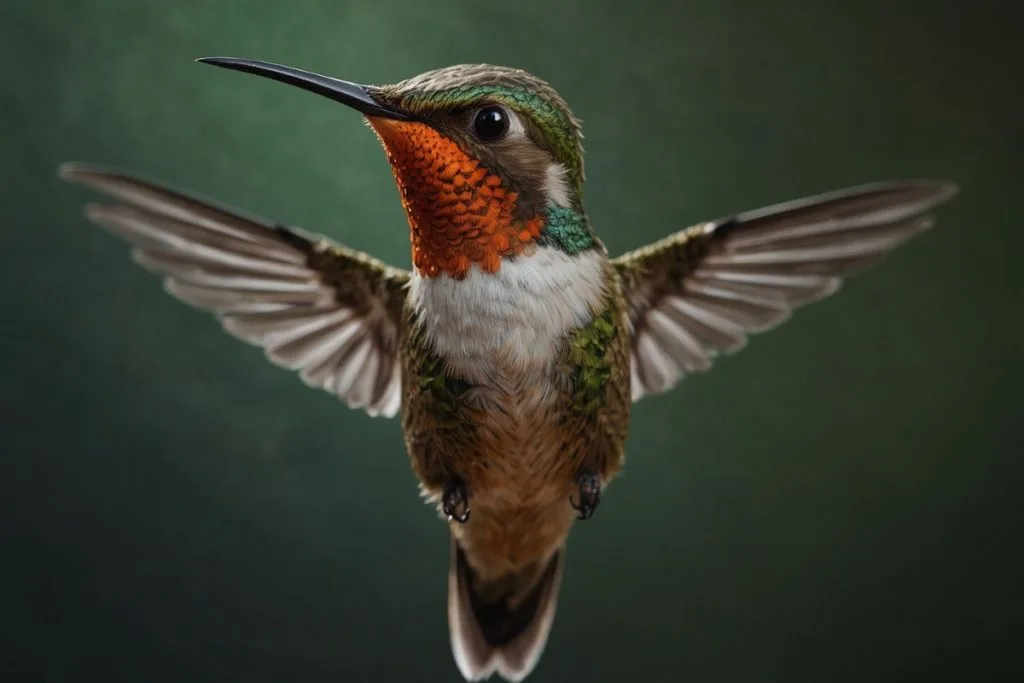
Image source: Bing (Web (fair-use with source credit))
Beyond the Hover: When Wings Go Into Overdrive
While 50 to 80 flaps per second is impressive for hovering, hummingbirds can actually push their wings much, much faster when the situation calls for it. This isn't just for show; it's a critical part of their life cycle and survival. When they need to maneuver rapidly or engage in specialized behaviors, their wing speed increases dramatically.
This acceleration in wing beats allows for rapid bursts of speed and changes in direction. It’s a display of biological engineering that allows them to exploit their environment in ways other birds simply can't. This higher frequency flight also produces a characteristic humming sound, which is how they got their name.
Courtship Dives: Reaching Maximum Velocity
One of the most spectacular displays of a hummingbird's speed occurs during courtship rituals. Male hummingbirds will often perform daring dives to impress females, and during these dives, their wing beats reach their absolute peak. These dives are not just about speed; they're a high-stakes performance.
- Peak Wing Beat Frequency (Dives): Up to 200 flaps per second.
During these dives, the air rushed past them at incredible speeds, and the sound of their wings can become a distinct buzzing or even a whistling noise. This intense aerial display is crucial for reproduction and showcases the extreme capabilities of these tiny birds. The aerodynamic forces at play are immense, yet they control it with precision.
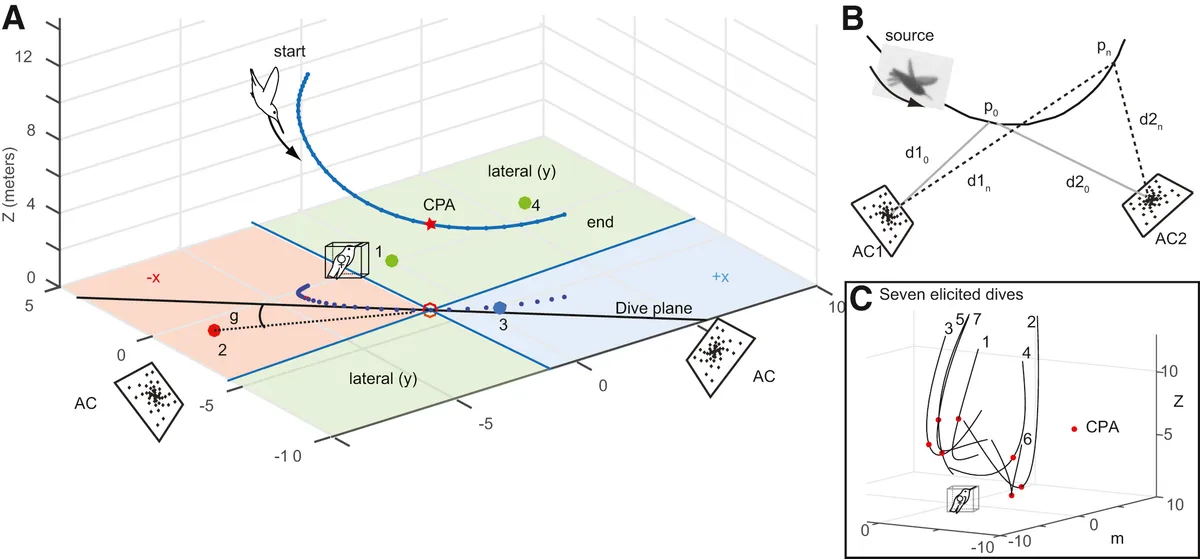
Image source: Bing (Web (fair-use with source credit))
Why Such Incredible Speed? It's All About Survival
The extraordinary wing speed of hummingbirds isn't just a cool party trick; it's fundamental to their survival and how they interact with their world. Every aspect of their life, from finding food to escaping danger, relies on this rapid wing action. It’s a direct evolutionary advantage that sets them apart.
Their ability to generate such high frequencies with their wings allows them to occupy a unique ecological niche. This speed and agility are honed for efficiency in a demanding environment. This allows them to thrive where other nectar-feeding birds might struggle.
The Importance of Hovering for Feeding
Hovering is perhaps the most iconic hummingbird behavior, and it's entirely dependent on their high wing-beat frequency. Being able to stay perfectly still in mid-air allows them to access nectar from flowers, which is their primary food source. This requires immense control and continuous, rapid adjustments.
- Hovering Efficiency: Relies on constant wing beats to counteract gravity and maintain position.
This precise hovering allows them to feed without perching, which is important for accessing nectar in flowers that might not have sturdy landing spots. It also means they can feed quickly and move on, maximizing their energy intake.
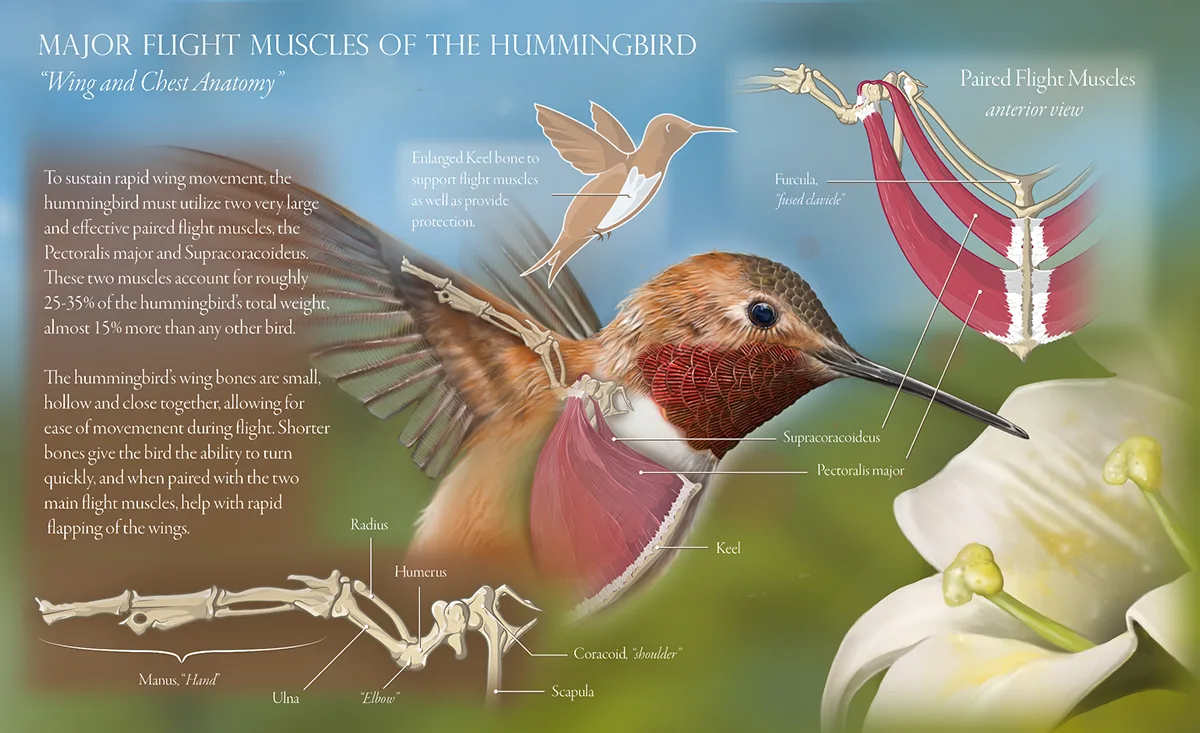
Image source: Bing (Web (fair-use with source credit))
Evasion and Defense: Speed as a Lifesaver
In the world of birds, being small often means being prey. For hummingbirds, their incredible speed and maneuverability are their primary defenses. When a predator like a hawk or even a larger bird approaches, their rapid wing beats allow them to escape almost instantaneously.
Their ability to dart away, change direction in a fraction of a second, and even fly backward makes them incredibly difficult to catch. This agility is a direct result of how fast they can move their wings. It allows them to avoid threats that would easily capture slower birds.
Real-World Observations: What Scientists See
Observing hummingbirds in their natural habitat or in controlled environments has provided a wealth of data on their flight mechanics. Scientists use high-speed cameras and sophisticated tracking equipment to analyze their movements, from the subtle adjustments of their wings during hovering to the dramatic arcs of their dives. These observations confirm the astonishing speed and precision of their wing beats.
The study of hummingbird flight, particularly by researchers at institutions like Cornell University's Department of Ornithology, has revealed the complex interplay between wing shape, muscle power, and stroke frequency. These studies consistently show that the observed wing beat numbers, while astounding, are indeed accurate metrics of their aerial prowess. As of 2026, ongoing research continues to refine our understanding of their energy expenditure during these rapid flights.
- High-Speed Filming: Reveals wing positioning and speed during different flight modes.
- Aerodynamic Analysis: Helps explain how wing shape and beat frequency generate lift and thrust.
- Species Variation: Different hummingbird species exhibit slightly different average and peak wing beat frequencies.
These detailed observations help us appreciate not just the speed, but the incredible efficiency and control hummingbirds possess.
Frequently Asked Questions About Hummingbird Flight
What is the fastest recorded wing flap speed for any hummingbird?
While the general range is 50-80 flaps per second, and up to 200 in dives, the absolute fastest recorded speed for any specific hummingbird species under extreme conditions might be slightly higher, though definitive peak measurements are challenging to capture.
Do all hummingbird species flap their wings at the same speed?
No, there is variation between species. While the average range holds true for many, some smaller species might flap slightly faster, and larger ones might have slightly slower average rates, though they can all reach high speeds in dives.
How does wing flap speed relate to the sound a hummingbird makes?
The characteristic "humming" sound is directly produced by the rapid movement of their wings through the air. The faster the wings beat, the higher the pitch of the hum. During dives, this sound can change due to the increased speed.