How to Identify a Parrot
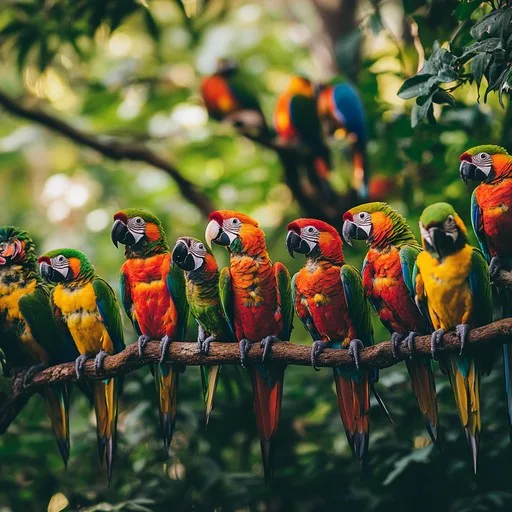
Spotting a bird that looks like it belongs in the tropics is a thrilling experience. If you are wondering how to identify a parrot, you are likely looking for a specific set of physical features that separate these birds from common backyard species.
Most parrots belong to the order Psittaciformes, which includes over 400 distinct species globally as of 2026. Understanding their unique anatomy is the most reliable way to confirm if the bird you are watching is truly a member of this intelligent family.
Quick Answer
To identify a parrot, look for a strongly curved, hooked beak. Check the feet for the zygodactyl arrangement with two toes facing forward. Parrots often maintain a distinct, upright posture while perching.
Most parrot species produce loud, harsh vocalizations or complex whistles. Observe these traits together to confirm the bird's identity.

Image source: Web (Bing) / pexels.com (Web image (fair-use with source credit))
Identifying the "Parrot Silhouette": Why Visual Cues Matter Most
When you spot a bird in the distance, you rarely get to see the color of its feathers clearly. This is why learning to identify the bird by its silhouette is the most effective starting point for any birdwatcher.
Parrots are built differently than the songbirds you see at your feeders. They tend to have a thicker, more rounded head and a shorter neck. This gives them a distinct, stout appearance even when they are sitting still.
Beyond their general shape, pay attention to how they interact with their environment. Parrots often use their beaks as a third hand when climbing, which creates a specific, clambering movement. You will rarely see a finch or a sparrow moving across a branch with that kind of deliberate, grip-based coordination.
Focusing on the overall outline of the bird allows you to narrow down your search before you even grab your binoculars. It prevents you from getting distracted by bright colors, which can sometimes be deceptive in low-light conditions.
The Diagnostic Trio: Beaks, Feet, and Posture
If the silhouette looks promising, you need to verify the three core features of the Psittaciformes order. These traits are the gold standard for identification, serving as biological markers that verify the bird's taxonomic family.
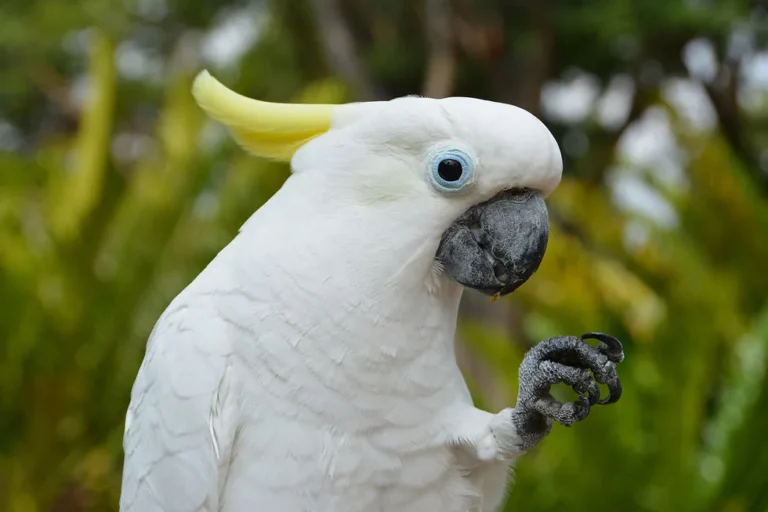
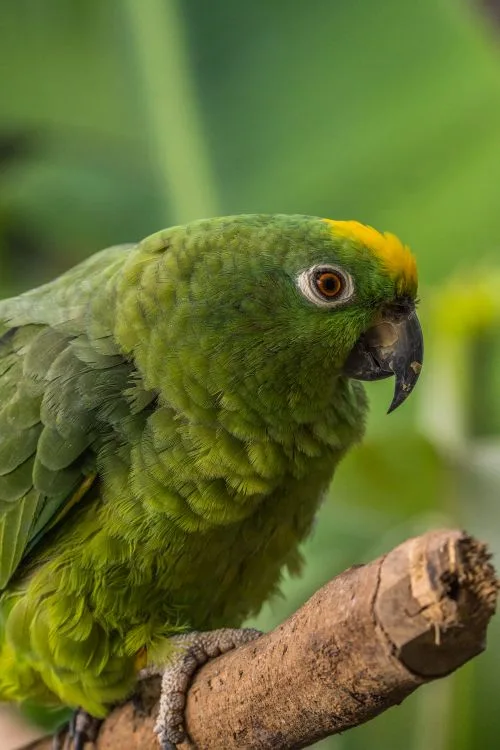
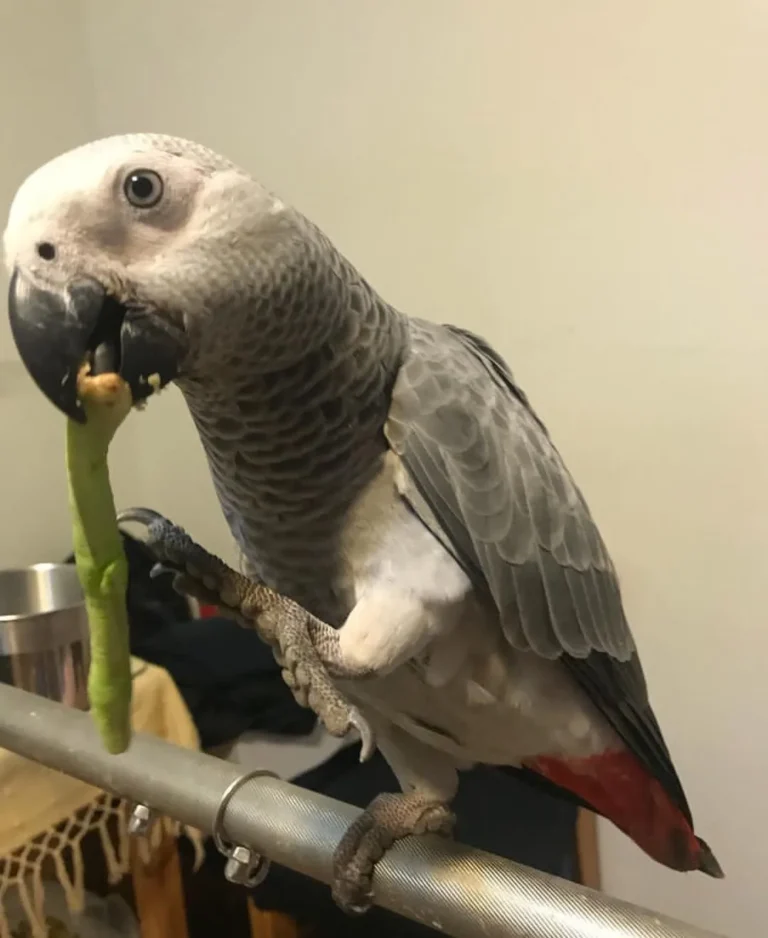
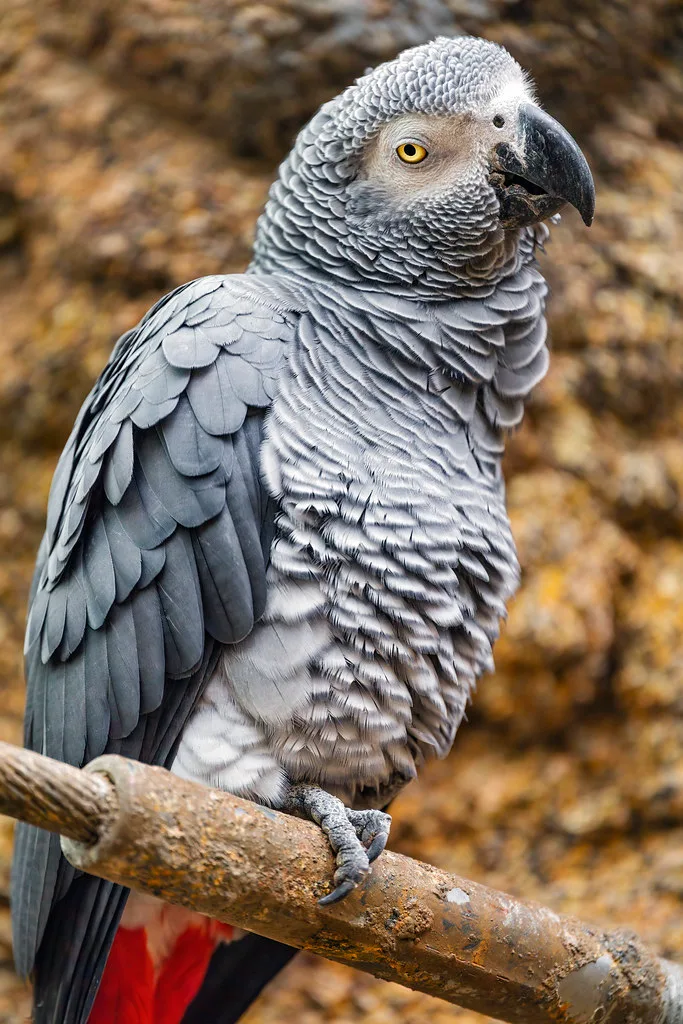
The first marker is the hooked beak. This structure is designed for power, allowing the bird to crush tough seeds and climb vertical surfaces. Unlike the sharp or needle-like beaks of other birds, the parrot's upper mandible curves downward over the lower one.
The second marker is the foot structure. Parrots have zygodactyl feet, meaning two toes point forward and two point backward. This provides a vice-like grip.
If you see the bird holding a nut or a piece of fruit like a human holding a snack, you have found a parrot.
Finally, look for their upright posture. Parrots often hold their bodies more vertically than the horizontal, streamlined posture of most songbirds. They are comfortable in positions that would be awkward for other species, such as hanging upside down or standing on one leg while clutching food.

Image source: Web (Bing) / pinterest.co.uk (Web image (fair-use with source credit))
Step-by-Step Field Identification: Scanning the Bird
When you finally get a clear view, use a systematic approach to confirm your sighting. Rushing to a conclusion often leads to errors, especially when you are viewing a species from outside its native range.
Start by observing the behavior of the bird. Is it foraging on the ground, or is it active in the canopy? Many feral populations, such as those monitored by the Cornell Lab of Ornithology, exhibit distinct social behaviors like group feeding or loud flock communication.
| Feature | Observation Goal |
|---|---|
| Beak Shape | Verify the downward-curving hook. |
| Footing | Check for two toes pointing backward. |
| Vocalization | Listen for harsh, repeating, or complex calls. |
| Perching | Note if the bird stands vertically or leans. |
Once you have checked these boxes, look at the tail. The length and shape of the tail feathers are often the next most important indicator for narrowing down the specific species. Macaws have very long, pointed tails, while cockatoos often have shorter, square tails.
If you are struggling with a difficult ID, record the sound if possible. Parrot vocalizations are distinct from the melodic songs of passerine birds. Their calls are often sharp, grating, or possess a human-like quality that is easy to recognize once you have heard it a few times.
Beyond the Color: Interpreting Plumage and Behavior in the Wild
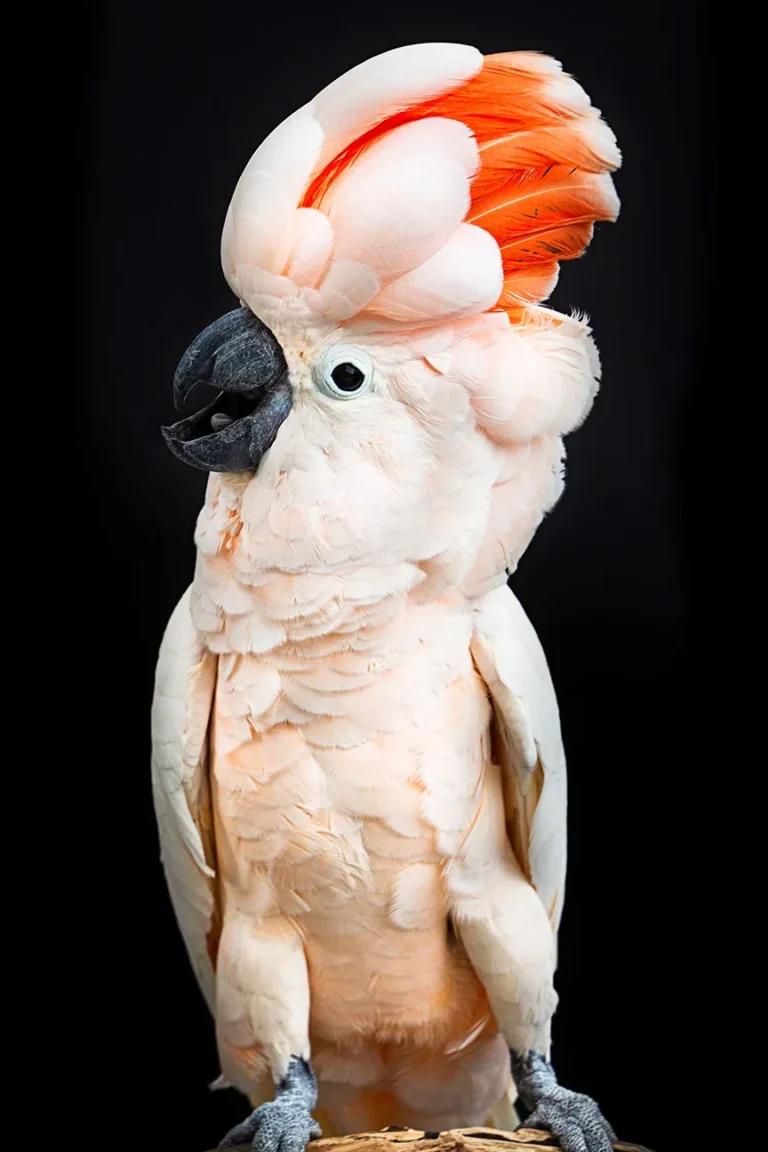
It is common to assume that all parrots are bright green or red. While this is true for many wild species, it is not a hard-and-fast rule. Some species, like the cockatoo, are largely white or black.
The challenge increases when you encounter escaped pets. These birds may have color mutations, such as blue, yellow, or pied, that do not exist in the wild populations of their species. Do not let color be your only metric for identification.
Focus instead on the feather patterns and the markings around the face and eyes. Many parrots have specific rings around the eye or patches on the face that stay consistent regardless of the bird's color morph.
Observe the bird's comfort level with humans. A bird that remains calm while you are nearby is likely an escaped pet, not a wild-bred feral bird. Wild or naturalized feral parrots are usually skittish and will maintain a significant flight distance from people.
Common Lookalikes and How to Tell Them Apart
Misidentification often happens because several non-parrot species share similar features. The most common point of confusion involves the order Columbiformes, which includes our familiar pigeons and doves.
Pigeons can appear chunky and may display iridescent feathers that catch the light, causing a fleeting resemblance to a parrot. However, if you look closely at their beak, it is thin, straight, and lacks that critical downward hook. Pigeons also have a very different, horizontal stance, and they move with a characteristic bobbing walk that you won't see in parrots.

Image source: Web (Bing) / articles.hepper.com (Web image (fair-use with source credit))
Another group that often confuses beginners is the woodpecker family. Woodpeckers share the zygodactyl foot arrangement, which is a biological adaptation for climbing trees. You might see one clinging to a trunk and immediately think you have found a parrot.
Check the bill to solve the puzzle quickly. Woodpeckers possess a long, chisel-shaped beak built for drilling into wood, not a fleshy, curved hook built for processing fruit. Furthermore, woodpeckers typically stay glued to the trunk of a tree, whereas parrots are much more agile and will happily hang from thin, flexible branches to reach their food.
By focusing on these specific anatomical differences, you can filter out lookalikes in seconds. Always prioritize the beak shape as your primary diagnostic tool because it is the most reliable way to rule out non-parrot candidates.
Practical Advice for Spotting Escaped Pets vs. Feral Colonies
Identifying a bird is only half the battle when you find an exotic species in a temperate climate. You need to determine if you are looking at a lonely pet or a member of a growing, local feral population.
Feral populations, like the Rose-ringed Parakeets found in parts of the UK or the Monk Parakeets established in cities across the US, tend to behave like wild birds. They stay in groups, they are vocal, and they are generally wary of human approach. You will often see them nesting in communal structures or high-up in established trees.
An escaped pet, by contrast, usually acts very differently. You might find it sitting quietly on a low branch, near a porch, or even approaching a window. These birds may appear disheveled, their flight feathers might be clipped, or they may seem confused by the environment.
If you believe the bird is a lost pet, do not attempt to capture it with your bare hands, as this can cause the bird to panic and fly further away. Instead, document your location and take a photo from a distance. Check regional wildlife reporting tools or specialized lost-bird databases to see if an owner is actively searching for a match.
Safety, Ethics, and Reporting Your Sighting
Whenever you interact with wildlife, your first priority must be safety for both you and the animal. Parrots, even the smaller ones, have powerful beaks that can deliver a painful bite if they feel threatened.
If you are documenting a sighting, maintain a respectful distance that does not alter the bird's natural behavior. Using binoculars or a camera with a zoom lens is the best way to gather information without stressing the animal.
Reporting your sighting is vital for environmental tracking. Agencies like the United States Department of Agriculture (USDA) track the expansion of invasive or feral species to understand their impact on local ecosystems. Contributing your data to citizen science platforms helps professionals understand how these species move across different regions over time.
Avoid feeding wild parrots, even if you are tempted to offer a treat. Human food is rarely nutritionally balanced for these birds and can lead to health issues or dangerous behavioral dependencies. Let them forage naturally, and respect their status as wild animals, regardless of their origin.
Expert Tips for Consistent Field Identification
The most experienced birders use a strategy of elimination. Instead of trying to name the species instantly, they focus on checking off the hard physiological traits we've already covered. If the bird lacks the hooked beak or the zygodactyl feet, you can stop your search immediately and move on to the next visitor.
Carry a small notebook or use a smartphone app to log your findings as you see them. Recording the time of day, the specific tree or structure where the bird was perched, and the total count of birds can help you distinguish between a single lost pet and a budding feral colony.
Consistency is key when you are tracking local biodiversity. Try to visit the same area at similar times over several weeks. You will learn the difference between resident birds and transient visitors, which makes identifying an exotic species much easier when one finally shows up in your binoculars.
Mistakes to Avoid When Documenting Sightings
One of the biggest mistakes people make is over-relying on vocalizations. While parrots are known for being loud, many species are surprisingly quiet when they are foraging or hiding from predators. A lack of noise does not mean the bird is not a parrot.
Another common error is failing to account for the angle of the sun. Strong backlighting can turn a vibrantly colored parrot into a dark, nondescript silhouette. Always try to position yourself so the sun is behind you, which illuminates the plumage and makes those subtle markings visible.
Finally, avoid the trap of wishful identification. It is exciting to think you have spotted a rare or exotic bird, but be honest with your data. If you are unsure, label your notes as an "unidentified psittacine" rather than guessing, as this keeps the records clean for researchers who use your data.
Verified Standards for Parrot Classification
The scientific classification of birds relies on specific standards maintained by global bodies like the International Ornithologists’ Union. These groups provide the authoritative checklists that determine whether a species is native, introduced, or accidental in a specific region.
You can check these official databases to see if a parrot sighting in your neighborhood is a recognized anomaly or a known local population. Understanding the difference between a vagrant bird that has blown off course and a feral population is critical for proper reporting.
Always prioritize information from university-backed or government-led monitoring programs. These sources update their data as of 2026 to reflect recent range shifts and population changes. When you align your personal observations with these professional standards, you become a much more reliable contributor to citizen science.
Frequently Asked Questions
Can I identify a parrot by its color alone?
No, color is often misleading. Many parrot species show color variations, and escaped pets may have unusual mutations. Always prioritize the beak shape and the zygodactyl foot structure to confirm the bird's identity.
Why do some non-parrot birds look like parrots?
Some birds, like woodpeckers, have evolved similar feet for climbing. Others, like pigeons, share a general body shape. These are examples of convergent evolution where unrelated species develop similar traits to survive in similar environments.
What should I do if I find an escaped parrot?
Keep a distance and do not try to chase the bird. Document the location, snap a photo if possible, and contact local bird rescue groups. Many owners post alerts online, and your sighting could be the key to bringing them home.
Are all feral parrots invasive?
Not every feral population is considered invasive, but they can be a concern for native species. Organizations monitor these groups to assess their impact on local biodiversity. Always report sightings to local environmental authorities or recognized birding databases.
Do parrots in the wild only live in jungles?
While we associate parrots with tropical forests, they live in diverse habitats globally. Some species, like the Kea, thrive in alpine environments. Others have adapted to life in temperate urban areas, proving that this family is incredibly resilient.