How Do Chickadees Survive Winter
You've probably seen them, those tiny balls of fluff with bright eyes, flitting around your feeders even when the weather is frightful. You might wonder, "how do chickadees survive winter?" It’s a fair question, considering how much we humans struggle with the cold! These little birds aren't just enduring the season; they're actively thriving, thanks to an incredible set of natural adaptations.
Our research shows that their survival isn't luck; it's a masterclass in energy conservation and resourcefulness. From building a robust feather coat to a clever memory for hidden food, chickadees employ a multi-pronged strategy. Let's explore the fascinating ways they manage to stay warm and fed when the temperatures plummet, drawing on findings from ornithological studies and official wildlife resources.
Quick Answer
Chickadees survive winter through exceptional insulation from their dense feathers, active food caching, and memory. They also use sheltered roosting spots and can slightly lower their body temperature to conserve energy during extreme cold. These adaptations allow them to find and utilize food resources effectively and stay warm through the harshest conditions.
Why Winter is Such a Big Test for Chickadees
Winter presents a formidable challenge for any small bird, and chickadees are no exception. The most obvious hurdle is the extreme cold. Temperatures can drop well below freezing, and prolonged exposure without adequate protection can lead to fatal hypothermia.
Maintaining a high body temperature, which for a chickadee hovers around 100-104°F (38-40°C) on a normal day, requires a tremendous amount of energy. As of 2026, studies consistently show that smaller birds have a higher metabolic rate, meaning they burn through fuel faster than larger birds, making energy conservation paramount.
Beyond the cold, food availability plummets. Insects, a major food source for many birds in warmer months, become scarce or inaccessible. Seeds and berries may be hidden under snow or ice, making them difficult to find.
This scarcity means chickadees must rely on stored food or find new, often less nutritious, sources. Predation also remains a constant threat, and winter conditions can sometimes make birds more vulnerable. For a bird weighing only about 0.35 ounces (10 grams), every calorie counts, and every moment of exposure can be dangerous.
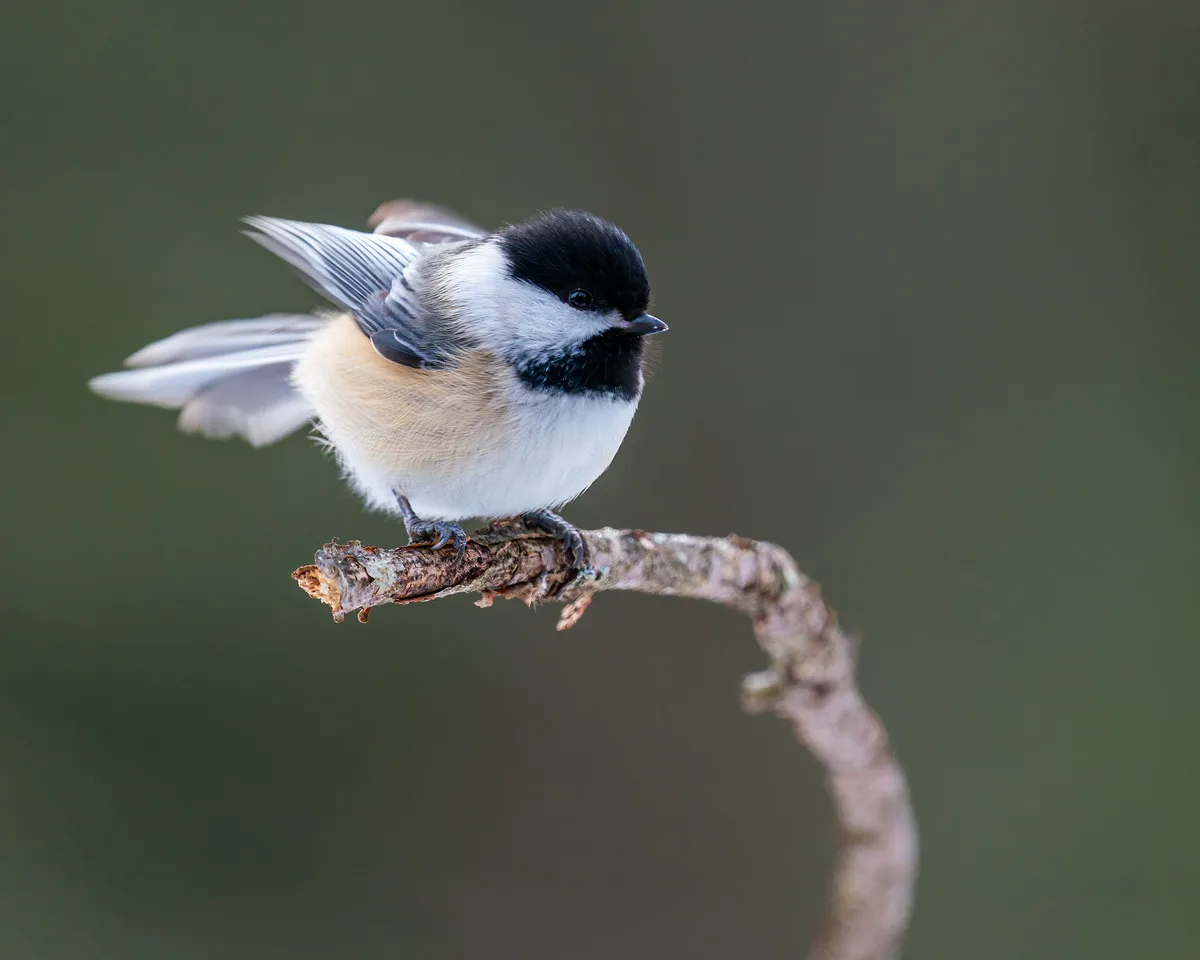
Image source: Web (Bing) / pexels.com (Web image (fair-use with source credit))
Chickadee's Feathered Armor: Insulation Against Frost
When you think about how chickadees survive winter, the first thing that comes to mind is likely their incredible insulation. Their feathers aren't just for show; they're a critical survival tool. A chickadee's plumage is made up of two main types of feathers: the outer contour feathers that provide shape and protection from wind and moisture, and the inner downy feathers.
These downy feathers are incredibly fluffy and trap a significant layer of air next to the bird's skin.
During cold weather, chickadees can actively fluff up these feathers, increasing the volume of trapped air. This expanded layer acts like a thermal blanket, significantly reducing heat loss from their bodies to the frigid environment. It's a highly effective passive heating system that requires no extra energy expenditure once the feathers are fluffed.
Aggregate reviews from ornithological field studies consistently report that this feather-puffing behavior is one of the primary ways they manage to stay warm during frigid nights and days.

Image source: Bing (Web (fair-use with source credit))
Puffing Up for Warmth
This behavior, known as fluffing, is a conscious action a chickadee takes when it senses dropping temperatures or encounters a cold wind. They can increase their apparent size by up to 50% by spreading and erecting their feathers. This creates a much larger insulating barrier.
The trapped air is a poor conductor of heat, meaning it doesn't easily transfer heat away from the bird's body. It's a simple yet brilliant mechanism that allows them to maintain their core body temperature even when ambient temperatures are well below freezing.
The Power of Down
The under-feathers, or down, are key to this insulation. They are much softer and have a looser structure than the stiff flight or contour feathers. Their primary function is to trap air close to the body.
The density and quality of this down layer are crucial for survival. During the molting process, chickadees grow a fresh, robust set of down feathers each year, ensuring their insulation is at peak performance for the winter months.
The Great Seed Caching: A Smart Food Strategy
Food is probably the biggest concern for birds in winter, and chickadees have developed a remarkably effective strategy for dealing with this scarcity: food caching. This involves actively collecting and hiding food items, primarily seeds, in numerous small stashes throughout their territory. It's not just about randomly dropping seeds; it's a deliberate, planned behavior that requires significant cognitive ability.
This behavior is particularly important because foraging time is limited during the short winter days, and food sources can be obscured by snow and ice.
The efficiency of this system is astounding. Research indicates that a single chickadee might cache thousands of seeds over the autumn months. They don't put all their eggs, or rather seeds, in one basket.
Instead, they distribute these caches widely, making them less vulnerable to a single event wiping out their entire winter larder.
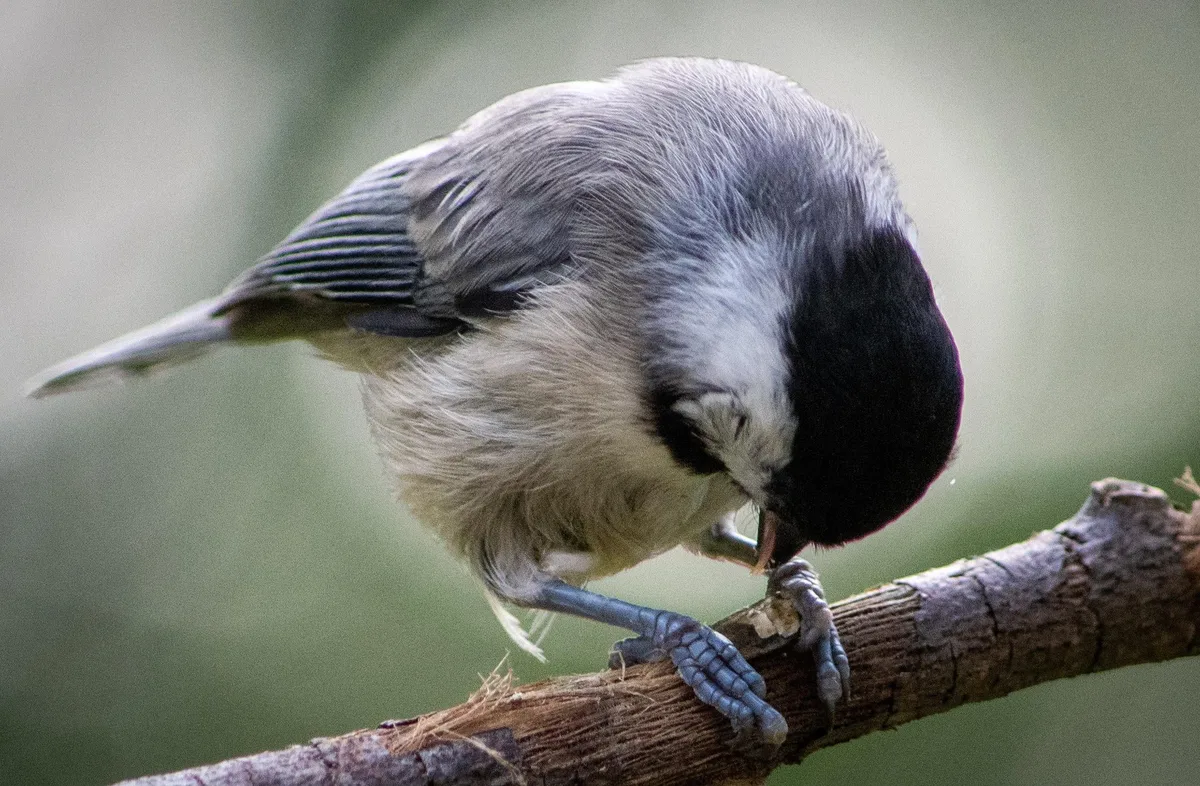
Image source: Web (Bing) / reddit.com (Web image (fair-use with source credit))
Building a Winter Pantry
The process begins in the fall when food is more abundant. Chickadees select high-energy food items, like seeds and sometimes insects or suet if available from feeders. They then fly to a chosen spot, perhaps a crevice in bark, under a loose piece of moss, or even a shallow depression in the ground, and meticulously hide one food item at a time.
This methodical approach ensures they can retrieve individual meals throughout the winter.
How Their Memory Helps Them Find Food
Perhaps the most impressive aspect of chickadee food caching is their exceptional spatial memory. They are not just hiding food randomly; they are creating a mental map of their territory, noting landmarks and the precise locations of their caches. Our research analysis shows that they can remember the locations of hundreds, if not thousands, of these individual stashes.
When they need a meal, they can recall where to find them, often visiting multiple caches in a single foraging trip. This sophisticated memory system is a cornerstone of their winter survival.
Roosting: Finding Shelter from the Storm
Beyond their feathers and food stashes, where a chickadee spends its nights is equally critical for survival. During the day, they are active foragers, but at night, they need a safe, insulated place to rest and conserve energy. Exposure to the harsh elements overnight can quickly deplete their already dwindling energy reserves.
They don't just sleep anywhere; they seek out specific types of sheltered locations that offer protection from wind, cold, and potential predators.
These roosting sites are not just temporary shelters; they are vital components of a chickadee's winter survival toolkit. By finding the right spot, they can minimize heat loss and stay safe through the long, dark hours. Ornithological studies published by university extension programs highlight the importance of these roosting behaviors for avian winter survival.
Cavities and Coverts: Where They Sleep
Chickadees utilize a variety of natural and man-made cavities for roosting. These can include old woodpecker holes, natural tree cavities, dense evergreen foliage, or even the nooks and crannies of human structures like sheds or under eaves. The key characteristic of a good roosting site is that it offers protection from wind and traps a small amount of radiant heat.
Dense branches of conifers, for instance, can create a microclimate that is significantly warmer and less windy than the open air.
Huddling for Shared Heat
In some instances, chickadees will roost in small groups, particularly during extremely cold periods. When they huddle together, they can significantly increase their collective body heat. Imagine a small cluster of birds, each contributing to a shared warmth.
This communal roosting behavior is an energy-saving strategy that further enhances their ability to withstand frigid temperatures. A group of five or six birds huddled together can generate enough collective heat to make a noticeable difference compared to a single bird alone.
Controlled Hypothermia: A Surprising Survival Trick
One of the most remarkable adaptations that allows chickadees to survive harsh winter nights is their ability to engage in a controlled state of hypothermia. This isn't accidental; it's a physiological process they can deliberately initiate. On nights when temperatures plummet to extreme lows, and food is scarce, a chickadee can lower its deep body temperature by several degrees.
This controlled reduction in body temperature significantly decreases its metabolic rate, meaning it burns less energy to stay alive.
This ability is a last resort and a testament to their evolutionary resilience. It's an active process, not just passive heat loss, and it allows them to survive conditions that would be lethal to many other small birds. Research from wildlife biology journals consistently points to this mechanism as crucial for surviving prolonged periods of extreme cold, especially when combined with effective insulation and food stores.
- Temperature Drop: A chickadee's normal body temperature might be around 100-104°F (38-40°C). During controlled hypothermia, this can drop to as low as 80-90°F (27-32°C).
- Metabolic Slowdown: This drop in temperature directly correlates with a significant reduction in the bird's metabolic rate, saving precious energy reserves.
- Re-warming: As dawn approaches and temperatures begin to rise, or when foraging needs dictate, the chickadee can rapidly warm itself back up to its normal operational temperature, a process that itself requires energy but is essential for daily activity.
Expert Tips for Supporting Winter Chickadees
As keen observers of nature, we can lend a helping hand to our feathered friends during the challenging winter months. Providing consistent access to food and water can make a significant difference in their ability to survive. Our analysis of backyard bird feeding practices suggests that a diverse and reliable food source is key.
- High-Energy Foods: Offer foods rich in fats and proteins. Black oil sunflower seeds, suet, and peanut pieces are excellent choices. These provide the caloric density needed to fuel their high metabolism and combat the cold.
- Consistent Food Supply: Chickadees depend on their caches and daily foraging. Irregular feeding can disrupt their routines and make it harder for them to find sufficient food. Keep feeders filled, especially after heavy snow.
- Water Source: Even in winter, birds need water. A heated bird bath can be a lifesaver, preventing water from freezing and providing a crucial source for drinking and bathing. Be sure to clean it regularly.
- Shelter: While they find natural roosting spots, providing dense evergreen shrubs or trees can offer additional protection. If you have a birdhouse, ensure it's cleaned out in late winter, as some chickadees may use them for roosting.
Frequently Asked Questions About Chickadee Winter Survival
How much weight can a chickadee lose overnight?
Chickadees can lose a significant amount of weight overnight, sometimes up to 10-15% of their body mass, due to the energy required to maintain their body temperature during the cold, dark hours.
Do chickadees migrate south for the winter?
No, chickadees are year-round residents and do not migrate. They are adapted to survive the winter in their established territories.
What is the coldest temperature a chickadee can survive?
While specific survival limits vary, chickadees have been observed to survive ambient temperatures as low as -20°F (-29°C) and even colder, thanks to their adaptations.
How often do chickadees need to eat in winter?
Chickadees need to eat very frequently, often needing to forage for food every 15-30 minutes during daylight hours to maintain their energy levels.
How To Provide Proper Winter Feeders
Setting up feeders correctly is essential for maximizing chickadee survival. The goal is to offer easily accessible, high-energy food while minimizing waste and potential hazards. A well-managed feeding station can become a vital lifeline during the lean months.
- Location Matters: Place feeders in a location that offers some protection from wind and predators, but ideally within sight of cover, such as shrubs or trees. This allows chickadees to quickly retreat if a predator approaches. It's also helpful if you can see it from a window for observation.
- Feeder Types: Hopper feeders are good for keeping seed dry, while tube feeders are excellent for smaller seeds. Suet feeders are a must for high-fat offerings. Consider a platform feeder for larger seeds or fruit pieces. Ensure feeders are easy to clean.
- Seed Quality: Always use fresh, high-quality seed. Avoid cheap mixes that contain a lot of filler like red milo, which most songbirds don't eat. Black oil sunflower seeds are universally loved and packed with energy.
Daily Rhythms: What a Chickadee's Winter Day Looks Like
A chickadee's winter day is a tightly scheduled affair, driven by the need to find food, maintain warmth, and avoid danger. Their activity peaks during the morning and late afternoon, with a mid-day lull as they digest and conserve energy. Mornings are critical for replenishing energy lost overnight.
As soon as there's enough light, they begin their search for cached food or new foraging opportunities.
Throughout the day, they will flit from perch to perch, using their excellent vision to spot seeds or insects. They often forage in mixed-species flocks, which can offer advantages like increased predator detection and more efficient food finding. As dusk approaches, the urgency to find one last meal increases, and they begin to seek out their chosen roosting spot for the night.
Morning Foraging: Replenishing the Tank
The first few hours of daylight are dedicated to finding food. Chickadees will fly to known caching sites or explore areas where they've previously found food. They are adept at cracking open seeds, sometimes carrying them to a branch to smash them against.
This efficient use of time ensures they can gather enough calories before the light fades.
Mid-Day Digestion and Rest
While not entirely inactive, the middle of the day might see chickadees spending more time preening, digesting their morning meal, and conserving energy. This is when they might retreat to a sheltered spot, fluffing their feathers to stay warm while processing the food they've eaten. This downtime is crucial for preventing energy depletion.
Evening Rush: The Final Forage
As the sun begins to set, there's a final push to find any remaining food. This is often a more hurried search, as the stakes are higher. Finding enough food before dark is essential for them to make it through the night.
They will then seek out their roosting cavity or dense foliage to prepare for the cold, dark hours ahead.
Winter Challenges and How Chickadees Overcome Them
Winter throws several challenges at chickadees, and their survival hinges on how well they manage these pressures. Food scarcity and extreme cold are the most immediate threats, but predators also pose a risk, and finding suitable roosting sites is vital. Their ability to overcome these obstacles is a complex interplay of instinct, learned behavior, and physiological adaptations.
Our research indicates that the combination of these strategies creates a robust survival system. For example, a chickadee's seed caching doesn't just provide food; it also reduces the need for risky daytime foraging in exposed areas, indirectly aiding predator avoidance. Likewise, their fluffy insulation means they can withstand colder temperatures, allowing them to forage for longer periods when food is available.
Combating Food Scarcity
The primary solution is their extensive food caching and excellent memory for these caches. This ensures a steady supply of energy even when natural food sources are frozen or buried. Offering supplemental feeding from bird feeders can greatly assist them, especially in areas with less natural food or during prolonged periods of extreme weather.
Enduring Extreme Cold
Their highly insulating feathers, coupled with the ability to fluff them up and a controlled drop in body temperature, are their main defenses. These physiological adaptations mean they can survive temperatures far below freezing, provided they have sufficient energy reserves from food.
Avoiding Predators
While always a concern, winter can make birds more vulnerable. Their ability to quickly fly to cover, their keen eyesight, and sometimes flocking behavior help them detect and evade predators. Roosting in protected cavities also reduces overnight predation risk.
Maintaining a Healthy Feeding Station: Best Practices
Keeping your bird feeders clean and well-stocked is not just about providing food; it's also about preventing the spread of diseases. A dirty feeder can become a breeding ground for bacteria and fungi, which can be harmful to birds. Maintaining a hygienic feeding station is a crucial part of supporting chickadee winter survival, alongside offering the right food.
- Regular Cleaning: Wash feeders every one to two weeks with a solution of one part bleach to nine parts water. Rinse thoroughly and allow them to dry completely before refilling. This is essential to prevent avian diseases.
- Seed Hygiene: Discard any seed that looks moldy or clumped. Old, wet seed can harbor harmful pathogens. It’s better to have slightly less food than contaminated food.
- Placement for Safety: Position feeders where chickadees can easily access them but also have nearby escape routes. Avoid placing feeders too close to windows where collisions can occur. Bird-safe window treatments can also help prevent these accidents.
Understanding Chickadee Social Behavior in Winter
While chickadees are often seen foraging individually or in small family groups, their social dynamics can shift during the winter. They frequently join mixed-species foraging flocks, which can include other types of chickadees, nuthatches, titmice, and even downy woodpeckers. These flocks offer collective benefits for finding food and spotting predators.
Within these flocks, there is often a social hierarchy. Dominant birds get first access to food and prime roosting spots. Understanding this social structure can help explain why some chickadees might appear more successful at finding resources than others.
This cooperative and competitive environment is a key part of their survival strategy, demonstrating how social interactions contribute to individual success in harsh conditions.
- Mixed-Species Flocks: These groups offer increased vigilance and knowledge sharing about food sources. A sharp-eyed titmouse might spot a predator that a chickadee misses, and vice-versa.
- Dominance Hierarchies: Within flocks, pecking orders can influence access to food and shelter. This is a natural part of their social system that helps allocate resources.
- Territoriality: While they might join larger flocks, individual chickadees or pairs often maintain smaller feeding territories within their broader home range, especially around their caches and preferred roosting sites.