Where Do Chickadees Nest
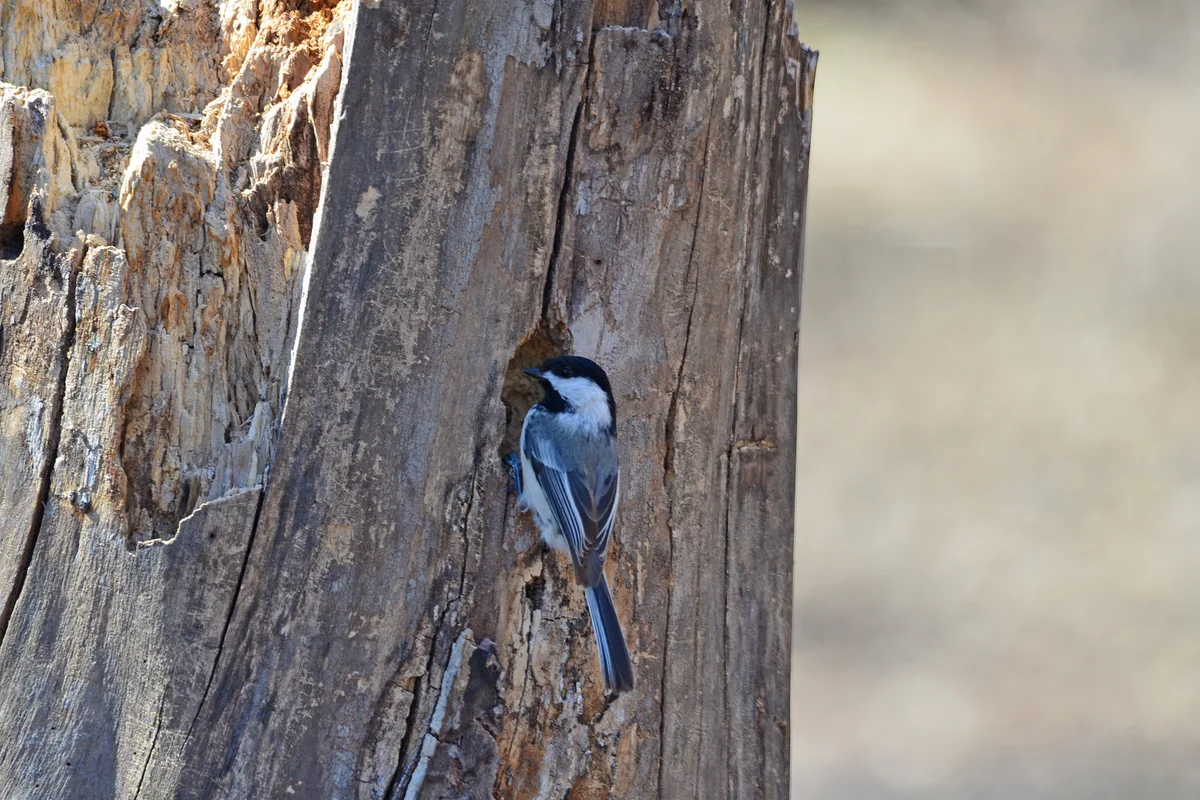
Image source: Bing (Web (fair-use with source credit))
So, you're wondering where do chickadees nest? These tiny, energetic birds are a delight to watch, and knowing their nesting habits can help you appreciate them even more, and maybe even attract them to your yard. It turns out, they’re quite particular about their homes, preferring a safe, enclosed space.
Our research indicates that chickadees are cavity nesters, meaning they seek out holes in trees or man-made structures. A key specification to note is that the entrance hole size for most chickadee species typically ranges from 1 1/8 to 1 1/4 inches in diameter. This precise sizing helps protect them from larger, more aggressive birds.
Quick Answer: Chickadees Nest in Cavities
Chickadees primarily nest in existing cavities found in trees or other structures. They look for pre-made holes, like those left by woodpeckers or natural decay, that offer protection. They also readily use specially designed nest boxes with an entrance hole around 1 1/8 to 1 1/4 inches.
Natural Homes: The Appeal of Tree Cavities and Woodpecker Holes
When you think about where a bird might build a nest, you might picture twigs and leaves. But for chickadees, it’s all about finding a ready-made hole. These birds are cavity nesters, and their first choice is usually a natural cavity in an older tree.
These aren't just any holes; they're often a sign of a healthy, mature ecosystem.
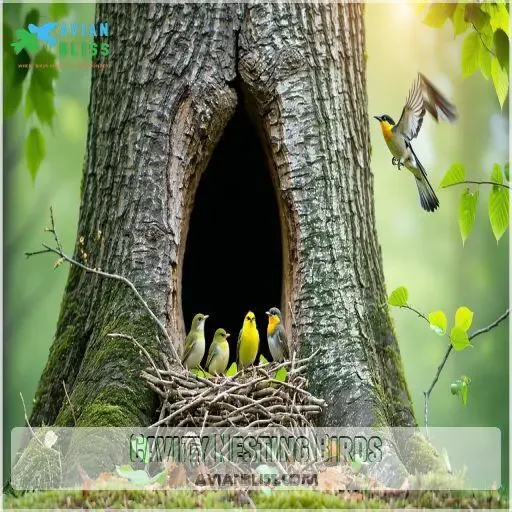
- Old Woodpecker Holes: Woodpeckers are nature's unwitting contractors for chickadees. A hole excavated by a downy or hairy woodpecker is prime real estate. Chickadees will often move into these abandoned holes, sometimes enlarging them slightly to fit their needs.
- Rot Cavities: Trees that have experienced decay, especially at branch junctions or in the main trunk, can create hollow spaces. These rot cavities offer a natural, protected environment that chickadees find very appealing.
- Cracks and Splits: Sometimes, a deep crack in the bark or a split in a tree limb can provide enough shelter for a chickadee pair to establish a nest. These are less common than dedicated cavities but still a viable option.
The appeal of these natural sites lies in their inherent safety and insulation. They offer protection from the elements and predators, making them ideal nurseries for fragile chicks. The rough interior surfaces also help the birds create a stable lining for their nest.
According to research from university extension programs focused on backyard wildlife, mature trees in wooded areas or along forest edges are the most likely to harbor these desirable natural cavities.
Building Their Own Cozy Pad: What Goes Inside the Nest
Once a chickadee pair has found a suitable cavity, they don't just leave it as is. They actively work to make it a comfortable and safe environment for their eggs and growing brood. This involves lining the bottom of the cavity with soft materials to create a warm, cushioned nest bed.
The materials they choose are often found nearby and are gathered meticulously:
- Moss: Soft, spongy moss is a favorite for its insulation and cushioning properties.
- Animal Hair and Fur: If you've ever seen a chickadee, you know how small they are. They'll readily collect shed fur from mammals like rabbits, squirrels, or even domestic pets if available. This provides excellent warmth.
- Feathers: Lost feathers from other birds are a valuable find, adding softness and insulation.
- Plant Down: The fluffy seeds from plants like cattails or thistles are also used to create a soft, downy lining.
The nest itself isn't a large structure; it’s more of a thick, concentrated pad at the bottom of the cavity. This lining is crucial for keeping the eggs warm during incubation and providing a soft, safe place for the newly hatched chicks, who are born without any down or feathers of their own. The depth of the cavity also plays a role, ensuring the nest lining stays put and the chicks are protected from falling out.
The Right Fit: Entrance Hole Size Matters
The size of the entrance hole to a chickadee's nest is surprisingly critical. It’s not just about whether they can get in; it’s about keeping unwanted visitors out. This is where a bit of precise biology comes into play, ensuring the survival of their young.
For the most common chickadee species, such as the Black-capped Chickadee and Carolina Chickadee, the ideal entrance hole diameter is consistently cited by ornithological resources as being between 1 1/8 inches and 1 1/4 inches. This specific range is important for several reasons.
- Exclusion of Larger Birds: A 1 1/4 inch hole is generally too small for larger, more aggressive birds like House Sparrows or European Starlings, which can compete for nesting sites or even harm chickadee eggs or young.
- Predator Deterrence: While not foolproof, this size also makes it more difficult for some smaller mammalian predators to reach into the nest.
- Chickadee Agility: This opening is perfectly suited for the chickadees themselves, allowing them to enter and exit with ease, even when carrying food for their chicks.
If you're considering installing a nest box, ensuring the entrance hole is within this 1 1/8 to 1 1/4 inch range is one of the most important factors for attracting chickadees and providing them a safe nesting environment. Deviating too much can make the box unsuitable or even dangerous.
Beyond Trees: Chickadees and Nest Boxes
While chickadees have a natural preference for tree cavities, they are remarkably adaptable creatures. This adaptability is why they have readily taken to using man-made nest boxes, often referred to as birdhouses. This is fantastic news for backyard enthusiasts who want to actively support local bird populations.
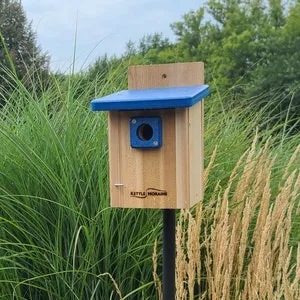
Nest boxes offer a reliable alternative when natural cavities are scarce, which can happen in areas with younger trees or extensive landscaping. When designed correctly, these boxes mimic the essential features of a natural cavity, providing the safety and shelter chickadees need to breed successfully.
Key features of a suitable chickadee nest box include:
- Proper Entrance Hole: As previously mentioned, an entrance hole of 1 1/8 to 1 1/4 inches is crucial.
- Appropriate Dimensions: The interior floor space should be around 4×4 inches, with a depth of 6-8 inches from the bottom of the hole to the floor. This provides enough room for the nest lining and chicks.
- Adequate Ventilation and Drainage: Small holes drilled near the top of the sides for ventilation and at the bottom corners for drainage are important to prevent overheating and moisture buildup.
- Unpainted Interior: The inside of the box should be left unpainted and untreated. Rough surfaces help chicks climb up to the entrance when it's time to fledge.
- Easy Access for Cleaning: A side panel or roof that opens allows for annual cleaning after the nesting season is over, which is vital for preventing parasite buildup.
Manufacturers of birdhouses designed for chickadees adhere to these specifications, often based on recommendations from organizations like the Cornell Lab of Ornithology. By placing a well-constructed nest box in your yard, you’re essentially offering a prime nesting opportunity in a safe, predator-resistant environment.
Common Mistakes When Looking for Chickadee Nests
When people are excited about finding chickadees nesting, they sometimes make a few common missteps. These mistakes can either lead them to overlook a potential nest or, worse, disturb the birds during a critical breeding period. Understanding these pitfalls can save you a lot of wasted effort and ensure you're being a good steward of your local wildlife.
- Looking in the Wrong Places: The most frequent error is searching for nests in open areas or on branches. Remember, chickadees are cavity nesters. If you don't see a hole, there's likely no nest inside.
- Disturbing Active Nests: Once a nest is occupied, it’s crucial to give the birds their space. Frequent visits, loud noises, or attempting to peek inside too often can stress the parents, leading them to abandon the nest. This is especially true for newly built nests or those with eggs or very young chicks.
- Misidentifying the Entrance Hole Size: For those setting up or buying nest boxes, using the wrong size entrance hole is a major deterrent. A hole that’s too large invites competition and predators, while one that’s too small prevents entry altogether.
- Ignoring Habitat Preferences: While chickadees are adaptable, they still prefer areas with mature trees or at least some shrubbery for cover. Nest boxes placed in wide-open, exposed lawns might be overlooked because they lack the necessary surrounding habitat for foraging and protection.
- Assuming Nests Are Permanent: A chickadee nest is typically used for one breeding season. They don't return to the exact same nest year after year, though they may use the same cavity or nest box.
Being aware of these common errors can help you approach chickadee observation and habitat support with more success and respect for the birds.
Frequently Asked Questions About Chickadee Nests
Do chickadees build nests in bird feeders?
No, chickadees do not build nests in bird feeders. They require enclosed cavities for nesting and use feeders only for food.
Can I put my own nest box up for chickadees?
Yes, you absolutely can! Building or buying a nest box with the correct entrance hole size (1 1/8 to 1 1/4 inches) and proper dimensions is an excellent way to attract chickadees.
How do I know if a chickadee nest is active?
You might see adult chickadees entering or exiting the cavity or nest box regularly, especially during the morning and late afternoon when they are most active foraging for food. It's best to observe from a distance to avoid disturbing them.
What should I do if I find a chickadee nest in an unusual spot?
If the spot is safe and won't be disturbed (e.g., an eave that won't be accessed), you can leave it. If it's in a high-traffic or potentially dangerous area, consult local wildlife rehabilitators or your state's wildlife agency for advice on safe relocation, though this is rarely possible or advisable without expert help.