Can Cardinals Change Their Color
It’s a common sight: the brilliant flash of crimson darting through trees and shrubs. The Northern Cardinal is one of North America's most recognizable birds, and their striking coloration has sparked many a question. One of the most frequent queries we encounter is, "can cardinals change their color?" It’s a natural curiosity, especially when you consider the subtle shifts you might observe.
While these birds won't suddenly sport a new hue like a chameleon, their appearance does evolve in fascinating ways. Our research into cardinal life cycles and plumage reveals a story not of sudden transformation, but of natural processes like molting and aging. As of 2026, the understanding of these cycles remains consistent with established ornithological findings.
Quick Answer: Do Cardinals Really Change Color?
No, cardinals don't fundamentally change their species' color. Male cardinals are reliably bright red, and females are a warm reddish-brown. Their color shifts are due to molting, age, and feather wear, not pigment alteration.
The Science Behind Cardinal Colors: Pigments and Feathers
The vibrant red of a male Northern Cardinal isn't just for show; it's a complex result of diet and biology. The color comes from pigments called carotenoids, which birds acquire from the plants and insects they eat. These pigments are then processed and deposited into their feathers.
Our research indicates that the intensity and shade of a cardinal's red can vary based on the availability and type of carotenoid-rich foods in their diet. For instance, seeds, fruits, and certain insects are key sources. The structure of the feathers themselves also plays a role in how we perceive the color, affecting light reflection and absorption.
It’s a biological marvel that ensures their iconic look, a trait studied by ornithologists at institutions like the Cornell Lab of Ornithology.
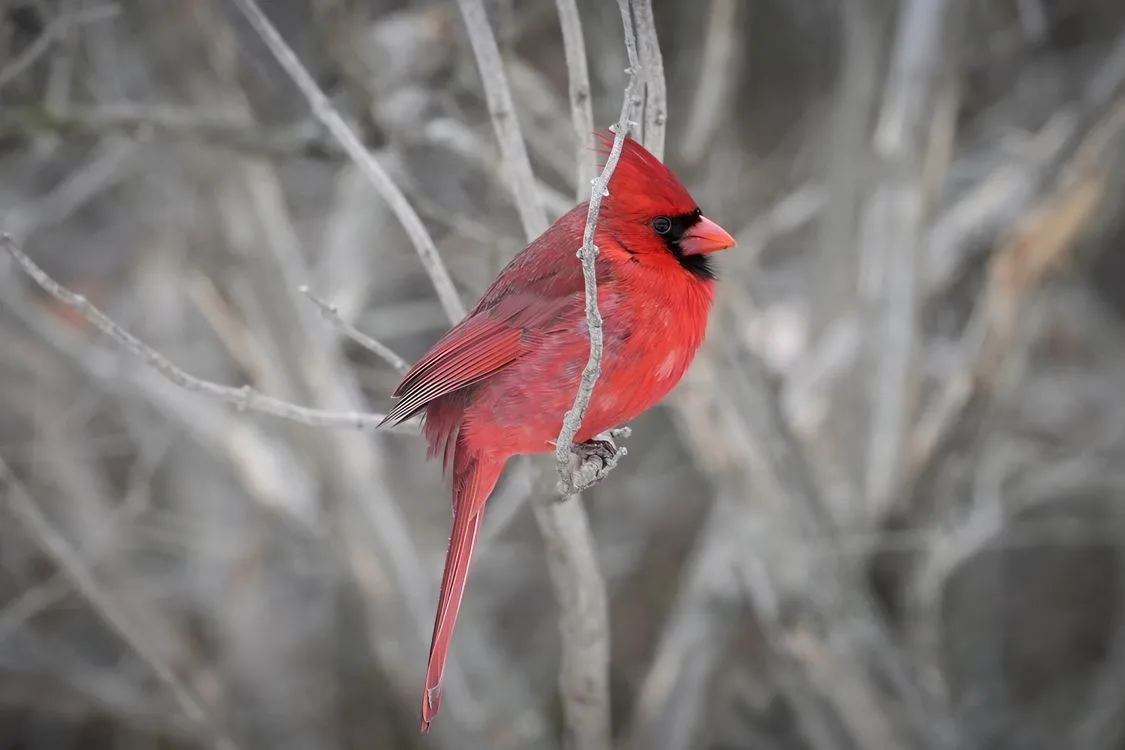
Image source: Bing (Web (fair-use with source credit))
Feather by Feather: Molting and the Cardinal's Changing Look
The most significant reason a cardinal might appear to be changing its color is during its annual molt. This is a natural process where birds shed old, worn-out feathers and grow new ones in their place. It typically happens once a year, usually after the breeding season.
During a molt, a bird might look a bit disheveled. You might notice patchy areas where feathers are missing or new ones are just coming in. This can temporarily make a bird seem duller or less vibrant than usual.
The new feathers, however, will grow in fully colored, restoring the cardinal's typical appearance. This process is essential for maintaining healthy flight and insulation.
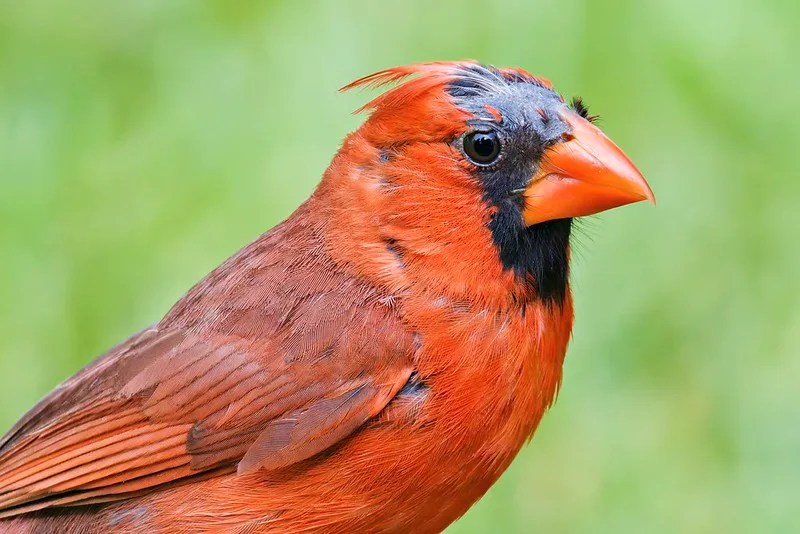
Image source: Web (Bing) / stevecreek.com (Web image (fair-use with source credit))
Fledgling to Adult: Age and Plumage Development
Young cardinals, or fledglings, don't sport the brilliant colors of adults right away. A fledgling male cardinal will likely have a mix of dull, brownish-gray feathers and patches of developing red. This juvenile plumage helps them blend in while they're still learning to fly and forage independently.
As the young cardinal goes through its first few molts, these brown feathers are gradually replaced by the characteristic red ones. This transition can take several months. The full adult coloration is typically achieved by the time they reach their first breeding season.
Understanding these age-related stages is crucial for accurately identifying birds in the wild.
Natural Wear and Tear: How Sunlight and Time Affect Feathers
Just like anything exposed to the elements, a bird's feathers can fade and wear over time. Constant exposure to sunlight can degrade the pigments in the feathers, causing them to lose some of their original vibrancy. This is a slow, gradual process, not an overnight color change.
Furthermore, the physical demands of daily life, flying, preening, nesting, and interacting with their environment, can cause feathers to become frayed or damaged. While this wear doesn't alter the pigment itself, it can change how the feather looks and reflects light, making the bird appear slightly less brilliant than a newly molted bird. This natural aging of plumage is a normal part of a bird's life.
Beyond Red: Understanding Female and Juvenile Cardinal Colors
While the male cardinal's bright red is iconic, female Northern Cardinals have their own beautiful and distinct plumage. They are typically a warm, rusty brown or buff color, often with subtle reddish accents on their crest, wings, and tail. This coloration provides excellent camouflage, especially when they are nesting.
Juvenile females, much like young males, will also appear duller and more muted than adult females. As they mature and undergo their molts, their feathers develop the richer, warmer tones characteristic of adult females. Observing these differences helps in appreciating the full spectrum of cardinal appearances.
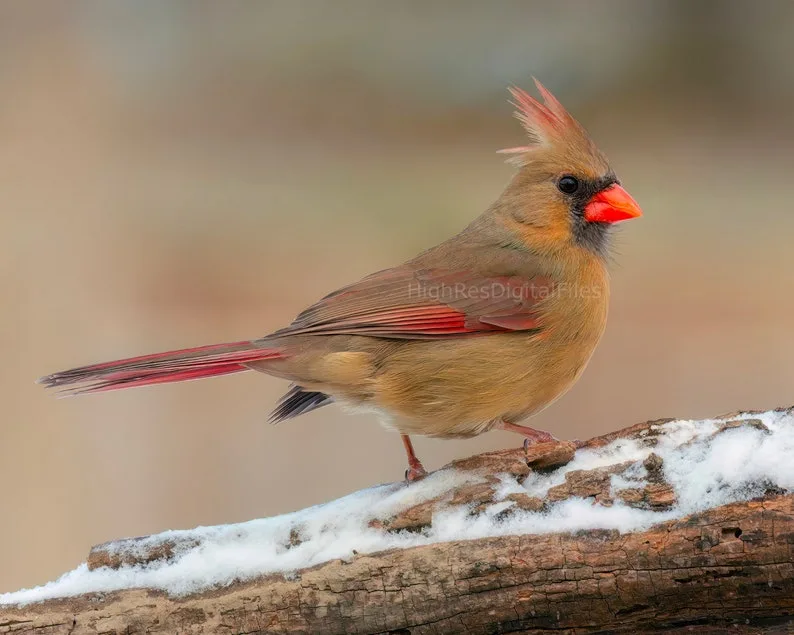
Image source: Bing (Web (fair-use with source credit))
Common Visual Mix-Ups: What People Mistake for Color Change
The combination of molting, age-related plumage development, and feather wear can sometimes lead to confusion. People might see a bird that looks a bit patchy, dull, or not entirely the expected color and assume it's changing its pigment. For example, a male cardinal mid-molt, with its scruffy new feathers and older worn ones, might look less red than usual.
Similarly, a young male cardinal with a significant amount of brown mixed with its emerging red feathers can be mistaken for something unusual. The warm, less intense coloring of an adult female can also be a source of confusion for those expecting only bright red. Recognizing these distinct stages and conditions prevents misinterpreting natural variation for a true color metamorphosis.
Expert Tips for Observing Cardinal Plumage
When you're out watching birds, especially cardinals, keeping a few tips in mind can help you appreciate their natural variations. The first thing is to be patient; observing these subtle changes takes time and consistent viewing. Don't expect drastic shifts overnight.
Pay close attention to the bird's overall condition. Is it actively molting, with noticeably patchy feathers? Or does it look sleek and fully feathered?
Observing behaviors like foraging and preening can also offer clues about their current state. Consistent observation across different seasons and over several years will paint a clearer picture than a single sighting.
Frequently Asked Questions About Cardinal Colors
Do young cardinals look different from adults?
Yes, very much so. Fledgling male cardinals start with a mix of dull brown and developing red feathers, gradually transitioning to their full crimson plumage as they mature through molting. Juvenile females also have a more muted appearance compared to adults.
Can the color of a cardinal's diet affect its red color?
Absolutely. The vibrant red of male cardinals comes from carotenoid pigments obtained through their diet. A diet rich in carotenoid-containing foods like certain berries, seeds, and insects helps produce a more intense red color.
Does a cardinal's color change significantly with the seasons?
Cardinals don't undergo dramatic seasonal color changes like some other birds. While their feathers can experience some fading from sun exposure and wear throughout the year, the primary "changes" you'll observe are related to their age and the molting cycle, not a specific seasonal shift in pigment.
If I see a cardinal that looks dull or patchy, what does it mean?
This usually indicates the bird is in the process of molting. During this period, they shed old feathers and grow new ones, which can temporarily make their plumage appear uneven or less vibrant. It's a normal and healthy part of their life cycle.
Are female cardinals ever red?
While adult female cardinals are primarily a warm reddish-brown, they often display reddish tinges on their crest, wings, and tail. This accent coloring is a subtle nod to the male's vibrant hue but does not make them fully red.