How Long Do Cockatiels Live
Bringing a cockatiel into your home means preparing for a long-term feathered friend. These intelligent and social birds can be cherished companions for many years, and understanding their potential lifespan is key to responsible pet ownership. The exact duration depends on a variety of factors, but with proper care, you can expect a significant commitment.
Our research indicates that pet cockatiels typically live between 15 to 20 years, though some individuals have been documented to live much longer. This extended lifespan means investing in their health and happiness is a long-term endeavor, requiring consistent attention to their dietary, environmental, and social needs.
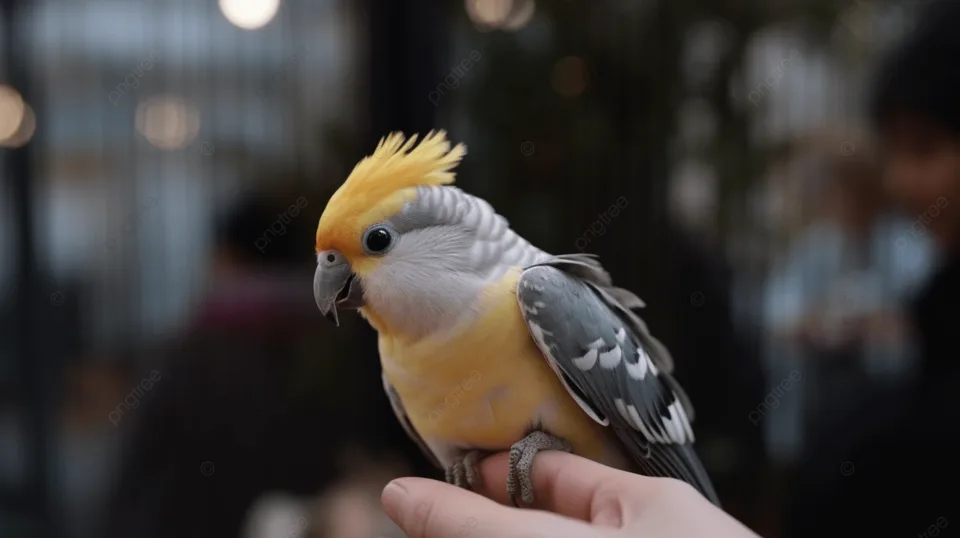
Image source: Web (Bing) / pngtree.com (Web image (fair-use with source credit))
Cockatiel Lifespan: The Numbers You Need to Know
When you're considering adding a cockatiel to your family, knowing their typical lifespan helps you prepare for the commitment. It's not just about the initial excitement; it's about understanding the long-term bond you're forming. The numbers can vary, and what you do as a caretaker plays a massive role.
Average Pet Lifespan
For a cockatiel kept as a pet, the average lifespan falls within a comfortable range that allows for a deep connection. With diligent care, including a balanced diet and a safe environment, these birds can be part of your life for a significant period.
- 15 to 20 years: This is the most commonly cited range for pet cockatiels. Many owners report their birds living well into the upper end of this spectrum, and sometimes even beyond.

Image source: Bing (Web (fair-use with source credit))
Maximum Potential Lifespan
While 15-20 years is typical, some cockatiels have the genetic makeup and have been provided with such excellent care that they exceed these averages. These cases highlight the best-case scenario for a well-loved pet bird.
- 20+ years: It's not uncommon for well-cared-for cockatiels to reach their early twenties.
- 30+ years: While rare, there are documented instances of cockatiels living into their late twenties and even early thirties. This is usually attributed to exceptional genetics combined with optimal husbandry and veterinary care throughout their lives.
What Factors Shape a Cockatiel's Longevity?
Several key elements contribute to how long your cockatiel will live. It's a combination of their innate biology and the environment and care you provide. Think of it as a holistic approach to bird wellness.
The Crucial Role of Diet
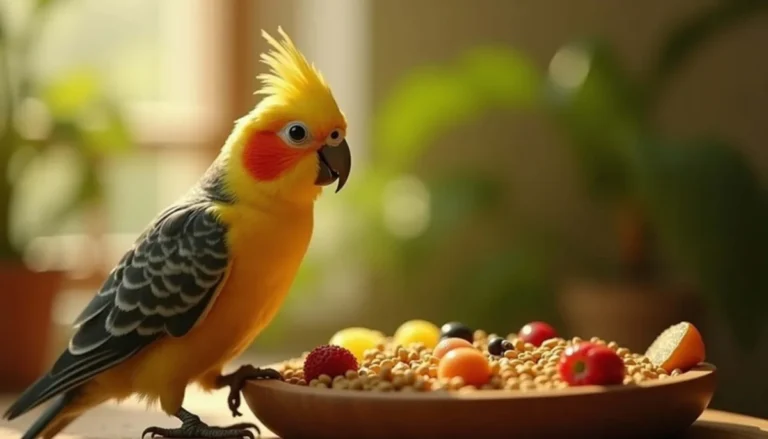
A cockatiel's diet is arguably the most significant factor influencing its health and lifespan. Feeding them correctly provides the essential nutrients their bodies need to function, fight off illness, and maintain energy.
- Balanced Pellets: High-quality, species-appropriate bird pellets should form the base of their diet. These are formulated to provide a complete nutritional profile.
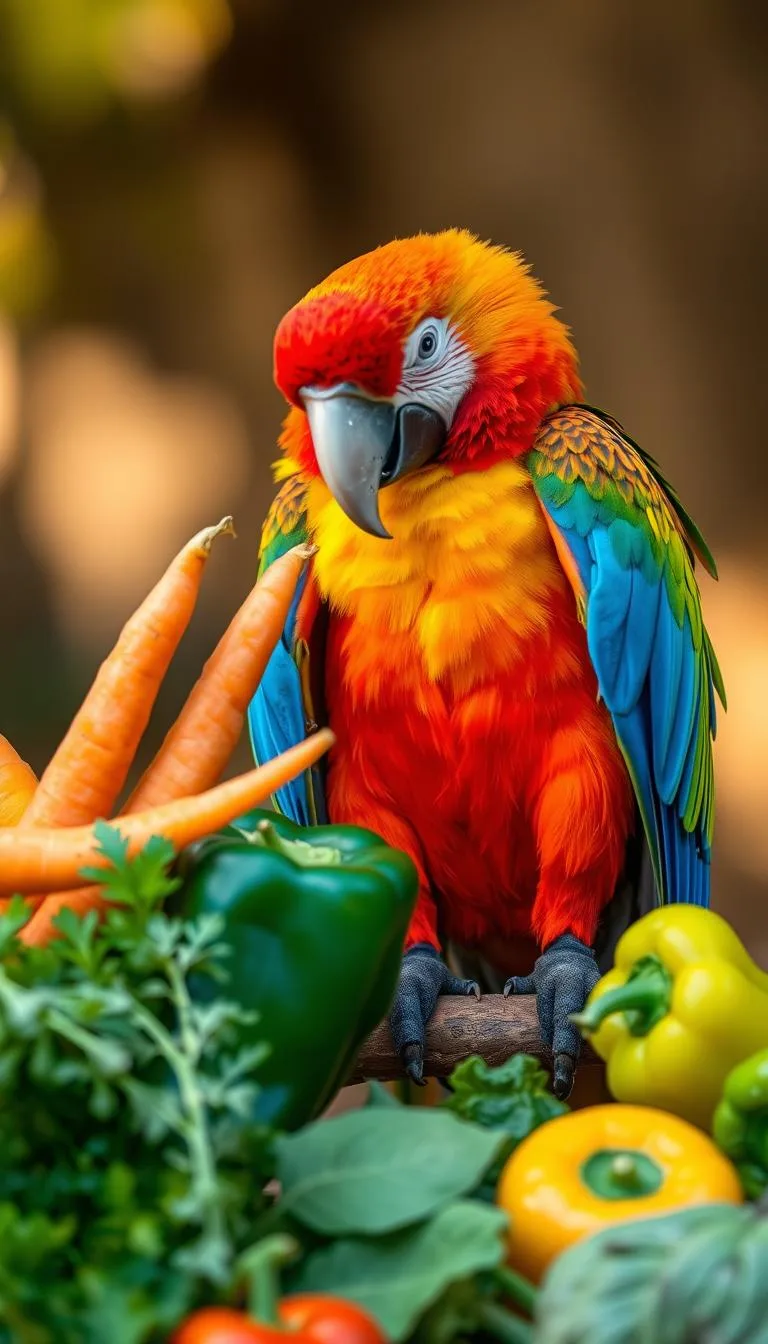
- Fresh Vegetables: Offer a variety of fresh, bird-safe vegetables daily. Leafy greens like kale and spinach, along with carrots, broccoli, and bell peppers, are excellent choices.
- Fruits in Moderation: Small amounts of fruits can be given as treats due to their sugar content.
- Seed Mixes: While birds often enjoy seeds, they should be offered sparingly as a treat, not as a staple. Seed-heavy diets lack essential vitamins and minerals and can lead to obesity and other health problems.
A poor diet can lead to a host of issues, including malnutrition, fatty liver disease, and weakened immune systems, all of which can drastically shorten a cockatiel's life.
Why Vet Care is Non-Negotiable
Just like humans need doctors, birds benefit immensely from regular veterinary check-ups with an avian specialist. These vets have the specific knowledge to diagnose and treat bird-related ailments.
- Annual Wellness Exams: A yearly visit allows your vet to monitor your bird's health, catch potential problems early, and provide preventative care advice.
- Prompt Treatment: Birds are adept at hiding signs of illness. If you notice any changes in behavior, appetite, droppings, or appearance, seeking immediate veterinary attention is critical. Delays can be detrimental.
Early detection and treatment of illnesses can prevent them from becoming serious, significantly contributing to a longer, healthier life for your cockatiel. Finding a qualified avian veterinarian is an essential part of responsible bird ownership.
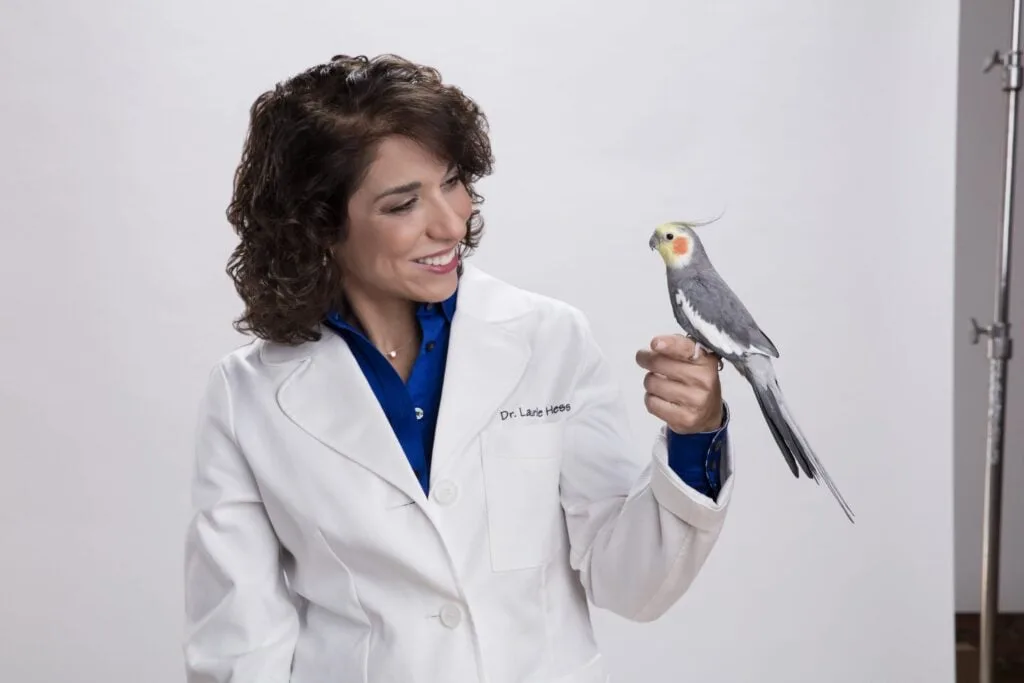
Image source: Bing (Web) / zupreem.com (Web image (fair-use with source credit))
Creating a Safe and Stimulating Environment
A cockatiel's living space and surroundings play a vital role in their well-being and, by extension, their lifespan. Safety and mental stimulation are paramount for a happy, healthy bird.
- Cage Size and Setup: The cage should be large enough for your cockatiel to stretch its wings, climb, and play comfortably. Perches of varying sizes and materials help keep their feet healthy.
- Mental Stimulation: Boredom can lead to stress and behavioral issues. Providing a variety of safe toys, rotating them regularly, and offering opportunities for interaction outside the cage are crucial.
- Hazard Avoidance: Cockatiels are sensitive to airborne toxins. Avoid using non-stick cookware, aerosol sprays, and strong cleaning products near them. Ensure the cage is away from drafts and direct sunlight, and protected from other household pets.
- Sleep: Like all creatures, cockatiels need adequate sleep. Providing a quiet, dark place for them to rest for 10-12 hours each night is essential for their health.
A secure, enriching environment reduces stress and provides the physical and mental engagement necessary for a long and fulfilling life.
Cockatiel Lifespan: Common Mistakes to Avoid
Even with the best intentions, bird owners can sometimes make mistakes that inadvertently shorten their cockatiel's life. Being aware of these common pitfalls can help you provide the best possible care.
- Improper Diet: Relying solely on seed mixes is a major issue. It's a frequent cause of malnutrition and related health problems in pet birds.
- Ignoring Veterinary Needs: Skipping annual check-ups or waiting too long to see an avian vet when your bird seems unwell can allow illnesses to progress unchecked.
- Exposure to Toxins: Not realizing the danger of household fumes from Teflon pans, scented candles, air fresheners, or cleaning chemicals can be extremely harmful, leading to respiratory distress and death.
- Lack of Socialization and Mental Stimulation: A lonely, bored cockatiel can become stressed, pluck its feathers, or develop other behavioral issues impacting its overall well-being and lifespan.
- Inadequate Cage Cleaning: A dirty cage can harbor bacteria and parasites, leading to health problems. Regular, thorough cleaning is necessary to maintain a hygienic environment.
Understanding these risks empowers you to actively prevent them and ensure your cockatiel enjoys the longest, healthiest life possible.
Expert Tips for a Longer-Lived Cockatiel
To help your cockatiel thrive and reach its full lifespan potential, focus on consistent, high-quality care. These tips are based on expert recommendations and observed best practices within avian communities.
- Prioritize Nutrition: Base your cockatiel's diet on a reputable brand of formulated pellets, supplemented daily with a wide variety of fresh vegetables. Limit seeds to occasional treats.
- Seek Avian-Specific Vet Care: Establish a relationship with a veterinarian experienced in treating birds. Regular check-ups can catch issues early.
- Provide Mental and Physical Enrichment: Offer a variety of safe toys that encourage chewing, climbing, and foraging. Allow supervised out-of-cage time daily in a bird-proofed room.
- Maintain a Consistent Routine: Birds thrive on predictability. Try to maintain consistent feeding times, sleep schedules, and interaction periods.
- Ensure a Safe Environment: Keep your cockatiel away from toxic fumes, sudden loud noises, and potential predators like household pets. Ensure the cage is clean and appropriately sized.
- Monitor for Changes: Pay close attention to your bird's behavior, appetite, droppings, and appearance. Any subtle change can be an early indicator of a health issue.
- Consider a Companion (Carefully): If you have the time and space, a second cockatiel can provide companionship, but ensure they are properly introduced and their needs are met individually.
By implementing these practices, you're actively investing in your cockatiel's health and contributing to a longer, happier life together.
Cockatiel Lifespan: What Affects the Count?
Beyond diet and vet care, a bird's environment and daily life significantly impact its longevity. Providing a stable, enriching, and safe space contributes directly to a longer, healthier existence.
Habitat and Home Safety
The physical space you provide for your cockatiel is more than just a cage; it's their entire world. A poorly maintained or unsafe environment can introduce stress and health hazards.
- Cage Hygiene: Regular cleaning prevents the buildup of bacteria and mold, which can cause respiratory infections and other serious illnesses. This means daily spot cleaning of droppings and weekly deep cleans of the entire cage.
- Air Quality: Cockatiels are extremely sensitive to airborne toxins. Avoid using non-stick cookware, scented candles, air fresheners, or harsh cleaning chemicals in their vicinity. Fumes from burned non-stick surfaces can be fatal within minutes.
- Temperature and Drafts: Extreme temperatures and cold drafts can stress a bird's system. Ensure their cage is located in a room with a stable temperature, away from windows or direct heating/cooling vents.
Enrichment and Mental Well-being
A cockatiel's active mind needs engagement to prevent boredom and stress. Lack of stimulation can lead to behavioral problems and negatively impact their overall health.
- Toy Variety: Offer a range of safe toys that encourage chewing, climbing, and foraging. Rotate these toys weekly to keep things interesting.
- Social Interaction: Cockatiels are highly social. Daily interaction, talking to them, and allowing supervised time outside the cage are crucial for their mental health.
- Training and Bonding: Engaging in positive reinforcement training not only strengthens your bond but also provides mental stimulation. Simple tricks or target training can be very rewarding for both of you.
A happy, stimulated cockatiel is a healthier cockatiel, and this mental well-being directly supports a longer lifespan.
Cockatiel Lifespan: Real Scenarios
Understanding how different care levels affect cockatiel lifespan can be best illustrated through hypothetical scenarios. These examples highlight the impact of owner choices.
Scenario 1: The Optimal Environment
A cockatiel named Pip lives in a spacious cage in a home where owners prioritize his well-being. His diet consists primarily of high-quality pellets, a variety of fresh vegetables daily, and limited fruit treats. Pip sees an avian vet annually for check-ups and any minor health concerns are addressed immediately.
His environment is free from airborne toxins, and he receives several hours of supervised playtime outside his cage daily, interacting with his owners and playing with safe toys.
- Expected Outcome: Pip has a high probability of living 15-20 years, potentially reaching his early twenties due to the comprehensive, proactive care he receives.
Scenario 2: The Basic Caregiver
Another cockatiel, Sunny, lives in a smaller cage and is fed mostly a seed-based diet, with occasional table scraps. His owner does not regularly consult an avian vet, only visiting when Sunny appears severely ill. The home environment contains typical household fumes, and Sunny spends most of his time in his cage with minimal interaction or varied toys.
- Expected Outcome: Sunny's lifespan is likely to be significantly shorter, potentially in the 5-10 year range, due to nutritional deficiencies, preventable illnesses, and chronic stress from an unstimulating environment.
Scenario 3: The Neglected Bird
A cockatiel found in poor conditions, perhaps from a neglectful situation or a pet store with subpar husbandry, starts life at a disadvantage. This bird may already be suffering from malnutrition, disease, or psychological distress. Even with improved care, the damage from the early stages can be difficult to fully reverse.
- Expected Outcome: This bird's lifespan is highly unpredictable and often significantly reduced, even with rescue and dedicated care, due to the lasting effects of early neglect.
These scenarios underscore that while genetics play a role, the owner's commitment to providing optimal care is the most powerful determinant of a cockatiel's longevity.
Cockatiel Lifespan: Making Smart Choices
When you decide to get a cockatiel, you're making a commitment for potentially two decades or more. It's important to approach this decision with realistic expectations and a plan for long-term care.
- Assess Your Lifestyle: Consider how much time you can realistically dedicate daily to your bird's care, interaction, and cage maintenance. If your schedule is very demanding, a bird that requires significant social interaction might not be the best fit.
- Budget for Ongoing Costs: Beyond the initial purchase price, factor in the cost of high-quality food, veterinary care (including potential emergency visits), toys, and cage supplies. A balanced diet and regular vet visits are non-negotiable for a long lifespan.
- Research Avian Vets: Before you even bring your bird home, locate a qualified avian veterinarian in your area. This ensures you're prepared should any health issues arise.
- Prepare the Environment: Have a suitable cage, perches, food and water dishes, and a few safe toys ready before your cockatiel arrives. Ensure the chosen location is safe, draft-free, and away from potential hazards.
Making informed choices upfront sets the stage for a happy and healthy life for your cockatiel, maximizing their potential to live a long, full life by your side.
Frequently Asked Questions
How long does a cockatiel typically live in captivity?
In captivity, with proper care, a cockatiel typically lives between 15 to 20 years. Some can live longer, potentially into their late twenties or early thirties, depending on genetics and exceptional care.
What is the most common cause of a shorter lifespan in cockatiels?
The most common causes of a shorter lifespan are poor nutrition, often from a seed-heavy diet lacking essential vitamins and minerals, and inadequate or delayed veterinary care when health issues arise.
Can my cockatiel live longer than 20 years?
Yes, it is possible for a cockatiel to live beyond 20 years. This usually requires a combination of excellent genetics, a perfectly balanced diet, consistent enrichment, minimal stress, and proactive veterinary care throughout its life.