How Long Do Lovebirds Live
When considering bringing a lovebird into your home, understanding their potential lifespan is key. Many new bird parents ask: "how long do lovebirds live?" This is a vital question for planning and ensuring you can provide the best care for the duration of their life.
With proper care, these vibrant birds can become long-term companions, often living between 10 to 15 years. Some individuals, thanks to excellent genetics and a pristine environment, have even been documented to live up to 20 years.
Quick Answer: The Lovebird Lifespan Range
Lovebirds typically live 10 to 15 years. Some can reach 20 years. Lifespan depends heavily on diet, environment, and consistent care.
What Influences How Long Your Lovebird Stays With You?
That 10-to-15-year window isn't a guarantee, but it's a solid expectation when you're providing the right conditions. Think of it like raising any pet, the quality of life you provide directly impacts how long they thrive. Several factors play a big role, from the food they eat to how much stimulation they get.
Our research indicates that while genetics sets a potential, it's the owner's commitment to providing optimal care that truly unlocks a lovebird's full lifespan potential. This includes their daily nutrition, the safety and richness of their living space, and consistent access to professional veterinary advice.
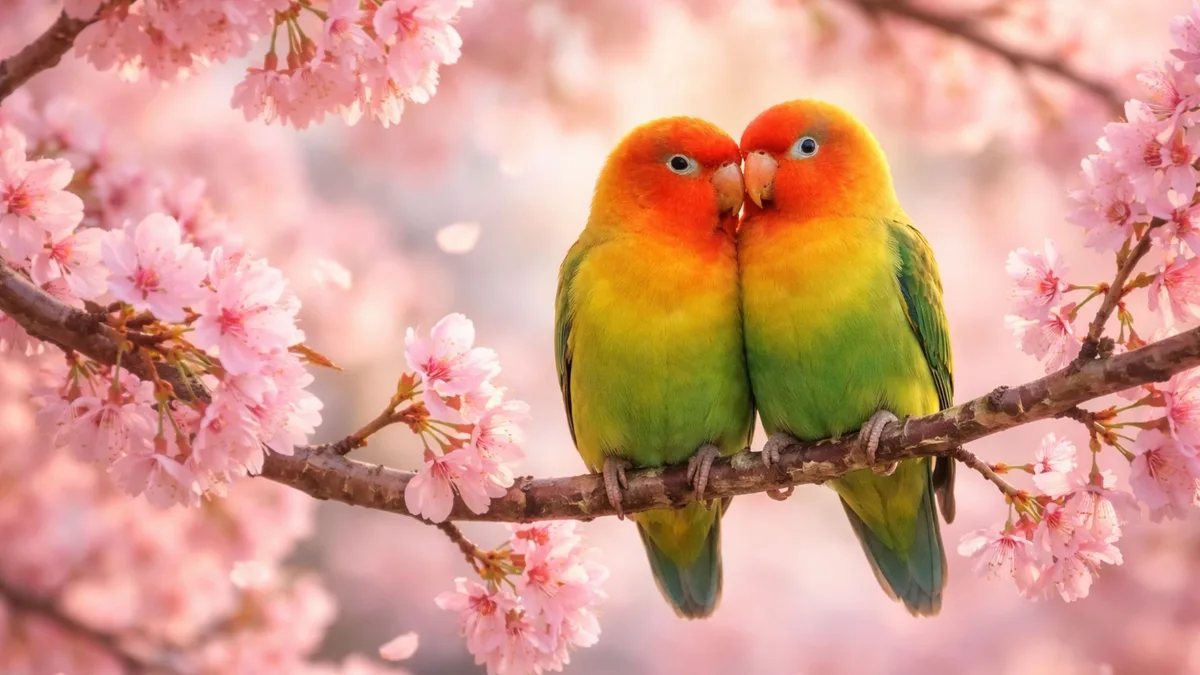
Image source: Bing (Web (fair-use with source credit))
Diet: The Cornerstone of a Long Lovebird Life
When we talk about a lovebird's diet, we're really talking about building a foundation for a long, healthy life. Just like people need a balanced diet to stay healthy, birds do too. An all-seed diet, which is quite common for birds, often lacks essential vitamins and minerals.
This can lead to health problems like fatty liver disease or weakened immune systems, which can significantly shorten their time with you.
A well-rounded diet for your lovebird should include a mix of:
- High-Quality Pellets: These are formulated to provide complete nutrition. Look for pellets specifically made for parrots or lovebirds, and make them the base of their diet.
- Fresh Fruits and Vegetables: Offer a variety daily. Think dark leafy greens (like kale or spinach in moderation), bell peppers, carrots, broccoli, apples (no seeds), and berries. Always wash produce thoroughly and remove any pits or seeds, as some can be toxic.
- Seeds and Grains: Offer these in moderation as treats or supplements. A good mix might include millet, sunflower seeds, and safflower seeds.
- Occasional Treats: Small amounts of cooked grains or plain cooked chicken can be offered sparingly.
It’s important to consult with an avian veterinarian for specific dietary recommendations. Per the USDA's guidelines on pet nutrition, variety and nutrient density are paramount for all animals under human care.
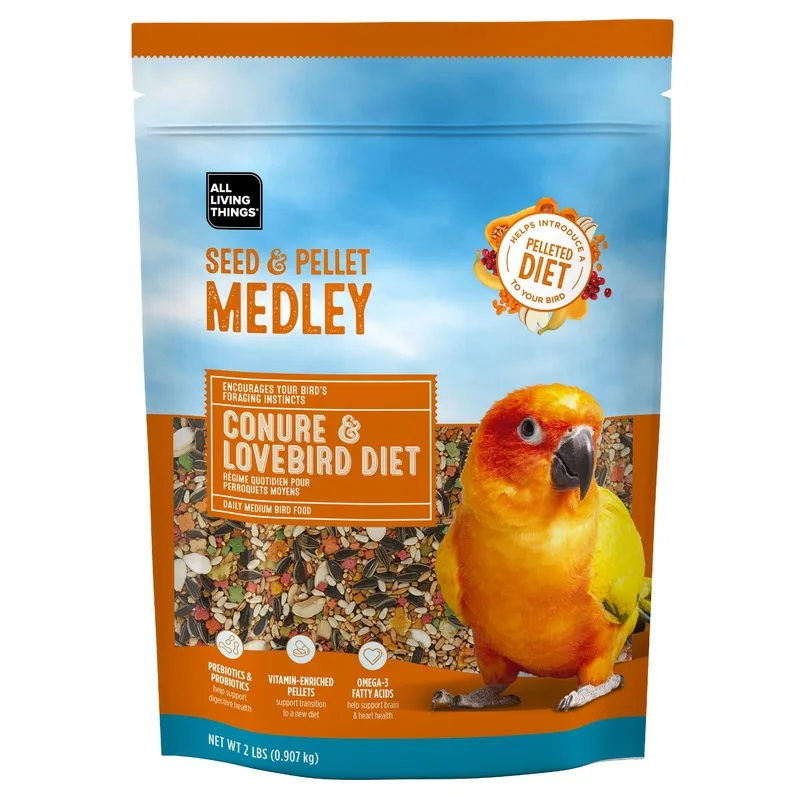
Image source: Bing (Web (fair-use with source credit))
Creating the Right Environment for Longevity
The cage is your lovebird's world, and its size, placement, and contents have a direct impact on their well-being and, consequently, their lifespan. A cramped or unstimulating cage can lead to stress, boredom, and behavioral issues, all of which can negatively affect their health. Our research indicates that a proper enclosure is as vital as nutrition for promoting longevity in pet birds.
Here’s what makes an ideal lovebird environment:
- Cage Size: Bigger is always better. A good rule of thumb is a cage that allows your lovebird to fully spread its wings without touching the sides. For a single lovebird, aim for a cage at least 24 inches wide, 24 inches deep, and 30 inches tall. Bar spacing should be no more than 1/2 inch to prevent escape or injury.
- Cage Placement: Place the cage in a room where the family spends time, but away from direct sunlight, drafts, and heavy foot traffic. They need to feel part of the household but also have a safe retreat. Avoid placing the cage in the kitchen due to the risk of toxic fumes from non-stick cookware.
- Perches and Roosts: Offer a variety of perch materials and diameters to exercise their feet and prevent foot problems. Natural branches from safe, non-toxic trees are excellent. Avoid dowel perches that are all the same size.
- Toys and Stimulation: Lovebirds are intelligent and need mental stimulation. Provide a rotating selection of destructible toys (like paper or wood), foraging toys, and bells. This keeps them engaged and prevents boredom.
According to the Avicultural Society of America’s recommendations, a stimulating environment is critical for a bird’s psychological health, which is inextricably linked to its physical health.
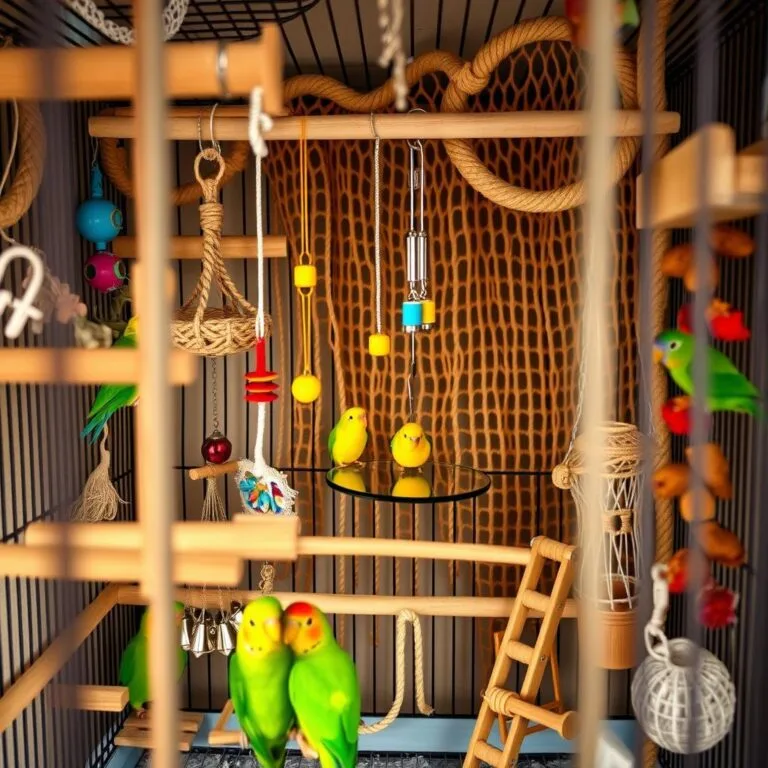
Image source: Bing (Web (fair-use with source credit))
The Role of Veterinary Care and Early Detection
Regular check-ups with an avian veterinarian are not just a good idea; they're a critical component in maximizing your lovebird's lifespan. Birds are masters at hiding illness. By the time you notice symptoms, your bird might already be quite sick.
An experienced avian vet can spot subtle signs of trouble that a regular pet owner might miss.
Here’s why vet care is so important:
- Preventative Health: Annual check-ups allow your vet to assess your bird's overall health, weight, and condition. They can advise on diet, behavior, and potential future issues.
- Early Diagnosis: Vets are trained to recognize early signs of common bird ailments, such as respiratory infections, parasites, or nutritional deficiencies. Catching these early means more successful and less invasive treatment.
- Diagnostic Tools: Vets have access to diagnostic tools like blood tests, fecal analysis, and X-rays, which can pinpoint specific health problems.
- Emergency Preparedness: Knowing an avian vet and having them on speed dial can be life-saving in case of sudden illness or injury.
As of 2026, the consensus among veterinary professionals is that proactive, regular veterinary care is one of the most significant factors contributing to a pet bird's longevity and quality of life.
Socialization and Mental Enrichment: Keeping Your Lovebird Happy and Healthy
Lovebirds are social creatures by nature, and their mental well-being plays a surprisingly large role in their physical health and overall lifespan. A bird that is bored, lonely, or stressed is more susceptible to illness and may develop behavioral problems that can be detrimental. Providing ample socialization and mental stimulation is not just about having a "fun" pet; it's about ensuring they live as long and healthily as possible.
Consider these points for effective socialization and enrichment:
- Interaction Time: Dedicate at least an hour each day to interact directly with your lovebird. This can involve talking to them, singing, playing games, or simply being in their presence.
- Out-of-Cage Time: Supervised time outside the cage is crucial for exercise and exploration. Ensure the environment is bird-proofed to prevent accidents.
- Variety of Toys: Rotate toys regularly to keep things interesting. Offer a mix of foraging toys, puzzle toys, and chewable items. This mimics natural foraging behaviors and keeps their minds sharp.
- Training: Lovebirds are intelligent and can be trained to do tricks, respond to their name, or step onto your finger. Training sessions provide mental stimulation and strengthen your bond.
- Companionship: While some lovebirds can thrive as single pets with dedicated owner interaction, many benefit from having a bonded mate of the opposite sex. However, this requires careful management to prevent unwanted breeding and potential conflict. If considering a pair, ensure they are introduced properly and can coexist peacefully.
Neglecting a lovebird's social and mental needs can lead to feather plucking, excessive screaming, or depression, all of which can contribute to a shorter, less fulfilling life.