What Do Lovebirds Eat
So, you've got a lovebird, or you're thinking about getting one, and you're asking, "what do lovebirds eat?" It’s a question that really matters because what you put in their food bowl directly impacts their health and happiness. Getting their diet right means they're more likely to be vibrant, active, and live a long life.
Our research shows that a significant percentage of pet birds suffer from preventable health issues directly linked to poor nutrition, often stemming from diets too high in fat and too low in essential vitamins and minerals. Focusing on a balanced diet, anchored by high-quality pellets and supplemented with fresh produce, is key. Let's break down exactly what your little feathered friend needs.
The Foundation: Why a Balanced Diet is Crucial for Lovebirds
A lovebird's nutritional needs are quite specific, and a proper diet is the bedrock of their well-being. It's not just about keeping them full; it's about providing the building blocks for everything from strong bones and clear vision to a glossy feather coat and a robust immune system. Think of it as preventative medicine you can offer every single day through their food.
Our research indicates that a diet lacking essential nutrients can manifest in various ways, including feather plucking, lethargy, and increased susceptibility to common avian diseases. According to standards set by avian nutritionists, a complete diet should provide a range of vitamins, minerals, proteins, and healthy fats in the correct proportions. Without this balance, your bird simply can't function at its best.
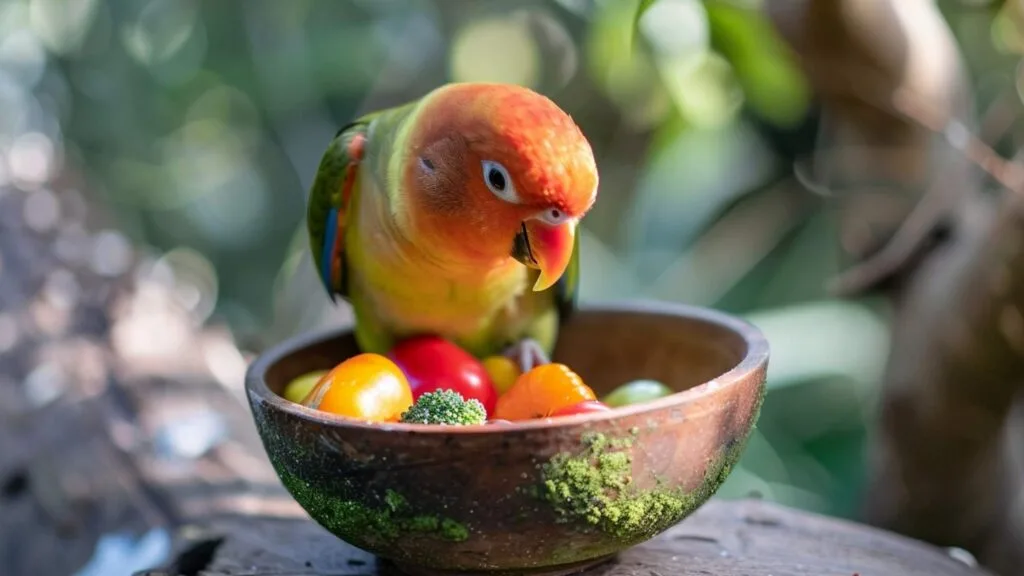
Image source: Bing (Web (fair-use with source credit))
Core Diet Components: Pellets, Veggies, and Fruits
The ideal diet for lovebirds is a carefully balanced mix, moving away from the old seed-only approach that often leads to health problems. The focus should be on variety and nutrient density.
High-Quality Pellets: These form the essential base of your lovebird’s diet. Unlike seed mixes, pellets are formulated to provide a complete nutritional profile, ensuring your bird gets a spectrum of vitamins, minerals, and amino acids. Look for pellets specifically designed for parrots or small hookbills. They should ideally make up around 60-70% of their daily food intake.
Fresh Vegetables: A daily offering of fresh greens and other vegetables provides vital fiber, vitamins, and antioxidants. Aim for a colorful variety to ensure a broad range of nutrients.
- Leafy Greens: Kale, spinach, romaine lettuce, collard greens.
- Other Veggies: Bell peppers (all colors), carrots, broccoli, peas, green beans, sweet potatoes.
Fresh Fruits: Fruits are a great source of vitamins and hydration but are higher in sugar, so they should be offered in moderation, perhaps making up 10-15% of their diet.
- Good Choices: Berries, melon, apples (seeds removed), mango, papaya.
What Lovebirds Absolutely Should Not Eat: Toxic Foods to Avoid
Beyond the core components of a healthy diet, it's critical to know which common human foods pose a serious threat to your lovebird's health. Many items we enjoy can be poisonous or highly detrimental to their delicate digestive systems and metabolism. This isn't about general "unhealthy" foods; it's about outright toxicity.
The dangers are quite severe for certain items. For instance, according to avian health resources, avocado contains a fungicidal toxin called persin, which can be fatal to birds. Similarly, chocolate contains theobromine, a stimulant that birds cannot process and which can lead to severe poisoning.
Onions and garlic can cause blood abnormalities.
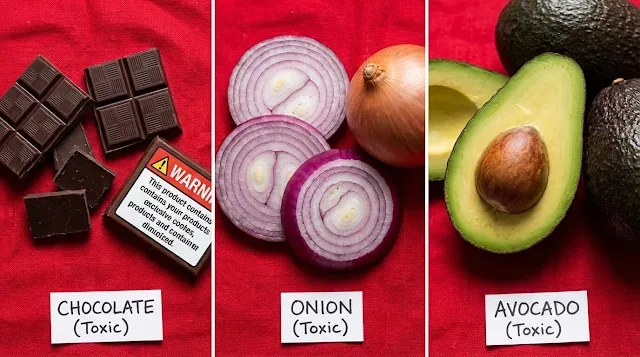
Image source: Bing (Web (fair-use with source credit))
Here's a list of foods to keep strictly away from your lovebird:
- Avocado: Highly toxic.
- Chocolate: Theobromine is harmful and can be fatal.
- Caffeine: Found in coffee, tea, and sodas; it's a stimulant that can be harmful.
- Alcohol: Never give any alcoholic beverages.
- Onions and Garlic: Can cause gastrointestinal upset and blood issues.
- Fruit Pits and Seeds: Many contain cyanide compounds (e.g., apple seeds, cherry pits).
- Salty, Sugary, and Fatty Foods: These disrupt their delicate systems.
Why Are These Foods So Dangerous for Birds?
Birds have unique metabolisms and digestive systems that differ significantly from mammals. Foods that are perfectly safe for us can be processed very differently by their bodies, leading to toxic buildup or damage. For example, their respiratory systems are highly efficient but also sensitive.
This is why keeping your bird in a well-ventilated area, away from cooking fumes (like from non-stick pans, which can release toxic fumes) and chemical sprays, is also part of responsible pet care. Prioritizing bird-safe environments means also prioritizing bird-safe food choices.
Transitioning Your Lovebird to a Healthier Diet: A Gradual Approach
Switching a lovebird from a seed-based diet to a pellet-and-fresh-food regimen requires patience and a systematic approach. Many birds are accustomed to the high fat content of seeds and can be resistant to trying new things. This transition is crucial for their long-term health, as it helps prevent issues like obesity, fatty liver disease, and nutrient deficiencies.
The key is to introduce new foods slowly and consistently. Don't expect your lovebird to embrace pellets or veggies overnight. Our research into avian husbandry indicates that this process can take anywhere from a few weeks to several months.
The goal is to make the new foods appealing and associate them with positive experiences.
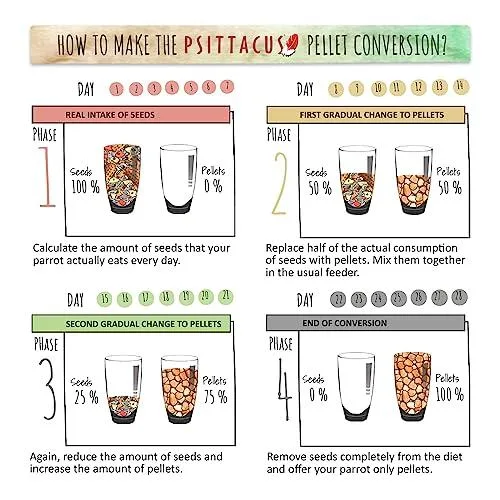
Image source: Bing (Web (fair-use with source credit))
Here’s a structured approach to make the transition smoother:
Step 1: Introduce Pellets Gradually: Start by mixing a small amount of high-quality pellets into their existing seed mix. The ratio should be very low initially, perhaps 10% pellets to 90% seeds.
Step 2: Increase Pellet Ratio: Over several days or weeks, slowly increase the proportion of pellets while decreasing the seeds. Monitor your bird to ensure they are eating the pellets.
Step 3: Offer Fresh Foods: Begin offering small amounts of washed, bird-safe vegetables and fruits alongside their food. Favorites often include small pieces of apple (no seeds), berries, leafy greens, and bell peppers.
Step 4: Combine and Motivate: You can try moistening a few pellets with water or a little bit of mashed fruit to create a paste that might be more appealing. Some birds respond well to food presented on a skewer.
What If My Lovebird Refuses New Foods?
It's common for lovebirds to be suspicious of new foods. If your bird is completely ignoring the pellets or fresh items, try different presentation methods or even different brands of pellets. Sometimes, the texture or flavor of one brand isn't appealing.
You can also try what’s called a "chop," where you finely dice a variety of fruits and vegetables together, perhaps with a few pellets mixed in. This mixes textures and flavors, making it easier for them to sample different components. Be patient; persistence is often the most effective strategy.
Remember to always have fresh water available.
Signs of a Healthy Diet and Potential Nutritional Problems
Observing your lovebird's physical condition and behavior is your primary way to gauge the effectiveness of their diet. A bird receiving proper nutrition will typically look and act vibrant and healthy. Conversely, a poor diet often leads to subtle, and sometimes not-so-subtle, signs of distress or illness.
According to avian health guidelines, a healthy lovebird should have clear, bright eyes, clean nares (nostrils), and smooth, well-groomed feathers. Their droppings should have a consistent appearance: a dark fecal portion, a white urates portion, and clear urine. Any drastic changes in these indicators can be red flags.
Here are the key indicators to watch for:
- Feather Condition: Expect bright, glossy feathers that are neatly arranged. Signs of a poor diet can include dullness, raggedness, or a tendency for the bird to pluck its own feathers.
- Activity Level: A well-nourished lovebird is generally active, alert, and curious. Lethargy, weakness, or a hunched posture can indicate underlying health issues, often dietary.
- Skin and Beak: Healthy skin should be pink and supple, with no dryness or scaling. The beak should be smooth and well-formed.
- Dropping Analysis: Regular, consistent droppings are a good sign. Changes like diarrhea, unusually colored droppings, or a lack of urates can signal dietary problems or illness.
- Weight and Body Condition: Your bird should have a healthy weight; neither too thin nor overweight. Overfeeding seeds can lead to obesity, while a lack of nutrients can cause emaciation.
How Can a Poor Diet Cause Health Issues?
Nutritional deficiencies are a leading cause of many common avian ailments. For example, a lack of calcium and Vitamin D can lead to metabolic bone disease, making bones brittle and prone to fractures. Diets high in fat from seeds can contribute to fatty liver disease (hepatic lipidosis), a serious condition that impairs liver function.
Furthermore, imbalanced diets weaken the immune system, making lovebirds more susceptible to bacterial, fungal, and viral infections. Feather plucking, a common behavioral issue, is often rooted in underlying physical discomfort or nutritional deficiencies that cause skin irritation or stress. Addressing the diet is often the first step in resolving such complex health problems.
Expert Tips for Lovebird Nutrition and Feeding Practices
Adopting sound feeding practices is just as important as selecting the right foods. Consistent, proper feeding routines contribute significantly to your lovebird’s overall well-being and can prevent many common problems. These tips are drawn from established avian care protocols and veterinary recommendations.
When preparing your lovebird's meals, always prioritize hygiene. Wash your hands thoroughly before and after handling their food and dishes to prevent the transfer of bacteria. Ensure all fresh produce is washed under cool running water before serving it to your bird.
This simple step helps remove any lingering pesticides or contaminants.
Here are some crucial feeding practices to implement:
- Daily Water Freshness: Clean water bowls and provide fresh water daily, as birds can quickly contaminate their water with food particles or droppings.
- Appropriate Portion Sizes: Offer only what your lovebird can consume within a few hours. Overfeeding fresh items can lead to spoilage and waste, while too many seeds can encourage overeating.
- Timely Removal of Fresh Foods: Remove uneaten fresh fruits and vegetables within 4-6 hours to prevent bacterial growth, especially in warmer environments.
- Avoid Grains and Processed Foods: Unless specifically formulated for birds and recommended by a vet, avoid feeding things like bread, crackers, or cooked human meals that can be high in salt, sugar, or unhealthy fats.
- Observe Eating Habits: Pay attention to what your bird eats and avoids. This can provide clues about their preferences and any potential issues with the food itself or their overall diet.
- Consult an Avian Veterinarian: For any specific concerns about your lovebird's diet, health, or transition, always consult a veterinarian specializing in avian care. They can provide tailored advice based on your bird's individual needs.
Frequently Asked Questions About Lovebird Diet
What is the best food for a lovebird?
The best food for a lovebird is a high-quality, formulated pellet diet as its staple, supplemented daily with a variety of fresh vegetables and some fresh fruits. This balanced approach ensures they receive all the necessary nutrients for optimal health.
Can lovebirds eat seeds?
Yes, lovebirds can eat seeds, but they should not be the primary component of their diet. A seed-only diet is too high in fat and lacks essential vitamins and minerals, leading to health problems. Seeds should be offered only in small amounts as occasional treats.
How much should I feed my lovebird per day?
A general guideline is to provide about 1 to 2 tablespoons of food per day for a single lovebird, consisting of the balanced mix of pellets, vegetables, and fruits. Monitor their consumption and adjust slightly based on their activity level and body condition.
What vegetables are safe for lovebirds?
Many vegetables are safe and highly beneficial for lovebirds, including leafy greens like kale and romaine lettuce, as well as carrots, broccoli, bell peppers, peas, and green beans. Always wash produce thoroughly before offering it.