Which Bird Cannot Fly
When you think about birds, you probably picture them soaring through the sky. But what if you're curious about which bird cannot fly? It’s a fascinating question that leads us down a path of unique evolutionary marvels and incredible adaptations.
We'll explore the birds that have traded the skies for life on the ground.
There are over 10,000 known species of birds, and while flight is their defining characteristic for many, a surprising number have evolved to be flightless. For instance, the ostrich, the world's largest bird, can reach speeds of up to 45 miles per hour on land, a testament to its powerful legs replacing the need for flight.
Quick Answer
The ostrich is a prominent bird that cannot fly. Other well-known flightless birds include emus, cassowaries, kiwis, penguins, and rheas. These birds have evolved over millions of years, often losing the ability to fly due to a lack of predators or specialized habitats.
Their wings are typically reduced or adapted for other purposes, like swimming or balance.
Why Some Birds Just Can't Fly
It might seem counterintuitive for a bird to lose its ability to fly, but nature's a master of adaptation. For many species, flight simply wasn't the most efficient way to survive or thrive. Over vast stretches of time, if a bird's environment offered abundant food and few threats from predators on the ground, the energy required for maintaining flight muscles and large wings became less crucial.
Instead, evolutionary pressures favored other traits, like strong legs for running, powerful bodies for digging, or specialized flippers for navigating water. This shift illustrates how species adapt to their specific ecological niches, often sacrificing one ability to excel in another.
Image source: iNaturalist / Irene
Flightless Birds: The Key Players
This group of birds is incredibly diverse, showcasing different paths to losing flight. They inhabit various corners of the globe and have developed unique characteristics to suit their environments. Understanding these individuals helps paint a clearer picture of avian evolution.
Ostriches and Emus: The Big Runners
When you think of large, flightless birds, ostriches and emus often come to mind first. These birds are built for speed. Ostriches, native to Africa, are the largest and heaviest living birds, standing up to 9 feet tall and weighing as much as 300 pounds.
They use their powerful, long legs to run at incredible speeds, which helps them escape predators. Emus, found in Australia, are the second-largest birds, also relying on their strong legs for swift movement across open plains. Their wings are very small and not used for flight at all, more for balance when running or in courtship displays.

Image source: Bing (Web (fair-use with source credit))
Cassowaries and Rheas: The Powerful Stompers
Cassowaries, native to the tropical rainforests of New Guinea and northeastern Australia, are known for their distinctive casque (a helmet-like structure on their head) and brightly colored neck wattles. While not built for speed like ostriches, they are powerful and can deliver dangerous kicks with their dagger-like claws when threatened. Rheas, on the other hand, are large, long-legged birds native to South America.
They resemble miniature ostriches, often found in grasslands and savannas, where they forage for food and use their speed to evade danger. Both species have significantly reduced wings, making them entirely flightless.
Kiwis and Kakapos: The Ground Dwellers of the Night
Shifting gears to smaller, more elusive flightless birds, we find the kiwi and the kakapo, both endemic to New Zealand. Kiwis are nocturnal birds with a unique, long beak featuring nostrils at the tip, used for sensing prey underground. Their wings are vestigial, essentially tiny stubs hidden within their shaggy, hair-like feathers, making them completely unable to fly.
Kakapos are also nocturnal and are the world's only flightless parrot, recognized by their owl-like facial disc and green plumage. Their stout bodies and strong legs are adapted for climbing and foraging on the forest floor, though they can manage short, controlled glides from trees.
Penguins: Masters of the Watery World
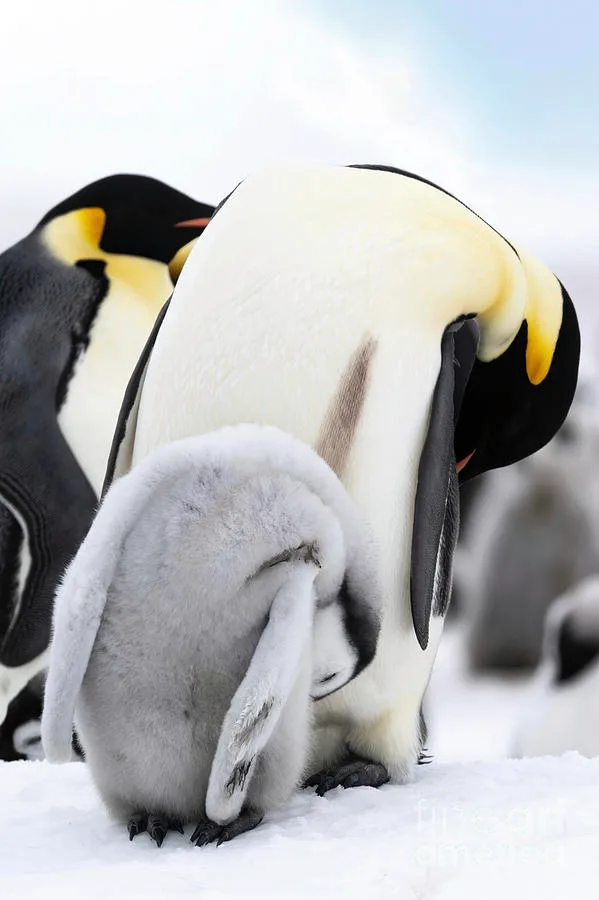
While many flightless birds are land-based runners or foragers, penguins have taken their adaptation to the water. Found primarily in the Southern Hemisphere, penguins have evolved their wings into powerful flippers, perfectly suited for swimming and diving. They are incredibly agile underwater, using their flippers for propulsion and steering, while their streamlined bodies and dense bones aid in diving.
On land, their waddle is less efficient, but their survival depends on their mastery of the marine environment for food.
What Makes a Bird Flightless?
The transition from a flying ancestor to a flightless descendant is a significant evolutionary step. It’s not a sudden change but a gradual process driven by environmental factors and selective pressures over thousands or millions of years. Several key biological and environmental elements typically converge to lead to this remarkable transformation.
Evolutionary Paths to Ground Life
The journey to flightlessness often begins when a bird species finds itself in an environment with few ground predators. Islands, for example, historically provided safe havens where birds could evolve without the constant threat of being eaten. Without the need to escape danger by flying, the energy and resources dedicated to maintaining flight capabilities became less advantageous.
Over generations, natural selection would favor individuals that were better at other survival tasks. This could mean stronger legs for foraging, better camouflage, or more efficient use of food resources not related to flight.
Physical Adaptations: From Wings to Legs
The most obvious physical change in flightless birds is the state of their wings. They often become reduced in size, sometimes to mere stubs, or their bone structure changes, losing the hollow spaces that make bird bones light for flight. The sternum, or breastbone, which in flying birds has a prominent ridge called a keel to anchor flight muscles, often lacks this prominent keel in flightless species.
This is because there are no large flight muscles to anchor. Instead, flightless birds typically develop stronger legs and feet, adapted for running, walking, or even digging. In aquatic species like penguins, wings transform into flippers, optimized for powerful strokes through water.
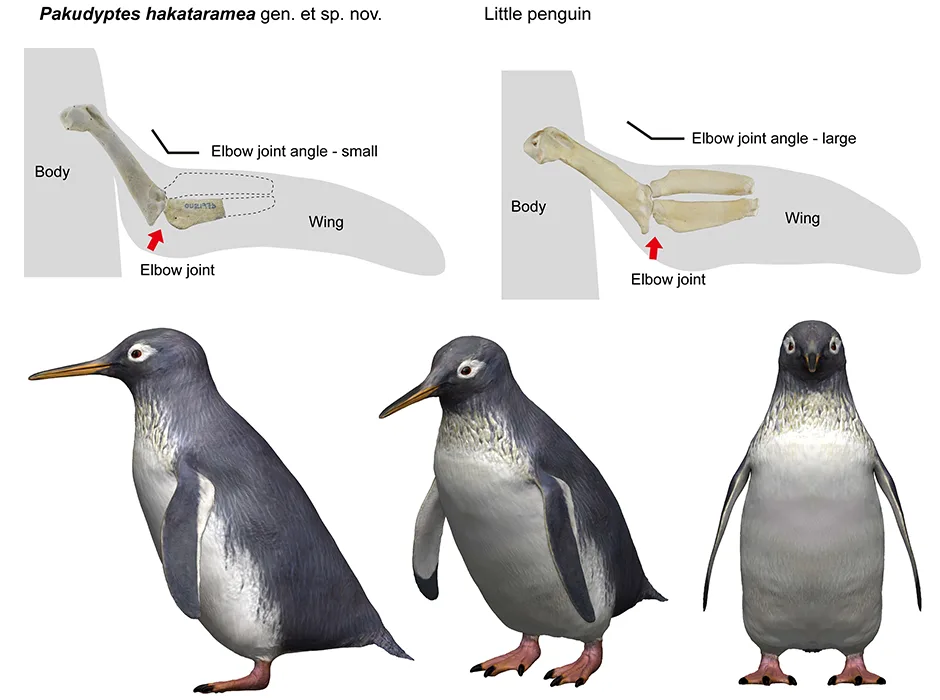
Image source: Bing (Web (fair-use with source credit))
Flightless Birds in Their Natural Homes
Understanding where these unique birds live and how they manage to survive gives us a deeper appreciation for their specialized adaptations. Their habitats are as varied as the birds themselves, from vast deserts to icy waters.
Diverse Habitats, Unique Challenges
Flightless birds occupy an impressive range of environments. The ostrich thrives in the arid savannas and deserts of Africa, its long legs allowing it to cover large distances in search of sparse vegetation and water. Emus are at home on the open plains and woodlands of Australia, while rheas navigate the grasslands and open country of South America.
Penguins, on the other hand, are found in a variety of climates, from the frigid Antarctic coasts to the temperate shores of southern continents, and even on equatorial islands like the Galápagos. Kiwis and kakapos are more restricted, typically found in the dense, humid forests of New Zealand. Each habitat presents specific challenges, from extreme temperatures to limited food availability, which these birds have adapted to overcome without the benefit of flight.
Survival Strategies: Predators and Prey
Without the ability to take to the air, flightless birds have developed other strategies to survive. Many large species, like ostriches and emus, rely on incredible speed and powerful kicks to defend themselves. Their large size can also be a deterrent to smaller predators.
Birds like the kiwi use their keen sense of smell and hearing to forage for insects, worms, and fallen fruit under the cover of darkness, avoiding diurnal predators. Penguins, while vulnerable on land, are exceptionally well-equipped for survival in the ocean, where they hunt fish, squid, and krill, and their social nesting colonies offer some protection against land-based threats. The kakapo, with its excellent camouflage and nocturnal habits, also relies on stealth and its forest environment for protection.
As of 2026, conservation efforts are crucial for many of these species due to increasing threats in their natural homes.
Conservation Concerns for Flightless Species
While fascinating, many of the world's flightless birds face significant challenges to their survival. Their very lack of flight often makes them more vulnerable to environmental changes and human impact.
Threats They Face Today
Habitat loss and fragmentation are major threats. As human populations expand, natural landscapes are converted for agriculture, development, and resource extraction, reducing the space and food sources available to these birds. Introduced predators, such as cats, dogs, and stoats, pose a severe risk, especially to ground-nesting species like kiwis and penguins, which have no natural defenses against them.
Climate change also plays a role, altering habitats and food availability, particularly for species like penguins whose marine food sources can be affected by ocean warming and acidification. Additionally, illegal hunting and poaching, though reduced in many areas, still impact certain populations.
Efforts to Protect Them
Fortunately, numerous organizations and governments are working to protect flightless birds. These efforts include establishing and expanding protected areas and national parks to preserve critical habitats. Captive breeding programs are vital for critically endangered species, aiming to increase population numbers and genetic diversity before reintroduction into the wild.
Researchers actively monitor populations to understand their needs and the threats they face, using this data to inform conservation strategies. Community involvement and education are also key, raising awareness about the importance of these unique birds and fostering local support for their protection. For example, organizations like BirdLife International actively advocate for policies that safeguard avian biodiversity, including flightless species.
Frequently Asked Questions About Flightless Birds
What is the primary reason birds evolved to be flightless?
The primary reason is often the absence of significant ground predators. In environments where birds didn't need to escape danger by flying, the energy expenditure for flight became less advantageous. Natural selection then favored traits like strong legs for running or efficient foraging on the ground or in water.
Are all flightless birds endangered?
No, not all flightless birds are endangered. While many species like the kakapo are critically endangered, others such as ostriches and penguins have larger, more stable populations, though some subspecies may still face threats. Conservation status varies greatly depending on the species and its specific habitat pressures.
Can a bird that cannot fly still be a good swimmer?
Absolutely. Penguins are a prime example of flightless birds that are exceptional swimmers. Their wings have evolved into powerful flippers, making them highly efficient hunters and navigators in marine environments, far more so than they would be in the air.
Do all flightless birds have small or non-existent wings?
Yes, flightless birds generally have wings that are either greatly reduced in size or adapted for purposes other than flight, such as swimming or balance. The sternum, the large breastbone where flight muscles attach in flying birds, often lacks a prominent keel in flightless species, reflecting the absence of flight muscles.
What is the difference between a flightless bird and a bird that has lost the ability to fly?
These terms often describe the same outcome. "Flightless" refers to the current state of the species, meaning they cannot fly. "Lost the ability to fly" refers to the evolutionary process that led to this state, implying they evolved from flying ancestors.
Essentially, they are two ways of looking at the same characteristic.
Which Flightless Bird is Right for You? (A Comparative Look)
This might seem like a strange question, as you're unlikely to be choosing a flightless bird as a pet. However, thinking about them comparatively helps us understand their unique roles and adaptations. If we were to "choose" based on characteristics, who would fit which niche?
The Speedy Runner: Ostrich
If you were building a bird species optimized for covering vast distances quickly across open terrain, you'd look at the Ostrich. With its nearly 9-foot height and weights reaching up to 300 pounds, this African native possesses immense leg power. Its two-toed feet are built for speed, allowing it to reach up to 45 mph.
This makes it ideal for escaping predators in savannas and deserts. For an ostrich, its terrestrial speed is its primary survival tool.
The Aquatic Acrobatic: Penguin
For a bird designed to master the ocean, the Penguin is the ultimate model. While awkward on land with its distinctive waddle, in the water, it transforms. Its wings have become powerful, paddle-like flippers, propelling it through the sea with incredible agility.
Penguins can dive to impressive depths, hunting fish, krill, and squid. Their streamlined bodies and dense bones help them navigate the underwater world, making them supreme marine athletes.
The Camouflaged Forager: Kiwi
If the goal was to excel at finding food discreetly on the forest floor, the Kiwi from New Zealand is the exemplar. These small, nocturnal birds have a remarkable sense of smell, thanks to nostrils located at the tip of their long beaks, allowing them to locate invertebrates buried in the soil. Their shaggy, hair-like feathers provide excellent camouflage in the undergrowth.
With tiny, almost invisible wings, they are entirely ground-bound, relying on stealth and their specialized foraging abilities.
The Large & Loud: Emu and Cassowary
When considering large, imposing birds that dominate their environments through presence and power, the Emu and Cassowary stand out. The Australian Emu, though not as fast as an ostrich, is a large, powerful runner adept at crossing open country. The Cassowary, found in New Guinea and Australia, is more of a solitary forest dweller, known for its powerful kick and dangerous claws, which it uses defensively.
Both species, despite their size, have wings that are largely vestigial, serving minimal function in their terrestrial or semi-aquatic lives.