Where Do Great Horned Owls Nest
Curious about where do Great Horned Owls nest? These magnificent birds of prey are incredibly adaptable, making their homes in a variety of places across North America. Understanding their nesting preferences helps us appreciate their success and observe them responsibly.
They don't build elaborate nests from scratch; instead, they're experts at repurposing existing structures. This adaptability is key to their widespread presence. The general nesting season typically begins in late winter or early spring.
Quick Answer
Great Horned Owls nest in a variety of spots, most commonly repurposing old nests made by other large birds. They also use tree cavities, rocky ledges, and sometimes even man-made structures. Their chosen sites offer height, stability, and good camouflage.
Why Visuals Matter for Nest Hunting
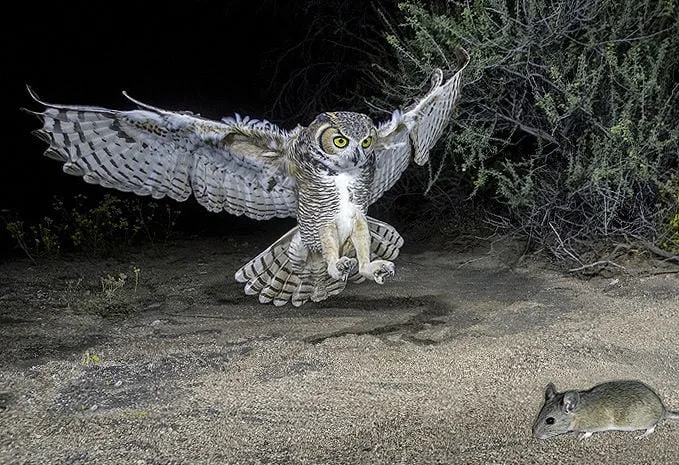
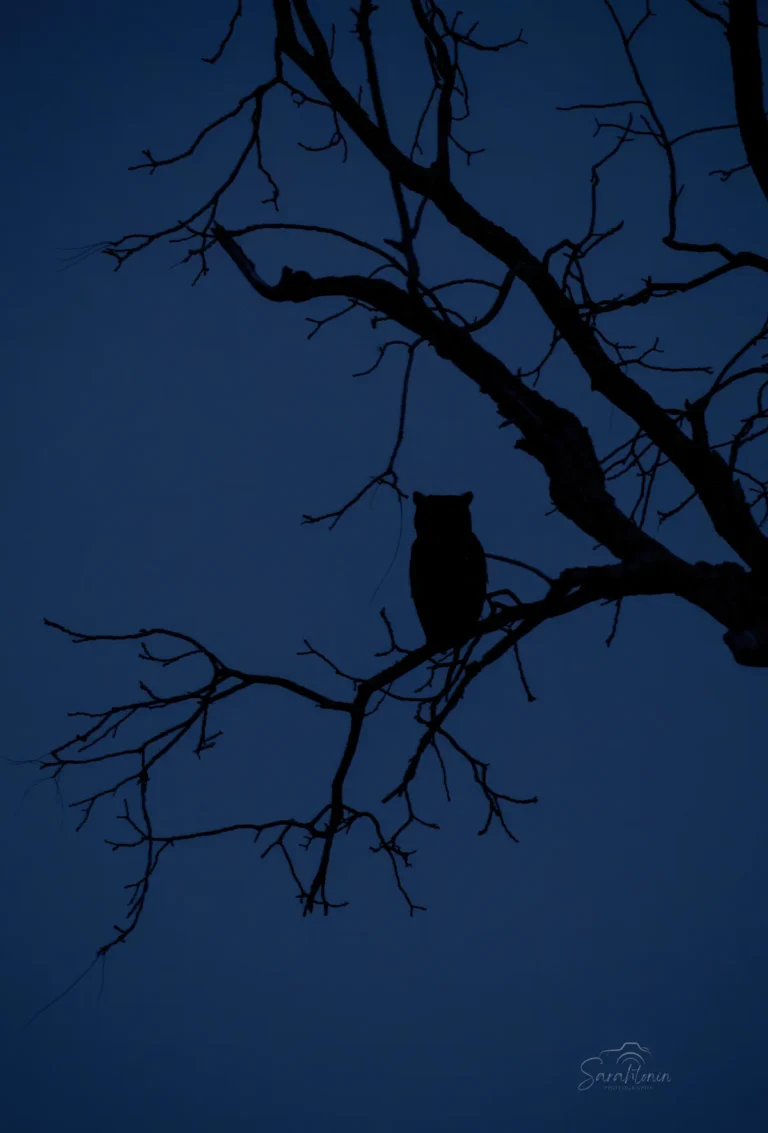
For anyone hoping to spot a Great Horned Owl nest, visuals are incredibly important. It’s not just about knowing where to look, but also what to look for. Generic descriptions can only go so far; seeing examples makes all the difference in understanding the subtle cues that give a nest away.
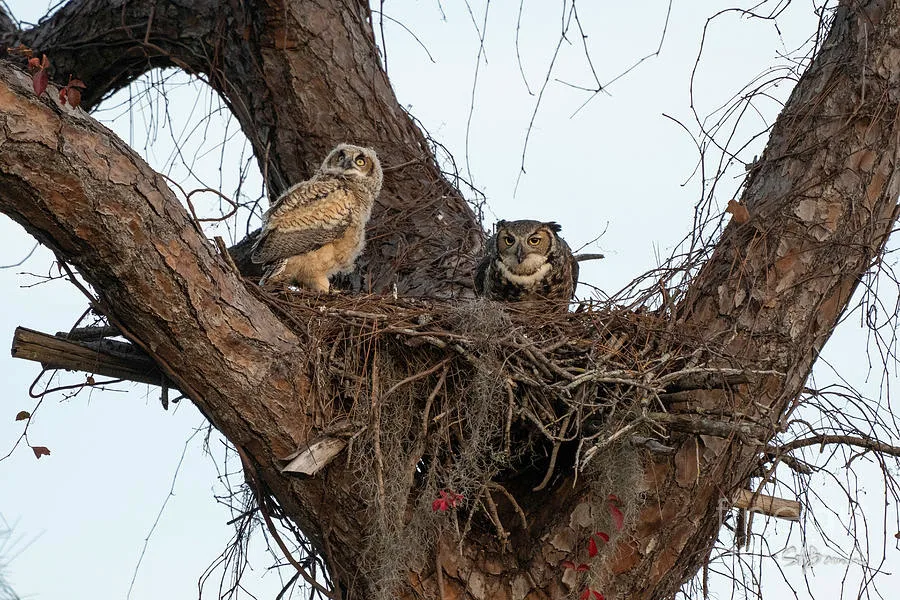
Image source: Bing (Web (fair-use with source credit))
The Power of Observation in Nest Finding
When you’re out in nature, whether for bird watching or just a hike, developing your observation skills is key. For Great Horned Owls, this means training your eye to notice not just the bird itself, but the environment it chooses. Their nesting habits are often about blending in.
Our research indicates that successful nest identification often relies on spotting the nest structure itself, which can be quite bulky and stick out against the sky or tree branches. It also involves recognizing the surrounding habitat that makes the spot attractive to the owls.
What Images Can Show You About Owl Nests
A photo can instantly convey the scale of an old hawk’s nest or the specific type of tree cavity an owl might favor. Images can highlight the camouflage of the owls against their nesting materials or the ruggedness of a cliff face that offers protection. Aggregate reviews from bird watchers often point to the value of visual guides for distinguishing between different types of raptor nests.
Where Great Horned Owls Prefer to Nest
Great Horned Owls are remarkably flexible when it comes to selecting a place to raise their young. This adaptability is a major reason for their wide distribution across the continent. While they might have preferred spots, they’ll make do with what’s available and safe.
The Classic Tree Nest
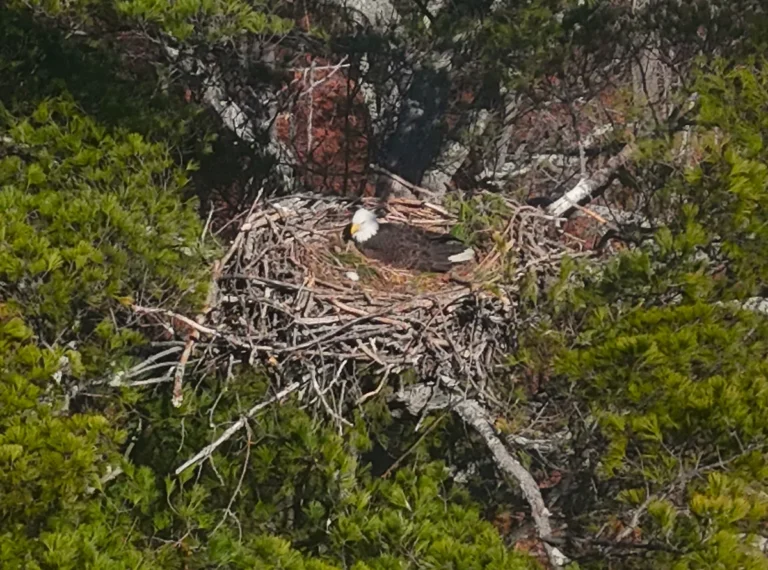
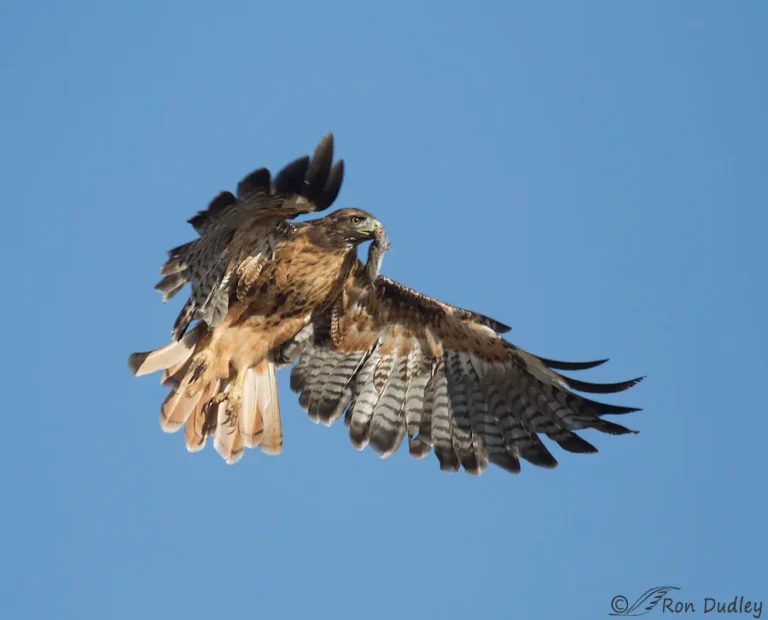
By far, the most common nesting choice for Great Horned Owls involves taking over abandoned nests built by other large birds. Think of old, bulky nests constructed by red-tailed hawks, crows, or even squirrels. These are usually found high up in mature trees, perched on sturdy, broad branches that can easily support the weight of the nest and the growing owlets.
These nests provide excellent elevation for spotting prey and offer concealment.
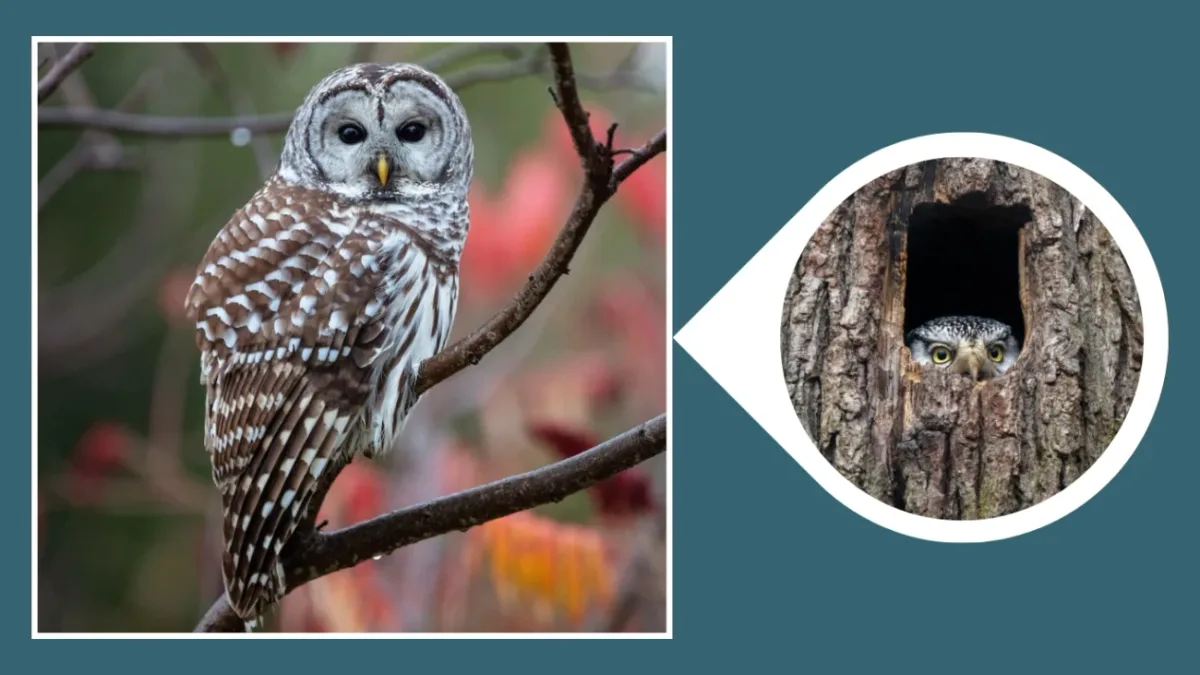
Image source: Web (Bing) / petdemy.com (Web image (fair-use with source credit))
Beyond Trees: Cavities, Ledges, and the Unexpected
While trees are a top choice, Great Horned Owls aren't limited to them. They will readily use natural tree cavities, especially those formed by rot or lightning strikes, if they offer enough space and protection. In more open, rocky terrain, ledges on cliffs or in canyons become prime real estate.
These natural formations provide a safe, elevated platform away from ground predators.

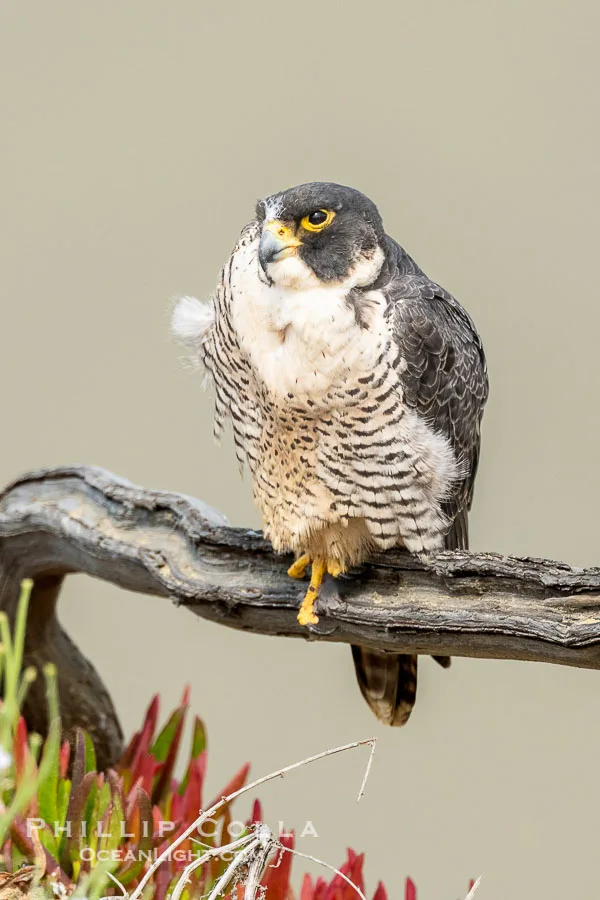
Image source: Web (Bing) / lookphotos.com (Web image (fair-use with source credit))
Beyond these more typical spots, Great Horned Owls have been known to nest in surprisingly varied locations. This can include abandoned buildings, old water towers, rock crevices, or even on the ground in areas with very dense undergrowth if they feel sufficiently hidden. Their willingness to use man-made structures highlights their opportunistic nature.
Key Features of a Great Horned Owl Nesting Site
Regardless of the specific type of structure they choose, Great Horned Owls look for certain consistent features in their nesting locations. These elements are crucial for their survival and the successful rearing of their offspring. Think of these as their "must-haves" when scouting for a nursery.
Height, Stability, and Vantage Points
A primary requirement for a Great Horned Owl nest site is adequate height. Being high off the ground offers a significant advantage by providing a clear, panoramic view of the surrounding territory. This elevated position is vital for hunting, allowing the owls to spot potential prey from a considerable distance.
It also offers protection from ground-dwelling predators like foxes or raccoons that might threaten eggs or young owlets.
The stability of the chosen site is equally important. A nest perched on flimsy branches or a precarious ledge is a non-starter. They need a secure foundation that can withstand wind, rain, and the eventual weight of multiple owlets.
This is why old, well-established nests in mature trees or solid rock formations are so appealing.
Camouflage and Cover: Blending In
Great Horned Owls also rely heavily on camouflage, both for themselves and their nesting location. Their mottled brown, gray, and white plumage provides excellent natural camouflage, allowing them to blend seamlessly with tree bark and shadows. Their nesting sites, whether they are bulky twig nests, dark cavities, or shadowed ledges, often complement this natural concealment.
The presence of adequate cover is another critical factor. Dense foliage from trees or surrounding brush can help obscure the nest from both predators and curious observers. This visual obscurity is not just about hiding from immediate threats but also about maintaining a sense of security that encourages the owls to stay and raise their young without undue stress.
Common Mistakes When Looking for Owl Nests
While the urge to find and observe a Great Horned Owl nest is understandable, especially for bird enthusiasts, there are common mistakes that can hinder success or, worse, harm the birds. Being aware of these pitfalls can help you be a more effective and responsible observer.
Misidentifying Nests
One of the most frequent errors is mistaking nests of other birds for those of Great Horned Owls. While owls often reuse old nests, many other large raptors, such as red-tailed hawks or ospreys, build substantial nests as well. Without a clear view of the owl itself or characteristic signs of owl activity (like a pellet pile directly below), it's easy to make an incorrect identification.
Remember, hawk nests can look very similar from a distance.
Disturbing Potential Sites
Perhaps the most significant mistake is disturbing a potential nesting site. Great Horned Owls are sensitive to human intrusion, especially when they are incubating eggs or caring for young owlets. Approaching too closely, making loud noises, or attempting to get a better look can cause the adult owls to abandon the nest.
This abandonment can lead to the loss of eggs or young birds. Official guidance from wildlife organizations consistently advises maintaining a considerable distance and refraining from any actions that might alert the nesting birds to your presence.
Expert Tips for Responsible Owl Nest Observation
Observing Great Horned Owls and their nesting habits requires a thoughtful approach. It's about appreciating these amazing creatures from a distance and ensuring your presence doesn't disrupt their vital breeding cycle. Following best practices helps protect both the owls and their habitat for future generations.
Timing Your Observations
The best time to observe nesting owls is generally during the incubation and early owlet stages, typically from late winter through early spring. During this period, the adult owls are most committed to their chosen site. It’s crucial to remember that they are most sensitive to disturbance then.
Avoid visiting potential nest sites during the initial egg-laying phase. Early observations should focus on identifying potential habitat features that owls might use, rather than directly seeking out active nests. Patience is key; sometimes, simply observing the behavior of adult owls in an area can indicate nesting activity without needing to locate the nest itself.
Minimizing Your Impact
When you do locate a potential or confirmed nesting site, maintaining a significant distance is paramount. Experts recommend staying at least 100 yards (about 91 meters) away. Use binoculars or a spotting scope for closer views without disturbing the birds.
Never approach the nest directly, especially if it's in a tree, as climbing or getting too close can easily cause the owls to abandon it.
Avoid making loud noises, such as shouting or playing music, which can stress the owls. Also, be mindful of your pets; keep dogs leashed and away from sensitive areas. If you're photographing, use a telephoto lens to capture images from afar.
The goal is observation, not interaction. Your responsible behavior ensures the owls can successfully raise their young.
Frequently Asked Questions About Great Horned Owl Nests
How do Great Horned Owls build their nests?
Great Horned Owls don't construct their own nests from scratch. They typically take over abandoned nests built by other large birds like hawks or crows. They may also utilize natural cavities in trees, rocky ledges, or even man-made structures.
When is the nesting season for Great Horned Owls?
The nesting season for Great Horned Owls usually begins quite early, often in late winter or early spring. Incubation can start as early as February in some regions. This early start allows them to raise their young before the peak of summer heat.
Can I find Great Horned Owl nests in urban areas?
Yes, Great Horned Owls are quite adaptable and can nest in urban or suburban environments. They might use trees in parks, cemeteries, or even on the grounds of industrial buildings if they find a suitable, undisturbed location with available prey.
How can I tell if a nest belongs to a Great Horned Owl?
Look for signs of adult owls frequenting a particular spot, especially during the nesting season. You might also find owl pellets (undigested remains of prey) beneath the nest. While they reuse nests, the presence of bulky twig structures or suitable cavities high up in mature trees is a strong indicator.
Is it legal to disturb an owl nest?
No, it is generally illegal to disturb active bird nests, including those of Great Horned Owls. In the United States, the Migratory Bird Treaty Act protects most native bird species and their nests from disturbance, harm, or capture. Always observe from a safe distance.
Understanding Owl Nesting Behavior
The nesting behavior of Great Horned Owls is a testament to their adaptability and survival instincts. Their choices about where to nest are dictated by a mix of environmental factors, predator avoidance, and the need for a strategic hunting platform. Understanding these behaviors offers a window into their ecological role and success.
These owls are not territorial in the same way some smaller birds are; rather, they utilize suitable hunting grounds that also offer appropriate nesting resources. Their ability to switch between different types of nesting sites, from abandoned nests to natural cavities, allows them to thrive in diverse habitats, from dense forests to open grasslands and even semi-arid regions. This behavioral flexibility is a hallmark of their species.