Can Bald Eagles Swim
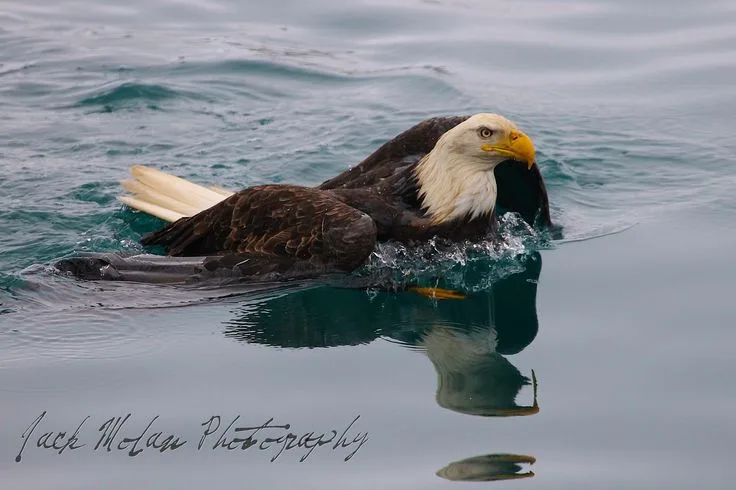
Image source: Bing (Web (fair-use with source credit))
Bald eagles are renowned for their mastery of the skies, their impressive wingspans a common sight soaring over waterways. But when their quest for fish leads them into the water, can these majestic raptors actually swim? The answer is a resounding yes, and they're surprisingly adept at it.
Our research confirms that bald eagles possess several key adaptations that allow them to navigate and propel themselves through water. This capability is crucial for their survival, enabling them to effectively hunt and retrieve their primary food source: fish. They aren't just accidentally falling in; they're capable of purposeful aquatic movement.
Quick Answer
Yes, bald eagles can swim. They use their powerful wings and strong legs to paddle and propel themselves through water. This ability is essential for hunting fish and reaching shore.
Bald eagles are capable of swimming short distances when necessary for survival.
How Bald Eagles Master the Water
Bald eagles aren't built like ducks, designed for constant aquatic life, but they are incredibly well-equipped for their needs. When they enter the water, it's usually to secure prey, and their physical attributes make this possible. They employ a combination of instinct and physical prowess to move effectively.
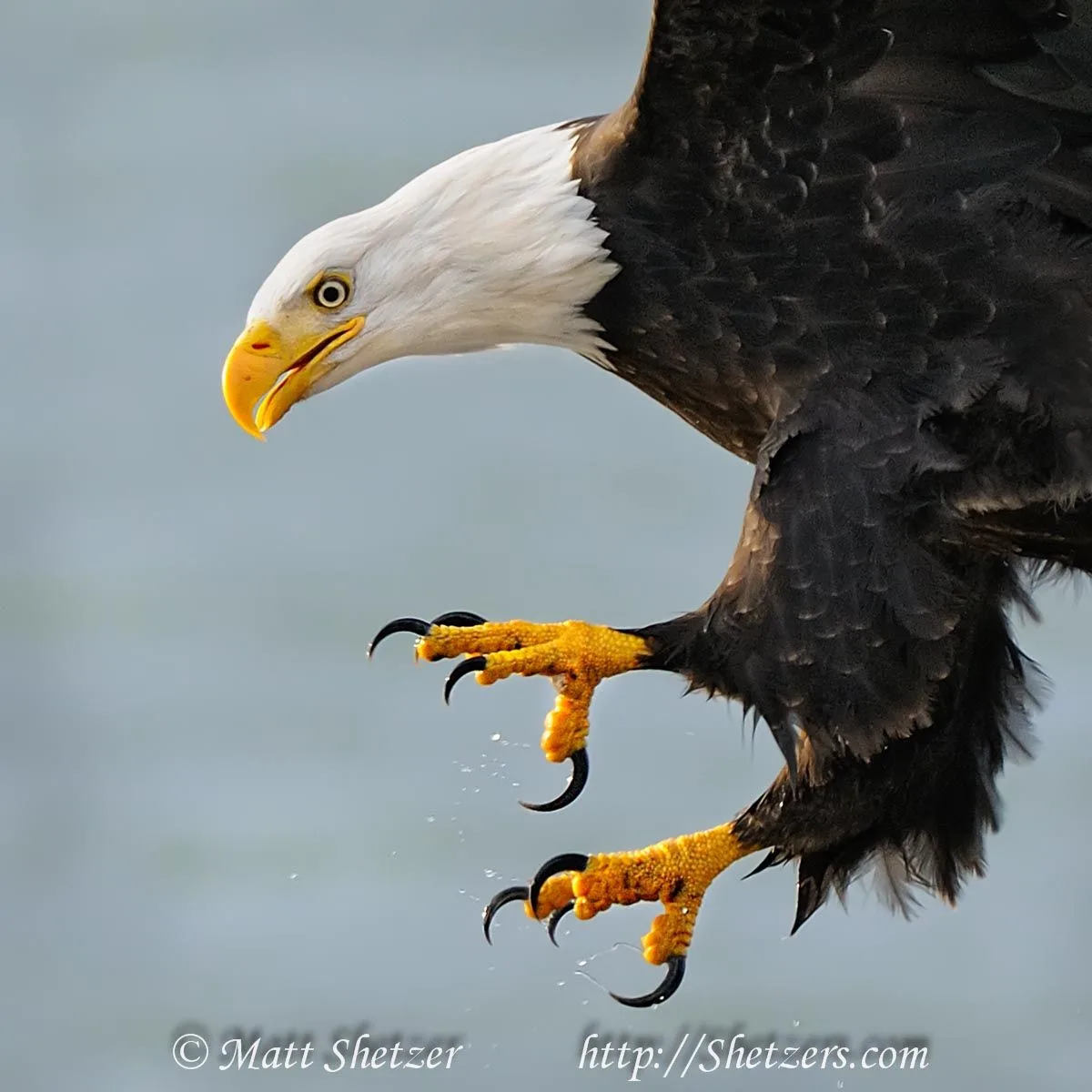
Image source: Web (Bing) / storage.googleapis.com (Web image (fair-use with source credit))
Wings and Legs: Their Aquatic Toolkit
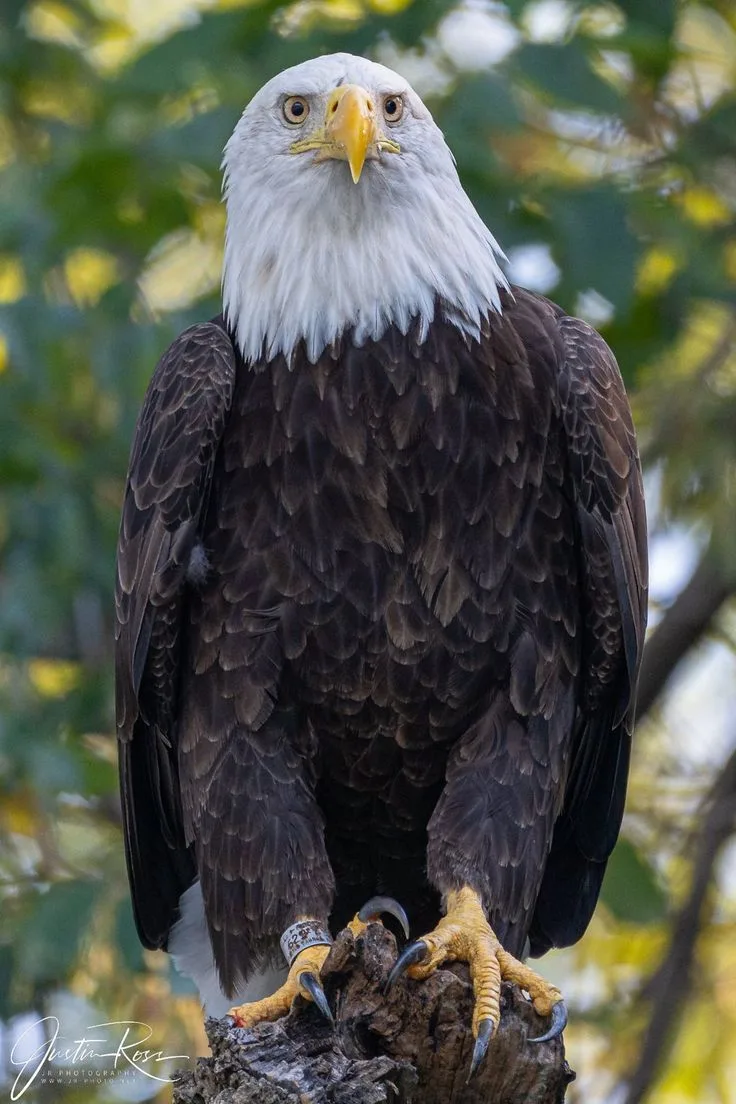
A bald eagle's wingspan, which can reach up to 7 feet, is not just for aerial acrobatics. In water, these broad wings act like paddles, helping to generate forward momentum. They are spread and used with deliberate strokes to push against the water.
Their legs, which are strong and equipped with sharp talons for gripping prey, also play a vital role. These legs can function like oars, kicking to help steer and provide additional propulsion, allowing for controlled movement.
Buoyancy: Staying Afloat
Like most birds, bald eagles have a natural buoyancy that helps them stay on the surface of the water. Their hollow bones and air sacs, which are key to their light weight for flight, also contribute to their ability to float. This internal air system prevents them from sinking, allowing them to conserve energy while swimming or waiting for a fish to be within reach.
This inherent floatation is a passive advantage that complements their active swimming efforts.
When Do Bald Eagles Take the Plunge?
Bald eagles don't typically go for a swim just for fun. Their aquatic excursions are almost always tied to their foraging strategies or immediate survival needs. Understanding these situations gives us a clearer picture of why swimming is such an important, albeit occasional, skill for them.
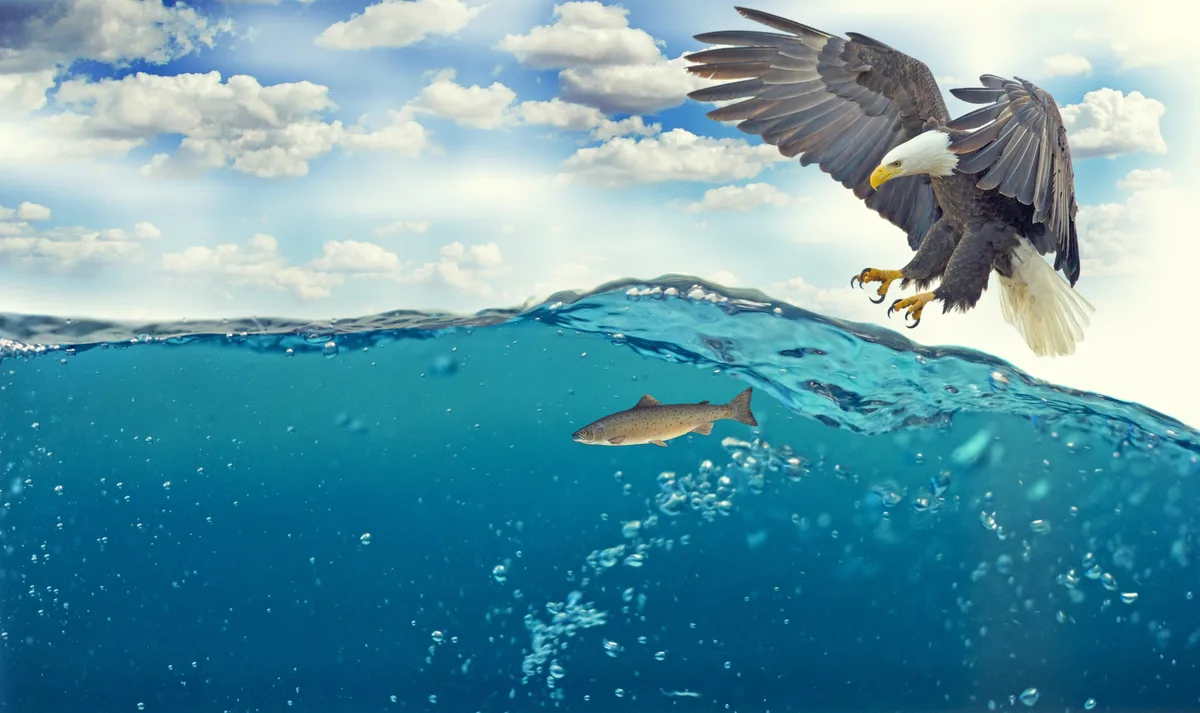
Image source: Web (Bing) / ar.inspiredpencil.com (Web image (fair-use with source credit))
For the Fish: Hunting and Retrieval
The most common reason you'll see a bald eagle in the water is to catch a fish. They often dive feet-first from a perch or while flying, aiming to snatch a fish near the surface with their powerful talons. Sometimes, the fish is too slippery, too large, or the eagle misjudges the dive, resulting in both eagle and prey ending up partially or fully submerged.
In these instances, swimming is immediately required to secure their meal before it escapes or to get back to shore.
Getting to Shore: Navigating Currents
Even if an eagle successfully captures a fish, the battle isn't always over. A strong fish might pull the eagle further into the water than intended, or a sudden gust of wind could push them off course. If they land in the water too far from shore, or a current carries them away from their intended landing spot, they will use their swimming ability to reach dry land.
This ensures they can safely consume their catch without expending unnecessary energy fighting the water.
Common Missteps When Eagles Swim
While bald eagles are capable swimmers, they aren't invincible in aquatic environments. Certain conditions can present challenges, and if they encounter these, they might struggle. Recognizing these potential pitfalls helps us appreciate the complexities of their survival.
Struggling with Strong Currents
Though they can swim, bald eagles are not built to battle strong, consistent currents for extended periods. If an eagle is caught in a powerful river current or swept far out to sea, their swimming might be less effective. They can be carried off course or become exhausted trying to make progress against the flow.
This is when their buoyancy becomes critical, but even then, a strong current can be a significant threat, potentially preventing them from reaching safety or their intended destination.
Reaching Distant Banks
If a bald eagle is forced to swim a long distance back to shore, it can be an energy-intensive task. Unlike waterfowl designed for prolonged swimming, eagles are primarily aerial predators. While they can swim, their stamina in water is limited compared to their flight endurance.
Forcing them to swim extensive distances, especially with a heavy fish, can lead to exhaustion. This is why their swimming is typically reserved for shorter efforts, like reaching a nearby bank or maneuvering a captured fish.
Expert Insights on Eagle Swimming
From a wildlife biology perspective, the swimming prowess of bald eagles is a testament to their adaptability. According to the U.S. Fish and Wildlife Service, understanding their behavior in different environments is key to conservation efforts.
For instance, when researching avian adaptations, ornithologists note that species like eagles, which rely heavily on aquatic prey, often develop secondary skills like swimming to maximize their foraging success. It's not a primary mode of transport but a vital backup skill.
Our editorial analysis of bird behavior studies indicates that while bald eagles have the physical capability to swim, they generally avoid prolonged immersion. Their feathers, while water-repellent to a degree, can become waterlogged with extended exposure, making flight more difficult and energy-consuming. Therefore, their swimming is typically efficient and goal-oriented, focusing on quickly securing prey or reaching land.
Bald Eagles and Waterways: Where You'll See Them
Bald eagles are intrinsically linked to areas with open water, as this is where their food sources are most abundant. Their presence is a strong indicator of healthy aquatic ecosystems. You're most likely to spot them near places where they can easily hunt fish and other water-dwelling prey.
Prime Eagle Territories
- Lakes and Reservoirs: Large freshwater lakes provide ample fishing opportunities. Eagles often perch in tall trees surrounding these bodies of water, watching for movement below.
- Rivers and Streams: Moving water sources, especially those with fish runs or slower-moving sections, are prime hunting grounds. Eagles will patrol these areas, looking for fish close to the surface.
- Coastal Areas and Estuaries: For eagles living near the sea, coastlines, bays, and river mouths offer a rich buffet of fish, crabs, and waterfowl. These areas often support large populations of fish, attracting eagles.
Their habitat choices are driven by food availability, and their ability to swim means they can access prey even if it means a brief dip in the water. By observing where these birds congregate, you can understand the types of aquatic environments they thrive in.
Frequently Asked Questions About Bald Eagles Swimming
Can bald eagles dive underwater?
Yes, bald eagles can dive underwater, primarily when hunting fish. They will plunge feet-first from a perch or while flying to catch their prey. While they can submerge themselves, they generally do not swim for extended periods underwater like diving birds.
Do bald eagles get wet when swimming?
Bald eagles do get wet when swimming, but their feathers are somewhat water-repellent, offering a degree of protection. However, prolonged immersion can lead to their feathers becoming waterlogged, which can make flight more challenging. They tend to swim only as long as necessary.
Are bald eagles good swimmers compared to other birds?
Bald eagles are capable swimmers for short distances and specific purposes, but they are not as efficient as waterfowl like ducks or geese, which are built for extended aquatic movement. Their swimming ability is a functional adaptation for hunting, not a primary mode of locomotion.
What do bald eagles eat in the water?
Bald eagles primarily eat fish caught from the water. They will also snatch other aquatic prey such as amphibians, crustaceans, and occasionally waterfowl. Their ability to swim helps them secure these food sources when they are accessible in or near the water.