How Long Do Red Tailed Hawks Live
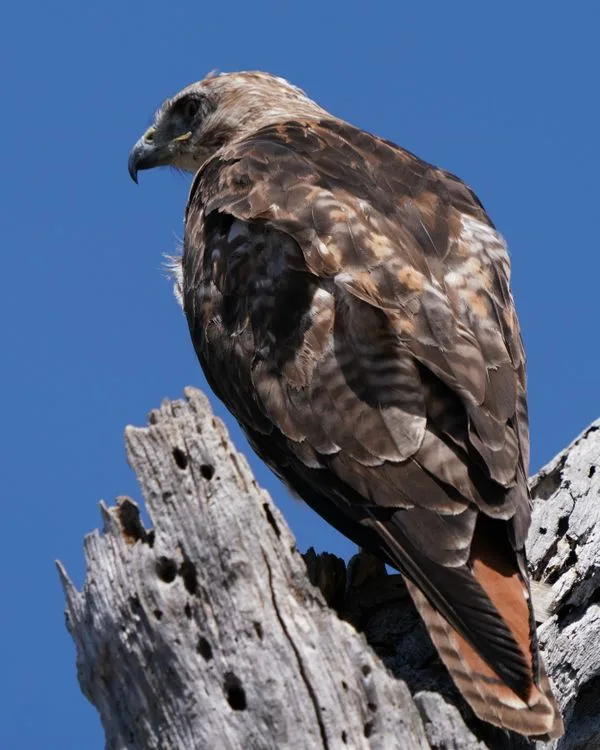
Image source: Bing (Web (fair-use with source credit))
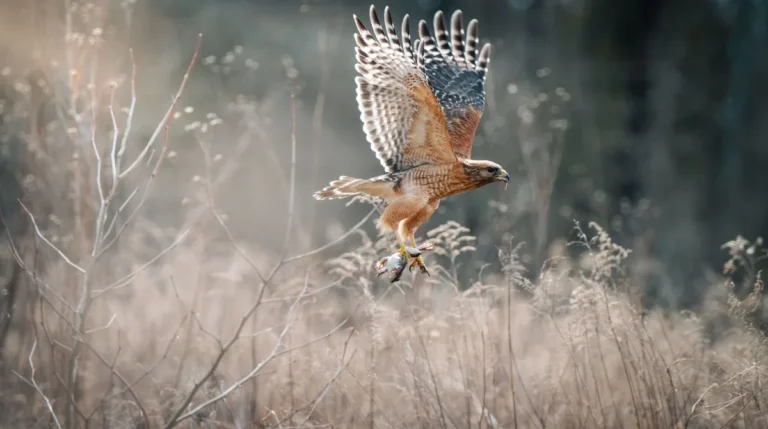
Ever seen a majestic red-tailed hawk soaring overhead and wondered about its life story? They're such incredible birds, and a common question I get is, "Just how long do these amazing raptors stick around?" It's a great question, and the answer isn't as simple as a single number.
Think of it like this: you wouldn't ask "how long does a human live?" and expect one answer, right? It depends on a lot of things. The same goes for red-tailed hawks, with wild individuals often living around 15 years, while some in captivity have been recorded reaching their mid-30s.
Quick Answer: Red-Tailed Hawk Lifespans
Red-tailed hawks typically live for about 15 years in the wild. However, with good conditions and luck, they can survive into their late 20s. In controlled environments like zoos or rehabilitation centers, their lifespan can extend significantly, often reaching 20 to 30 years, with some individuals living into their mid-30s.
Red-Tailed Hawks in the Wild: What's the Average?
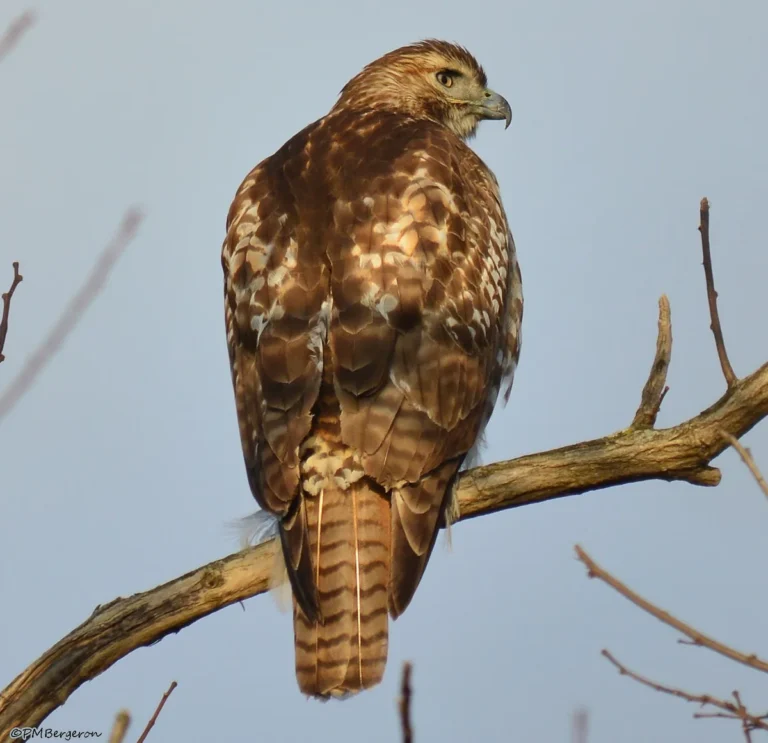
When we're talking about red-tailed hawks living out in nature, their lifespan can vary quite a bit. It's a survival game out there! In the wild, the average red-tailed hawk lives for around 15 years.
This number represents a broad average, considering all the challenges these birds face from birth to old age.
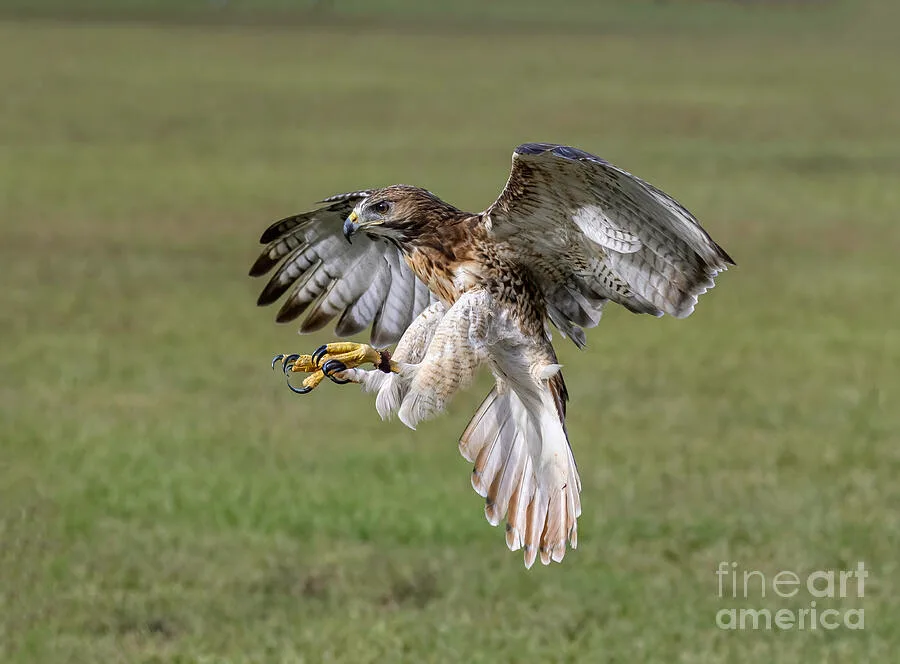
Image source: Bing (Web (fair-use with source credit))
However, some have been recorded living much, much longer, even into their late 20s. We've seen reports from organizations like the Cornell Lab of Ornithology indicating individuals reaching 29 years in the wild. That's pretty impressive when you consider everything they have to contend with.
Factors Affecting Wild Lifespan
Several key elements play a role in how long a wild red-tailed hawk survives:
- Food Availability: A consistent supply of prey, like mice, voles, and small birds, means a hawk stays healthier, has more energy, and can better withstand stressful periods. Lean years can significantly impact survival rates.
- Harsh Weather Conditions: Extreme weather, such as severe winters, prolonged droughts, or intense heatwaves, can stress hawks and reduce their ability to hunt, potentially shortening their lives.
- Predators: While adult red-tailed hawks have few natural predators, their young can be vulnerable to other animals, impacting the population's overall survival.
- Human Impact: Unfortunately, direct and indirect human activities, such as vehicle collisions, habitat destruction, and exposure to pesticides or poisons, are significant threats that can drastically reduce lifespan.
- Disease and Injury: Like all living creatures, red-tailed hawks are susceptible to diseases and injuries. Their ability to recover and continue hunting effectively after an illness or injury is critical for their survival.
Red-Tailed Hawks in Captivity: A Different Story
When red-tailed hawks are cared for in zoos, rehabilitation centers, or aviaries, their lives often look quite different from their wild counterparts. The controlled environment and dedicated care provide a level of security and support that significantly impacts their longevity.
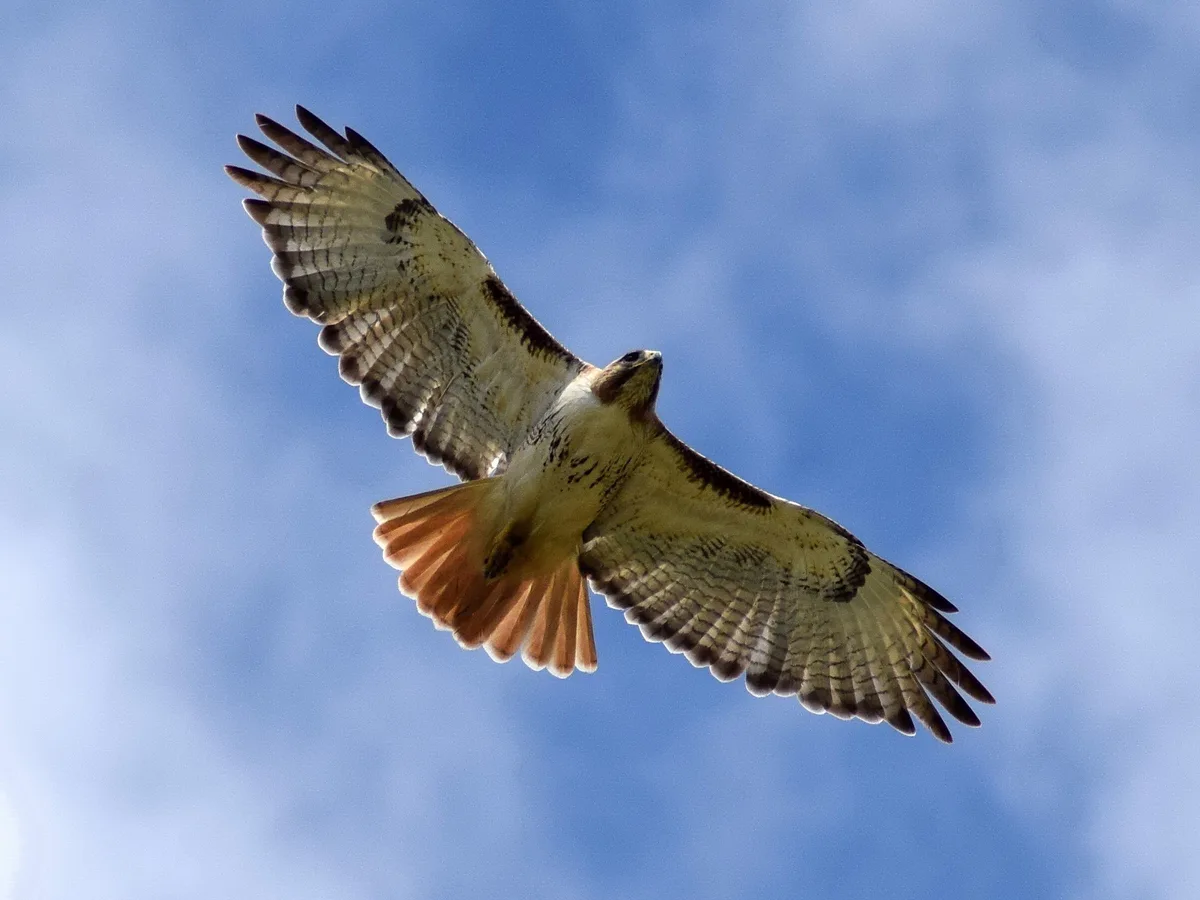
Image source: Web (Bing) / artsandsciences.syracuse.edu (Web image (fair-use with source credit))
The extended lifespans seen in captivity are a testament to the care these birds receive. Without the constant pressure of finding food, avoiding predators, and surviving harsh environmental conditions, their physiological stress is reduced. Veterinary science also plays a crucial role, addressing injuries and illnesses that would be fatal in the wild.
Lifespan in Zoos and Rehabilitation Centers
Because they are protected from predators, have a guaranteed and consistent food source, and receive veterinary care when they become ill or injured, captive hawks generally live longer. It's not uncommon for individuals in these settings to reach 20 to 30 years. Records from accredited zoological institutions often detail individuals living significantly longer than their wild counterparts, underscoring the impact of consistent care.
There are even instances of captive individuals living well into their mid-30s and beyond, as of 2026. This extended lifespan in captivity highlights the impact of consistent, high-quality care, including specialized diets and prompt medical intervention, allowing them to live closer to their biological maximum potential.
Why the Big Difference? Understanding the Factors
The stark contrast between the lifespans of wild and captive red-tailed hawks boils down to a complex interplay of environmental pressures versus supportive care. It's not just one thing; it's a combination of factors that dictate how long these magnificent birds will live.
In the wild, every day is a challenge. Hawks must constantly seek food, avoid dangers, and cope with unpredictable weather. This constant state of high alert and the physical demands of survival take a toll.
Food, Weather, and Health
Food availability is paramount. When prey is scarce, hawks expend more energy searching for meals, often leading to weakened bodies less able to fight off disease or injury. Weather also plays a critical role; severe storms or prolonged periods of extreme heat or cold can be deadly, especially for younger or weaker birds. Health is directly linked to these; a well-fed, healthy hawk is more resilient. However, even minor injuries in the wild can become life-threatening if they prevent hunting, leading to starvation or making the hawk an easier target for predators.
Human Impact and Threats
Beyond natural challenges, human impact is a significant factor shortening wild hawk lifespans. Vehicle collisions on roadways, where hawks often hunt for carrion or unsuspecting rodents, are a leading cause of mortality. Habitat loss and degradation due to development reduce hunting grounds and nesting sites, further stressing populations.
Additionally, unintentional poisoning from pesticides or rodenticides that move up the food chain can be devastating.
In contrast, captive environments mitigate these threats. Zoos and wildlife rehabilitation centers provide regular, nutritious meals, ensuring hawks don't face starvation. They offer shelter from extreme weather and immediate veterinary attention for injuries or illnesses.
While human interaction is present, it's typically managed to minimize stress and prevent direct harm. This consistent, protective environment allows red-tailed hawks to reach their full genetic potential for longevity, as documented by organizations like the U.S. Fish and Wildlife Service.
Real-World Observations and Records
Looking at actual data collected over years of observation and care provides the clearest picture of red-tailed hawk lifespans. These records, meticulously kept by ornithologists, wildlife rehabilitators, and zoo professionals, offer tangible evidence of their longevity.
Longest-Lived Wild Hawks
While the average lifespan in the wild is around 15 years, documented cases of exceptionally long-lived wild red-tailed hawks exist. These individuals have managed to navigate the perils of nature for decades. Researchers have banded and tracked birds, with some reports from the Cornell Lab of Ornithology noting wild individuals reaching ages approaching 30 years.
These outliers are testaments to exceptional survival skills, consistent access to resources, and perhaps a bit of luck in avoiding the many dangers they face.
Longest-Lived Captive Hawks
The difference becomes even more pronounced when examining records from captive populations. In accredited zoos and wildlife sanctuaries, where health is monitored and threats are minimized, red-tailed hawks frequently surpass their wild counterparts. It is not uncommon for these birds to live well into their mid-20s and 30s.
For instance, records may show specific individuals living for 32 or 34 years. This extended lifespan in captivity highlights the impact of consistent, high-quality care, including specialized diets and prompt medical intervention, allowing them to live closer to their biological maximum potential.
Frequently Asked Questions About Red-Tailed Hawk Lifespans
What is the main reason wild hawks die young?
The primary reasons wild red-tailed hawks die young are vehicle collisions, habitat loss leading to starvation, and accidental poisoning from environmental contaminants. These human-induced factors often have a more significant impact than natural predation on adult birds.
Do red-tailed hawks mate for life?
Red-tailed hawks generally mate for life, but they will find new mates if their original partner dies. Their social bonds are strong, and successful breeding pairs often stay together for many years, contributing to their overall survival and potential lifespan.
Can a red-tailed hawk recover from a broken wing?
Yes, a red-tailed hawk can potentially recover from a broken wing, especially if it receives prompt veterinary care in a rehabilitation setting. Without such care, a broken wing in the wild is often fatal as it prevents hunting and makes the bird vulnerable.
Are red-tailed hawks endangered?
No, red-tailed hawks are not considered endangered. They are one of the most common and widespread raptors in North America and are listed as a species of least concern by conservation organizations, though local populations can face threats.
Final Thoughts: Appreciating Their Journey
The lifespan of a red-tailed hawk is a fascinating blend of resilience and vulnerability. While an average of 15 years in the wild is impressive, the potential for much longer life in captivity underscores the impact of environmental factors and dedicated care.
Observing these birds, whether soaring overhead or featured in educational programs, offers a chance to appreciate their journey. Understanding how long they live, and why, helps us better value and protect these incredible raptors. It's a reminder that their survival is often intertwined with our actions and the health of the ecosystems they inhabit.