Where Do American Robins Nest
Figuring out where do American robins nest can be a delightful puzzle for anyone curious about backyard wildlife. These familiar birds, with their cheerful songs and striking orange breasts, are masters of finding safe havens for their families. They're incredibly adaptable, choosing spots that offer both security from predators and proximity to their food sources.
Research shows that American Robins typically build their nests at heights ranging from 5 to 15 feet off the ground. Understanding their preferred environments and the visual cues they look for is key to spotting their nests and appreciating their nesting habits.
Quick Answer: Where Do American Robins Nest?
American robins nest in trees, shrubs, and on man-made structures. They prefer locations offering protection and support. These spots include tree branches, dense bushes, building ledges, and eaves.
Nesting Spots in Nature: From Trees to Shrubs
Robins have a deep connection to natural environments, and trees and shrubs are their longstanding favorites. They're not picky about which type of tree, but they do have preferences for how the nest is situated.
Trees: You'll often find robin nests nestled in the forks of branches or on sturdy boughs, usually between 5 and 15 feet from the ground. They seem to favor deciduous trees that offer good leaf cover in the summer, but they'll use evergreens too. The key is a secure spot that feels sheltered.
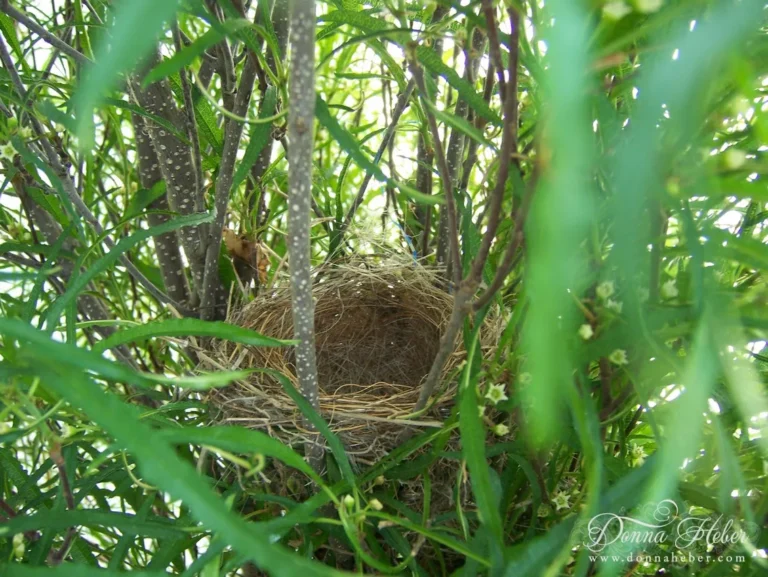
Shrubs: Large, dense shrubs provide excellent camouflage and protection. Think of a thick lilac bush or a mature rhododendron where the branches are so interwoven you can barely see through them. These provide a hidden world for the nesting robins.
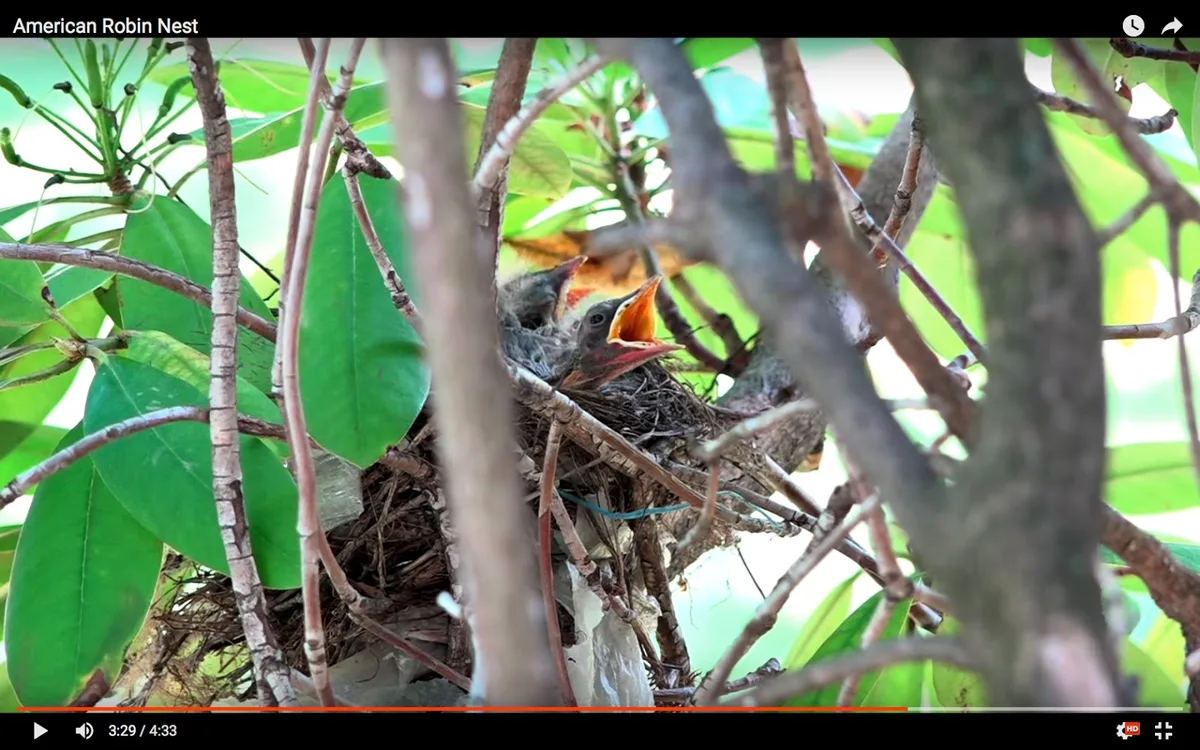
Image source: Bing (Web (fair-use with source credit))
The visual appeal of these natural sites lies in their inherent structure. A branch that forks offers a natural cradle, while dense foliage acts like a living curtain, shielding the nest from view and weather. It’s about finding a spot that feels both stable and secluded.
Nesting Spots Near Us: Buildings and Backyard Finds
Beyond the wilder parts of our landscapes, American robins have become quite adept at nesting in human-altered environments. This adaptability is a major reason for their widespread success across North America. They've learned to see our structures as suitable alternatives to natural nesting sites.
Buildings: Many robins opt for ledges, eaves, window sills, or the protective overhangs of houses, garages, and sheds. These spots offer a solid base and often a degree of shelter from rain and wind. It’s like finding a ready-made shelf that’s perfectly positioned.
Other Structures: Don't be surprised if you find a robin nest in unexpected places. They've been known to build in old watering cans, forgotten flower pots on porches, or even on the frame of outdoor furniture if it feels secure and hidden enough. They're incredibly resourceful when it comes to finding a safe place to lay their eggs.
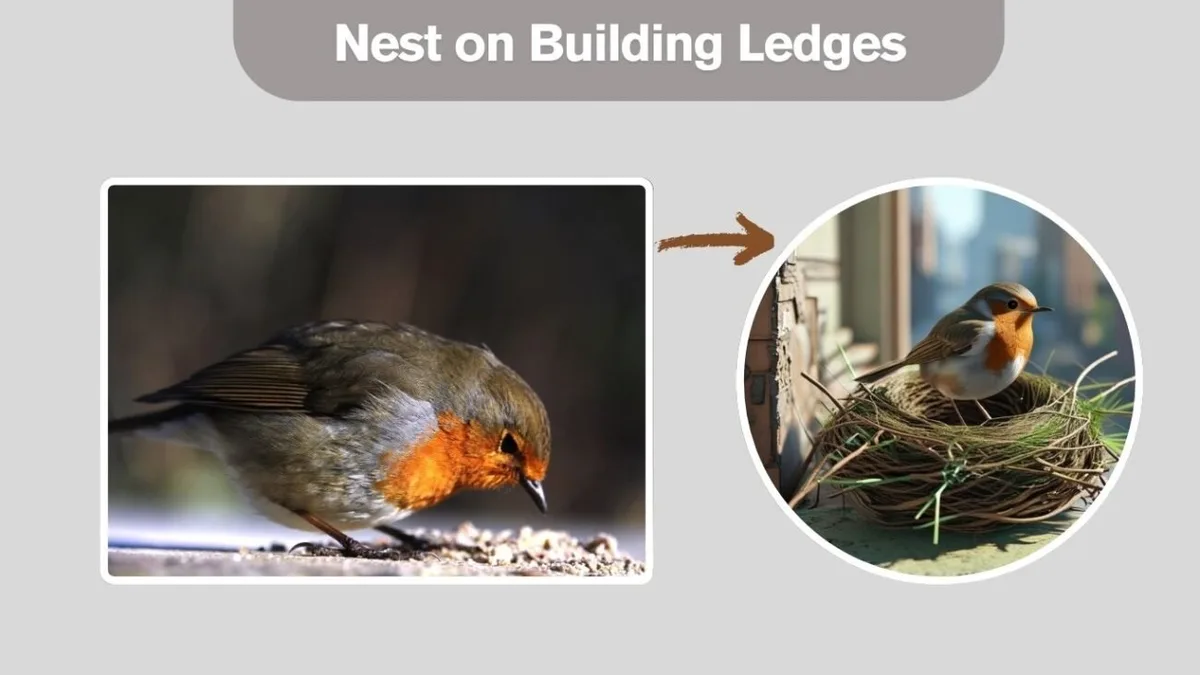
Image source: Bing (Web (fair-use with source credit))
This willingness to nest near us means you might find them in places you wouldn't expect. It’s a testament to their ability to coexist with humans, provided they have a safe place to raise their young. As of 2026, these urban and suburban nesting habits continue to be well-documented.
Quick Look: What Robins Look For in a Home
When a robin is scouting for a nesting spot, it's essentially looking for a few critical features that ensure the safety and success of its brood. It's not a complex checklist, but each item is vital for survival.
- Protection: The primary concern is safety from predators like cats, squirrels, and larger birds. This means the nest needs to be hidden or elevated enough to deter casual threats.
- Support: The nest must be firmly attached to a stable structure, whether it's a tree branch, a shrub trunk, or a building ledge. A wobbly nest is a recipe for disaster.
- Convenient Location: Being within easy flying distance of food sources (like lawns for worms) and water is a significant advantage. They don't want to have to travel too far for essentials.
- Shelter from Elements: Protection from harsh sun, strong winds, and heavy rain is also a factor. A good spot will offer some natural or man-made cover.
These elements combine to create an ideal nesting site. It’s a balance between concealment and accessibility, stability and proximity to resources.
Nesting Spots in Trees: A Deeper Dive
Trees are classic, and for good reason, when it comes to American robin nesting. They offer a combination of height, natural structure, and foliage that robins find highly appealing for raising their young. Understanding the specifics can help you identify potential nesting trees in your area.
Branch Structure: Robins often choose branches that fork, providing a natural cradle for their cup-shaped nests. They might also build on a horizontal branch, particularly if it's well-supported and has some overhead cover. The nest needs to feel secure, as if it's literally held in place.
Height: While research indicates a typical range of 5 to 15 feet, this isn't a rigid rule. You might find nests slightly lower or higher depending on the specific tree and its surroundings. The important factor is that this height generally offers a good balance of protection from ground predators and accessibility for the parent birds.
Foliage Cover: Leafy branches are a big draw. In spring and summer, the dense canopy of a mature tree provides excellent camouflage, hiding the nest from sharp eyes. This visual screening is crucial for preventing discovery by predators.
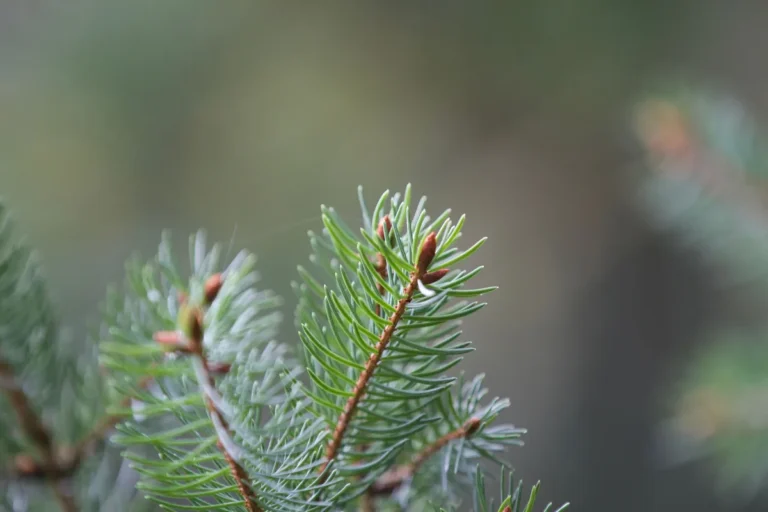
Tree Types: Both deciduous trees (like maples, oaks, and elms) and coniferous trees (like pines and spruces) can host robin nests. The robins aren't usually particular about the species as much as the structural and concealment qualities the tree offers.
When you observe a tree, look for those slightly hidden spots where a branch meets the trunk, or where a cluster of branches provides a natural nook. Often, the nest is placed where it’s somewhat obscured but still allows the parent birds easy access.
Nesting Spots in Shrubs: The Dense Hideaways
Shrubs offer a different, yet equally effective, type of nesting environment for American robins. Their dense, twiggy structure can create incredibly well-hidden sanctuaries, making them a prime choice for many breeding pairs.
Bushy Structure: The key appeal of shrubs is their thickness. Multiple branches and dense leaves create a tangled matrix that’s perfect for concealing a nest. It’s harder for predators to get a clear line of sight into the interior of a large, bushy shrub.
Branch Support: Robins will build their nests within the shrub, often using the thicker, woody stems as anchor points. The nest is typically situated among the branches, sometimes about halfway up the shrub's height.
Protection from Elements: The dense foliage of a shrub also offers good protection from direct sunlight, wind, and rain. This creates a more stable microclimate for the delicate eggs and young chicks.
Ideal Shrubs: Popular choices include large, mature shrubs like lilacs, rhododendrons, viburnums, and even dense ornamental bushes. The size and density are more important than the specific plant species.
Think of the kind of shrub where you might have to push branches aside to see the main stem. That's the kind of cover a robin might find ideal. It provides security and a sense of privacy for the parents during this critical nesting period.
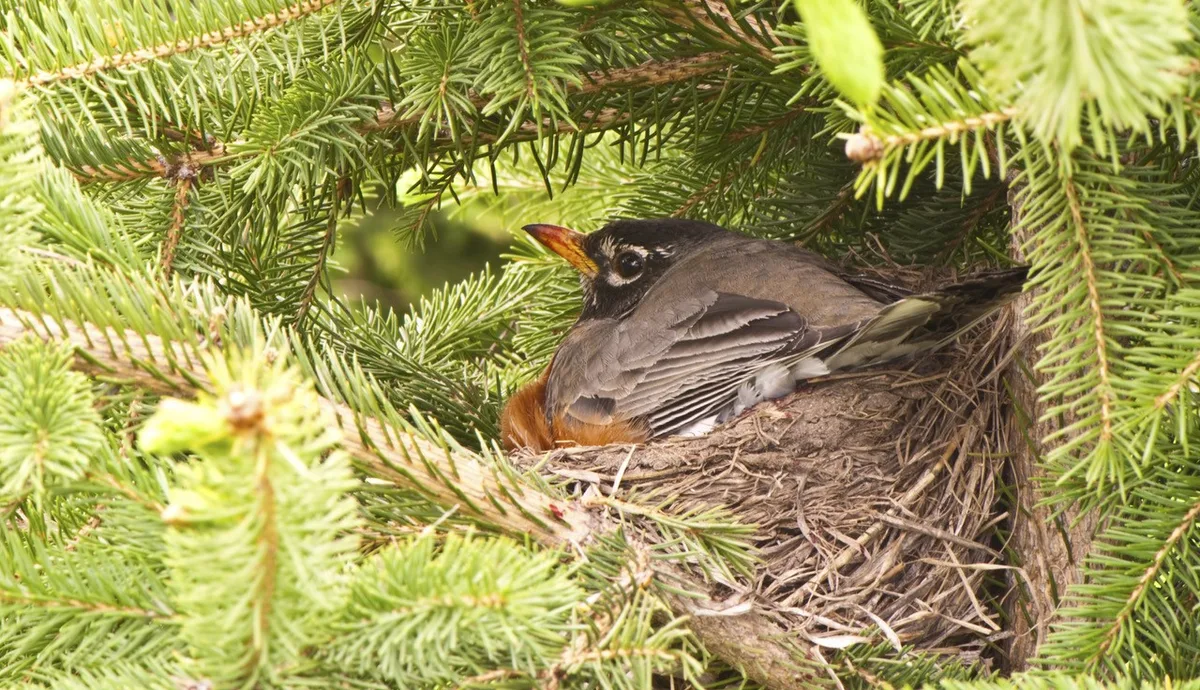
Image source: Bing (Web (fair-use with source credit))
Quick Answer: Where Do American Robins Nest?
American robins nest in trees, shrubs, and on man-made structures. They prefer locations offering protection and support. These spots include tree branches, dense bushes, building ledges, and eaves.
Nesting Spots in Nature: From Trees to Shrubs
Robins have a deep connection to natural environments, and trees and shrubs are their longstanding favorites. They're not picky about which type of tree, but they do have preferences for how the nest is situated.
Trees: You'll often find robin nests nestled in the forks of branches or on sturdy boughs, usually between 5 and 15 feet from the ground. They seem to favor deciduous trees that offer good leaf cover in the summer, but they'll use evergreens too. The key is a secure spot that feels sheltered.
Shrubs: Large, dense shrubs provide excellent camouflage and protection. Think of a thick lilac bush or a mature rhododendron where the branches are so interwoven you can barely see through them. These provide a hidden world for the nesting robins.
Image source: Bing (Web (fair-use with source credit))
The visual appeal of these natural sites lies in their inherent structure. A branch that forks offers a natural cradle, while dense foliage acts like a living curtain, shielding the nest from view and weather. It’s about finding a spot that feels both stable and secluded.
Nesting Spots Near Us: Buildings and Backyard Finds
Beyond the wilder parts of our landscapes, American robins have become quite adept at nesting in human-altered environments. This adaptability is a major reason for their widespread success across North America. They've learned to see our structures as suitable alternatives to natural nesting sites.
Buildings: Many robins opt for ledges, eaves, window sills, or the protective overhangs of houses, garages, and sheds. These spots offer a solid base and often a degree of shelter from rain and wind. It’s like finding a ready-made shelf that’s perfectly positioned.
Other Structures: Don't be surprised if you find a robin nest in unexpected places. They've been known to build in old watering cans, forgotten flower pots on porches, or even on the frame of outdoor furniture if it feels secure and hidden enough. They're incredibly resourceful when it comes to finding a safe place to lay their eggs.
Image source: Bing (Web (fair-use with source credit))
This willingness to nest near us means you might find them in places you wouldn't expect. It’s a testament to their ability to coexist with humans, provided they have a safe place to raise their young. As of 2026, these urban and suburban nesting habits continue to be well-documented.
Quick Look: What Robins Look For in a Home
When a robin is scouting for a nesting spot, it's essentially looking for a few critical features that ensure the safety and success of its brood. It's not a complex checklist, but each item is vital for survival.
- Protection: The primary concern is safety from predators like cats, squirrels, and larger birds. This means the nest needs to be hidden or elevated enough to deter casual threats.
- Support: The nest must be firmly attached to a stable structure, whether it's a tree branch, a shrub trunk, or a building ledge. A wobbly nest is a recipe for disaster.
- Convenient Location: Being within easy flying distance of food sources (like lawns for worms) and water is a significant advantage. They don't want to have to travel too far for essentials.
- Shelter from Elements: Protection from harsh sun, strong winds, and heavy rain is also a factor. A good spot will offer some natural or man-made cover.
These elements combine to create an ideal nesting site. It’s a balance between concealment and accessibility, stability and proximity to resources.
Nesting Spots in Trees: A Deeper Dive
Trees are classic, and for good reason, when it comes to American robin nesting. They offer a combination of height, natural structure, and foliage that robins find highly appealing for raising their young. Understanding the specifics can help you identify potential nesting trees in your area.
Branch Structure: Robins often choose branches that fork, providing a natural cradle for their cup-shaped nests. They might also build on a horizontal branch, particularly if it's well-supported and has some overhead cover. The nest needs to feel secure, as if it's literally held in place.
Height: While research indicates a typical range of 5 to 15 feet, this isn't a rigid rule. You might find nests slightly lower or higher depending on the specific tree and its surroundings. The important factor is that this height generally offers a good balance of protection from ground predators and accessibility for the parent birds.
Foliage Cover: Leafy branches are a big draw. In spring and summer, the dense canopy of a mature tree provides excellent camouflage, hiding the nest from sharp eyes. This visual screening is crucial for preventing discovery by predators.
Tree Types: Both deciduous trees (like maples, oaks, and elms) and coniferous trees (like pines and spruces) can host robin nests. The robins aren't usually particular about the species as much as the structural and concealment qualities the tree offers.
When you observe a tree, look for those slightly hidden spots where a branch meets the trunk, or where a cluster of branches provides a natural nook. Often, the nest is placed where it’s somewhat obscured but still allows the parent birds easy access.
Nesting Spots in Shrubs: The Dense Hideaways
Shrubs offer a different, yet equally effective, type of nesting environment for American robins. Their dense, twiggy structure can create incredibly well-hidden sanctuaries, making them a prime choice for many breeding pairs.
Bushy Structure: The key appeal of shrubs is their thickness. Multiple branches and dense leaves create a tangled matrix that’s perfect for concealing a nest. It’s harder for predators to get a clear line of sight into the interior of a large, bushy shrub.
Branch Support: Robins will build their nests within the shrub, often using the thicker, woody stems as anchor points. The nest is typically situated among the branches, sometimes about halfway up the shrub's height.
Protection from Elements: The dense foliage of a shrub also offers good protection from direct sunlight, wind, and rain. This creates a more stable microclimate for the delicate eggs and young chicks.
Ideal Shrubs: Popular choices include large, mature shrubs like lilacs, rhododendrons, viburnums, and even dense ornamental bushes. The size and density are more important than the specific plant species.
Think of the kind of shrub where you might have to push branches aside to see the main stem. That's the kind of cover a robin might find ideal. It provides security and a sense of privacy for the parents during this critical nesting period.
Quick Answer: Where Do American Robins Nest?
American robins nest in trees, shrubs, and on man-made structures. They prefer locations offering protection and support. These spots include tree branches, dense bushes, building ledges, and eaves.
Nesting Spots in Nature: From Trees to Shrubs
Robins have a deep connection to natural environments, and trees and shrubs are their longstanding favorites. They're not picky about which type of tree, but they do have preferences for how the nest is situated.
Trees: You'll often find robin nests nestled in the forks of branches or on sturdy boughs, usually between 5 and 15 feet from the ground. They seem to favor deciduous trees that offer good leaf cover in the summer, but they'll use evergreens too. The key is a secure spot that feels sheltered.
Shrubs: Large, dense shrubs provide excellent camouflage and protection. Think of a thick lilac bush or a mature rhododendron where the branches are so interwoven you can barely see through them. These provide a hidden world for the nesting robins.
Image source: Bing (Web (fair-use with source credit))
The visual appeal of these natural sites lies in their inherent structure. A branch that forks offers a natural cradle, while dense foliage acts like a living curtain, shielding the nest from view and weather. It’s about finding a spot that feels both stable and secluded.
Nesting Spots Near Us: Buildings and Backyard Finds
Beyond the wilder parts of our landscapes, American robins have become quite adept at nesting in human-altered environments. This adaptability is a major reason for their widespread success across North America. They've learned to see our structures as suitable alternatives to natural nesting sites.
Buildings: Many robins opt for ledges, eaves, window sills, or the protective overhangs of houses, garages, and sheds. These spots offer a solid base and often a degree of shelter from rain and wind. It’s like finding a ready-made shelf that’s perfectly positioned.
Other Structures: Don't be surprised if you find a robin nest in unexpected places. They've been known to build in old watering cans, forgotten flower pots on porches, or even on the frame of outdoor furniture if it feels secure and hidden enough. They're incredibly resourceful when it comes to finding a safe place to lay their eggs.
Image source: Bing (Web (fair-use with source credit))
This willingness to nest near us means you might find them in places you wouldn't expect. It’s a testament to their ability to coexist with humans, provided they have a safe place to raise their young. As of 2026, these urban and suburban nesting habits continue to be well-documented.
Quick Look: What Robins Look For in a Home
When a robin is scouting for a nesting spot, it's essentially looking for a few critical features that ensure the safety and success of its brood. It's not a complex checklist, but each item is vital for survival.
- Protection: The primary concern is safety from predators like cats, squirrels, and larger birds. This means the nest needs to be hidden or elevated enough to deter casual threats.
- Support: The nest must be firmly attached to a stable structure, whether it's a tree branch, a shrub trunk, or a building ledge. A wobbly nest is a recipe for disaster.
- Convenient Location: Being within easy flying distance of food sources (like lawns for worms) and water is a significant advantage. They don't want to have to travel too far for essentials.
- Shelter from Elements: Protection from harsh sun, strong winds, and heavy rain is also a factor. A good spot will offer some natural or man-made cover.
These elements combine to create an ideal nesting site. It’s a balance between concealment and accessibility, stability and proximity to resources.
Nesting Spots in Trees: A Deeper Dive
Trees are classic, and for good reason, when it comes to American robin nesting. They offer a combination of height, natural structure, and foliage that robins find highly appealing for raising their young. Understanding the specifics can help you identify potential nesting trees in your area.
Branch Structure: Robins often choose branches that fork, providing a natural cradle for their cup-shaped nests. They might also build on a horizontal branch, particularly if it's well-supported and has some overhead cover. The nest needs to feel secure, as if it's literally held in place.
Height: While research indicates a typical range of 5 to 15 feet, this isn't a rigid rule. You might find nests slightly lower or higher depending on the specific tree and its surroundings. The important factor is that this height generally offers a good balance of protection from ground predators and accessibility for the parent birds.
Foliage Cover: Leafy branches are a big draw. In spring and summer, the dense canopy of a mature tree provides excellent camouflage, hiding the nest from sharp eyes. This visual screening is crucial for preventing discovery by predators.
Tree Types: Both deciduous trees (like maples, oaks, and elms) and coniferous trees (like pines and spruces) can host robin nests. The robins aren't usually particular about the species as much as the structural and concealment qualities the tree offers.
When you observe a tree, look for those slightly hidden spots where a branch meets the trunk, or where a cluster of branches provides a natural nook. Often, the nest is placed where it’s somewhat obscured but still allows the parent birds easy access.
Nesting Spots in Shrubs: The Dense Hideaways
Shrubs offer a different, yet equally effective, type of nesting environment for American robins. Their dense, twiggy structure can create incredibly well-hidden sanctuaries, making them a prime choice for many breeding pairs.
Bushy Structure: The key appeal of shrubs is their thickness. Multiple branches and dense leaves create a tangled matrix that’s perfect for concealing a nest. It’s harder for predators to get a clear line of sight into the interior of a large, bushy shrub.
Branch Support: Robins will build their nests within the shrub, often using the thicker, woody stems as anchor points. The nest is typically situated among the branches, sometimes about halfway up the shrub's height.
Protection from Elements: The dense foliage of a shrub also offers good protection from direct sunlight, wind, and rain. This creates a more stable microclimate for the delicate eggs and young chicks.
Ideal Shrubs: Popular choices include large, mature shrubs like lilacs, rhododendrons, viburnums, and even dense ornamental bushes. The size and density are more important than the specific plant species.
Think of the kind of shrub where you might have to push branches aside to see the main stem. That's the kind of cover a robin might find ideal. It provides security and a sense of privacy for the parents during this critical nesting period.
Quick Answer: Where Do American Robins Nest?
American robins nest in trees, shrubs, and on man-made structures. They prefer locations offering protection and support. These spots include tree branches, dense bushes, building ledges, and eaves.
Nesting Spots in Nature: From Trees to Shrubs
Robins have a deep connection to natural environments, and trees and shrubs are their longstanding favorites. They're not picky about which type of tree, but they do have preferences for how the nest is situated.
Trees: You'll often find robin nests nestled in the forks of branches or on sturdy boughs, usually between 5 and 15 feet from the ground. They seem to favor deciduous trees that offer good leaf cover in the summer, but they'll use evergreens too. The key is a secure spot that feels sheltered.
Shrubs: Large, dense shrubs provide excellent camouflage and protection. Think of a thick lilac bush or a mature rhododendron where the branches are so interwoven you can barely see through them. These provide a hidden world for the nesting robins.
Image source: Bing (Web (fair-use with source credit))
The visual appeal of these natural sites lies in their inherent structure. A branch that forks offers a natural cradle, while dense foliage acts like a living curtain, shielding the nest from view and weather. It’s about finding a spot that feels both stable and secluded.
Nesting Spots Near Us: Buildings and Backyard Finds
Beyond the wilder parts of our landscapes, American robins have become quite adept at nesting in human-altered environments. This adaptability is a major reason for their widespread success across North America. They've learned to see our structures as suitable alternatives to natural nesting sites.
Buildings: Many robins opt for ledges, eaves, window sills, or the protective overhangs of houses, garages, and sheds. These spots offer a solid base and often a degree of shelter from rain and wind. It’s like finding a ready-made shelf that’s perfectly positioned.
Other Structures: Don't be surprised if you find a robin nest in unexpected places. They've been known to build in old watering cans, forgotten flower pots on porches, or even on the frame of outdoor furniture if it feels secure and hidden enough. They're incredibly resourceful when it comes to finding a safe place to lay their eggs.
Image source: Bing (Web (fair-use with source credit))
This willingness to nest near us means you might find them in places you wouldn't expect. It’s a testament to their ability to coexist with humans, provided they have a safe place to raise their young. As of 2026, these urban and suburban nesting habits continue to be well-documented.
Quick Look: What Robins Look For in a Home
When a robin is scouting for a nesting spot, it's essentially looking for a few critical features that ensure the safety and success of its brood. It's not a complex checklist, but each item is vital for survival.
- Protection: The primary concern is safety from predators like cats, squirrels, and larger birds. This means the nest needs to be hidden or elevated enough to deter casual threats.
- Support: The nest must be firmly attached to a stable structure, whether it's a tree branch, a shrub trunk, or a building ledge. A wobbly nest is a recipe for disaster.
- Convenient Location: Being within easy flying distance of food sources (like lawns for worms) and water is a significant advantage. They don't want to have to travel too far for essentials.
- Shelter from Elements: Protection from harsh sun, strong winds, and heavy rain is also a factor. A good spot will offer some natural or man-made cover.
These elements combine to create an ideal nesting site. It’s a balance between concealment and accessibility, stability and proximity to resources.
Nesting Spots in Trees: A Deeper Dive
Trees are classic, and for good reason, when it comes to American robin nesting. They offer a combination of height, natural structure, and foliage that robins find highly appealing for raising their young. Understanding the specifics can help you identify potential nesting trees in your area.
Branch Structure: Robins often choose branches that fork, providing a natural cradle for their cup-shaped nests. They might also build on a horizontal branch, particularly if it's well-supported and has some overhead cover. The nest needs to feel secure, as if it's literally held in place.
Height: While research indicates a typical range of 5 to 15 feet, this isn't a rigid rule. You might find nests slightly lower or higher depending on the specific tree and its surroundings. The important factor is that this height generally offers a good balance of protection from ground predators and accessibility for the parent birds.
Foliage Cover: Leafy branches are a big draw. In spring and summer, the dense canopy of a mature tree provides excellent camouflage, hiding the nest from sharp eyes. This visual screening is crucial for preventing discovery by predators.
Tree Types: Both deciduous trees (like maples, oaks, and elms) and coniferous trees (like pines and spruces) can host robin nests. The robins aren't usually particular about the species as much as the structural and concealment qualities the tree offers.
When you observe a tree, look for those slightly hidden spots where a branch meets the trunk, or where a cluster of branches provides a natural nook. Often, the nest is placed where it’s somewhat obscured but still allows the parent birds easy access.
Nesting Spots in Shrubs: The Dense Hideaways
Shrubs offer a different, yet equally effective, type of nesting environment for American robins. Their dense, twiggy structure can create incredibly well-hidden sanctuaries, making them a prime choice for many breeding pairs.
Bushy Structure: The key appeal of shrubs is their thickness. Multiple branches and dense leaves create a tangled matrix that’s perfect for concealing a nest. It’s harder for predators to get a clear line of sight into the interior of a large, bushy shrub.
Branch Support: Robins will build their nests within the shrub, often using the thicker, woody stems as anchor points. The nest is typically situated among the branches, sometimes about halfway up the shrub's height.
Protection from Elements: The dense foliage of a shrub also offers good protection from direct sunlight, wind, and rain. This creates a more stable microclimate for the delicate eggs and young chicks.
Ideal Shrubs: Popular choices include large, mature shrubs like lilacs, rhododendrons, viburnums, and even dense ornamental bushes. The size and density are more important than the specific plant species.
Think of the kind of shrub where you might have to push branches aside to see the main stem. That's the kind of cover a robin might find ideal. It provides security and a sense of privacy for the parents during this critical nesting period.
Quick Answer: Where Do American Robins Nest?
American robins nest in trees, shrubs, and on man-made structures. They prefer locations offering protection and support. These spots include tree branches, dense bushes, building ledges, and eaves.
Nesting Spots in Nature: From Trees to Shrubs
Robins have a deep connection to natural environments, and trees and shrubs are their longstanding favorites. They're not picky about which type of tree, but they do have preferences for how the nest is situated.
Trees: You'll often find robin nests nestled in the forks of branches or on sturdy boughs, usually between 5 and 15 feet from the ground. They seem to favor deciduous trees that offer good leaf cover in the summer, but they'll use evergreens too. The key is a secure spot that feels sheltered.
Shrubs: Large, dense shrubs provide excellent camouflage and protection. Think of a thick lilac bush or a mature rhododendron where the branches are so interwoven you can barely see through them. These provide a hidden world for the nesting robins.
Image source: Bing (Web (fair-use with source credit))
The visual appeal of these natural sites lies in their inherent structure. A branch that forks offers a natural cradle, while dense foliage acts like a living curtain, shielding the nest from view and weather. It’s about finding a spot that feels both stable and secluded.
Nesting Spots Near Us: Buildings and Backyard Finds
Beyond the wilder parts of our landscapes, American robins have become quite adept at nesting in human-altered environments. This adaptability is a major reason for their widespread success across North America. They've learned to see our structures as suitable alternatives to natural nesting sites.
Buildings: Many robins opt for ledges, eaves, window sills, or the protective overhangs of houses, garages, and sheds. These spots offer a solid base and often a degree of shelter from rain and wind. It’s like finding a ready-made shelf that’s perfectly positioned.
Other Structures: Don't be surprised if you find a robin nest in unexpected places. They've been known to build in old watering cans, forgotten flower pots on porches, or even on the frame of outdoor furniture if it feels secure and hidden enough. They're incredibly resourceful when it comes to finding a safe place to lay their eggs.
Image source: Bing (Web (fair-use with source credit))
This willingness to nest near us means you might find them in places you wouldn't expect. It’s a testament to their ability to coexist with humans, provided they have a safe place to raise their young. As of 2026, these urban and suburban nesting habits continue to be well-documented.
Quick Look: What Robins Look For in a Home
When a robin is scouting for a nesting spot, it's essentially looking for a few critical features that ensure the safety and success of its brood. It's not a complex checklist, but each item is vital for survival.
- Protection: The primary concern is safety from predators like cats, squirrels, and larger birds. This means the nest needs to be hidden or elevated enough to deter casual threats.
- Support: The nest must be firmly attached to a stable structure, whether it's a tree branch, a shrub trunk, or a building ledge. A wobbly nest is a recipe for disaster.
- Convenient Location: Being within easy flying distance of food sources (like lawns for worms) and water is a significant advantage. They don't want to have to travel too far for essentials.
- Shelter from Elements: Protection from harsh sun, strong winds, and heavy rain is also a factor. A good spot will offer some natural or man-made cover.
These elements combine to create an ideal nesting site. It’s a balance between concealment and accessibility, stability and proximity to resources.
Nesting Spots in Trees: A Deeper Dive
Trees are classic, and for good reason, when it comes to American robin nesting. They offer a combination of height, natural structure, and foliage that robins find highly appealing for raising their young. Understanding the specifics can help you identify potential nesting trees in your area.
Branch Structure: Robins often choose branches that fork, providing a natural cradle for their cup-shaped nests. They might also build on a horizontal branch, particularly if it's well-supported and has some overhead cover. The nest needs to feel secure, as if it's literally held in place.
Height: While research indicates a typical range of 5 to 15 feet, this isn't a rigid rule. You might find nests slightly lower or higher depending on the specific tree and its surroundings. The important factor is that this height generally offers a good balance of protection from ground predators and accessibility for the parent birds.
Foliage Cover: Leafy branches are a big draw. In spring and summer, the dense canopy of a mature tree provides excellent camouflage, hiding the nest from sharp eyes. This visual screening is crucial for preventing discovery by predators.
Tree Types: Both deciduous trees (like maples, oaks, and elms) and coniferous trees (like pines and spruces) can host robin nests. The robins aren't usually particular about the species as much as the structural and concealment qualities the tree offers.
When you observe a tree, look for those slightly hidden spots where a branch meets the trunk, or where a cluster of branches provides a natural nook. Often, the nest is placed where it’s somewhat obscured but still allows the parent birds easy access.
Nesting Spots in Shrubs: The Dense Hideaways
Shrubs offer a different, yet equally effective, type of nesting environment for American robins. Their dense, twiggy structure can create incredibly well-hidden sanctuaries, making them a prime choice for many breeding pairs.
Bushy Structure: The key appeal of shrubs is their thickness. Multiple branches and dense leaves create a tangled matrix that’s perfect for concealing a nest. It’s harder for predators to get a clear line of sight into the interior of a large, bushy shrub.
Branch Support: Robins will build their nests within the shrub, often using the thicker, woody stems as anchor points. The nest is typically situated among the branches, sometimes about halfway up the shrub's height.
Protection from Elements: The dense foliage of a shrub also offers good protection from direct sunlight, wind, and rain. This creates a more stable microclimate for the delicate eggs and young chicks.
Ideal Shrubs: Popular choices include large, mature shrubs like lilacs, rhododendrons, viburnums, and even dense ornamental bushes. The size and density are more important than the specific plant species.
Think of the kind of shrub where you might have to push branches aside to see the main stem. That's the kind of cover a robin might find ideal. It provides security and a sense of privacy for the parents during this critical nesting period.
What to Expect During Nesting Season
Understanding when robins nest helps you appreciate their lifecycle and avoid disturbing them. The nesting season generally kicks off in early spring and can extend well into the summer months. This extended period allows some pairs to raise multiple broods in a single year.
Timing: While nesting can begin as early as March in warmer regions, it typically starts in April in many parts of North America. The process involves nest building, egg-laying, incubation, and chick-rearing.
Multiple Broods: It's common for a pair of robins to successfully raise two, and sometimes even three, clutches of young in one season. After the first brood fledges (leaves the nest), the parents might start building a new nest or re-using an old one for the next clutch.
This ongoing cycle means that throughout the spring and summer, active nests are present in various stages of development. Being aware of this timeline is crucial for responsible wildlife observation.
Protecting Robins and Their Nests
Observing robins is a joy, but it's vital to do so responsibly, especially during nesting season. Robins and their nests are protected under federal law in the United States by the Migratory Bird Treaty Act. This means it's illegal to disturb or harm them.
Observe from a Distance: The best practice is to admire nesting robins from afar. Use binoculars or a camera with a zoom lens to get a closer look without intruding on their space. Never approach a nest too closely, as this can stress the parent birds.
Keep Pets Away: If you have cats or dogs, keep them supervised and away from known nesting areas. Pets, especially cats, are a significant threat to ground-nesting birds and fledglings.
Avoid Nest Removal: Never attempt to remove or tamper with a robin's nest, even if it appears abandoned. It might still be in use, or it could be protected by law. If you're concerned about a nest in an inconvenient location, consult local wildlife resources for guidance.
The goal is to enjoy these beautiful birds without disrupting their crucial breeding efforts. Your thoughtful observation ensures they can successfully raise their young.
Frequently Asked Questions About Robin Nests
Where is the best place to look for a robin's nest?
You'll have the best luck looking in trees and dense shrubs, typically between 5 and 15 feet off the ground. Also, check sheltered spots on buildings like ledges and eaves.
Can robins nest in the same place year after year?
Yes, American robins will often return to the same general area to nest and may even reuse or rebuild on the site of a previous nest.
What are robin nests made of?
Robin nests are primarily constructed from mud, which acts as a binder. They are then lined with finer materials like dried grass, rootlets, and sometimes even bits of string or animal hair.
Is it okay to touch a robin's nest if there are no eggs or chicks?
No, it is generally best not to touch a robin's nest at all. Even if it appears empty, it may be part of a protected species' habitat.