What Do Canada Geese Eat
Curious about what do Canada geese eat? These familiar waterfowl are surprisingly adaptable diners, making their mark across various landscapes from sprawling parks to quiet wetlands. Understanding their natural diet helps explain their behavior and their impact on different environments.
In our research, Canada geese are primarily herbivores, with a diet heavily favoring grasses and leafy greens. They are known to consume a wide variety of plant matter, with their specific preferences shifting based on availability throughout the year. For instance, per waterfowl biology studies, grasses can make up as much as 80% of their diet during peak growing seasons.
Quick Answer
Canada geese primarily eat grasses and leafy plant matter. Their diet also includes grains, aquatic plants, berries, and seeds, depending on seasonal availability. They are adaptable herbivores that graze extensively in fields, lawns, and near water bodies.
The Canada Goose Diet: Grass is King
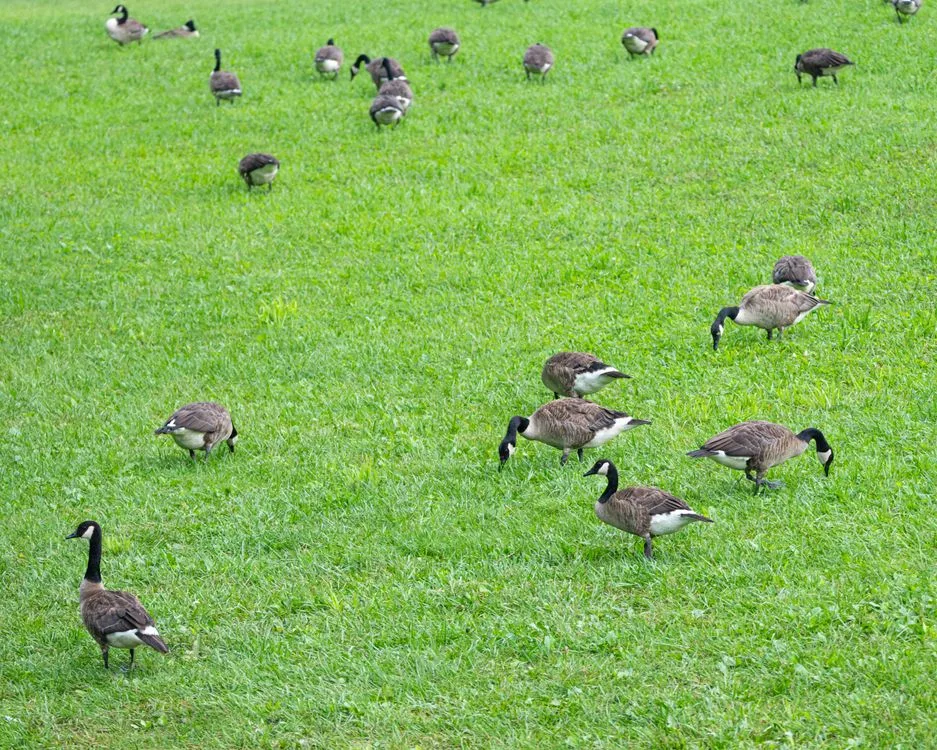
When you picture a Canada goose grazing, the image that probably comes to mind is them pecking away at a lush green lawn. You're not wrong! Grasses form the absolute cornerstone of their diet, especially from spring through fall.
They're essentially living lawnmowers, and they're remarkably efficient at it.
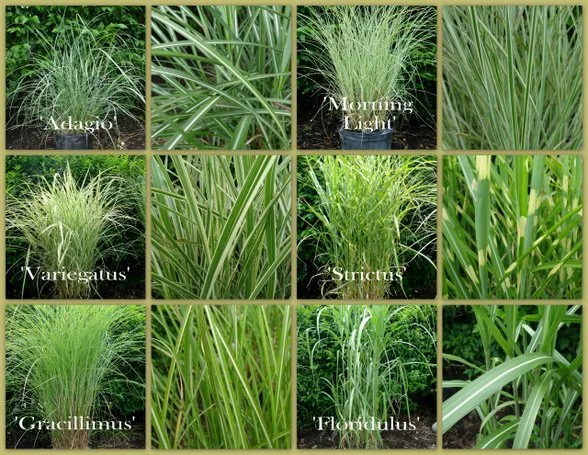
- Variety is the Spice of Life (for Geese): They aren't picky about which grass, either. Our research shows they'll happily consume fescues, ryegrasses, bluegrasses, and many other common turf and pasture grasses.
- Nutritional Value: These grasses provide essential carbohydrates and nutrients needed for energy and feather growth. They especially seek out the younger, more tender shoots, which are higher in protein and moisture.
- Where They Graze: You'll commonly find them in parks, golf courses, suburban lawns, agricultural fields, and open meadows, any place that offers a substantial, accessible patch of green. They’ll even feed on manicured lawns, sometimes leading to conflicts with homeowners.
This reliance on grasses makes them highly visible in human-inhabited areas, as these environments often provide the very food sources they thrive on.
What the Goose Grabs: Top Food Choices
Beyond the ubiquitous grasses, Canada geese have a varied palate that includes other delicious plant parts. They’re opportunists, meaning if something good is available, they’ll go for it. This flexibility is key to their survival in different habitats and seasons.
- Leafy Greens: Think clover, dandelions, and other broadleaf weeds. Geese enjoy the tender leaves and flowers of these plants, often found mixed in with grasses or in less frequently mowed areas.
- Grains: Agricultural areas can be a goldmine for geese. They will readily feed on cultivated grains like wheat, barley, corn, and oats, especially in fields after harvesting or where grain has been spilled. This can sometimes lead to crop damage concerns for farmers.
- Seeds: In the fall and winter, when fresh greens become scarce, geese will also forage for seeds from various plants they encounter.
These food choices provide a good balance of carbohydrates, proteins, and minerals, ensuring the geese get the energy and nutrients they need to survive and reproduce.
Beyond the Greens: Other Plant Staples
While grasses get a lot of the attention, it’s important to recognize the other significant plant-based foods that round out a Canada goose’s diet. These supplementary items are crucial, especially as seasons change and preferred foods become less available.
- Roots and Tubers: When grasses and leaves are covered by snow or frozen, geese will sometimes dig into the ground with their bills to unearth roots and tubers. This requires a bit more effort but provides vital sustenance during harsh conditions.
- Fruits and Berries: During autumn, geese will also consume fallen fruits and berries. These provide a burst of energy-rich sugars and additional vitamins.
The ability to shift to these alternative food sources demonstrates the Canada goose’s remarkable adaptability and resilience in navigating challenging environmental conditions.
Adapting to the Environment: Where They Find Their Food
Canada geese are masters of adapting their eating habits to whatever their surroundings offer. This flexibility is a major reason why they've successfully spread and often thrive even in urban and suburban settings, not just in wilder natural areas.
- Agricultural Areas: Fields planted with grains like corn, wheat, and barley are prime feeding grounds. Geese can cause significant crop damage by eating sprouts or mature crops, a point often raised by agricultural communities.
- Parks and Lawns: Managed green spaces like parks and golf courses provide abundant, easily accessible grasses and clover. Their constant grazing can sometimes lead to concerns about overgrazing and lawn health.
- Wetlands and Waterways: Near water, geese exploit a different food source entirely.
This dietary adaptability means that their presence and impact can vary greatly depending on the specific habitat they've chosen to call home.
The Role of Aquatic Plants
When Canada geese are near bodies of water, their diet takes on a distinctly aquatic flavor. They are quite adept at foraging in and around ponds, lakes, rivers, and marshes, accessing food sources that are unavailable to land-based grazers.
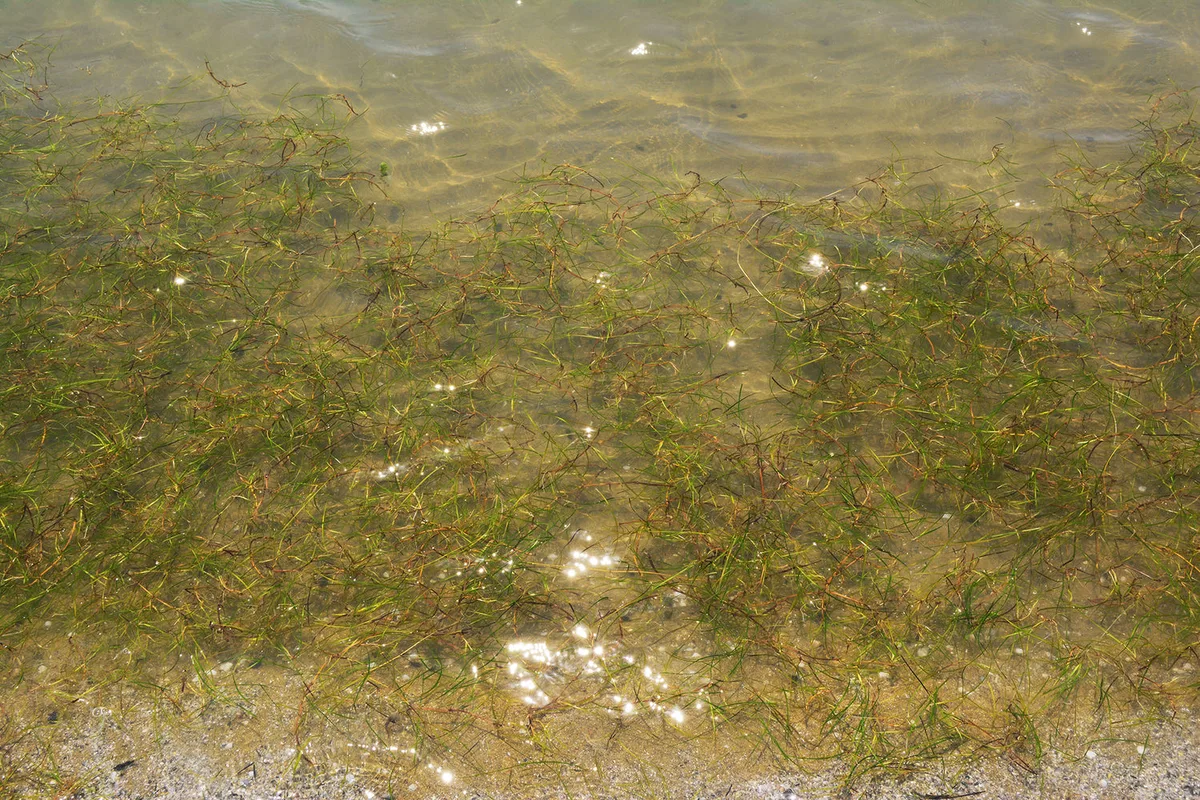
- Submerged Vegetation: They will dive their heads or even their entire bodies underwater to pull up plants like pondweed, coontail, and other submerged aquatic vegetation. These plants are often nutrient-rich and provide significant hydration.
- Emergent Plants: Reeds, cattails, and sedges that grow along the water’s edge are also fair game. Geese will eat the stems, leaves, and seed heads of these plants.
- Algae: In some areas, especially where water is nutrient-rich, algae can form a portion of their diet.
Their willingness to incorporate these aquatic plants broadens their food base considerably, allowing them to inhabit and flourish in a wider range of environments.
Why Their Diet Matters: Impact and Observation
The feeding habits of Canada geese have a tangible impact on the environments they inhabit, and understanding what they eat helps us appreciate these effects. Because they are such prolific grazers, their presence can significantly alter landscapes, sometimes in ways that are noticeable and occasionally problematic.
The "Living Lawn Mower" Effect
Our research highlights that geese are exceptionally efficient at consuming large quantities of vegetation. This can lead to what's often termed the "living lawnmower effect." In areas with high goose populations and abundant food sources, such as parks or pastures, they can graze grasses down to very short lengths.
- Reduced Vegetation Cover: This intense grazing can reduce the overall height and density of grass, potentially impacting other smaller ground-dwelling plants and insects that rely on that cover.
- Soil Compaction: The sheer number of geese feeding in an area, coupled with their droppings, can lead to soil compaction and nutrient imbalances.
- Visual Impact: Visually, areas heavily grazed by geese often appear worn and less lush.
While this feeding behavior is entirely natural for the geese, it can be a concern for those managing public spaces or agricultural land.
Potential Conflicts: Geese and Human Spaces
The very adaptability that allows Canada geese to thrive near humans also leads to potential conflicts. Their diet of grasses and grains puts them in direct competition with human interests, whether those are aesthetic, agricultural, or related to public health.
- Crop Damage: As noted, farmers often face losses when geese feed on ripening crops like corn or wheat. Per agricultural reports, this can sometimes require geese deterrents or management strategies.
- Lawn and Garden Issues: Homeowners may find their carefully maintained lawns or gardens being overgrazed or damaged by goose droppings, which are plentiful and can burn grass.
- Public Health Concerns: While generally unfounded in terms of disease transmission from casual contact, large numbers of geese can create sanitation issues in high-traffic areas due to droppings.
Recognizing what geese eat helps us understand why these conflicts arise and informs strategies for managing goose populations in shared spaces.
Understanding Goose Feeding Behavior
How Canada geese find and consume their food is as important as what they eat. Their feeding behavior is a constant, day-to-day activity that shapes their social structure and their interaction with the environment. They spend a significant portion of their waking hours dedicated to foraging.
Daily Feeding Rhythms
Canada geese are diurnal feeders, meaning they are most active during daylight hours. Their feeding patterns are influenced by factors like predator presence, temperature, and the availability of food.
- Morning and Evening Peaks: They typically have two main feeding periods: one in the morning after sunrise and another in the late afternoon before dusk. During the heat of the day, especially in summer, they may rest or graze less intensely.
- Continuous Grazing: When actively feeding, they don't just take a few bites. They will graze continuously for extended periods, systematically working through an area to maximize their intake of grasses and other vegetation.
- Social Feeding: Geese often feed in flocks, which provides safety in numbers. While there's a loose hierarchy, they generally forage together, moving as a group across feeding grounds.
Observing these rhythms can help predict where and when you might see large groups of geese actively foraging.
Pecking Order: What They Prefer When Available
While Canada geese are known for their generalist diet, they do exhibit preferences when multiple food sources are readily available. This isn't a rigid "pecking order" in the social sense, but rather a preference based on nutritional value and ease of access.
- Young, Tender Grasses: As noted, they strongly prefer young, tender grass shoots. These are more digestible and higher in protein and moisture compared to older, tougher blades.
- Nutrient Density: Foods like grains and high-protein aquatic plants are highly desirable when in season.
- Ease of Access: They will always favor food that requires less effort to obtain. For example, they'll choose a manicured lawn over foraging for tough roots unless forced by scarcity.
This preference means that if a goose has a choice between lush, young grass and older, dried-out stalks, it will go for the former. This also explains why they are so attracted to agricultural fields and well-maintained parklands.
Frequently Asked Questions About Goose Diets
What is the main component of a Canada goose's diet?
The main component of a Canada goose's diet is grass. They are herbivores and spend a large part of their day grazing on various types of grasses, especially during the warmer months.
Do Canada geese eat insects or small animals?
No, Canada geese are strictly herbivores. They do not eat insects, fish, or other small animals; their diet consists entirely of plant matter.
How much do Canada geese eat per day?
Canada geese consume a significant amount of food daily, often eating 1 to 2 pounds of vegetation. This large intake is necessary to fuel their active lifestyle and maintain their body weight.
Can feeding bread to Canada geese be harmful?
Yes, feeding bread to Canada geese is harmful. Bread offers little nutritional value and can lead to a condition known as "angel wing" in waterfowl, a deformity that impairs flight. It can also contribute to overpopulation and the spread of disease in concentrated feeding areas.
Do Canada geese eat in winter?
Yes, Canada geese do eat in winter, but their diet shifts. When fresh vegetation is scarce, they will forage for dried grasses, grains found in fields, seeds, and sometimes roots or tubers if they can access them.
Real-World Sightings: What Geese Eat in Action
Observing Canada geese in their natural or semi-natural habitats provides the clearest picture of their eating habits. You'll frequently see them in settings where food is abundant and accessible, demonstrating their dietary preferences firsthand.
- Parkland Grazing: In urban and suburban parks, it's common to see large flocks of geese spread out on lawns and open fields. They spend hours with their heads down, methodically clipping grass and clover. You might notice areas where the grass is noticeably shorter, a direct result of their feeding.
- Waterfront Foraging: Along the edges of lakes, ponds, and slow-moving rivers, geese will feed on emergent vegetation like reeds and cattails, as well as diving for submerged plants. They often emerge from the water with strands of pondweed dangling from their bills.
- Agricultural Field Visits: In rural areas, especially during the fall and winter, it’s not unusual to see geese feeding in harvested cornfields or fields of other grains. They’ll gather in large numbers, appearing to forage for leftover kernels or remaining stalks. You might also observe them walking through fields of standing crops if they haven't been deterred.