Why Are Mute Swans Called Mute
You might have heard the term "mute swan" and wondered why such a large bird that clearly makes noise would get that name. It’s a common question that pops up when you first learn about these elegant creatures, and the answer isn't quite what you'd expect. It’s more about comparison than silence.
The reason "mute swan" stuck has everything to do with their relatives. When early naturalists were cataloging birds, they compared these swans to others known for their incredibly loud, trumpeting calls. As of 2026, the classification remains, highlighting a distinct difference in vocalization patterns.
Let's break down why this particular name made sense historically and what sounds mute swans actually produce.
Quick Answer
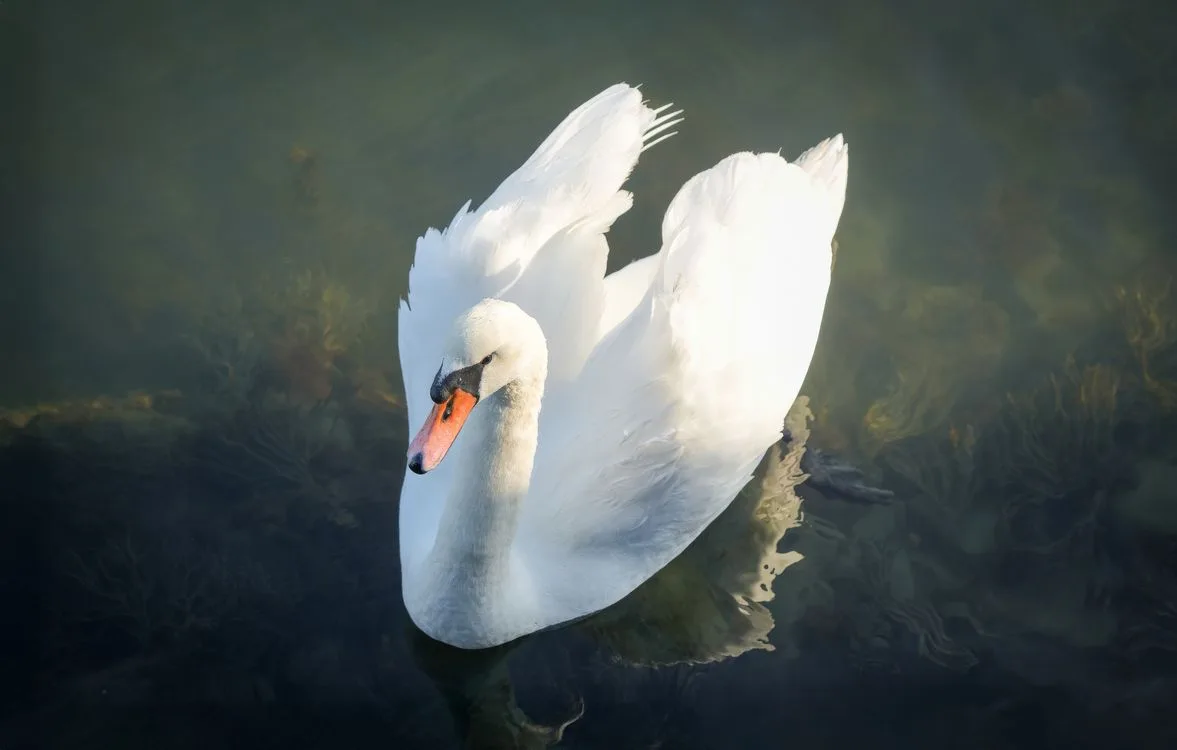
Mute swans are called "mute" because they lack the loud, trumpeting calls of other swan species, like the whooper or trumpeter swan. While they aren't truly silent, their vocalizations are less prominent and more hissing or grunting, with a notable wing sound during flight. This comparative lack of loud vocalizations led to the "mute" designation by early naturalists.
The Real Reason Behind the "Mute" Swan Name
The label "mute swan" is a bit of a linguistic quirk, born out of historical comparison rather than absolute silence. Back in the day, when Europeans first encountered and described various swan species, they were struck by how different the vocalizations of Cygnus olor were from its North American cousins. Species like the whooper swan (Cygnus cygnus) and the trumpeter swan (Cygnus buccinator) are famous for their incredibly loud, far-carrying calls that sound much like a trumpet or a whoop.
These distinctive, loud calls were the defining characteristics for those swans. When the mute swan, which was introduced to Europe centuries ago, was compared, its sounds were considered much less prominent. This doesn't mean they were entirely silent, but their repertoire consisted more of softer sounds and noises made by their bodies, particularly their wings, rather than powerful, sustained vocalizations.
The name "mute" simply served as a way to differentiate them from the more vocally demonstrative species.
A Historical Linguistic Distinction
This naming convention is a classic example of how common names for species often arise from early, observational comparisons. The first descriptions and classifications, often made without the benefit of modern acoustic analysis, relied on what was most striking to the observer. For swans, that striking difference was the sheer volume and quality of their calls.
The mute swan, with its less vocally "showy" nature, was thus labeled accordingly. It's a label that has stuck, even though current understanding shows they are far from silent. This kind of historical naming can sometimes lead to confusion for modern audiences, who might expect a bird called "mute" to make absolutely no sound.
What Sounds Mute Swans Actually Make
Don't let the name fool you; mute swans are anything but silent! They have a range of sounds they use for communication, especially when they feel threatened, are interacting with their young, or are taking flight. It’s just that these sounds are different from the loud, trumpet-like calls of other swan species.
Beyond the "Mute" Misconception
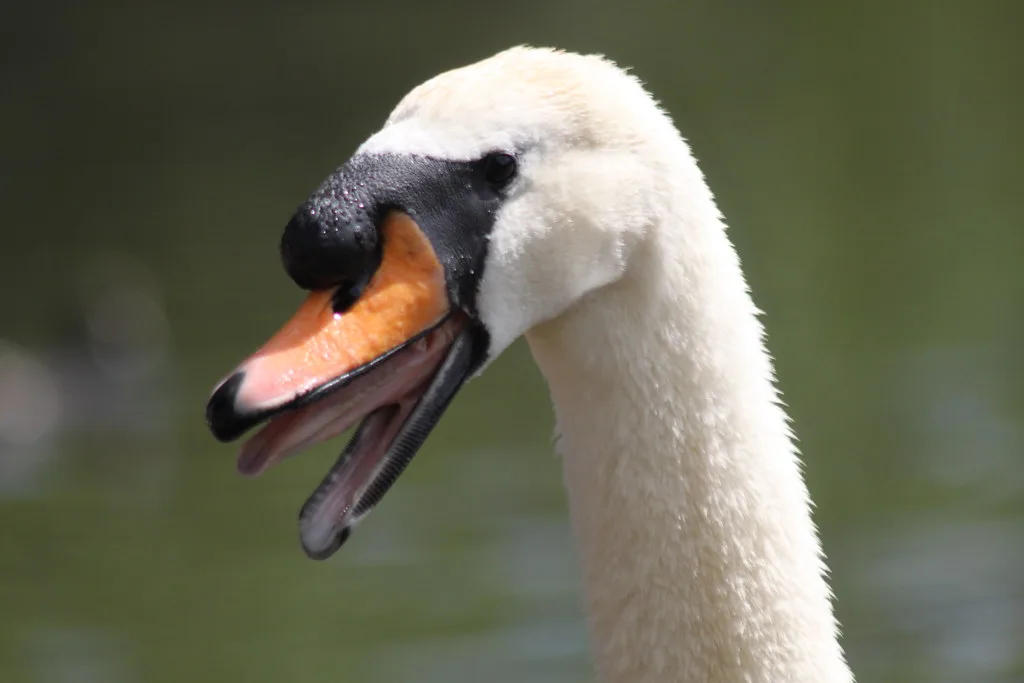
The biggest misconception about mute swans is that they don't make noise. This simply isn't true. While they might not have a booming call that carries for miles, they are quite communicative in their own ways.
Their vocalizations are often lower in pitch and less resonant than those of species like the trumpeter swan. This often leads people to underestimate their sound production, hence the "mute" moniker sticking.
Hisses, Grunts, Snorts, and Wing Sounds
Mute swans primarily communicate through a variety of noises that are often more subtle or more directly linked to their physical actions.
- Hissing: This is perhaps their most common and startling sound. When a mute swan feels threatened, territorial, or is asserting dominance, it will emit a loud, drawn-out hiss that can be quite intimidating. This is often accompanied by an aggressive posture, with their necks arched and wings slightly raised.
- Grunts and Snorts: You'll frequently hear softer grunting or snorting sounds, especially from parents interacting with their cygnets. These are generally more gentle sounds used for communication within the family unit, indicating contentment or a soft warning.
- Wing Sounds: This is a highly distinctive and impressive sound associated with mute swans. When they take flight, their powerful wingbeats produce a loud, resonant "whirring" or "thrumming" noise. This sound can be heard from a considerable distance and is a key auditory identifier for a flying mute swan. It's a testament to the sheer power of their wing muscles.
Comparing Swan Vocalizations
To truly understand why the mute swan is called "mute," it’s helpful to compare its sounds to those of other well-known swan species. This comparison highlights the key differences that led to the historical naming.
Whooper and Trumpeter Swans' Loud Calls
Species like the whooper swan and the trumpeter swan are famous for their loud, resonant calls. The whooper swan’s call is a deep, resonant "whoop-whoop," which can be heard for over a mile in calm conditions. It's a powerful, clear sound that serves as a vital communication tool for them across open water and during flight.
Similarly, the trumpeter swan possesses a deep, resonant, bugle-like call, often described as a "honk" or a "bugle." This call is also quite loud and distinctive, used for long-distance communication, territorial defense, and maintaining flock cohesion. These loud, trumpet-like or whooping sounds are their signature, setting them apart audibly.
How Mute Swans Differ
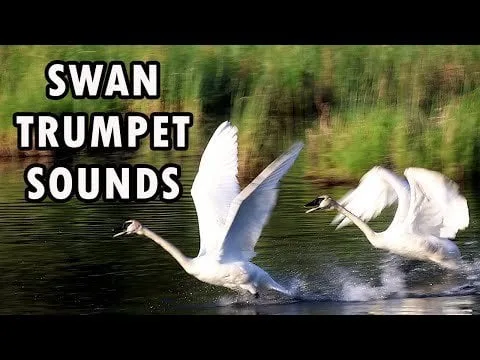
In contrast to the loud trumpeting or whooping of their relatives, mute swans lack these specific, powerful vocalizations. Their primary means of vocal expression are the hisses, grunts, and snorts mentioned earlier, which are generally less resonant and do not carry as far as the calls of the whooper or trumpeter swans. While their wing sounds are quite loud and distinctive, they are a result of physical action rather than vocal cord production.
This comparative quietness, in terms of pure vocal power and resonance, is the core reason why early naturalists deemed them "mute" in relation to the other swans they were familiar with. It's a relative term, not an absolute one.
The Persistence of the "Mute" Label
Even though we now know that mute swans aren't actually silent, the name has persisted for centuries. This is quite common in taxonomy and common naming conventions; once a name is established and widely used, it's difficult to change, especially when the original reason for the name, however imprecise by modern standards, was understandable at the time.
The name "mute swan" was established in a period before detailed acoustic studies of bird vocalizations were possible. Naturalists relied on visual observation and audible cues that were most apparent. The dramatic difference in loud, carrying calls between the mute swan and species like the whooper and trumpeter swans was striking enough to warrant a descriptive name.
Over time, this label became the accepted common name, codified in scientific literature and passed down through generations.
Despite scientific advances revealing the full range of mute swan vocalizations, including their hisses, grunts, and significant wing sounds, the original name remains. It's a testament to how historical observation and comparative language shaped our understanding of the natural world. While arguably not the most accurate descriptor by today's standards, "mute swan" remains the universally recognized common name for Cygnus olor, distinguishing it from its more vocally boisterous relatives.
The scientific name, Cygnus olor, is more precise, but the common name has enduring appeal and recognition.
FAQs About Mute Swan Sounds
Are Mute Swans Aggressive?
Mute swans can exhibit aggressive behavior, particularly when defending their territory, nests, or young. Their aggressive displays often involve hissing, wing-flapping, and sometimes chasing perceived threats, which can include humans, other waterfowl, or even boats. While they aren't inherently malicious, their defensive actions can be quite formidable.
Do Baby Swans Make Noise?
Yes, baby swans, called cygnets, do make noise. They typically emit soft peeping or chirping sounds to communicate with their parents, indicating hunger, distress, or location. These sounds are much softer and higher-pitched than the noises made by adult mute swans.
Can You Hear Mute Swans Flying?
Absolutely. One of the most distinctive sounds associated with mute swans is the loud, whirring or thrumming noise their wings make during flight. This powerful sound is created by the air moving over their large flight feathers and can be heard from a significant distance, often alerting observers to their presence before they are seen.