How Long Can Ducks Stay Underwater
So, you've watched ducks dive and wondered, "how long can ducks stay underwater?" It's a common question that pops up when you see them glide effortlessly below the surface, only to reappear moments later as if they'd never left. They're not just holding their breath for a few seconds; many species have impressive underwater endurance.
Our research shows that while a quick dip for food might only last 10 to 20 seconds, some ducks can stay submerged for well over a minute, sometimes pushing towards two minutes. This remarkable ability stems from a combination of biological adaptations and behavioral strategies.
Duck Dive Durations: The Quick Facts
Ducks can typically stay underwater for anywhere from 10 seconds to over 2 minutes. The exact duration depends heavily on the duck species, its activity level, and environmental conditions. Quick foraging dives are usually brief, often lasting 10 to 20 seconds, while deeper or more urgent dives, especially by dedicated diving species, can extend the submersion time considerably.
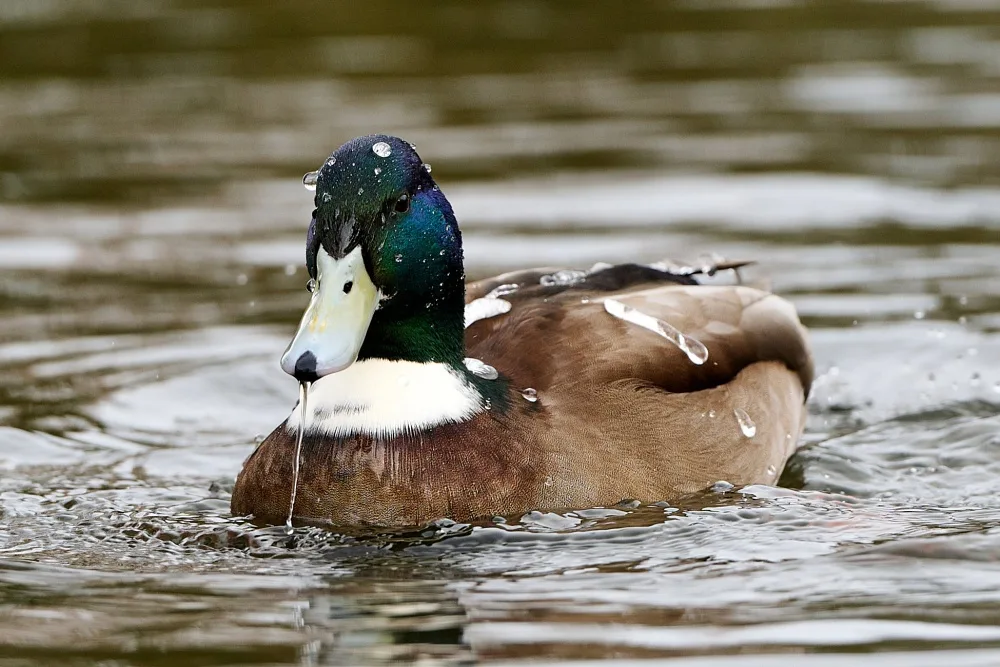
Image source: Bing (Web (fair-use with source credit))
What Makes Ducks Such Good Divers?
Ducks possess a fascinating suite of physiological traits that allow them to spend significant time submerged. It's not just about holding their breath longer; it's about using the oxygen they have far more efficiently and tolerating the byproducts of intense physical activity. This makes them incredibly effective hunters and survivors in aquatic environments.
How Their Bodies Are Built for the Deep
Several key adaptations equip ducks for underwater excursions. Their bodies are finely tuned to conserve oxygen and perform under pressure. Think of it like a high-performance vehicle designed for specific conditions.
- Reduced Heart Rate: When a duck dives, its heart rate can plummet significantly. This slows down the circulation of blood, meaning the oxygen already in the bloodstream is used more judiciously, extending its usefulness.
- Peripheral Vasoconstriction: Blood flow is shunted away from non-essential body parts towards the vital organs, like the brain and heart. This ensures the most critical areas receive oxygen first.
- Muscle Oxygen Storage: Duck muscles are rich in myoglobin, a protein that stores oxygen, giving them an internal reserve to draw upon during dives.
The Role of Oxygen and Physiology
Beyond physical structure, ducks have a sophisticated physiological response to diving. This "diving reflex" is crucial for maximizing their underwater capabilities.
The diving reflex in ducks, much like in marine mammals, triggers a cascade of physiological changes designed to conserve oxygen. When their faces hit cold water, a signal is sent to their brains, initiating a profound slowing of the heart rate and a redirection of blood flow. This allows them to remain submerged and active for extended periods, which is essential for hunting prey like fish, invertebrates, and aquatic plants that are found underwater.
For instance, studies on diving birds indicate that heart rates can decrease by as much as 50% or more during a dive, a critical adaptation for extending oxygen supply.
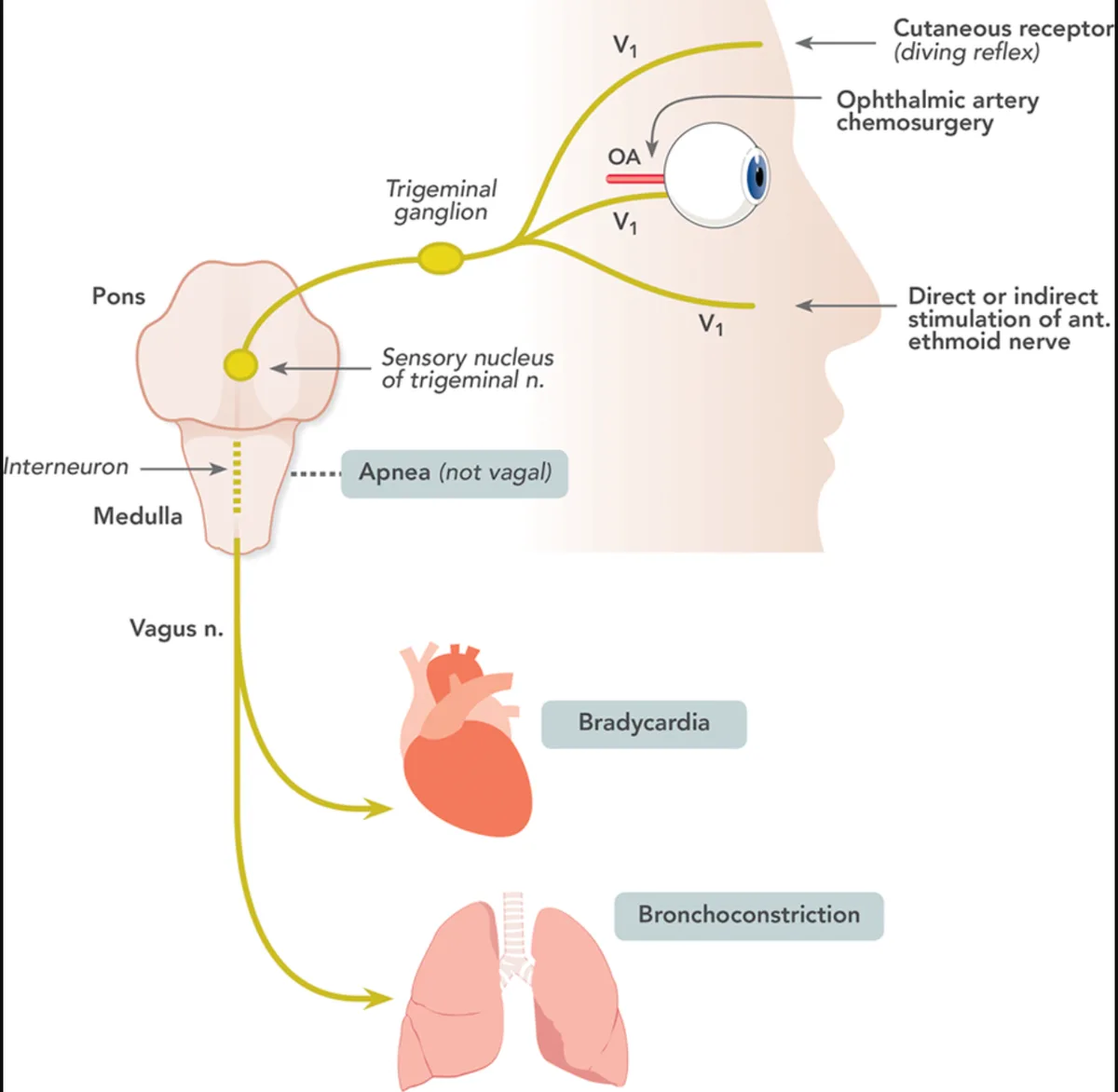
Image source: Bing (Web (fair-use with source credit))
Factors That Change How Long a Duck Can Dive
It's not a one-size-fits-all answer when it comes to duck dive times. Several variables play a significant role in determining how long an individual duck can stay submerged. Understanding these factors helps explain the variation you might observe between different ducks or even the same duck on different occasions.
Species Matters: Dabblers vs. Divers
The most significant factor influencing dive duration is the duck's species. Ducks are broadly categorized into two main types: dabbling ducks and diving ducks. Each group has distinct adaptations that affect their underwater capabilities.
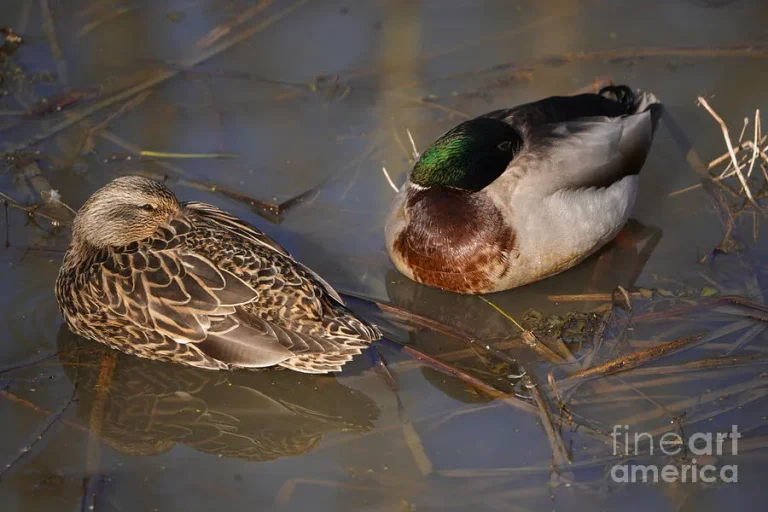
- Dabbling Ducks: These ducks, like mallards or pintails, typically feed on the surface or by tipping their heads down into shallow water. Their dives are usually short, often lasting only 10 to 20 seconds, just long enough to grab a mouthful of food from just below the surface or the bottom of shallow areas. They are not built for deep, prolonged dives.
- Diving Ducks: Species such as scaup, canvasbacks, and mergansers are true divers. They propel themselves underwater using their feet to pursue prey in deeper water. These ducks are physiologically better equipped for longer submersion and can commonly stay underwater for 60 to 90 seconds, with some individuals recorded at over two minutes.

Image source: Bing (Web (fair-use with source credit))
What They're Doing Down There
The purpose of the dive itself also dictates its length. A duck hunting for a quick snack has different needs than one trying to escape a predator.
- Foraging: When looking for food, a duck will stay down only as long as necessary to secure its meal. If prey is abundant and easy to catch, dives will be short. If they need to search for elusive food items or chase down fast-moving prey, dives will naturally be longer.
- Evasion: If a duck feels threatened by a predator, it might dive to escape. These dives can be longer if the duck is trying to put significant distance between itself and the threat or if it’s trying to hide. However, prolonged stress can also increase oxygen consumption, so escape dives are often a balance between duration and speed of ascent.
Environmental Influences
External factors can also impact a duck's dive time. The environment plays a role in how efficiently a duck can function underwater.
- Water Temperature: Colder water can, surprisingly, sometimes aid diving birds. The cold can trigger a more pronounced diving reflex, slowing metabolism and conserving oxygen. This can allow for slightly longer dive durations in cooler conditions.
- Water Clarity and Depth: In clear, shallow water, foraging dives are quick. In murky or deeper water, ducks might spend more time searching, leading to longer dives, provided they have the physiological capacity for it.
Real-World Dive Scenarios
Observing ducks in their natural habitat offers a practical look at how their underwater abilities are used daily. These aren't just theoretical possibilities; they are critical behaviors for survival and sustenance. Understanding these scenarios helps us appreciate the context behind their dive durations.
Foraging and Feeding Dives
The most common reason for a duck to go underwater is to find food. The type of food and its location dictate how long the duck stays submerged. For dabbling ducks, this often means quick dips to snatch plants or insects from shallow bottoms.
Studies on Mallard (Anas platyrhynchos) foraging indicate typical dive times for these activities range from 10 to 20 seconds. Diving ducks, on the other hand, are built for pursuing fish or invertebrates in deeper waters, requiring longer, more sustained dives. For example, Greater Scaup (Aythya marila) have been observed to stay submerged for up to 90 seconds while hunting for mollusks or aquatic vegetation.
Evasion Dives
When faced with danger, ducks use their diving ability as a primary escape mechanism. The duration of an evasion dive is usually determined by the perceived threat and the duck's ability to put distance or cover between itself and the danger. If a predator is pursuing them on the water, a sudden dive can make the duck disappear from view.
However, prolonged dives under stress can be physiologically taxing, so ducks often prioritize quickly reaching a safe area or surfacing in a less conspicuous location rather than attempting an extremely long submersion. The objective is escape, not endurance.
Common Misconceptions About Duck Dives
It's easy to assume ducks are simply holding their breath like we might, but their underwater capabilities are far more complex and efficient. One common misconception is that all ducks can stay underwater for the same amount of time. In reality, there's a vast difference between species, akin to comparing a sprinter to a marathon runner.
Another misconception is that ducks might drown if submerged for too long; while possible if trapped or injured, their natural dives are a controlled, efficient process.
Can Ducks Drown?
Yes, ducks can drown, just like any air-breathing animal. Drowning occurs if they are unable to reach the surface to breathe for a critical period, often due to injury, entrapment (e.g., in fishing nets or under ice), or extreme exhaustion that prevents them from surfacing. Their natural dives are designed to be well within their physiological limits, preventing them from reaching a point of drowning under normal circumstances.
Expert Tips for Observing Duck Dives
Observing ducks in their natural habitat can be incredibly rewarding, especially when you understand what to look for regarding their diving behaviors. With a little knowledge, you can gain a deeper appreciation for their underwater skills. Here are a few tips to enhance your observations and understanding.
- Choose Your Spot Wisely: Look for areas where ducks frequently feed or rest. Ponds, lakes, and slow-moving rivers are prime locations. Early morning or late afternoon often provide the best viewing opportunities as ducks are typically more active during these times.
- Be Patient and Quiet: Ducks are easily startled. Approach observation areas slowly and quietly. Minimizing noise and sudden movements will increase your chances of seeing natural behaviors, including dives.
- Identify the Species: As we've discussed, different duck species have different dive capabilities. Knowing whether you're looking at a dabbling duck like a Mallard or a diving duck like a Canvasback can help you interpret the length and frequency of their dives. Binoculars are excellent for this.
What to Look For in a Dive
When you see a duck dive, pay attention to a few key details. Note how quickly it submerges and how long it remains underwater. Also, observe its swimming pattern underwater if visible, and how it ascends.
- Dive Entry: Does the duck dive smoothly, or does it appear to struggle? A smooth entry often indicates an intentional, well-practiced dive.
- Duration: Time the submersion. Is it a brief dip (under 30 seconds) or a longer dive (over a minute)? This can hint at the species and the purpose of the dive.
- Ascent: How does the duck resurface? Does it pop up quickly, or does it glide to the surface? The manner of ascent can also tell you something about its energy expenditure.
When Might a Duck Struggle Underwater?
While ducks are adapted for diving, there are circumstances where they might struggle or be unable to surface. These situations are typically due to external factors or physiological distress, rather than a natural limitation of their diving ability. Recognizing these signs is important for understanding duck welfare.
- Entrapment: Ducks can become trapped in fishing nets, plastic debris, or even by ice formations, preventing them from reaching the surface. This is a common cause of drowning in aquatic environments.
- Injury or Illness: A sick or injured duck may lack the strength or coordination needed to dive effectively or surface. Exhaustion from fleeing predators or a long migration can also lead to impaired diving abilities.
- Pollution: Water contamination can affect a duck's health and physiology, potentially impacting its ability to dive and survive underwater. For example, oil spills can coat feathers, reducing buoyancy and insulation, making diving and resurfacing extremely difficult.
What's the Lifespan of a Duck?
Understanding a duck's lifespan gives context to its life cycle and the development of its diving skills. While not directly related to how long they can stay underwater, it speaks to their overall adaptation and survival strategies.
Average Lifespan by Species
The lifespan of ducks can vary significantly based on species, environment, and whether they are wild or in captivity. Wild ducks face numerous challenges, including predation, disease, and environmental changes, which often result in shorter lifespans than their captive counterparts.
- Wild Ducks: On average, wild ducks might live between 2 to 5 years. Some species, like the Mallard, can live longer, with reports of individuals reaching 10 years or more in the wild under favorable conditions.
- Captive Ducks: Ducks kept in managed environments, such as farms or zoos, often live much longer. With consistent food, protection from predators, and veterinary care, some ducks can live for 10 to 15 years, with certain breeds even exceeding this.
Factors Affecting Wild Duck Lifespan
Several factors contribute to the shorter lifespans of ducks in the wild. Predation is a major threat, with eggs, ducklings, and adult birds being preyed upon by various animals. Diseases and parasites also take a toll.
Additionally, habitat loss and pollution can severely impact their health and ability to find food and safe nesting sites, all of which shorten their potential lifespan.
Frequently Asked Questions About Duck Underwater Behavior
How long can a Mallard duck stay underwater?
A Mallard duck, being a dabbling duck, typically stays underwater for 10 to 20 seconds during foraging dives. They aren't built for extended submersion like dedicated diving ducks.
Do ducks breathe underwater?
No, ducks do not breathe underwater. They are air-breathing birds and must surface periodically to inhale oxygen. Their ability to stay submerged relies on efficient oxygen use and physiological adaptations.
What is the longest a duck has been recorded underwater?
While typical dives are under two minutes, some highly adapted diving duck species have been observed to stay submerged for up to or slightly over two minutes when hunting or evading predators. Precise, scientifically verified maximums are hard to pin down definitively across all species and conditions.
Do ducklings dive?
Ducklings, especially those of dabbling duck species, can dive very shortly after hatching, usually to escape danger or grab small food items. However, their dive durations are much shorter than adult ducks, often only a few seconds.