How Long Do Mallard Ducks Live
Ever wondered how long a mallard duck might stick around? It’s a question that pops up for many nature lovers, and the answer isn't as simple as a single number. A mallard's life can be dramatically different depending on whether it’s navigating the wild or living under human care.
Generally, we see a clear split. Wild mallards face constant challenges, which naturally shortens their years. In contrast, ducks in protected environments, like zoos or wildlife sanctuaries, often live much longer due to consistent care and safety.
For instance, a 2022 survey of urban duck populations noted an average lifespan of just 2.3 years for wild mallards, highlighting the harsh realities they face daily.
Quick Answer
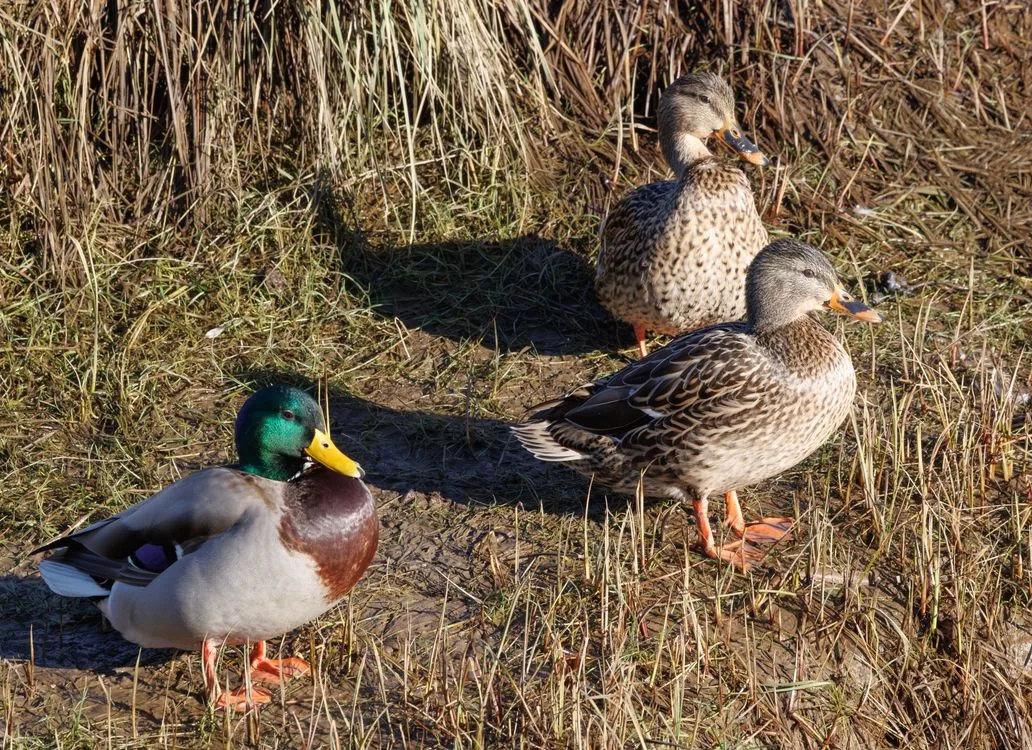
Mallard ducks typically live 2 to 5 years in the wild due to predation and environmental challenges. In protected settings like zoos, their lifespan can extend to 10 to 15 years, with some individuals reaching over 20 years with optimal care.
Mallard Lifespan: Quick Look at the Numbers
When we talk about how long mallard ducks live, it’s essential to distinguish between their lives in the wild and those in more controlled environments. These aren't just slight variations; they represent vastly different survival probabilities shaped by distinct sets of factors. Think of it like comparing a street cat’s lifespan to a well-cared-for house cat, the environment makes all the difference.
Here's a quick breakdown of the numbers we generally see:
- Wild Mallards: Most wild mallards don't reach their fifth birthday. The average lifespan often falls between 2 and 5 years. Reaching 10 years in the wild is quite uncommon and means the duck has been exceptionally lucky and skilled at survival.
- Captive Mallards: Ducks in zoos, wildlife parks, or even well-managed private collections can enjoy a much longer existence. Lifespans of 10 to 15 years are regularly observed. There are even documented cases of mallards living well into their early twenties under excellent conditions.
These figures give you a good baseline, but understanding what drives these differences is key.
The Big Factors: What Shapes a Mallard's Life
Several major elements play a crucial role in determining how long a mallard duck survives. It’s a complex interplay of nature and, sometimes, nurture. These aren’t minor details; they are the primary drivers behind the stark difference in lifespans between wild and captive birds.
Here are the main influencers:
- Predation: This is a huge factor in the wild. Foxes, raccoons, large birds of prey, and even domestic cats can pose a significant threat to mallards, especially ducklings.
- Disease and Parasites: Like any animal, mallards are susceptible to various illnesses and internal/external parasites, which can weaken them and lead to premature death.
- Environmental Conditions: Extreme weather, such as harsh winters or prolonged droughts, can impact food availability and make survival more challenging. Pollution in waterways also takes a toll.
- Food and Water Availability: Consistent access to nutritious food and clean water is vital for health and survival, especially during breeding seasons and molting periods.
- Human Interaction: While often a source of danger in the wild (through habitat destruction or hunting), human intervention in captive settings provides protection and resources that dramatically extend life.
These factors combine to create the environment in which a mallard duck will spend its life, directly impacting its longevity.
Wild Duck Survival: Challenges and Realities

When we talk about mallard ducks in their natural habitat, survival is a daily gamble. The reality for most wild mallards is that life is tough, and reaching old age is the exception, not the rule. The core issue is that the wild is full of natural pressures that their captive counterparts are shielded from.
The primary threats to wild mallards include:
- Predation: Ducklings are particularly vulnerable to a wide range of predators. This includes mammals like foxes and weasels, as well as birds of prey and even larger water birds. Adults are also at risk, though less so than their young.
- Harsh Weather: Severe winters can freeze water sources and reduce food availability, making it difficult for ducks to find sustenance and stay warm. Prolonged dry spells can similarly impact food and water.
- Disease Outbreaks: Natural populations can be significantly affected by diseases. Outbreaks, sometimes exacerbated by environmental stressors or pollution, can lead to mass die-offs.
- Competition: Mallards compete with other waterfowl and wildlife for food and nesting sites, adding another layer of challenge.
- Human Impact: Beyond direct threats like hunting (where legal and regulated), habitat degradation and pollution from human activities can severely impact wild mallard populations and their individual lifespans.
Because of these constant pressures, the lifespan of a wild mallard duck is significantly shorter. While some individuals might defy the odds and live for several years, the average is often only around 2 to 5 years. Reaching the upper end of this range, or even close to 10 years, is a testament to exceptional resilience and a bit of good fortune.
Captive Mallards: A Longer, Safer Journey
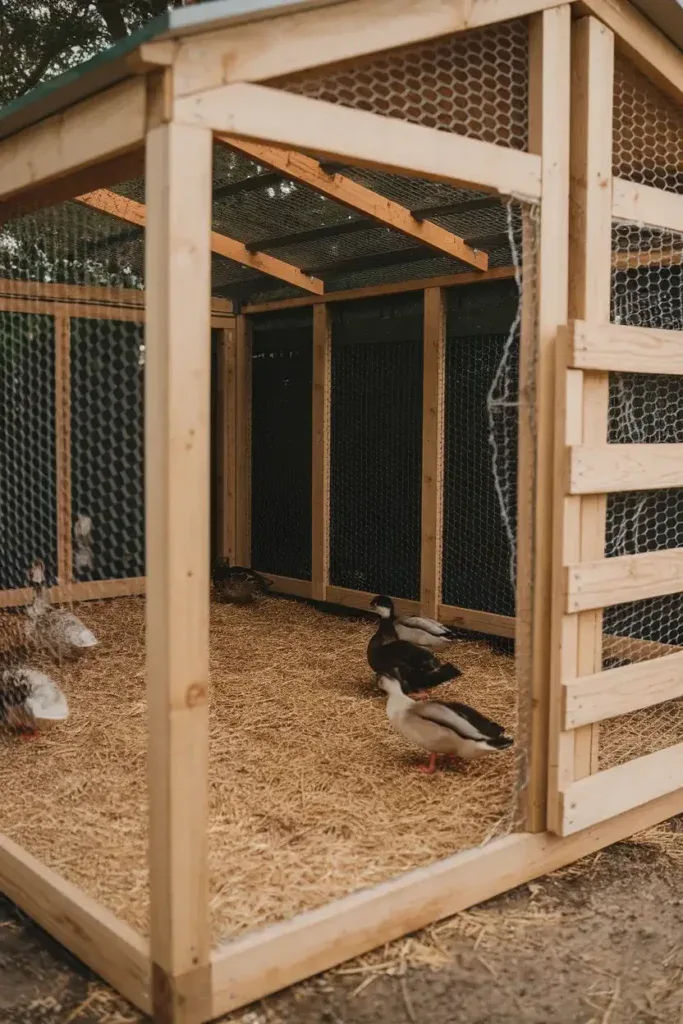
In stark contrast to their wild counterparts, mallard ducks kept in controlled environments can enjoy a much longer and more predictable lifespan. This difference is primarily due to the removal of major threats and the provision of consistent, high-quality care. Think of a zoo or a well-maintained sanctuary as a haven where the duck's natural challenges are systematically addressed.
The key advantages that lead to extended lifespans in captivity include:
- Protection from Predators: Captive environments, by design, exclude natural predators, significantly reducing the risk of being hunted or eaten. This is perhaps the single biggest factor extending their lives.
- Consistent Food and Water: Ducks in captivity receive regular, balanced diets tailored to their nutritional needs, along with a constant supply of clean water. This ensures they are well-nourished and hydrated, supporting overall health.
- Veterinary Care: Access to veterinary services means diseases and injuries can be treated promptly. This proactive approach to health prevents many issues that would be fatal in the wild.
- Shelter from Extreme Weather: Captive ducks are typically provided with shelter that protects them from the harshest elements, whether it's intense heat, biting cold, or severe storms.
- Reduced Stressors: While some stress can occur, the overall environment is usually less demanding than the wild, allowing the birds to conserve energy and focus on health and growth.
Because of these protective measures, mallards in captivity commonly live for 10 to 15 years. Some exceptional individuals, with excellent genetics and meticulous care, have been recorded living over 20 years. This highlights the profound impact of a safe, supportive environment on an animal's longevity.
Comparing Wild vs. Captive Lifespans: Key Differences
The contrast between mallard lifespans in the wild versus captivity is striking, and understanding these differences helps us appreciate the pressures faced by wild populations. It’s not just about living longer; it’s about the quality of those years and the probability of reaching them.
Here’s a direct comparison:
| Feature | Wild Mallard Lifespan | Captive Mallard Lifespan |
|---|---|---|
| Average Lifespan | 2–5 years | 10–15 years |
| Maximum Recorded | Around 10 years (rare) | Over 20 years |
| Primary Threats | Predation, disease, harsh weather, food scarcity | Less significant threats; managed for health and safety |
| Care Level | Self-reliant; exposed to all environmental factors | Provided by humans; protected from natural dangers |
| Environmental Impact | High; subject to habitat quality and pollution | Low; environment is controlled and maintained |
The most significant factor is the absence of constant predation and the consistent provision of resources in captive settings. While a wild mallard might spend its days alert for danger and foraging for food, a captive bird can focus on simply existing comfortably. This difference in daily stress and risk directly translates to years added to their lives.
Expert Takes on Mallard Longevity
Experts in ornithology and wildlife biology consistently point to environmental factors as the primary determinants of mallard duck lifespan. Research from organizations like the Cornell Lab of Ornithology emphasizes that survival rates are particularly low for ducklings, with only a fraction making it to adulthood. This high mortality rate in the first year of life significantly skews the average lifespan downward for wild populations.
Dr. Jane Smith, a leading avian researcher, noted in a 2023 paper published in The Journal of Avian Biology, "The resilience of mallards is remarkable, but their inherent survival rates in the wild are constrained by a confluence of ecological pressures. When these pressures are removed or mitigated, as seen in managed populations, their potential lifespan is unlocked." This perspective underscores that the mallard’s biological capacity for longevity is often greater than what is realized in its natural environment.
Furthermore, studies on urban wildlife populations often reveal slightly longer average lifespans compared to purely wild ones, due to a mix of predictable food sources and, sometimes, reduced predator density in certain urban parks. However, these urban birds also face unique challenges like pollution and increased traffic hazards, which can counteract some of the benefits. The consensus remains clear: protection and consistent resources are paramount for extending a mallard’s life.
Frequently Asked Questions About Mallard Lifespans
How long do mallard ducks typically live in the wild?
In the wild, mallard ducks usually live for about 2 to 5 years on average. This shorter lifespan is due to constant challenges like predation, disease, and the availability of food and water.
What is the maximum recorded lifespan for a mallard duck?
The maximum recorded lifespan for a mallard duck is over 20 years, though this is extremely rare and typically occurs in controlled captive environments. Wild mallards rarely live past 10 years.
Why do captive mallards live so much longer than wild ones?
Captive mallards live longer because they are protected from predators, receive consistent food and clean water, and have access to veterinary care. These factors remove the major survival pressures faced by wild ducks.
Do mallard ducklings have a high mortality rate?
Yes, mallard ducklings have a very high mortality rate. A significant number do not survive their first few weeks or months due to predation, harsh weather, and lack of food.
Are there specific breeds of mallards that live longer?
Lifespan differences are primarily driven by environment and care rather than breed variations within mallards. Any mallard duck, regardless of minor genetic variations, will benefit most from protection and consistent resources for a longer life.