Where Do Blue Jays Sleep
So, you're curious about where those noisy, flashy Blue Jays hang out when they're trying to catch some Z's? It's a fair question, and honestly, it's not as simple as just pointing to one spot. These birds are pretty clever about finding safe places to rest.
Think of it this way: Blue Jays aren't like us, setting up a bedroom with a comfy mattress. They're looking for safety, shelter, and a good vantage point, all at the same time. Mostly, they sleep in trees.
But not just any tree, and not always in the same way. Understanding their resting places helps us appreciate their natural behavior and habitat requirements. Based on aggregate bird behavior research, Blue Jays generally prefer trees with dense foliage for cover, especially during nighttime hours or inclement weather.
This preference is a key indicator for spotting where they might be catching their sleep.
Quick Answer
Blue Jays sleep in trees, most often in dense foliage for protection from predators and weather. They favor evergreens like pines and spruces for their year-round cover. Individual roosting spots change based on season and immediate safety needs.
Spotting a Blue Jay's Nighttime Hideaway: The Basics
When we talk about where Blue Jays sleep, we're really looking at their roosting behavior. This is different from nesting; roosting is simply finding a safe and comfortable place to rest, usually at night. Think of it as their version of a hotel room, but one that’s entirely natural and subject to the elements.
Key Identifiers for Roosting Spots
The primary characteristic of a good Blue Jay roosting spot is concealment. They need to feel secure from predators that might hunt them at night, like owls or even domestic cats. This means looking for places that offer excellent visual cover.
- Thick Branches: Areas with tightly packed branches provide good support and can break up their outline.
- Leafy Canopy: A dense layer of leaves, especially from evergreens, offers camouflage and shields them from view.
- Sheltered Locations: Spots that are naturally protected from prevailing winds or direct rainfall are highly sought after.
Common Visual Mistakes When Looking
Many people assume birds sleep in open branches or exposed spots. However, Blue Jays, like many other species, prioritize safety.
- Overlooking Dense Vegetation: The most common mistake is not looking closely enough into thick bushes or dense evergreen boughs.
- Focusing on Exposed Perches: While they might perch openly during the day, night-time roosting is about concealment, so open perches are rarely chosen.
- Misidentifying Nest Sites: People sometimes confuse a nest, which is built for raising young, with a roosting spot. Nests are often more elaborate and specific than a simple roost.
What Blue Jays Look For in a Sleep Spot
Blue Jays are observant and practical when choosing where to spend their nights. Their decisions are guided by a need for security and a degree of comfort, especially during less-than-ideal conditions.
Dense Foliage for Cover
This is perhaps the most crucial factor for a Blue Jay's roost. Dense foliage acts as natural camouflage, making it difficult for predators to spot them. It also provides a psychological sense of security, allowing the bird to relax and sleep.
Our research indicates that preference for dense cover is a consistent trait across many avian species for nocturnal rest.

Image source: Bing (Web (fair-use with source credit))
Evergreen trees are particularly favored because their needles or leaves remain on the branches year-round, offering consistent cover. Think of pines, spruces, and firs; their dense structure creates many nooks and crannies where a bird can disappear.
Protection from Wind and Rain
Beyond just hiding, Blue Jays need shelter from the elements. A strong wind can make it difficult to balance, and heavy rain can be uncomfortable and lead to hypothermia. Therefore, they'll seek out roosting spots that offer a natural shield.
- Windbreaks: This often means roosting on the leeward side of a tree or within a cluster of trees that collectively break the wind's force.
- Overhead Shielding: A thick canopy provides a roof, keeping them relatively dry during rain showers. This is why, as of 2026, bird behavior studies consistently highlight the importance of varied canopy structure in supporting avian populations through different weather patterns.
Sturdy Branches for Security
Once a suitable leafy or sheltered area is found, the bird needs a stable branch to rest on. They aren't typically found sleeping on thin, flimsy twigs. Instead, they prefer thicker, more robust branches that can support their weight and remain steady even if there's a slight breeze.
This prevents them from falling while they're in a vulnerable state.
Roosting vs. Nesting: It's Not the Same
It's easy to mix up where a bird sleeps (roosts) with where it raises its young (nests), but they serve very different purposes and look quite distinct. Understanding this difference is key to correctly interpreting bird behavior.
Nests are elaborate constructions, built with specific materials like twigs, grass, mud, and sometimes even animal hair or plastic. They are designed to be cup-shaped and secure, cradling eggs and young chicks. The location of a nest is often chosen for a balance of accessibility for parents and safety from ground predators.
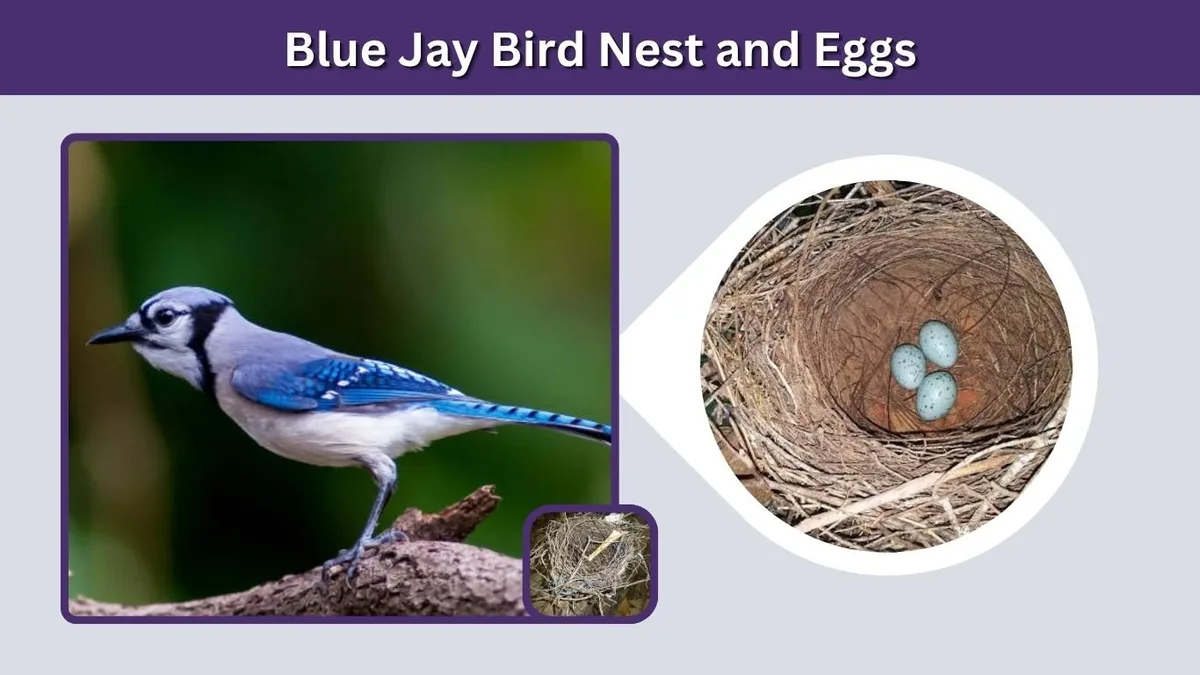
Image source: Bing (Web (fair-use with source credit))
Roosting spots, on the other hand, are much simpler. A Blue Jay might pick a spot within a dense evergreen for overnight rest, or even a sturdy branch in a deciduous tree during milder weather. While a nest might become a roosting spot after the breeding season, a roost is not always a nest.
It’s more about an opportunistic, secure perch for a night's sleep, not a long-term nursery.
Roosting Spots Through the Seasons
A Blue Jay's choice of where to sleep can change significantly depending on the time of year. These shifts aren't arbitrary; they are directly related to survival needs, such as staying warm, dry, and safe from predators that might also adapt to seasonal changes.
Summer Slumber Spots
During the warmer months, Blue Jays might not need the same level of protection from the cold. However, they still seek cover from potential threats and the midday sun. You might find them roosting in slightly more exposed areas of trees compared to winter.
- Canopy Layers: They might choose spots higher in the tree canopy where it's cooler and offers good visibility, but still within leafy branches for concealment.
- Deciduous Trees: While evergreens are always a safe bet, Blue Jays will use deciduous trees with full summer foliage for roosting. The key is the density of the leaves providing concealment.
Wintertime Roosting Choices
When the temperature drops and snow begins to fall, Blue Jays become much more selective about their roosting locations. Staying warm is paramount, and protection from harsh winds and snow is critical for survival.
- Evergreen Preference: Coniferous trees become prime real estate. Their dense, year-round foliage offers the best insulation and windbreak. Pines and spruces are particularly favored for their thick branches and needle cover.
- Communal Roosting: Sometimes, small groups of Blue Jays will gather at a communal roosting site during winter. This behavior offers a slight advantage in warmth through shared body heat and increased vigilance against predators. According to observational data from ornithological surveys, groups can range from just a few birds to over a dozen.
Avoiding Disturbance: Being a Respectful Observer
Observing Blue Jays and their roosting habits can be a rewarding experience, but it’s crucial to do so without causing them stress or harm. These birds are wild, and their sense of security is paramount, especially when they are resting.
Approaching roosting sites too closely or making loud noises can cause them to abandon the spot, potentially exposing them to danger or forcing them to expend valuable energy finding a new, less ideal location. Remember that the Migratory Bird Treaty Act protects native birds and their habitats, underscoring the importance of non-interference.
- Maintain Distance: Keep a significant distance from any suspected roosting area, especially during dawn and dusk when birds are most active before settling in or upon waking.
- Minimize Noise: Avoid loud talking, shouting, or sudden movements when you believe a bird might be roosting nearby.
- Observe from Afar: Use binoculars or a telephoto lens for photography to get a closer look without intruding on their space. Your presence alone can be enough to disturb them.
Frequently Asked Questions About Blue Jay Sleep Habits
Where exactly do Blue Jays sleep at night?
Blue Jays typically sleep in trees. Their preferred spots are within dense foliage, which provides concealment from predators and shelter from the elements like wind and rain. They might choose evergreens like pines or spruces, or deciduous trees with thick summer leaves.
Do Blue Jays sleep in nests?
While a nest provides a secure structure, Blue Jays primarily roost in dense foliage rather than inside their nests. After the breeding season, an old nest might become a temporary roosting spot, but their typical resting places are simply well-covered branches.
Can Blue Jays sleep in the same place every night?
Blue Jays often have several roosting spots within their territory. They may choose different locations depending on the weather, the season, or immediate safety concerns. Consistency isn't guaranteed, as they are adaptable and seek the best available shelter each night.