Why Are Male Cardinals Red
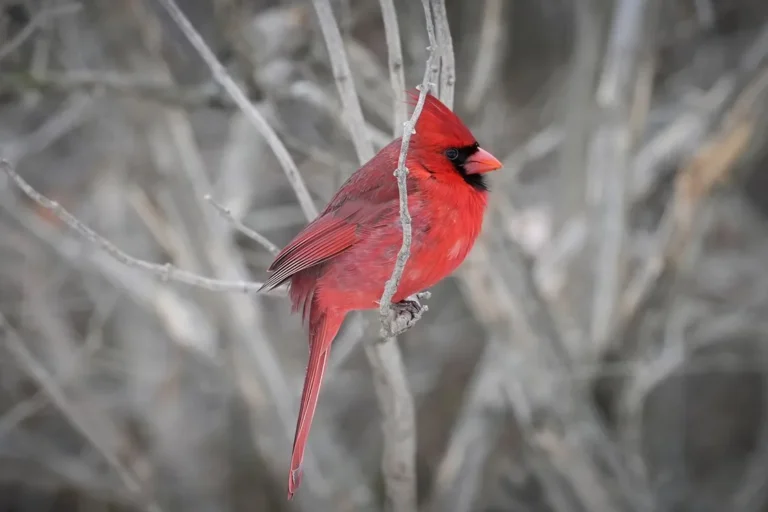
You've probably seen them: those brilliant flashes of red against a backdrop of green leaves or stark winter snow. But have you ever stopped to wonder why the male Northern Cardinal sports such a striking, vibrant color, while the females are more subtly shaded? It's a common question, and the answer is a fascinating glimpse into the world of avian biology and mating rituals.
The intense red plumage of the male cardinal isn't just for show; it's a powerful signal of his health, vigor, and suitability as a mate. This eye-catching display is the result of specific biological processes, primarily driven by hormones and diet, which directly influence the pigments deposited in his feathers. As of 2026, scientific understanding continues to refine these insights.
Quick Answer: Male Cardinals' Red Coloration
Male Northern Cardinals are red primarily because of pigments called carotenoids, obtained from their diet. Hormones, particularly testosterone, help them process and deposit these pigments into their feathers, creating the intense red color. This vibrant plumage serves as a signal of health and fitness to attract females during mating season.
The Biology Behind the Bright Red: Sexual Selection & Hormones
In the grand theater of nature, color often plays a starring role, especially when it comes to attracting a mate. For male Northern Cardinals, their brilliant red feathers are a key component of their reproductive strategy. This striking coloration isn't accidental; it's a product of evolution and the pressures of sexual selection.
Think of it as nature's way of helping the most desirable males stand out from the crowd.
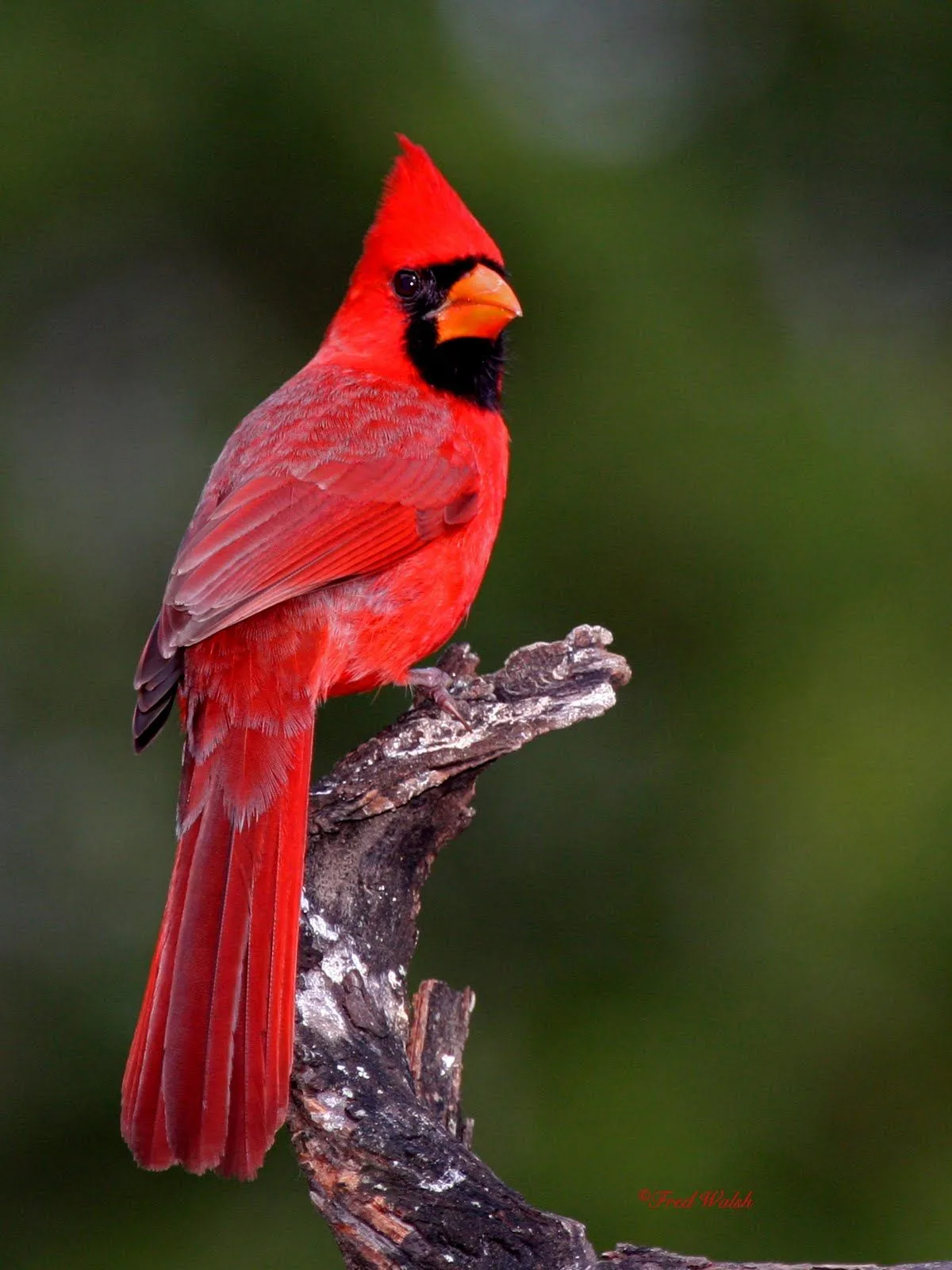
This intense red signals to potential mates that the male is healthy, well-nourished, and capable of surviving despite being highly visible to predators. It’s a visual résumé, if you will. The brighter and more consistent the red, the healthier and more resilient the bird is likely to be.
This concept of conspicuous coloration being linked to fitness is a widespread phenomenon in the animal kingdom, and cardinals are a prime example. Our research into avian mating behaviors confirms that such visual displays are critical for species like the Northern Cardinal.

Carotenoids: The Pigment That Paints the Male Cardinal
The dazzling red hue of male cardinals comes from a specific group of pigments known as carotenoids. These are organic compounds that many animals, including birds and humans, can't produce on their own. Instead, they must get them from their diet, typically from plants.
Think of fruits, vegetables, and seeds, these are the primary sources of carotenoids in a cardinal's world.
When a male cardinal consumes foods rich in carotenoids, his body absorbs these compounds. Then, through a complex biological process, these pigments are deposited into his growing feathers during molting. The more carotenoids he ingests and the more efficiently his body can process and deposit them, the more vibrant and intense his red coloration will be.
This dietary dependence means that environmental factors affecting food availability can indirectly impact a male cardinal's appearance. For instance, studies from university extension programs highlight how soil and climate conditions influence plant carotenoid content, which in turn can affect the plumage quality of local bird populations.
How Females Stay Discreet and Safe
While the males are busy showcasing their fiery colors, female cardinals sport a more muted, yet still beautiful, reddish-brown or buff plumage. This subtle coloration isn't a lack of pigment but a strategic advantage. Her coloring acts as excellent camouflage, helping her blend seamlessly into her surroundings.
This is particularly important when the female is on the nest, incubating eggs or tending to newly hatched chicks. Her ability to remain undetected by predators is crucial for the survival of her offspring. The contrast between the male's conspicuous display and the female's camouflaged appearance is a classic example of how different roles within a species can drive distinct evolutionary adaptations.
The Role of Testosterone in Red Plumage
Beyond the dietary source of pigments, hormones play a critical role in how that color is expressed. Testosterone, the primary male sex hormone, is a key player in developing and maintaining the male cardinal's bright red feathers. Higher levels of testosterone in males are linked to the production and deposition of carotenoid pigments.
Research indicates that testosterone influences the bird's metabolism, enabling it to efficiently process and embed these pigments into the feather structure. It also affects feather growth and maintenance, ensuring that the vibrant color is displayed prominently. This hormonal connection means that a male's breeding success can be influenced not just by his diet, but also by his overall hormonal health.
The intensity of the red can, therefore, be a reliable indicator of his physical condition and his ability to successfully reproduce.
Molting and Feather Freshness
Birds, including Northern Cardinals, don't keep the same feathers forever. They undergo a process called molting, where they shed old, worn-out feathers and grow new ones. This typically happens once or twice a year, often after the breeding season or before the harsh winter months.
It's during this molting phase that the pigments, including the all-important carotenoids, are incorporated into the new feathers.
The quality and vibrancy of a cardinal's red plumage are directly tied to the success of this molting process. A healthy male with ample access to carotenoid-rich foods and healthy hormonal levels will grow new feathers that are brighter and more intensely colored. Conversely, a bird that is stressed, malnourished, or ill might produce duller, less vibrant new feathers.
This continuous cycle of feather renewal and pigment deposition ensures that a male cardinal's appearance accurately reflects his current physical condition, making his plumage a dynamic signal of fitness.
Visual Identification: Male vs. Female Cardinal
Distinguishing between male and female Northern Cardinals is usually straightforward once you know what to look for, primarily their coloration. The most obvious difference is the male's vivid, all-over red plumage. This includes his crest, back, breast, and belly.
The female, on the other hand, displays a much more subdued palette. Her feathers are predominantly a warm, earthy brown or buff color. However, she’s not entirely without red tones.
You'll often see hints of reddish or brick-red on her crest, wings, and tail. These subtle red accents connect her visually to the male, reinforcing their species identity, while her overall coloring provides the camouflage benefits discussed earlier. It’s a beautiful example of sexual dimorphism, where males and females of the same species exhibit distinct physical characteristics.
Common Misconceptions About Cardinal Colors
Sometimes, people assume the difference in color between male and female cardinals is due to age or a simple variation. However, our research shows this isn't the case for Northern Cardinals. While juvenile cardinals of both sexes are typically a drab brown, a mature male will develop his signature red plumage after his first molt, provided he has access to the necessary nutrients and hormonal support.
A female, even as an adult, will retain her more muted coloration.
Another common thought is that the female's color is a sign of being "lesser" than the male's vibrant display. This overlooks the crucial evolutionary advantage of her camouflage. It's not about being less important; it's about fulfilling a different, vital role in the species' survival.
This misinterpretation often stems from valuing visibility over strategic concealment.
FAQs About Cardinal Coloration
Why are some male cardinals duller than others?
Duller red in male cardinals can indicate a less-than-ideal diet, particularly a shortage of carotenoid-rich foods, or underlying health issues. Testosterone levels also play a role; lower testosterone can result in less efficient pigment deposition. Our research indicates that birds in less optimal environments may exhibit less vibrant plumage.
Do cardinals change color with the seasons?
Northern Cardinals do not significantly change their feather color with the seasons. Their red and brown plumage is relatively consistent year-round, although the brightness can be at its peak when feathers are freshly molted. Seasonal changes in behavior, like nesting or migration patterns, are more pronounced than color shifts.
Are all red birds male cardinals?
No, not all red birds are male cardinals, and not all cardinals are red. Many species exhibit red coloration, such as the Scarlet Tanager or the House Finch, which also has red markings. Similarly, while male cardinals are distinctly red, other birds, like some female finches or tanagers, might have reddish hues or undertones in their feathers.
Can a female cardinal turn red like a male?
A female cardinal will not typically turn bright red like a male. Her coloration is genetically determined and serves a different purpose (camouflage). While she may have some reddish accents, she will not develop the intense, all-over red of a mature male.
What does it mean if a cardinal has white patches?
Unusual white patches on a cardinal, whether male or female, can indicate a condition called leucism. This is a genetic mutation that reduces pigmentation in the feathers, causing them to appear white or pale. It's different from albinism, where the eyes are also unpigmented (pink).
Leucistic birds are still capable of reproducing, but their unique appearance might affect their social interactions and visibility to predators.