Where Do House Sparrows Nest
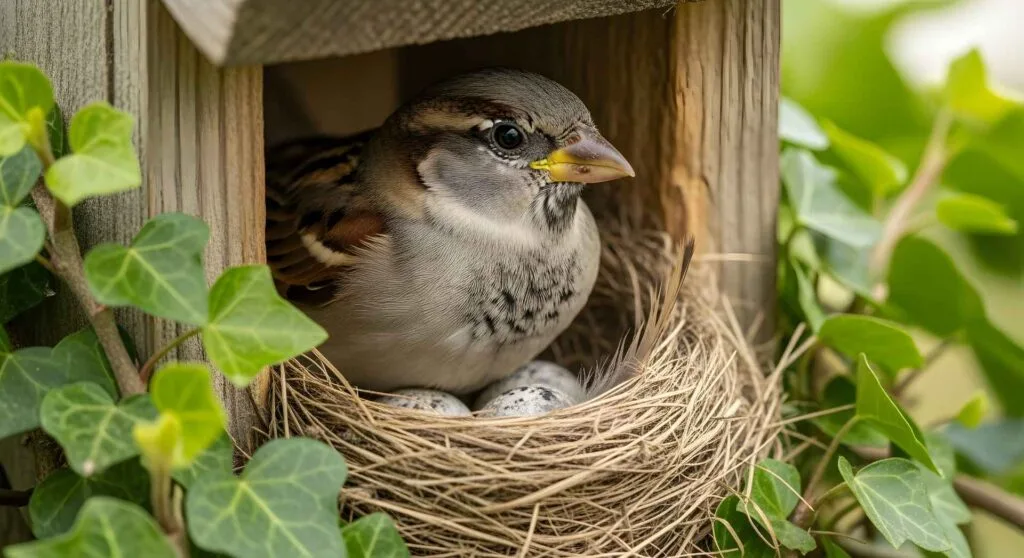
Image source: Bing (Web (fair-use with source credit))
House sparrows are remarkably good at making a home almost anywhere humans are. If you've ever wondered where do house sparrows nest, the answer usually involves a close look at the structures around us. They're cavity nesters, meaning they seek out enclosed spaces for safety and shelter.
Their preference for human-built environments means you'll often find them setting up shop in eaves, vents, or wall gaps. Aggregate research from ornithological studies, like those published in journals such as The Auk, indicates that these birds have become highly adapted to urban and suburban landscapes, often outcompeting native species for prime nesting real estate.
Quick Answer
House sparrows primarily nest in cavities found in man-made structures like buildings and sheds. They seek out enclosed spaces such as wall gaps, eaves, vents, and holes in brickwork. These adaptable birds also utilize signs, lighting fixtures, and dense vegetation.
What Makes a Good Sparrow Nesting Spot?
House sparrows are, at their core, opportunistic cavity nesters. This means they look for a pre-existing enclosed space to build their nests in, rather than constructing one from scratch in an open area like a tree branch. What makes a spot "good" for them is primarily determined by safety and access.
Building Crevices and Man-Made Homes
This is where house sparrows truly shine. They've evolved alongside human development, and our buildings offer an abundance of perfect nesting opportunities. Think of all the little nooks and crannies that appear in everyday structures.
- Gaps under eaves: The overhang of a roof provides a dry, sheltered spot that's often overlooked.
- Holes in brickwork or stonework: Mortar can crumble over time, creating small openings that are ideal.
- Ventilation shafts and pipes: These offer a ready-made tunnel into a protected space.
- Loose siding or soffits: Gaps here provide entry to the wall cavities behind.
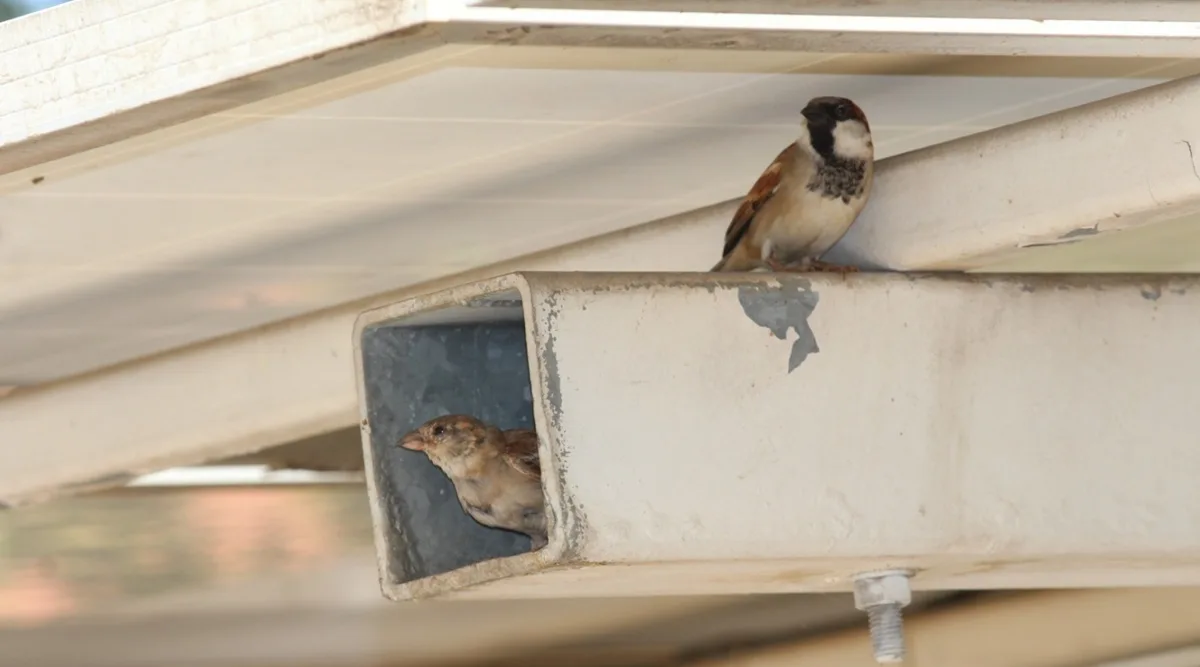
Image source: Web (Bing) / fity.club (Web image (fair-use with source credit))
These aren't just occasional spots; they are prime real estate for a sparrow family. The ease of access and protection from rain, wind, and many predators makes these locations highly desirable.
Natural vs. Artificial Cavities
While house sparrows will readily use artificial cavities like those found in buildings, they can also utilize natural ones. However, their strong preference is for the human-made options due to their prevalence and accessibility.
- Artificial Cavities: Buildings (houses, barns, sheds, factories), bridges, signs, streetlights, and even unused industrial equipment.
- Natural Cavities: Less common, but they might use holes in trees (though less frequently than native species), rock crevices, or very dense shrubbery.
The key factor is always the enclosed space. They aren't building exposed nests out in the open. Their nests are tucked away, hidden from view, which is a major reason why we often don't notice them until they've established themselves.
Spotting House Sparrow Nests: What to Look For
Identifying a house sparrow nest isn't always straightforward, as they tend to be well-hidden. But if you know what to look for, you can often spot the signs of their presence. It's less about spotting the nest itself initially and more about noticing the birds' activity and the materials they gather.
Visual Cues of Nest Location
The most telling signs are often the birds themselves and their behavior around potential nesting sites. If you see house sparrows repeatedly entering or exiting a specific hole, gap, or crevice in a building, especially during breeding season (typically spring and summer), it's a strong indicator.
- Activity Hotspots: Watch where sparrows seem to be congregating or spending a lot of time.
- Entry Points: Look for small, consistent openings in walls, under eaves, or around window frames that birds are using.
- Debris Trails: Sometimes, small bits of nesting material can be seen on the ground below a nesting site.
Identifying Nesting Materials and Structures
Once you suspect a location, look for evidence of their nest construction. House sparrow nests are usually quite distinct in their composition. They are typically made of a haphazard collection of available materials.
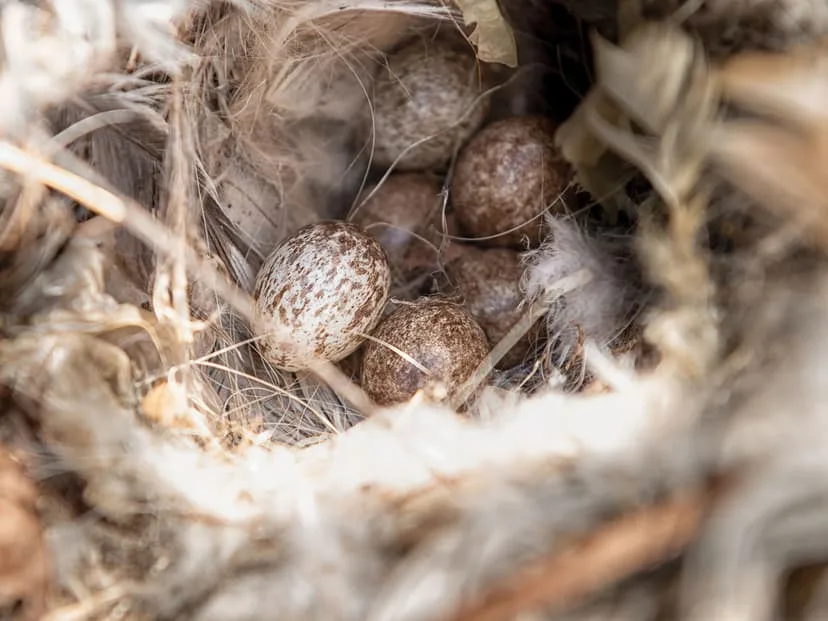
Image source: Bing (Web (fair-use with source credit))
- Rough Construction: Nests are not neat and tidy; they are often a messy jumble.
- Common Materials: You'll find dried grass, straw, feathers, string, bits of plastic, paper, and even animal fur woven together.
- Location within Cavity: The nest is built inside the chosen space, whether it's a wall cavity, a ventilation duct, or a gap under a roof tile.
The nest itself is a bulky structure, often dome-shaped or irregularly formed to fit the available space. As of 2026, ornithological surveys continue to document the widespread use of man-made debris in nest construction, highlighting the species' adaptability.
Where House Sparrows Absolutely Love to Nest
It's no secret that house sparrows are practically synonymous with human settlements. They actively seek out environments that we create, and this preference dictates their nesting choices. They are masters at finding and exploiting the architectural features that we often overlook.
Prime Real Estate: Buildings and Structures
Our buildings provide the ultimate sheltered housing. House sparrows will happily nest in a grand old barn, a modern office block, or a suburban family home.
- Eaves and Rooflines: The underside of eaves offers excellent protection from rain and sun. Gaps where the roof meets the wall are frequently used.
- Wall Cavities: Holes in brick, gaps in mortar, or spaces behind loose siding create ready-made, insulated rooms.
- Vents and Chimneys: While these can sometimes be problematic, sparrows will build nests within ventilation ducts or the top of chimneys if accessible.
- Window and Door Frames: Small gaps around frames can provide enough space for them to begin construction.
- Signs and Fixtures: Anything that offers a secure, enclosed perch, like under a street sign or inside a porch light fixture, is fair game.
These spots offer consistent shelter and are less susceptible to extreme weather fluctuations that might affect nests in more exposed locations.
Natural vs. Artificial Cavities
While they might occasionally use natural cavities like holes in mature trees or rock crevices, their success rate is far higher in areas with abundant artificial nesting sites. The sheer availability and predictable nature of human-made structures make them the preferred choice for house sparrows looking to raise their young. It’s this adaptability to our built environment that has cemented their place as a common avian resident.
Why House Sparrows Choose Human Spaces
It boils down to a simple equation: humans create ideal homes for house sparrows. Our environments provide safety, warmth, and readily available resources that these birds can exploit with remarkable efficiency. Their success is a testament to their adaptability and opportunistic nature.
Advantages of Urban and Suburban Living
Urban and suburban areas offer a smorgasbord of benefits for house sparrows. They have access to a constant supply of food, often from human waste or garden feeding. More importantly for nesting, our built environments are riddled with the very structures they seek.
- Abundant Nesting Sites: Buildings offer countless nooks, crannies, and holes.
- Food Availability: Spilled grain, dropped food, bird feeders, and insect populations drawn to urban lights contribute to a reliable food source.
- Reduced Predator Pressure (Sometimes): While cats exist, the density of buildings can offer more escape routes compared to open country.
Food and Shelter Availability
The combination of accessible food and plentiful, secure nesting sites makes human-dominated landscapes the perfect habitat for house sparrows. They don't need to expend as much energy searching for food or suitable nesting locations as species relying solely on natural environments. This efficiency allows them to thrive and reproduce successfully.
Research indicates that the availability of artificial cavities is a primary driver of their population distribution in urban centers.
Common Nesting Mistakes and Misconceptions
When we talk about house sparrow nests, it's easy to fall into a few common traps of thinking. Understanding these can help you identify them accurately and know how to manage them if necessary, without causing unintended harm.
Confusing Sparrow Nests with Native Bird Nests
This is a big one. House sparrows are non-native and can be aggressive toward native birds, sometimes taking over their nesting sites. If you find a nest and want to know if it's a house sparrow, consider the location and materials.
- Location: Native birds might prefer specific trees, shrubs, or exclusive birdhouses, while sparrows are more generalists often using building structures.
- Materials: While many birds use grass and twigs, sparrows are notorious for incorporating man-made debris like string and plastic.
- Aggression: If you witness sparrows actively chasing away other desirable songbirds from a potential nest site, it's a strong clue.
It's crucial to differentiate, as many native birds are protected, and their nests should not be disturbed.
Nesting in Critically Important Areas (e.g., vents)
A common problem is house sparrows building nests in areas that are functional and essential for your home. This can lead to issues ranging from fire hazards to ventilation problems.
- Dryer Vents: Nests here can easily ignite, posing a serious fire risk, and can also block airflow, reducing dryer efficiency.
- Range Hood Vents: Similar to dryer vents, these can create fire hazards and ventilation issues.
- Exhaust Vents for HVAC Systems: Blockages can lead to system inefficiency and potential damage.
It’s important to remember that while sparrows are common, their nests can cause damage or pose risks if located in critical home infrastructure. Addressing these situations requires careful consideration, as regulations can vary regarding the removal of bird nests, especially during breeding seasons.
House Sparrow Nesting: Expert Observations
Observing house sparrow nesting habits offers a fascinating look into how adaptable wildlife can be. These birds don't stick to rigid rules; instead, they exploit whatever opportunities are present in their environment, which is largely dictated by human activity. This section focuses on the timing and practical aspects of their nesting behaviors.
Seasonal Nesting Patterns
House sparrows are prolific breeders, and their nesting season can be quite extended. While the peak activity usually occurs during warmer months, especially from spring through late summer, they can sometimes nest year-round in milder climates or when conditions are particularly favorable. In many temperate regions, you might see nesting activity starting as early as March and continuing through September.
- Early Spring: Pairs begin seeking out suitable nesting sites and gathering materials.
- Late Spring/Early Summer: This is typically the busiest period for nest building and chick-rearing, with multiple broods often raised.
- Late Summer/Early Fall: Nesting may continue, though at a reduced rate, as food availability and weather become less predictable.
The ability to raise several broods a year contributes significantly to their widespread success and population density in urban areas.
Dealing with Unwanted Nests
When house sparrows nest in problematic locations, such as vents or chimneys, dealing with them requires a careful approach. It's important to check local regulations regarding bird nests, particularly if they might contain eggs or young. Disturbing active nests is often illegal.
- Prevention is Key: The best strategy is to prevent nesting by sealing up potential entry points before the breeding season begins.
- Timing is Crucial: If removal is necessary and legally permissible, it's best done after the nesting season has concluded and the nest is no longer active.
- Professional Advice: For nests in critical infrastructure like chimneys or HVAC systems, consulting with wildlife removal services or pest control experts is advisable. They can assess the situation and recommend safe, legal removal methods.
Frequently Asked Questions About House Sparrow Nests
Do house sparrows reuse old nests?
Yes, house sparrows often reuse existing nests, sometimes with additions or modifications, or they might build a new nest very close to an old one. This is particularly common if the original nesting cavity is still available and suitable.
Can house sparrow nests cause damage?
Absolutely. Nests built in dryer vents or chimneys can pose fire hazards due to flammable materials accumulating and potentially igniting. Blocked vents also reduce efficiency and can lead to moisture buildup.
Are house sparrows protected by law?
In many regions, particularly in North America, house sparrows are considered non-native invasive species and are not protected under the Migratory Bird Treaty Act. However, local ordinances or specific circumstances (like nests containing young) may still require careful handling.
What's the difference between a sparrow nest and a robin's nest?
Robin nests are typically open, cup-shaped structures made of mud and grass, usually built on horizontal branches or ledges. House sparrow nests are bulkier, messier, and always built inside enclosed cavities, using a wider variety of materials including string and plastic.
How can I prevent sparrows from nesting on my house?
The most effective method is to seal up all potential entry points before the breeding season. This includes gaps under eaves, holes in siding, and openings around vents. Installing bird spikes or netting in vulnerable areas can also deter them.
Understanding House Sparrow Nesting Behavior
The nesting behavior of the house sparrow is a masterclass in adaptation and opportunism. It’s not just about finding a spot; it’s about efficiently building a secure home and raising as many young as possible. Their strategy is deeply intertwined with the environments we create.
Nest Building Materials and Techniques
House sparrows are known for their rather untidy nests, which are constructed from whatever materials are readily available in their environment. This often includes a mix of natural and man-made items, reflecting their close association with human activity. They meticulously gather grass, straw, feathers, and twigs, but are equally adept at incorporating bits of string, paper, plastic, and even bits of shiny foil.
- Material Gathering: Pairs work together, with one often collecting materials while the other remains at the nest site.
- Construction: The nest is typically built within the chosen cavity, often starting with a base of coarser materials and finishing with finer, softer items for lining.
- Bulk and Shape: Nests can be quite large and bulky, sometimes filling the entire space of a small cavity. They are generally rounded or irregular to fit the specific contours of their chosen spot.
The Role of Cavities in Their Strategy
The reliance on cavities is central to their nesting success. These enclosed spaces offer critical protection from predators and the elements. Unlike many native songbirds that build open-cup nests in trees or shrubs, house sparrows' cavity-nesting strategy allows them to thrive in highly modified landscapes where suitable natural sites might be scarce.
They are experts at exploiting the architectural features of human dwellings, transforming potential entry points into safe nurseries.