Large Birds
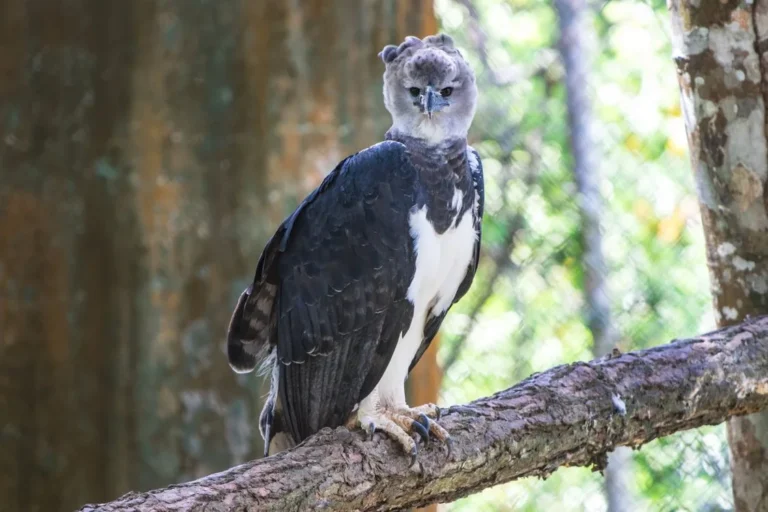
Spotting large birds in the wild is a thrilling experience that turns a simple walk into a lesson in biology. Whether you are watching a massive wingspan glide over the coast or seeing a flightless giant race across a field, these birds define the scale of their ecosystems.
As of 2026, scientists categorize these avian giants based on their evolutionary adaptations to weight and flight. The Wandering Albatross, for instance, maintains a record-breaking wingspan of over 11 feet, demonstrating extreme aerodynamic efficiency. Let's look at what makes these birds so uniquely suited to their environments.
Quick Answer
Large birds include flightless species like ostriches and soaring masters like albatrosses. They are defined by significant body mass or immense wingspans. These physical traits help them survive in diverse habitats.
Most species require vast territories to find enough food. Their size acts as both a survival tool and a challenge.
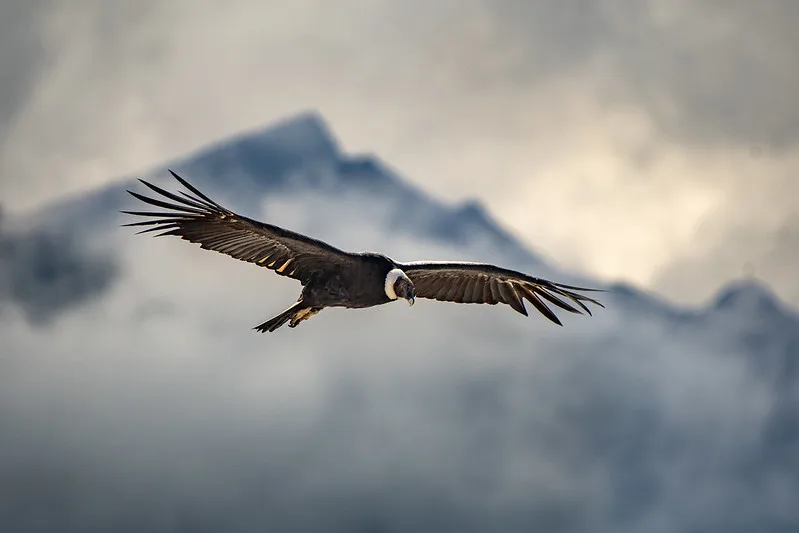
Image source: Bing (Web (fair-use with source credit))
Why Scale and Silhouette Matter in the Field
When you are out in the field, identifying large birds starts with looking at their shape against the sky. A bird's silhouette provides more clues than its color or feathers, especially when it is high above you. Large birds have heavy bodies that catch the light differently than smaller species.
You should pay close attention to how a bird moves its wings. Large soaring birds often use thermal currents to stay aloft, meaning they flap less than you might expect. This behavior is a key identifier.
If a bird is flapping constantly, it is likely smaller or carrying prey that requires more effort to transport.
The Cornell Lab of Ornithology provides extensive resources for understanding these flight patterns, which can help you distinguish between different raptors at a glance. The Cornell Lab of Ornithology offers detailed guides on identifying birds based on their silhouette and flight behavior. Always look for the ratio of head size to wing length.
This simple mental measurement helps you narrow down the species quickly.
Anatomy of the Giants: Comparing Terrestrial vs. Aerial Adaptations
Large birds fall into two main groups based on their anatomy. The first group is built for life on the ground, while the second is engineered for the sky. Understanding this difference helps you predict where you will find them.
Flightless birds, known as ratites, have heavy, dense bones. This weight gives them stability and power for running. They lack the specialized keel bone on their chest that flighted birds need for anchoring large wing muscles.
Because they do not have to worry about the physics of lift, they can grow to be remarkably tall and heavy.
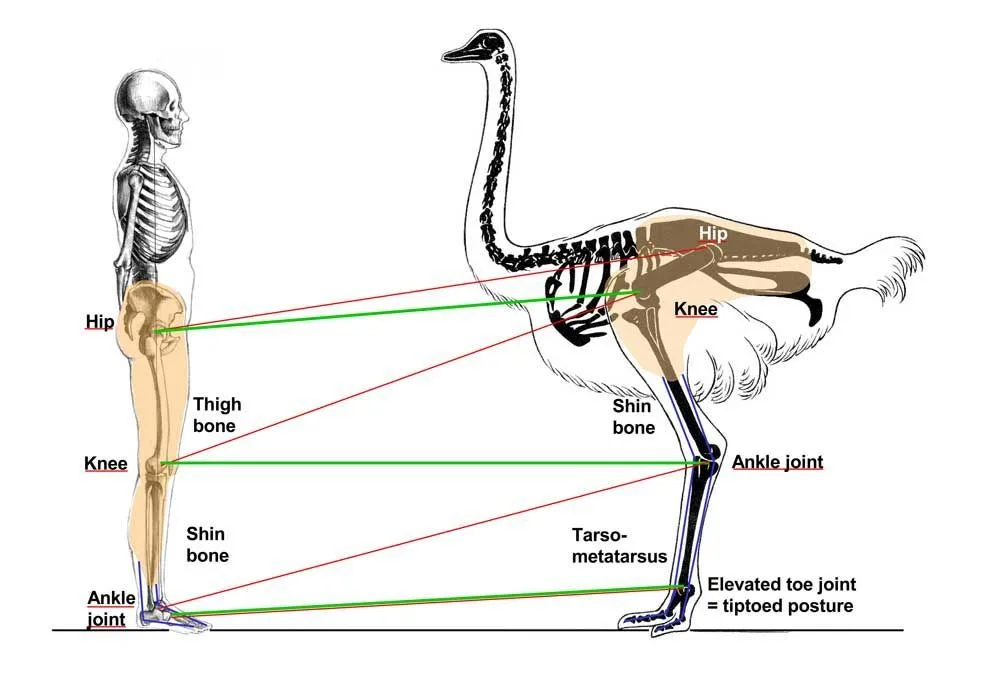
Image source: Bing (Web (fair-use with source credit))
Aerial giants take the opposite approach. They have hollow, lightweight bones that reduce their overall body mass. This design is crucial for staying airborne for long durations.
Their wings are often long and thin, which allows them to lock their joints and glide for hours without using energy.
| Feature | Terrestrial Giants | Aerial Giants |
|---|---|---|
| Bone Structure | Dense, heavy | Hollow, light |
| Primary Movement | Running | Soaring / Gliding |
| Chest Muscles | Less developed | Highly developed |
| Range Needs | Localized terrain | Expansive air corridors |
Essential Field Identification: A Visual Workflow for Observers
Identifying a large bird accurately requires a repeatable workflow. You should avoid guessing based on color alone. Instead, follow a logical path to confirm the species.
First, observe the environment. Is the bird on the ground or in the air? If it is on the ground, focus on leg length and neck structure.
If it is in the air, look for the wing shape and tail fanning.
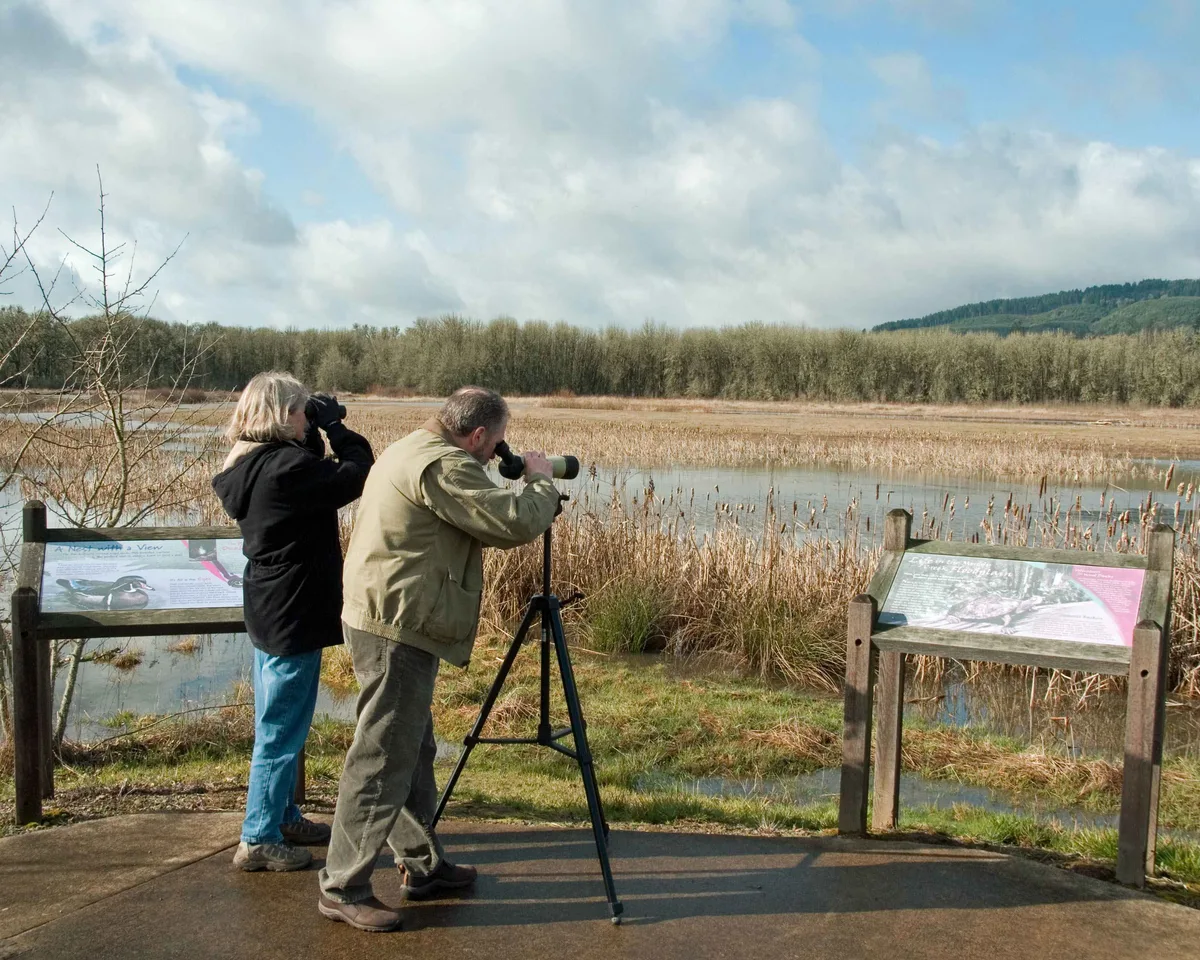
Image source: Bing (Web (fair-use with source credit))
Use this workflow to narrow down your observations:
- Step 1: Note the flight pattern. Does it glide, flap, or run?
- Step 2: Assess the wing-to-body ratio. Does the bird look like a cross, a wide board, or a kite?
- Step 3: Check for diagnostic markings. Look for white patches on the wingtips or specific tail feather patterns.
- Step 4: Compare the bird to nearby landmarks. This helps you gauge the actual size versus the perspective.
Navigating Behavior: Understanding Energy and Habitat Needs
Large birds are highly sensitive to their caloric intake. They spend a massive portion of their day foraging to maintain their body weight. If you see a large bird, notice how much time it spends resting.
Many large species operate on an energy-saving model. They hunt or forage only during optimal times to conserve heat and muscle strength. For example, vultures use midday thermals to rise, while eagles may wait for the right wind conditions to save energy during hunting.
The U.S. Fish and Wildlife Service often monitors these habitat needs to ensure species recovery efforts remain effective. You can find detailed information about protected habitats and species requirements at [U.S.
Fish and Wildlife Service](https://www.fws.gov). When you see a large bird in a specific area, it is almost certainly there because that environment provides the exact resources it needs to support its large frame.
Respecting the Giants: Safety, Ethics, and Regulatory Boundaries
Interacting with large birds requires a strict code of ethics to ensure their safety and your own. Because these birds are often apex predators or specialized survivors, they are sensitive to human presence. The most important rule is to maintain a distance that keeps the bird calm.
If a bird changes its behavior because you are nearby, you are too close. Watch for signs of stress, such as aggressive posturing, calling out, or preparing for sudden flight. Taking flight is a high-energy event for a large bird.
Repeated disturbances can force a bird to abandon its nest or skip a feeding opportunity, which has serious consequences for its survival.
Federal regulations like the Migratory Bird Treaty Act provide legal protection for many of these species in the United States. It is illegal to harass, capture, or disturb nesting sites without proper authorization. Respect these boundaries to ensure that large birds remain a part of the landscape for future generations.
Follow these best practices for ethical observation:
- Use binoculars or a spotting scope instead of moving closer.
- Stay on designated trails to avoid crushing nesting areas or sensitive vegetation.
- Keep pets on a leash or leave them at home.
- Avoid using flash photography near nests or resting sites.
Common Misconceptions and Identification Errors
One common error is overestimating the size of a bird seen at a distance. When you have no reference point like a tree or a fence post, your brain often defaults to assuming a bird is larger than it really is. This is especially true when observing birds against a featureless sky.
Another frequent mistake is confusing different species that share similar wing shapes. For example, a young Golden Eagle and a Turkey Vulture can look identical if you only see their silhouette. Look for the "V" shape of a vulture's wings versus the flat, board-like wings of an eagle.
Don't ignore the importance of lighting conditions. A bird that looks black in the shadows might show distinct brown or grey patterns when the sun hits it from a different angle. Always wait for a clear view before making a final identification.
Comparison of Aerial and Terrestrial Strategies
Choosing between watching ground-dwelling ratites and sky-bound raptors changes your entire birding approach. Ground-based giants prioritize raw speed and defensive posture to survive. Their strategy relies on terrestrial mobility, meaning you will find them in open grasslands or scrubby bush where they can scan the horizon for threats.
Conversely, aerial hunters use the vertical dimension to their advantage. They invest energy in climbing to high altitudes where they use thermal currents to remain stationary. This makes them ideal for observers who enjoy scanning the clouds or ridge lines.
- Terrestrial Birds: Best for those who enjoy close-range observation in flat, open terrain.
- Aerial Birds: Best for those who prefer long-range scanning and understanding complex movement patterns.
Understanding these trade-offs helps you decide what equipment to bring. If you are going after ground-based giants, a good set of binoculars is often enough because they stay within reasonable view. If you are tracking soaring species, a spotting scope on a sturdy tripod is the gold standard.
It allows you to track movement across the sky for hours without tiring your arms or losing your focal point.
Use Cases and Ideal Observation Scenarios
Large birds are most active when thermal activity is at its peak. This usually occurs mid-morning once the sun has warmed the earth enough to create rising air columns. If you show up at dawn, you will likely find these birds resting or waiting for the environment to "wake up" and provide the lift they need.
The best use case for tracking large species is during seasonal migration. During these periods, birds follow established corridors. Local Audubon chapters often provide data on these flyways, which helps you position yourself in the path of massive groups.
If you are a photographer, you need to account for the speed of these creatures. A soaring albatross or eagle moves faster than it appears, so a high shutter speed is a non-negotiable requirement. Most experienced photographers aim for at least 1/1000th of a second to freeze the wing motion.
Always prioritize shooting in manual mode, as the variable brightness of a bright sky can easily trick a camera's auto-exposure.
Mistakes to Avoid When Tracking Giants
The most frequent mistake observers make is moving too fast near a resting bird. Large birds are naturally wary, and any sudden motion signals a threat. Even if you are a hundred yards away, your silhouette against the horizon is visible.
Approach slowly, stay low to the ground, and avoid direct eye contact, which many species perceive as a predatory threat.
Another common error is chasing a bird that has taken flight. Once a large bird is in the air, you cannot catch it. Trying to follow it by vehicle or running just causes the bird to expend unnecessary energy.
It may force the bird to abandon its current foraging grounds entirely.
- Avoid over-identification: Don't claim a rare sighting based on a fleeting glimpse. Verify the wing shape and size against known regional data.
- Don't ignore the weather: Tracking raptors in high winds can be difficult, as they often fly lower or seek cover in trees.
- Watch your gear: Reflective surfaces like shiny lenses or jewelry can catch the sun and alert the bird to your presence.
Keep your gear quiet and your movements deliberate. If you treat your observation as a "wait and watch" game rather than a hunt, you will see much more natural behavior. Success with these species is almost always about patience, not speed.
Frequently Asked Questions
How do I distinguish between an eagle and a vulture?
Eagles hold their wings in a flat, straight line while soaring. Vultures hold their wings in a pronounced "V" shape. Eagles also have more active flight patterns, whereas vultures tend to rock or wobble in the wind as they hunt for carrion.
Why do some large birds run instead of flying?
Flightless birds have evolved to trade flight for speed and power on the ground. Their physiology, including dense bone structure and lack of a keel bone, makes the energy cost of flight impossible. Running allows them to conserve energy and reach high speeds to escape predators.
What should I do if I see an injured large bird?
Do not approach or try to capture the bird yourself. Large birds have powerful talons or beaks that can cause serious injury. Contact your local wildlife rehabilitation center or the state wildlife agency for professional assistance.
They have the training to handle these animals safely.
Why do large birds seem to glide so much?
Gliding is an energy-efficient way to travel long distances. By using thermal currents, they gain altitude without flapping their wings. This allows them to cover large territories in search of food while keeping their caloric expenditure as low as possible.
Are all large birds protected by law?
Most native large bird species in the United States are protected under the Migratory Bird Treaty Act. This law makes it illegal to hunt, sell, or disturb these birds without a permit. Always check local wildlife regulations before engaging in activities that might impact their habitats.
How do I know if a large bird is nesting?
Look for consistent activity in a specific area, such as a large stick platform in a tree or a scrape on the ground. Birds showing repetitive flight paths to and from a central point are likely feeding young. Stay well back, as nesting parents are highly sensitive to intruders and may abandon a site if they feel threatened.
What is the average wingspan of a large bird?
There is no single average because species vary wildly. A Trumpeter Swan may have a wingspan of about 6 feet, while a Wandering Albatross can exceed 11 feet. You should research the specific species in your region to get an accurate benchmark for identification.
Can large birds fly in the rain?
Most large birds avoid flying in heavy rain because wet feathers increase their weight and reduce aerodynamic efficiency. Flightless birds are generally unfazed by rain, but raptors and soaring birds will seek shelter in dense canopy or rocky outcroppings until the weather clears. They prefer clear, windy days that support thermal lift.