Bird Communication Methods
Bird communication methods go far beyond songs and calls, and most birders never realize how much information they're missing. When a chickadee repeats its phrase, a crow mobbing overhead, or a flock taking off in waves, those are all deliberate signals. If you've ever stood in a forest wondering what a bird is trying to say, this guide will help you start listening with real understanding.
Research from the Cornell Lab of Ornithology shows that many songbird species produce over 30 distinct call types across their lives. Each one serves a specific social function, from predator warnings to mate attraction. As of 2026, bioacoustic tools have made recording and analyzing these vocalizations easier than ever.
Let's start with what birds actually use to communicate.
Quick Answer
Bird communication methods include vocalizations such as songs, calls, and mimicry. They also include visual signals like plumage displays and threat postures. Tactile communication involves preening and physical contact between birds.
Chemical signals like pheromones play a smaller but real role. Together, these methods convey territory, mating status, danger, and social bonding.
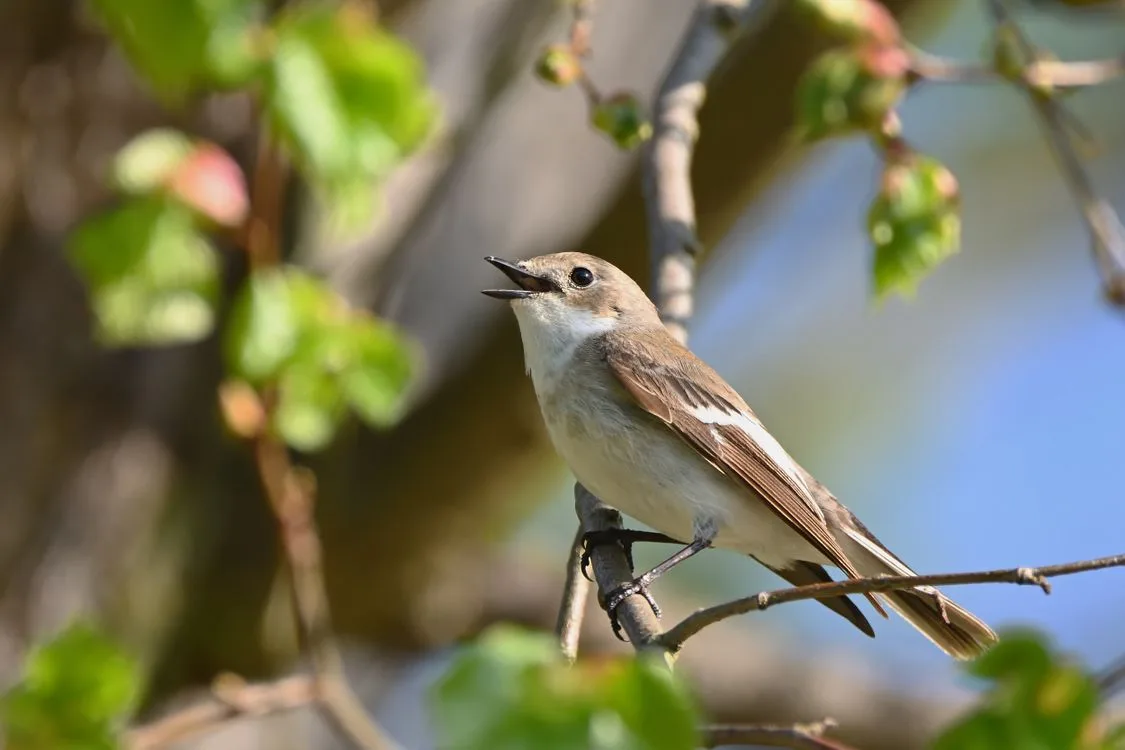
Image source: Web (Bing) / pexels.com (Web image (fair-use with source credit))
Why Reading Bird Communication Makes You a Sharper Birder
Understanding bird communication turns you from a passive observer into someone who actually knows what's happening in the field. Most new birders focus entirely on plumage, size, and shape. That's useful, but it misses half the picture.
Birds use communication to manage territory, raise young, warn of predators, and maintain flock bonds. When you can read those signals, you gain a deeper connection to the habitat you're standing in. It's not just about identifying a species.
It's about understanding behavior in real time.
Think about a flock of European starlings suddenly taking flight together. Without context, that just looks random. But if you know what starling contact calls sound like, you'll notice the alarm call that triggered it.
You'll understand that a hawk passed nearby. That awareness changes the entire experience.
In our research, birdwatchers who invest time learning bird language report higher satisfaction with their outings. The skill compounds too. The more you practice, the more subtle signals you catch.
The practical benefits show up fast:
- Earlier predator detection during field surveys
- Better species identification when visual ID fails
- Improved data quality for citizen science projects like eBird
- Stronger ability to monitor nesting and breeding activity
- More rewarding birding experiences in any habitat
Whether you're a hobbyist birder or working in ecological research, understanding bird communication methods pays off quickly. The Cornell Lab of Ornithology offers free sound libraries and identification tools that make this skill accessible to anyone willing to practice.
The Four Core Methods Birds Use to Communicate
Birds don't rely on one channel to send messages. They use four distinct methods, each suited to different situations.
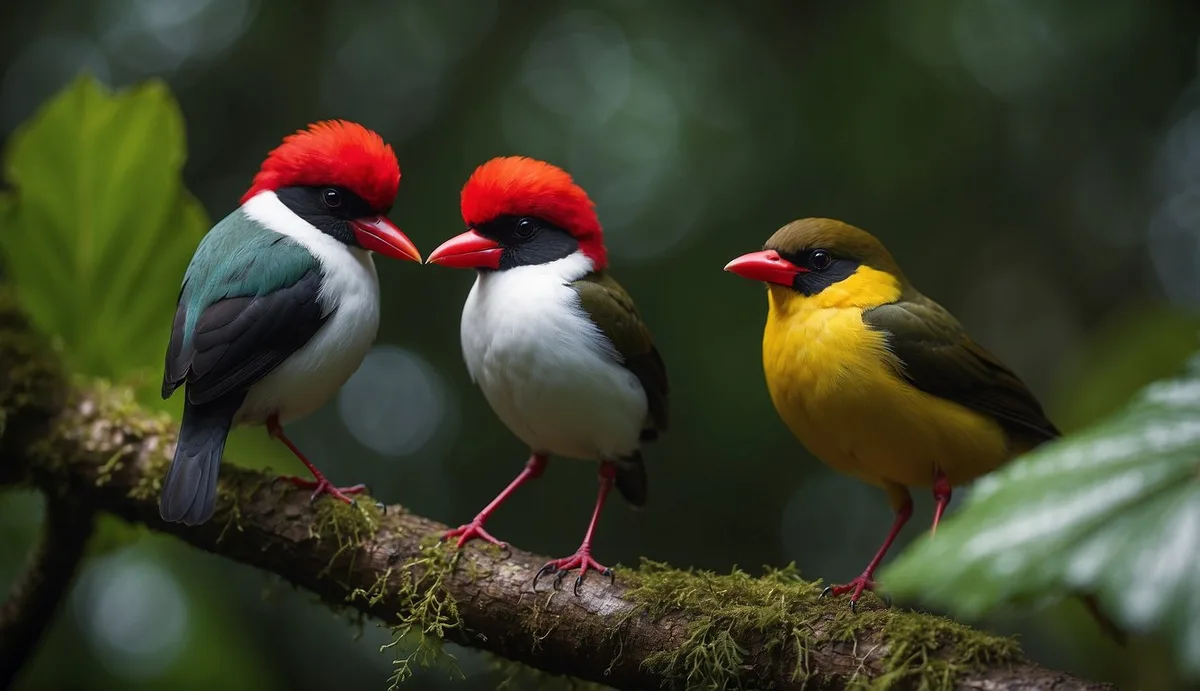
Image source: Web (Bing) / animalresearcher.com (Web image (fair-use with source credit))
Vocal Communication: Songs, Calls, and Vocal Mimicry
This is the most obvious channel. Vocal communication covers learned songs used in courtship and territory defense, plus innate calls for alarm, contact, and begging. Some species, like the Australian lyrebird, are remarkable mimics that can reproduce a wide range of sounds.
Songs tend to be long, complex, and species-specific. Calls are shorter, more repetitive, and usually hardwired. Both carry meaning that experienced birders learn to decode over time.
Visual Communication: Postures, Plumage, and Display
Many birds broadcast messages through body language. A raised crest signals aggression. Fluffed feathers can mean cold or dominance.
The male peacock's tail display is the classic example of visual courtship signaling.
These signals work at close range where sound might not carry or where the message needs to be unmistakable. In dense forest, visual cues often matter more than vocal ones.
Tactile Communication: Preening and Physical Contact
Preening isn't just grooming. When birds preen each other, it reinforces social bonds and reduces tension within a pair or group. It's common among mated pairs and flock members who trust each other.
Physical contact also includes bill-to-bill feeding between parents and chicks. Jostling within a flock helps maintain social hierarchy without any sound at all.
Chemical Communication: Scent and Pheromones
This is the least studied channel, but it's real. The uropygial gland produces oils that carry individual scent signatures. Some research suggests these scents play a role in mate recognition.
| Method | Best Range | Primary Function |
|---|---|---|
| Vocal | Medium to long range | Territory, alarm, mate attraction |
| Visual | Close to medium range | Courtship, dominance, threat |
| Tactile | Very close range | Bonding, social hierarchy |
| Chemical | Very close range | Identity, mate recognition |
How to Interpret Bird Body Language and Visual Displays
Reading visual communication in the field takes practice, but the fundamentals stay consistent across species.
Courtship Displays
Male birds often perform elaborate displays during breeding season. Courtship song paired with physical movement is the most common combination. A warbler singing loudly while exposing a bright throat patch is signaling both fitness and availability.
Visual courtship follows a pattern. The male initiates. The female evaluates.
She either stays or leaves. Watch long enough and you'll learn to spot the difference between a male trying to impress and a male guarding territory.
Threat Postures and Alarm Signals
Threat postures vary by species, but the pattern is clear. A bird that suddenly freezes, lowers its body, and locks its gaze on a target is signaling aggression. This is common in cardinals defending a feeder from intruders.
Alarm signals are different. They involve sudden movement, repeated calls, and often a flight response. When a robin calls repeatedly while watching the ground, something is disturbing it.
A cat, a snake, or a human.
Reading Flock Behavior
Flock cohesion is maintained through contact calls. Birds in a moving flock stay in sync by calling at regular intervals. If the calls stop, something has changed.
The flock tightens, slows down, or flushes entirely.
Mobbing behavior tells you predators are nearby. Small birds gathering around a larger bird and calling aggressively is one of the clearest field signals you can learn.
Bird Songs vs. Bird Calls: Spotting the Difference
The distinction between songs and calls confuses a lot of birders, but the basics are straightforward.
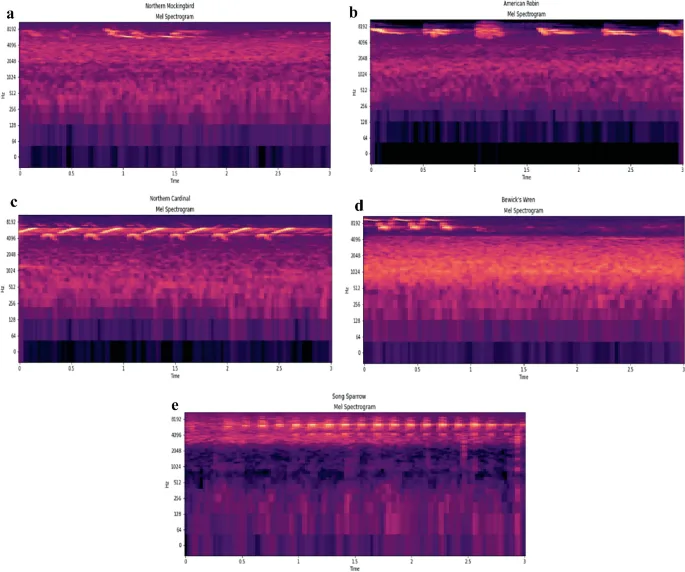
Image source: Web (Bing) / link.springer.com (Web image (fair-use with source credit))
Songs are complex, learned vocalizations. They're used primarily for territory defense and mate attraction. Most male songbirds learn their songs during a critical juvenile period, often mimicking adults nearby.
Calls are shorter, simpler, and usually innate. Every cardinal knows its call from birth. Songs, though, can vary significantly between regions and even between individual birds.
Songs vs. Calls: A Quick Comparison
| Feature | Song | Call |
|---|---|---|
| Complexity | Long, varied phrases | Short, repetitive |
| Learned or innate | Mostly learned | Mostly innate |
| Primary purpose | Courtship, territory | Alarm, contact, begging |
| When used | Breeding season mostly | Year-round |
| Regional variation | High (dialects) | Low |
Songs vary widely between regions. The Carolina wren, for example, has distinct song dialects across its range. These differences exist because song learning is cultural, not purely genetic.
When you analyze a recording on a spectrogram, songs show varied frequency patterns and complex syllable structures. Calls show simpler, more repetitive shapes. A spectrogram visualizes sound as frequency over time, making it easier to spot the difference between the two.
Common Mistakes When Reading Bird Communication Behavior
Even experienced birders make these errors. Knowing them up front saves time and confusion.
Misreading Alarm Calls as Mating Behavior
This is the most common mistake beginners make. A bird calling repeatedly with sharp, agitated notes is usually alarmed, not courting. True mating calls tend to have a rhythmic, melodic quality.
If you're unsure, watch the behavior. A bird calling while scanning the sky or ground is on alert. A bird calling while displaying plumage or performing a dance is likely courting.
Ignoring Visual Signals in Favor of Audio
Many birders listen for sound but miss what the bird is doing physically. A bird with a puffed chest and lowered head is aggressive. A bird that flattens itself and turns away is submissive.
These signals carry the same weight as vocal ones.
Timing Errors
Songs and calls follow seasonal patterns. Most songbirds sing most intensely in spring during the dawn chorus. Out of season, the same species might be quiet or produce mostly contact calls.
If you're not hearing songs in July, that's normal for many species. It doesn't mean the birds are gone. They've shifted to call-only communication.
Overlooking Urban Noise Effects
Urban environments change how birds communicate. Research shows that birds in noisy areas raise their pitch to compensate for low-frequency traffic noise. According to USGS ecological monitoring studies, this shift can throw off identification if you're using rural recordings as references.
Frequently Asked Questions
What are the main bird communication methods?
Bird communication methods fall into four categories. Vocal signals include songs, calls, and mimicry. Visual signals include plumage displays, body postures, and threat signals.
Tactile signals involve preening and physical contact. Chemical signals include scent produced by uropygial glands. Most birds use a combination of these throughout their lives.
Do all birds learn to sing, or are some born knowing their vocalizations?
Most songbirds learn their songs during a juvenile critical period, often by mimicking adults nearby. Calls are generally innate, meaning birds are born knowing them. However, species like the lyrebird and mockingbird learn a wider range of sounds, including human-made noises.
How does noise pollution affect bird communication?
Traffic and urban noise mask bird vocalizations, forcing birds to change how they call. Studies show urban birds raise their pitch and often shift singing times to dawn or night. This adjustment helps them cut through the noise, but it can disrupt mating success and predator detection.
Can you identify bird species by sound without any equipment?
Yes. Many experienced birders identify species by ear alone using pattern recognition and memory. Building a personal reference library through practice, field journals, and audio recordings speeds this skill dramatically.
Tools like spectrogram software help, but they aren't required to start.
Why do birds sing differently in different regions?
Regional song differences, called dialects, develop because birds learn songs from local adults rather than inheriting them genetically. A male bird raised in one area will carry that region's dialect. This creates distinct acoustic patterns across a species' range.