What Do Owls Eat
If you’ve ever watched an owl sitting perfectly still in the moonlight, you’ve probably wondered what do owls eat to stay so alert and powerful. These birds are nature's most effective pest control experts, relying on an opportunistic diet that shifts based on their specific habitat.
As of 2026, wildlife research shows that most owl species thrive by consuming small mammals, though their menu remains surprisingly flexible. Their hunting success depends on specialized physical traits that allow them to locate and secure prey with incredible precision.
Quick Answer
Owls are opportunistic carnivores that eat small prey. Most owl diets consist primarily of rodents like mice. They also consume birds, insects, and small amphibians.
Large owls may hunt rabbits or other small mammals. They swallow their prey whole or in large chunks.
The Truth About What Owls Actually Eat
Owls are strictly carnivorous, meaning they require meat to meet their high metabolic needs. They don't scavenge like vultures, choosing instead to hunt live prey they can ambush. Their diet is categorized by size and availability rather than preference.
Most owls are opportunistic feeders. They don't stick to a single animal species. If a specific rodent population drops, an owl will shift its focus to birds, insects, or even fish depending on the environment.
This flexibility allows them to survive in diverse climates.
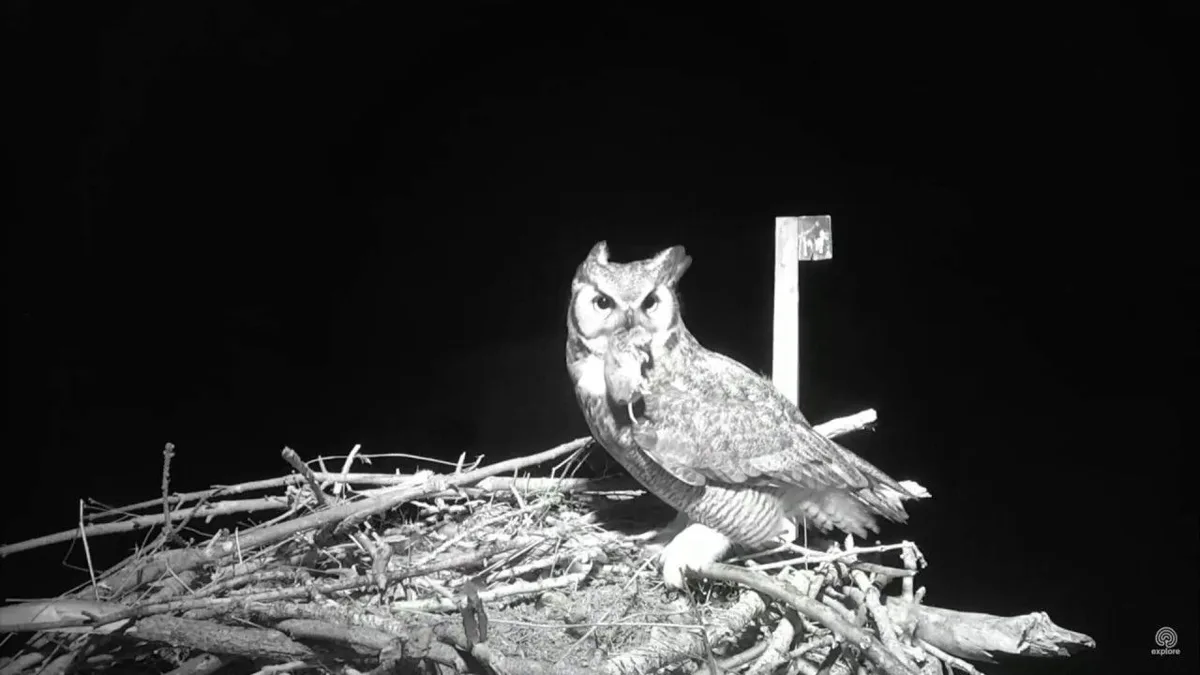
Image source: Bing (Web (fair-use with source credit))
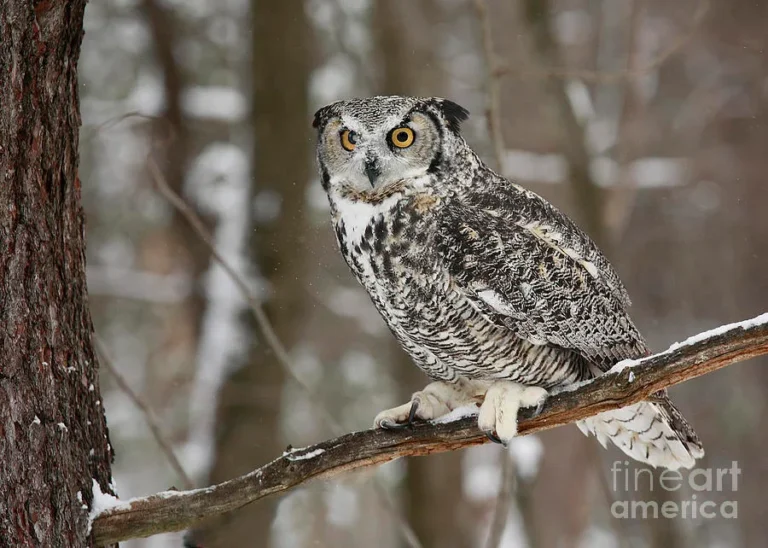
Small owls, like the Western Screech-Owl, focus on invertebrates. Larger species, such as the Great Horned Owl, possess the strength to take down much larger prey. They are one of the few predators capable of hunting skunks, thanks to their limited sense of smell.
How Owl Adaptations Drive Their Hunting Strategy
Owls have evolved unique tools that make them masters of the night. Their success isn't just about what they eat, but how they catch it. Their physical features are highly specialized for efficiency.
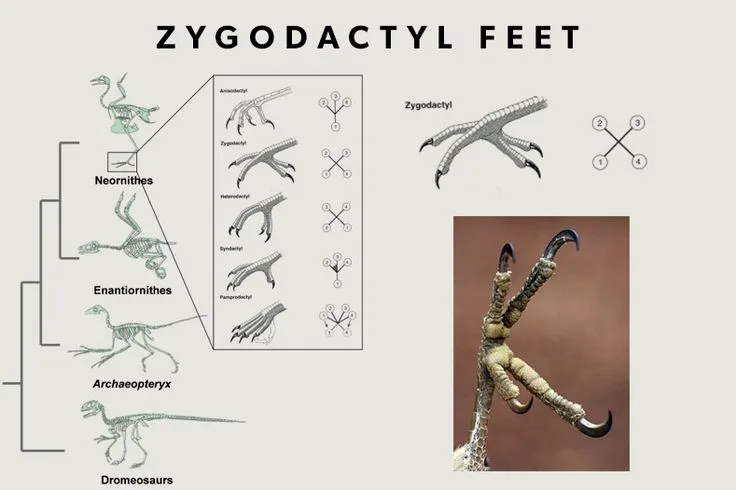
Image source: Web (Bing) / pinterest.com (Web image (fair-use with source credit))
The most striking feature is their zygodactyl feet. This arrangement features two toes facing forward and two backward, providing a vice-like grip. According to data from the Cornell Lab of Ornithology, this grip allows them to secure wriggling prey instantly.
Their silent flight feathers are another critical adaptation. The edges of their wings have serrations that break up air turbulence. This allows the owl to approach prey in near-total silence.
Combined with asymmetrical ear openings for pinpointing sound, they can strike in pitch darkness.
Decoding the Menu: From Rodents to Insects
We can organize an owl’s diet by the type of prey they target most frequently. While "mouse hunter" is the popular label, their actual consumption is much broader.
| Prey Category | Typical Examples | Target Owl Species |
|---|---|---|
| Small Mammals | Voles, mice, rats | Barn Owl, Barred Owl |
| Lagomorphs | Rabbits, hares | Great Horned Owl |
| Invertebrates | Beetles, crickets, moths | Burrowing Owl, Screech Owl |
| Avian Prey | Starlings, smaller birds | Great Horned Owl |
Small mammals remain the foundation for most species because they are calorie-dense and easy to handle. When mammals are scarce, birds often fill the gap. Insects serve as a high-protein supplement, especially for younger or smaller owl species.
The Science of Owl Pellets and Digestion
Owls do not have teeth for grinding meat. They swallow their prey in large chunks, which presents a digestive challenge. Their specialized anatomy manages this through a two-part stomach system.
The first section, the proventriculus, produces enzymes to begin digestion. The second section, the gizzard, acts as a filter. It compacts indigestible materials like fur, feathers, and bones into a tight mass.
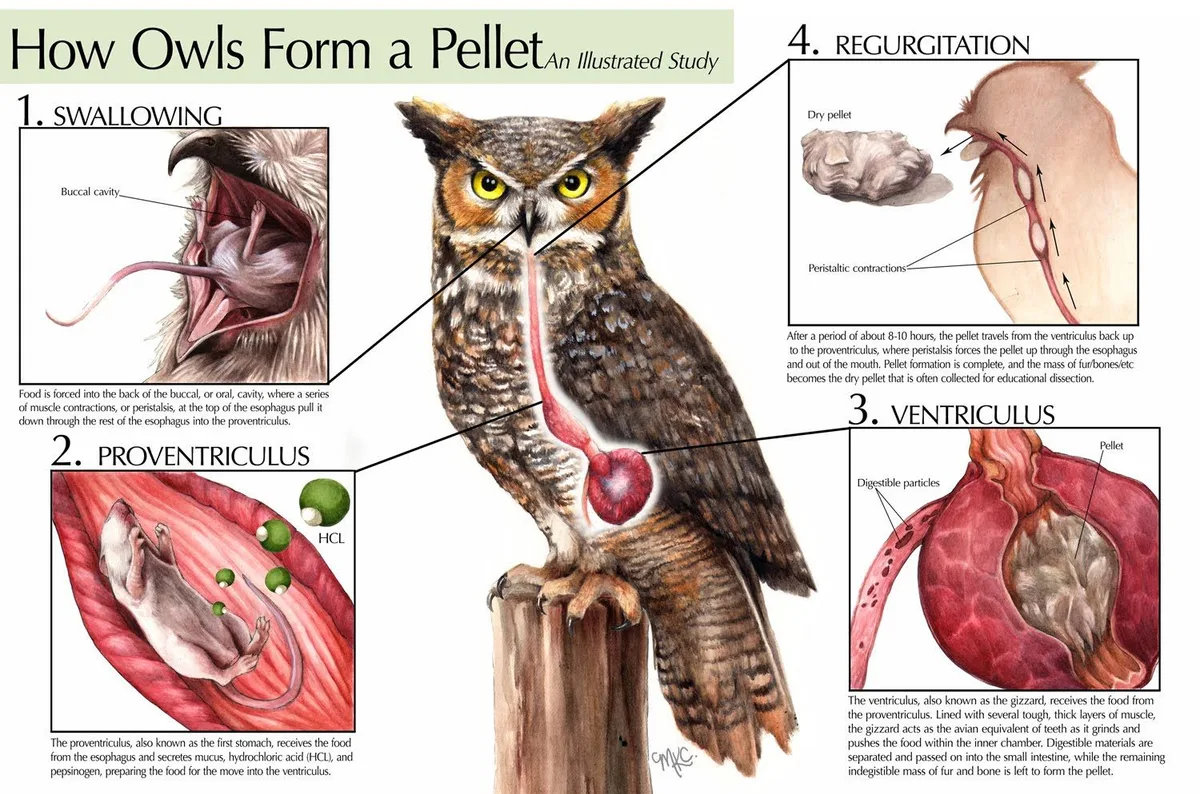
Image source: Web (Bing) / pinterest.com (Web image (fair-use with source credit))
After 12 to 24 hours, the owl regurgitates this mass as a pellet. These pellets are a goldmine for biologists. Analyzing them allows researchers to track exactly what an owl has been eating without needing to observe the hunt.
Why Habitat and Season Dictate the Diet
An owl’s location acts as the primary filter for its menu. A forest-dwelling owl faces different hunting opportunities than one living in a prairie or desert. This concept of microhabitats defines their yearly intake.
Seasonal changes also force diet shifts. In winter, when insects hibernate and vegetation thins, owls must rely almost entirely on rodents. During spring and summer, the abundance of fledglings and emerging insects provides a wider variety of caloric sources.
This seasonal shift is vital for chick development. Nesting parents often hunt more frequently to bring high-protein food to their young. If the habitat cannot support this increased demand, it directly impacts the survival rate of the brood for that year.
Critical Risks: Rodenticides and Human Interference
Owls face significant threats when human activity intersects with their natural hunting grounds. The most pressing risk involves the use of rodenticides, or rat poison. When an owl consumes a rodent that has recently ingested these toxins, the owl suffers from secondary poisoning.
This process, known as bioaccumulation, often leads to internal hemorrhaging and death for the raptor. Even if the dose isn't immediately fatal, it impairs the owl's ability to hunt effectively. Reduced coordination and slower reaction times make it difficult for the bird to catch agile prey, creating a dangerous cycle.
Roadway collisions represent another major hazard for many species. Owls often hunt along grassy medians or roadsides where small mammals gather. Their low-altitude flight paths across roads put them directly in the way of oncoming traffic.
You can help minimize these risks by choosing non-toxic methods for rodent control on your own property. Snap traps or exclusion methods are much safer alternatives to chemical poisons. If you find an injured owl, contact a local wildlife rehabilitation center rather than attempting to handle or feed it yourself.
Frequently Asked Questions About Owl Feeding Habits
Do owls eat cats or small dogs?
It is extremely rare for an owl to target a house pet. Most owls focus on prey that weighs only a small fraction of their own body mass. A typical owl wants a mouse or a vole, not a cat that is likely too large and defensive to be worth the effort.
How much do owls eat in a single night?
An owl’s consumption depends on its metabolic needs and the size of the prey. A small owl might eat one or two mice per night to maintain its energy levels. Larger species can consume multiple small mammals or a single larger item like a rabbit to sustain themselves for several days.
Do owls drink water?
Owls do drink water, though they often get most of their required hydration directly from their prey. They may bathe or drink from birdbaths, streams, and ponds during hot weather. Keeping a clean, shallow water source available can be helpful for all local wildlife, including predatory birds.
Why do owls hunt only at night?
Most owls are nocturnal or crepuscular, meaning they hunt when their prey is most active and light levels are low. Hunting at night reduces competition from daytime raptors like hawks and eagles. Their specialized vision and hearing allow them to dominate the environment while other predators are inactive.
Can I feed wild owls to help them survive?
It is best not to feed wild owls. Providing food can make them dependent on humans, which disrupts their natural hunting behavior and skill development. It also attracts rodents to your immediate area, which can lead to larger pest problems and increased risk of disease for the birds.